 Instalab
L-Lysine
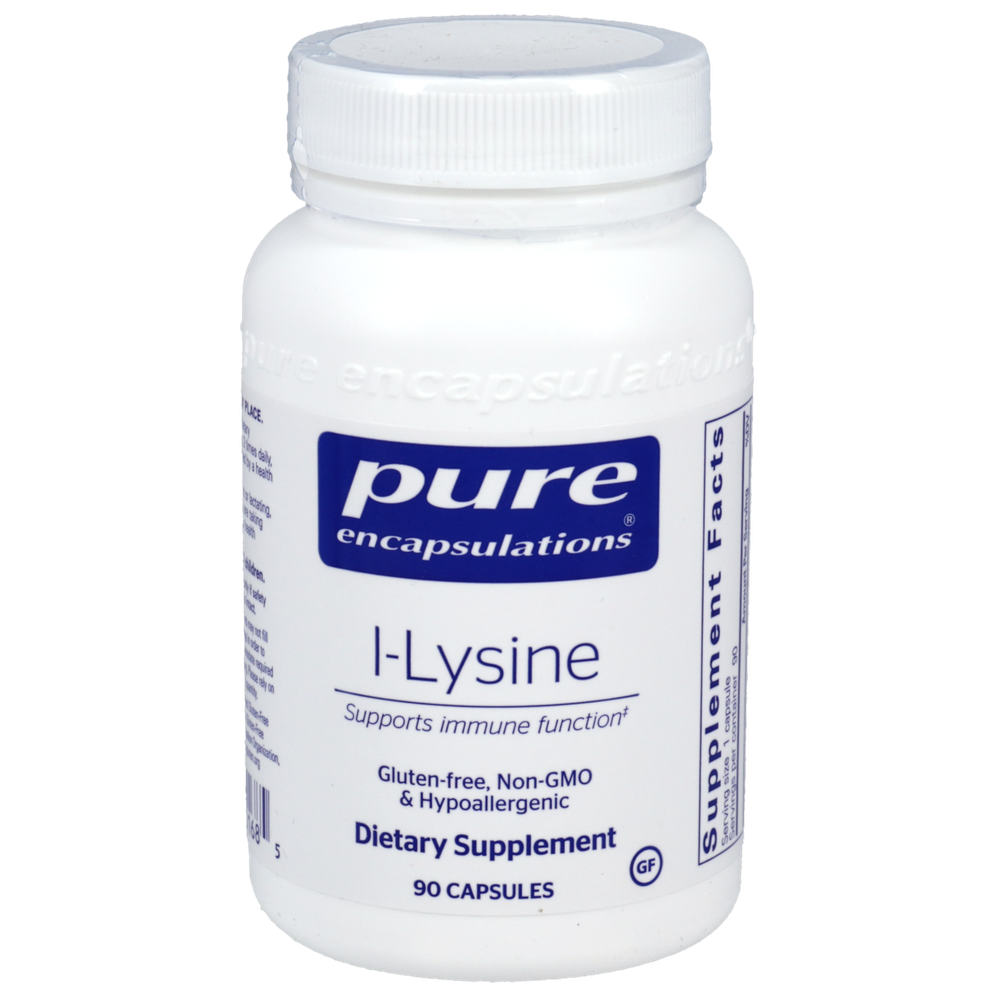
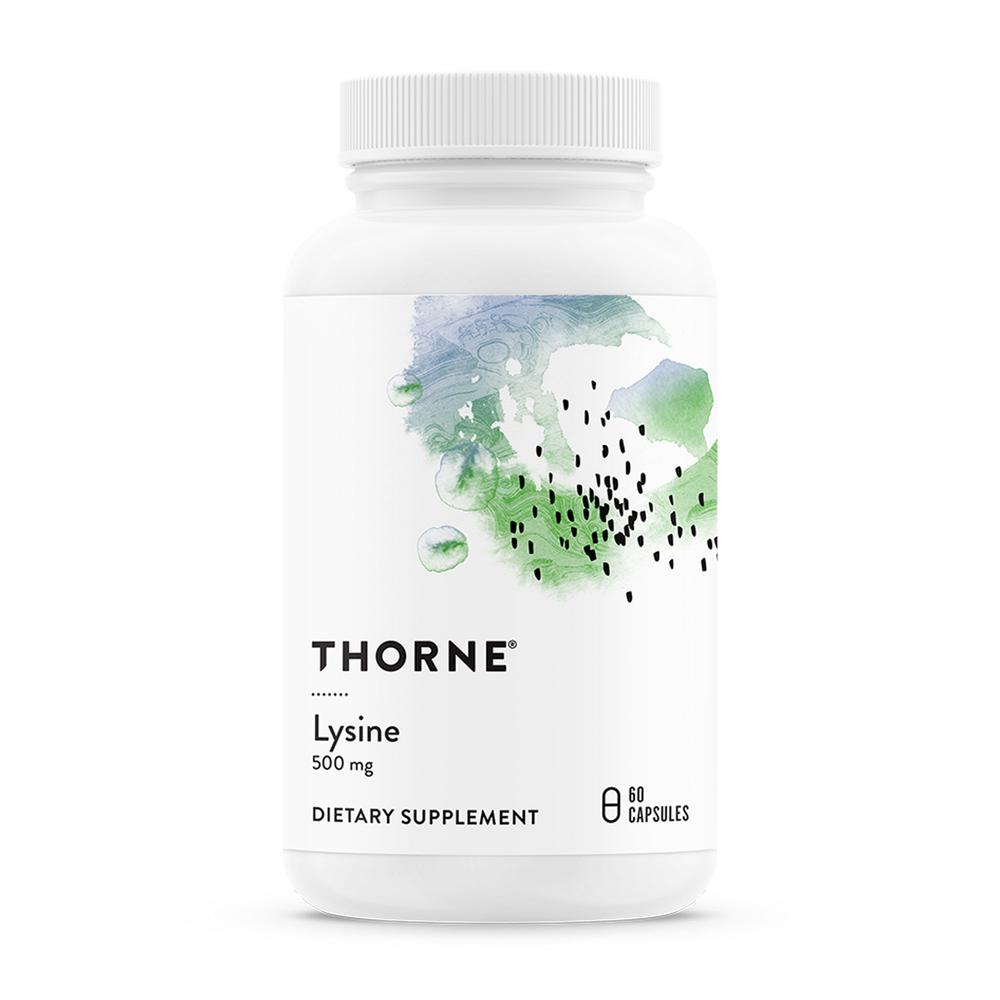
L-lysine supports collagen synthesis and is used for cold sore prevention.
Our vetting standard
Every l-lysine formula here clears the same bar.
- Clinically studied, effective doses
- Bioavailable, well-absorbed forms
- Practitioner-grade, trusted brands
- Third-party tested for identity and potency
See if it's actually working
Lysine is taken to reduce outbreak frequency, and antibody titers do not track that, so a count of outbreaks over six months is the endpoint that matters.
L-Lysine FAQs
What is L-lysine used for?
L-lysine is an essential amino acid used for cold sore (HSV-1) prevention and treatment, collagen synthesis, calcium absorption, and immune function. It competes with arginine, which the herpes virus needs to replicate.
How much lysine should I take for cold sores?
1,000–3,000 mg/day during outbreaks, and 500–1,000 mg/day for prevention. Effects on outbreak frequency typically appear within 2–4 weeks of consistent use.
Are there food interactions?
Limit high-arginine foods (nuts, chocolate, seeds) when actively treating an outbreak, since arginine can trigger viral replication. Lysine-rich foods include meat, fish, dairy, and legumes.
Does lysine actually prevent cold sore outbreaks?
Evidence is mixed but supportive for prevention. Studies show 1,000 mg/day reduces outbreak frequency by 30–50% over months. For acute outbreaks, higher doses (3,000 mg/day) may shorten duration, though it's not as effective as topical or oral antivirals (acyclovir, valacyclovir).
Lysine vs. acyclovir — which works better?
Acyclovir and valacyclovir are stronger and faster for active outbreaks. Lysine is gentler, cheaper, and works as a daily preventive. Many people use lysine daily for prevention and antivirals only during outbreaks. Both can be combined safely.
Can lysine help with shingles or genital herpes?
Possibly. Lysine works against all herpes-family viruses (HSV-1, HSV-2, varicella-zoster). For genital herpes, daily 1,000–3,000 mg may reduce outbreak frequency. For shingles, evidence is weaker — antivirals are first-line. Lysine is sometimes used as an adjunct.
What foods are high in lysine?
Beef, pork, chicken, fish, dairy (especially Parmesan), eggs, soy, lentils, beans, and pumpkin seeds. Most omnivores get plenty; vegans may need to combine grains and legumes (lysine is the limiting amino acid in most grains).
Will lysine help my skin and collagen?
Lysine is essential for collagen cross-linking, but unless you're deficient, supplementation doesn't dramatically improve skin or wound healing. Vitamin C is the bigger lever for collagen synthesis. Lysine matters most when overall protein intake is low.
Are there side effects from lysine?
Generally well-tolerated. High doses (over 10 g/day) can cause GI upset, kidney stress in susceptible people, and rarely elevated cholesterol. People with kidney or liver disease should consult a clinician before high-dose lysine.
Is lysine safe during pregnancy?
Dietary lysine is essential and safe. Supplemental lysine at typical doses (500–1,000 mg) is likely fine but not extensively studied in pregnancy. For cold sore management while pregnant, talk to your OB about preferred options.