 Instalab
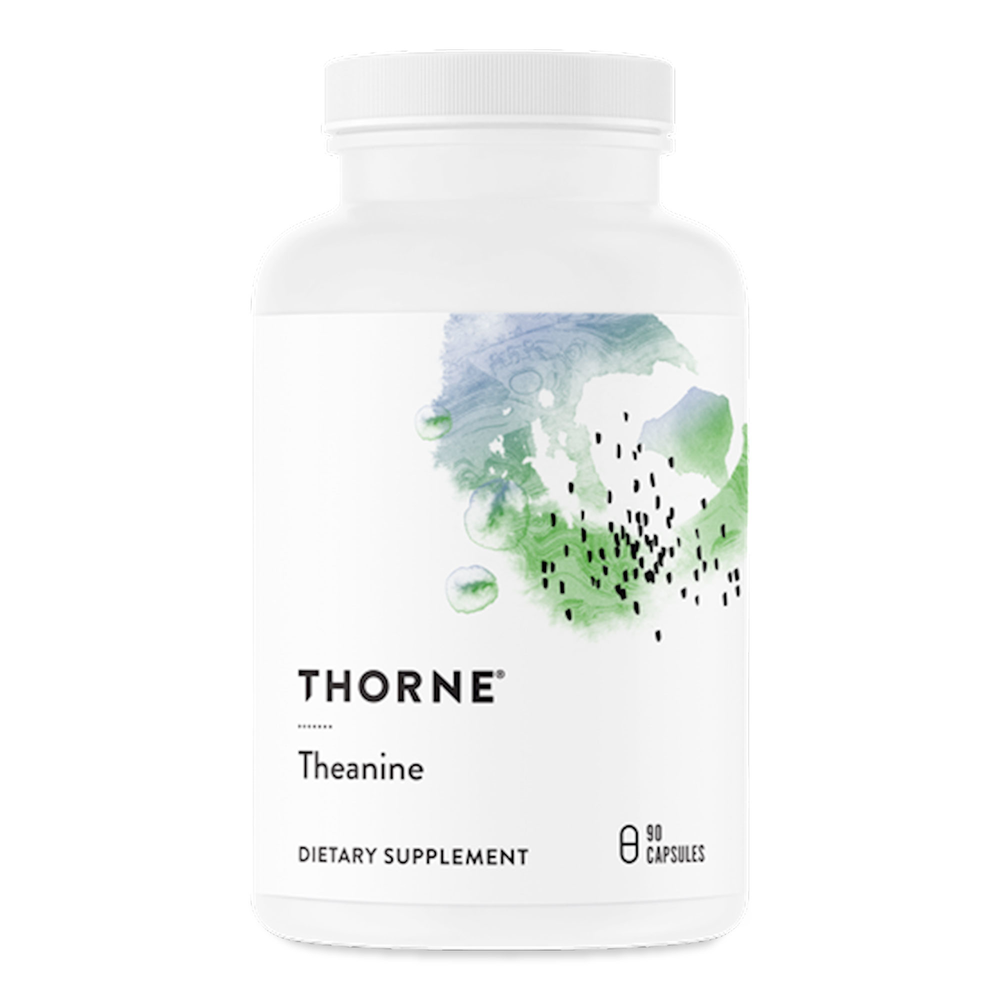
L-Theanine
L-theanine promotes calm focus without sedation.
Our vetting standard
Every l-theanine formula here clears the same bar.
- Clinically studied, effective doses
- Bioavailable, well-absorbed forms
- Practitioner-grade, trusted brands
- Third-party tested for identity and potency
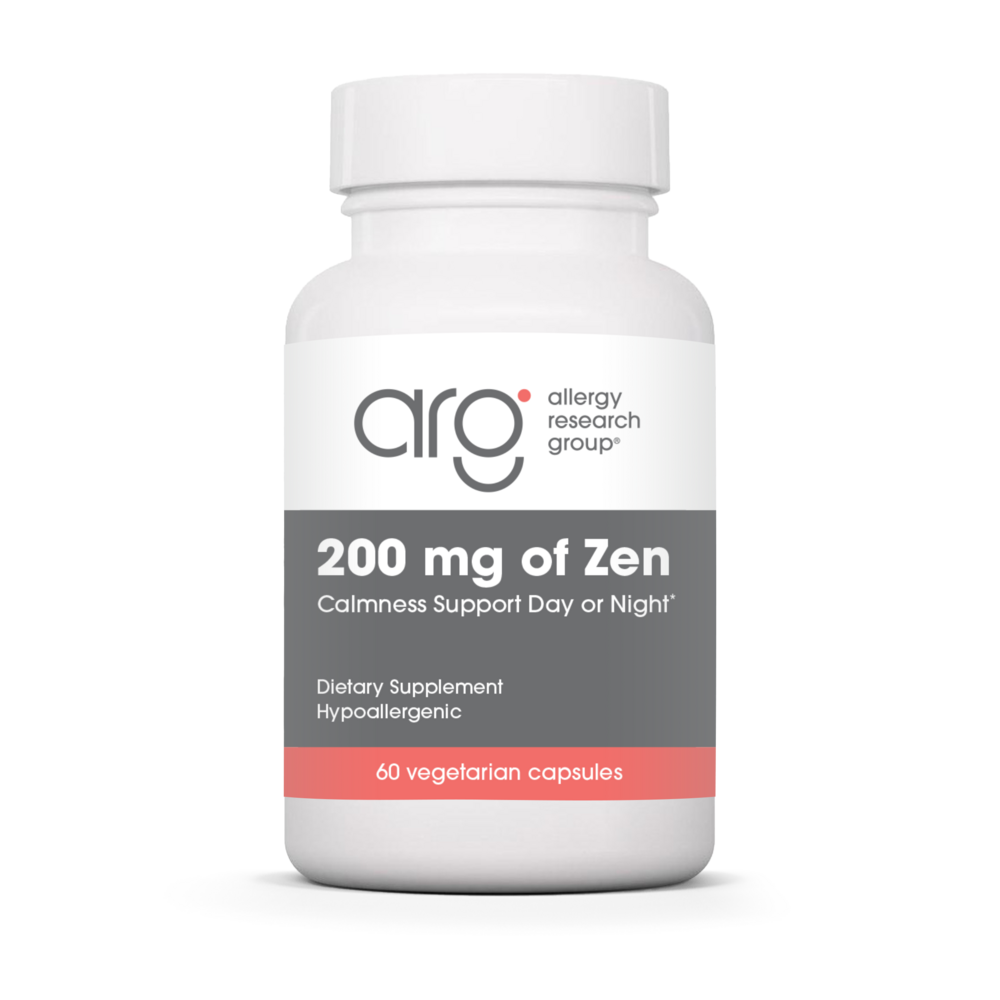
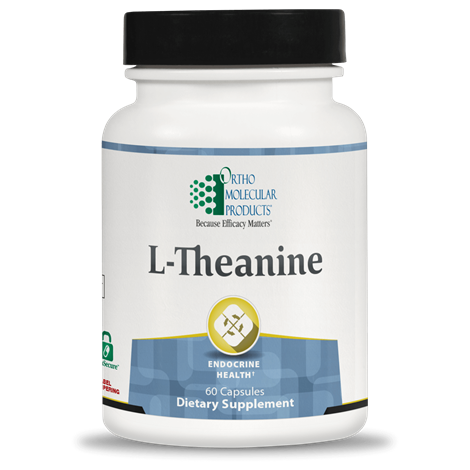
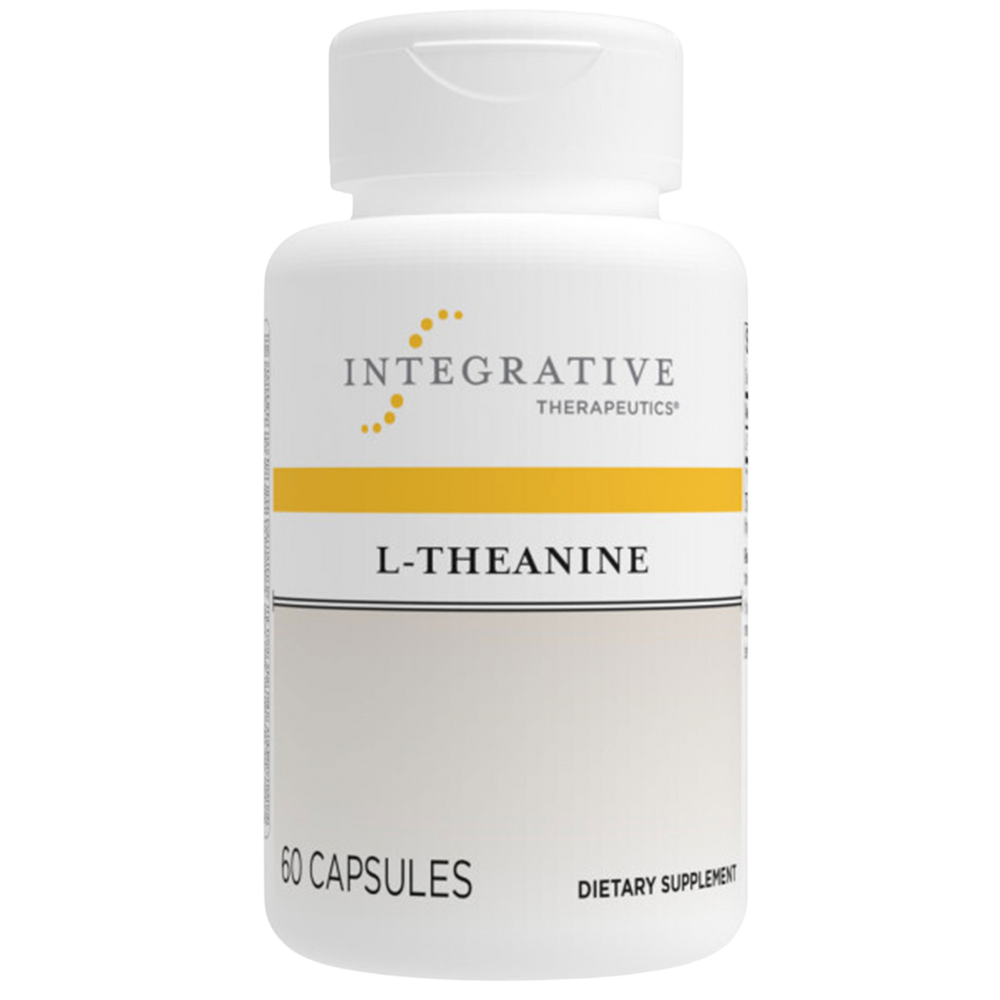
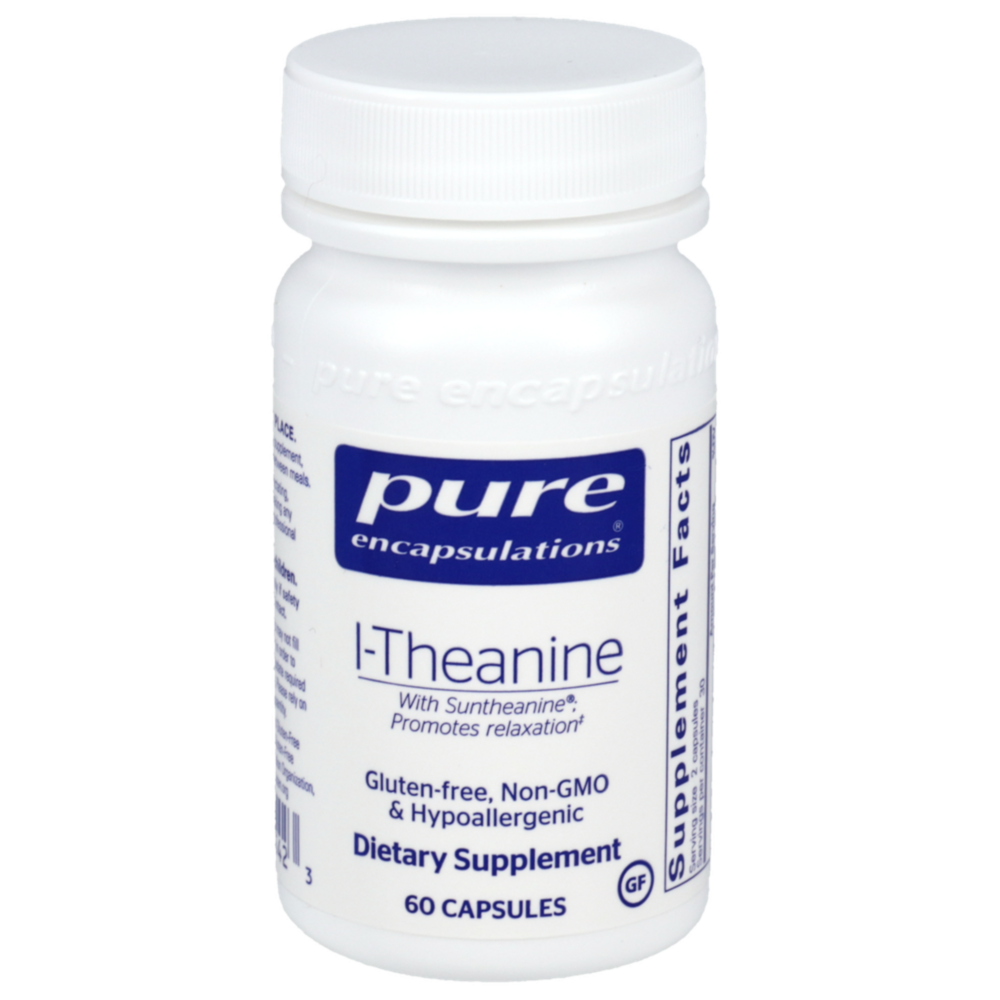
See if it's actually working
No blood level tracks theanine; it is judged on daytime calm without sedation and on sleep quality, with cortisol as background context only.
L-Theanine FAQs
What does L-theanine do?
L-theanine is an amino acid found in green tea that promotes alpha brain wave activity (calm focus state) without sedation. It pairs well with caffeine to take the edge off jitters while preserving alertness, and is also used solo for stress and sleep.
How much L-theanine should I take?
100–200 mg per dose, up to 600 mg/day. With caffeine, a 2:1 theanine-to-caffeine ratio is common (e.g., 200 mg theanine + 100 mg caffeine). Effects come on within 30–60 minutes.
Is L-theanine safe with blood pressure or sleep medications?
Theanine has mild blood pressure-lowering effects, so monitor if you take antihypertensives. It's generally non-sedating and well-tolerated. Talk to a clinician if you take psychoactive medications.
L-theanine vs. ashwagandha — which is better for stress?
L-theanine works acutely (30–60 min) for situational stress and focus. Ashwagandha works over weeks to lower baseline cortisol and stress reactivity. Many people use both: ashwagandha daily for the long arc, L-theanine on demand for high-stress moments.
Can I take L-theanine for sleep?
Yes. 200–400 mg about 30 minutes before bed reduces racing thoughts and supports sleep onset, especially in people with anxiety-driven insomnia. It doesn't sedate like melatonin or magnesium glycinate, but it quiets the mind.
How is it different from anti-anxiety medications?
L-theanine works through GABA, glutamate, and dopamine modulation but without the sedation, dependence, or side effects of benzodiazepines. It's a sub-clinical effect — gentler and slower than prescription anxiolytics, but with no taper or withdrawal concerns.
Will L-theanine help with ADHD or focus?
Combined with caffeine, L-theanine improves attention switching, accuracy, and reduced mind-wandering in studies. Some small trials in ADHD show modest benefit alone, but it's typically used as an adjunct to stimulant medications (with provider awareness) to soften jitter and irritability.
How much L-theanine is in green tea?
About 25–60 mg per cup of brewed green tea, depending on variety and steeping time. Matcha contains more (about 70 mg per teaspoon). To reach the studied 200 mg dose through tea alone, you'd need 4–8 cups.
Are there any side effects?
L-theanine is one of the best-tolerated supplements available. Rare side effects include mild headache or GI upset at very high doses. It's non-addictive, non-sedating, and safe to use long-term.
Is L-theanine safe during pregnancy?
Limited human data, so most clinicians err on the side of caution. Drinking moderate amounts of green tea (which contains L-theanine) is generally fine. For supplemental doses during pregnancy, talk to your OB.