 Instalab
Magnesium
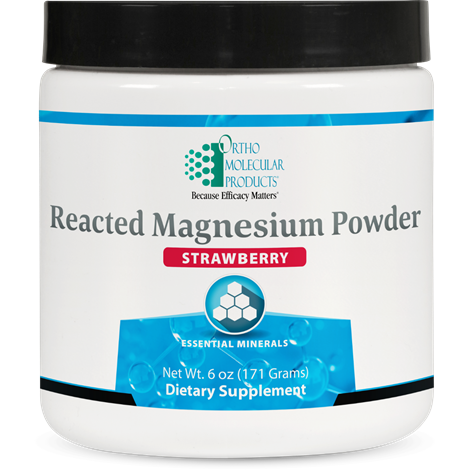
Magnesium supports muscle, nerve, sleep, and metabolic function.
Our vetting standard
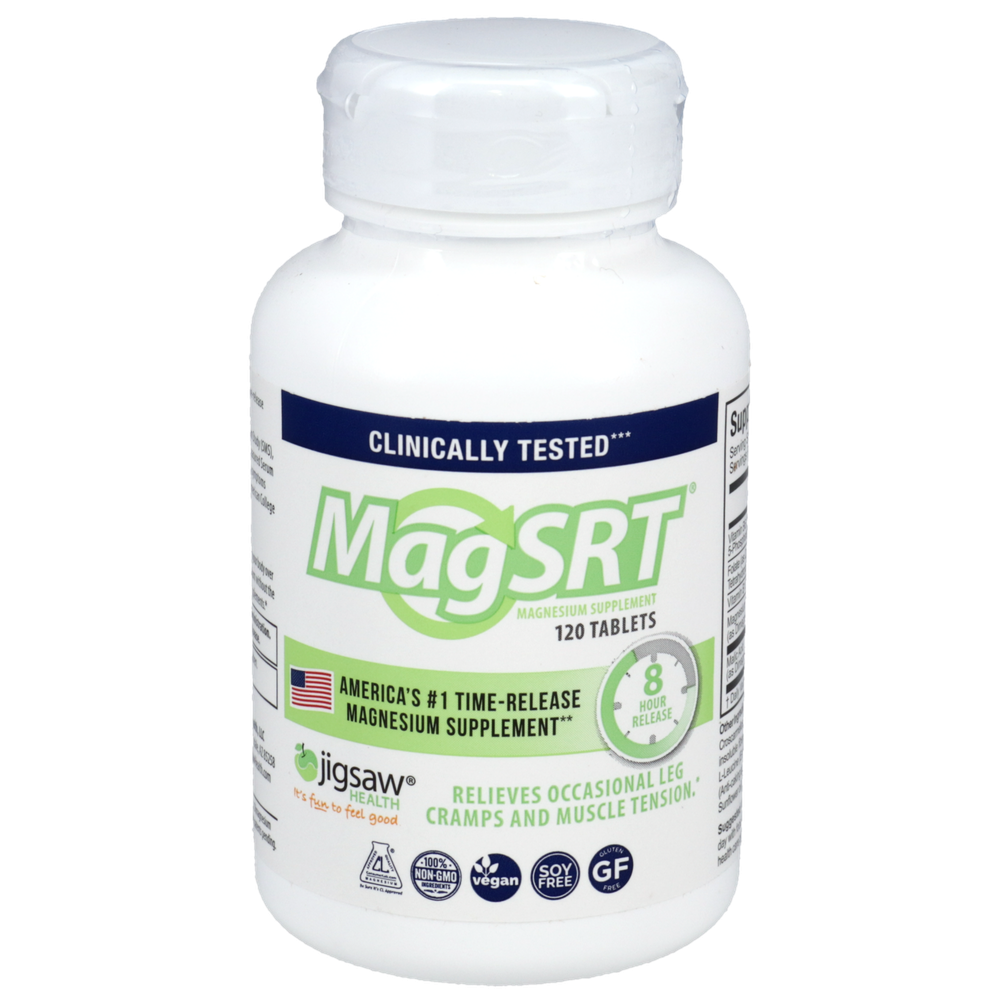
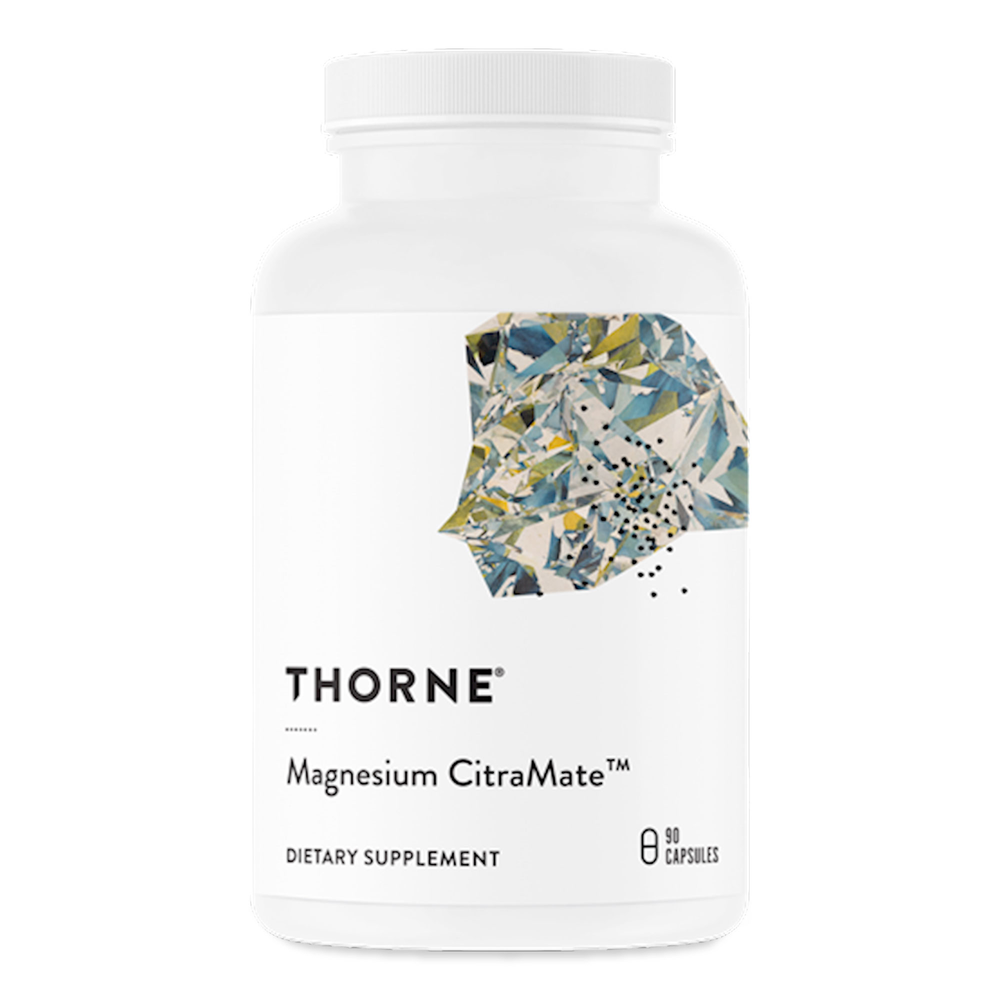
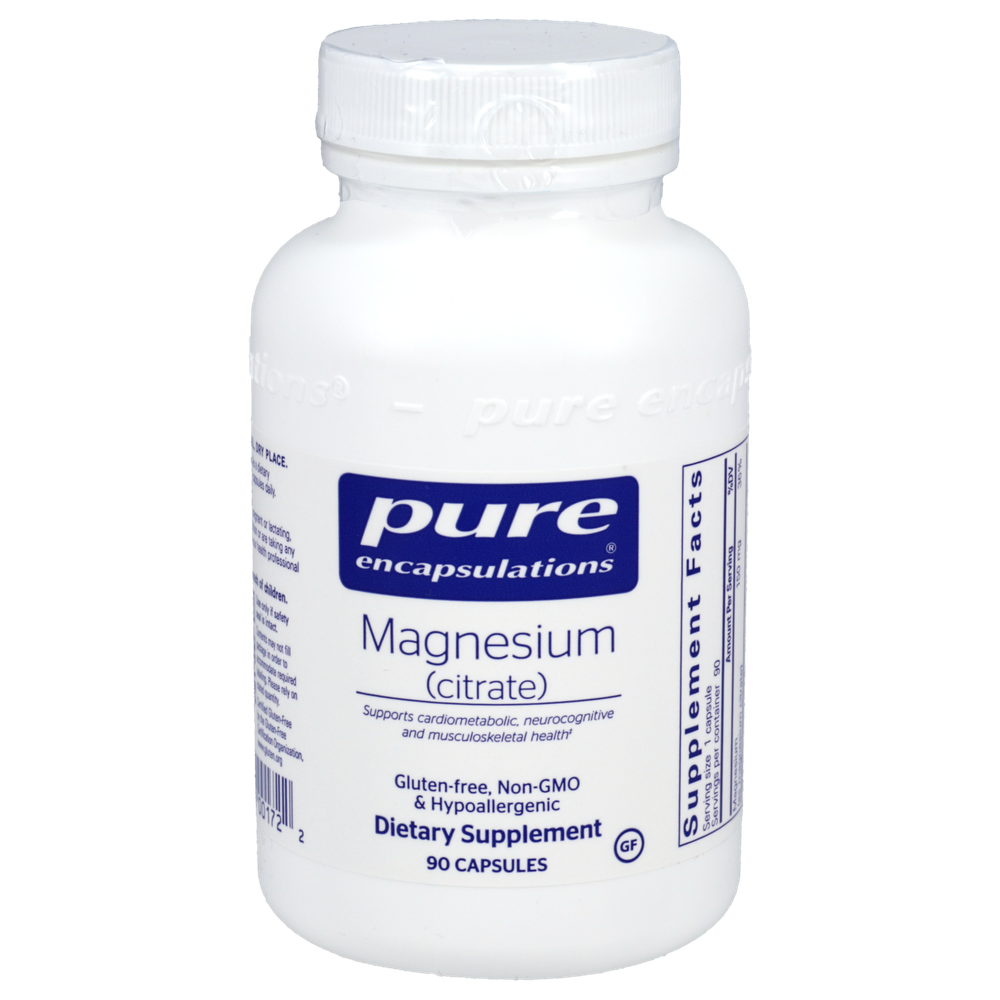
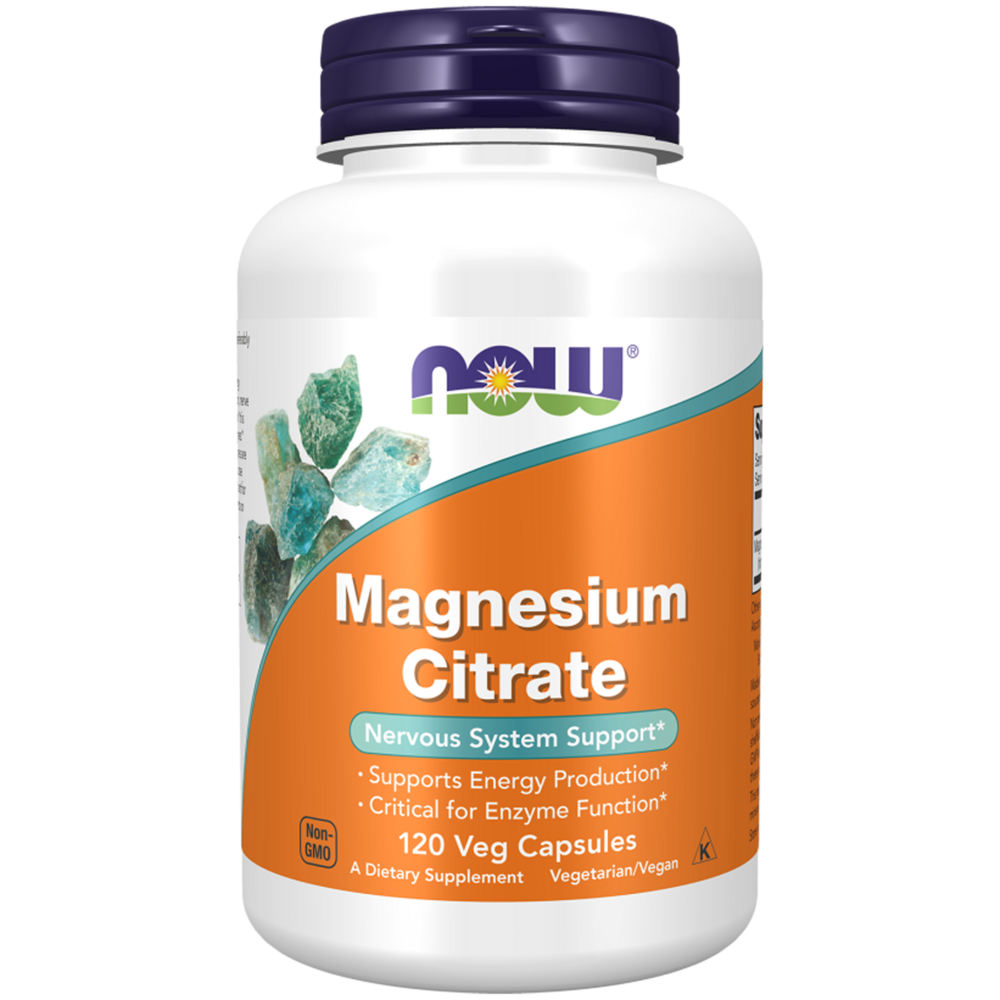
Every magnesium formula here clears the same bar.
- Clinically studied, effective doses
- Bioavailable, well-absorbed forms
- Practitioner-grade, trusted brands
- Third-party tested for identity and potency















See if it's actually working
RBC magnesium is the marker to retest: serum magnesium is held constant at the expense of tissue stores and will look normal while you are still depleted.
Magnesium FAQs
Why is magnesium important?
Magnesium is a cofactor in over 300 enzymatic reactions including energy production, muscle and nerve function, blood sugar control, and bone formation. About half of Americans don't meet the recommended intake from food.
Which form of magnesium is best?
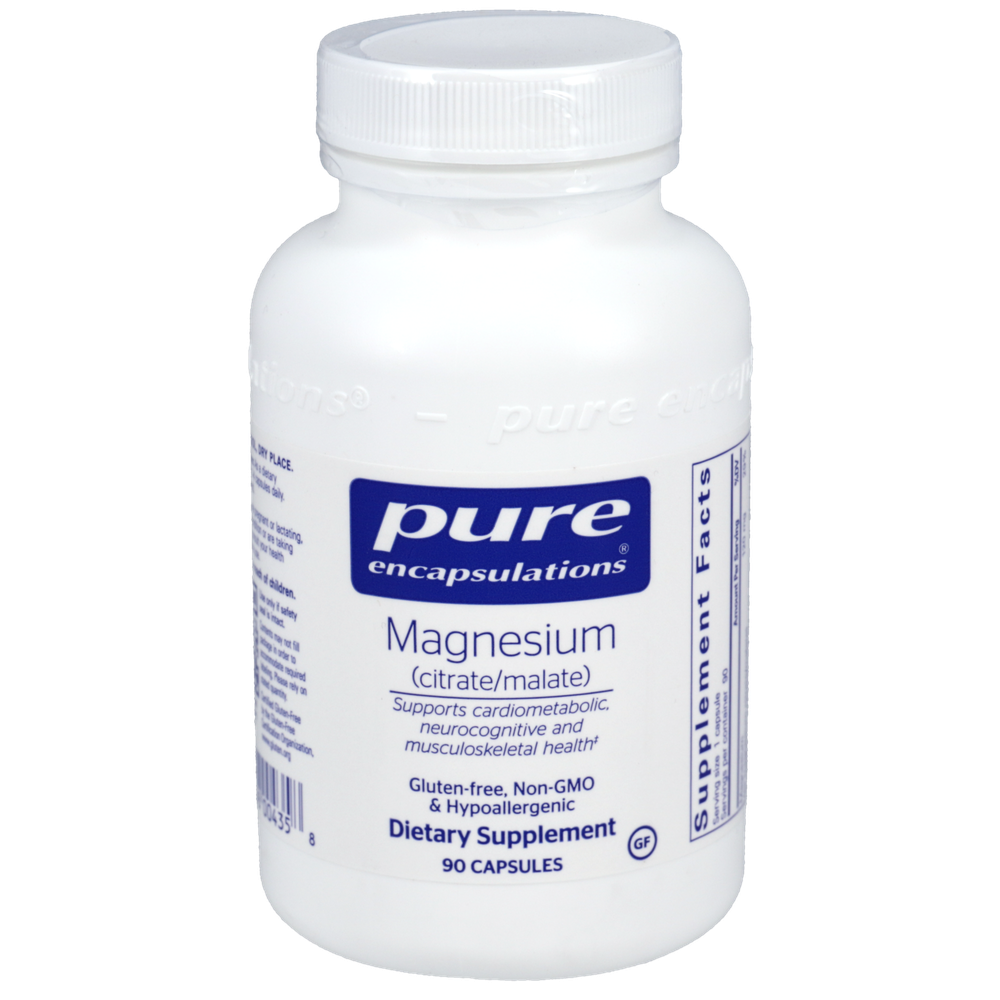
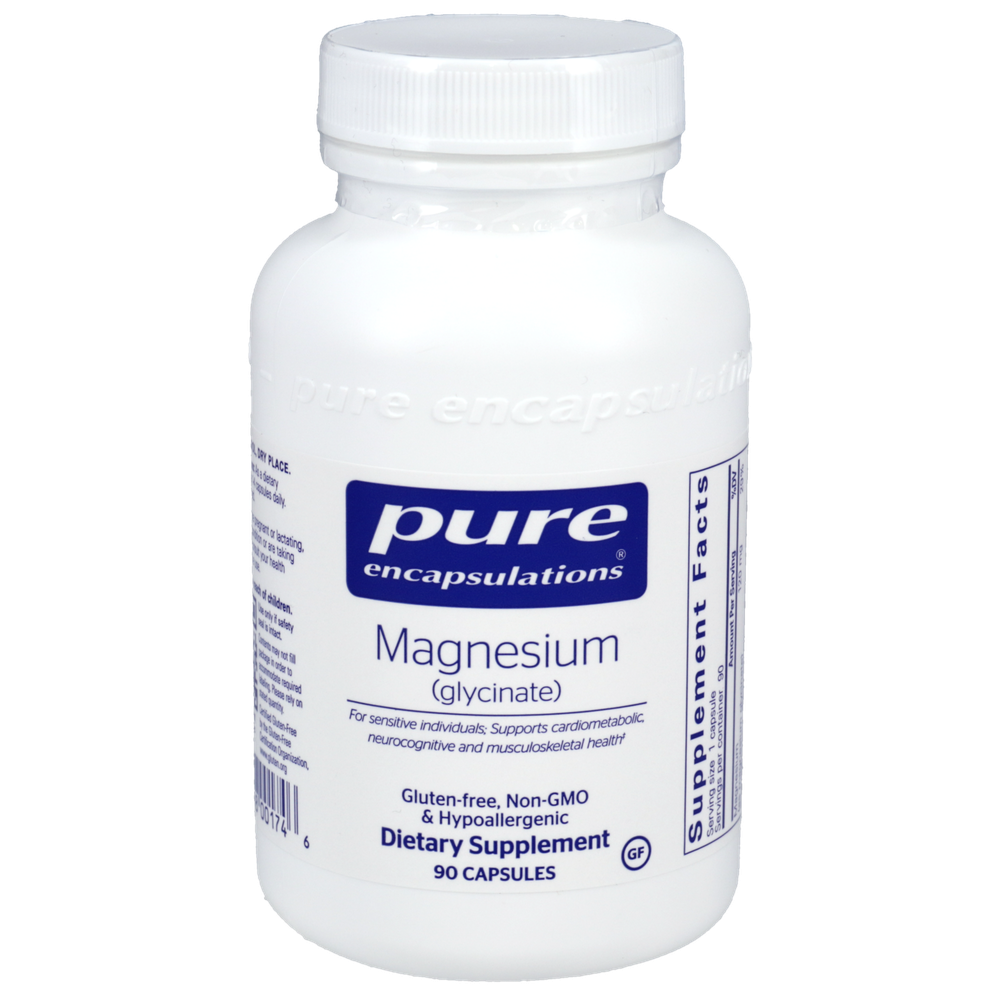
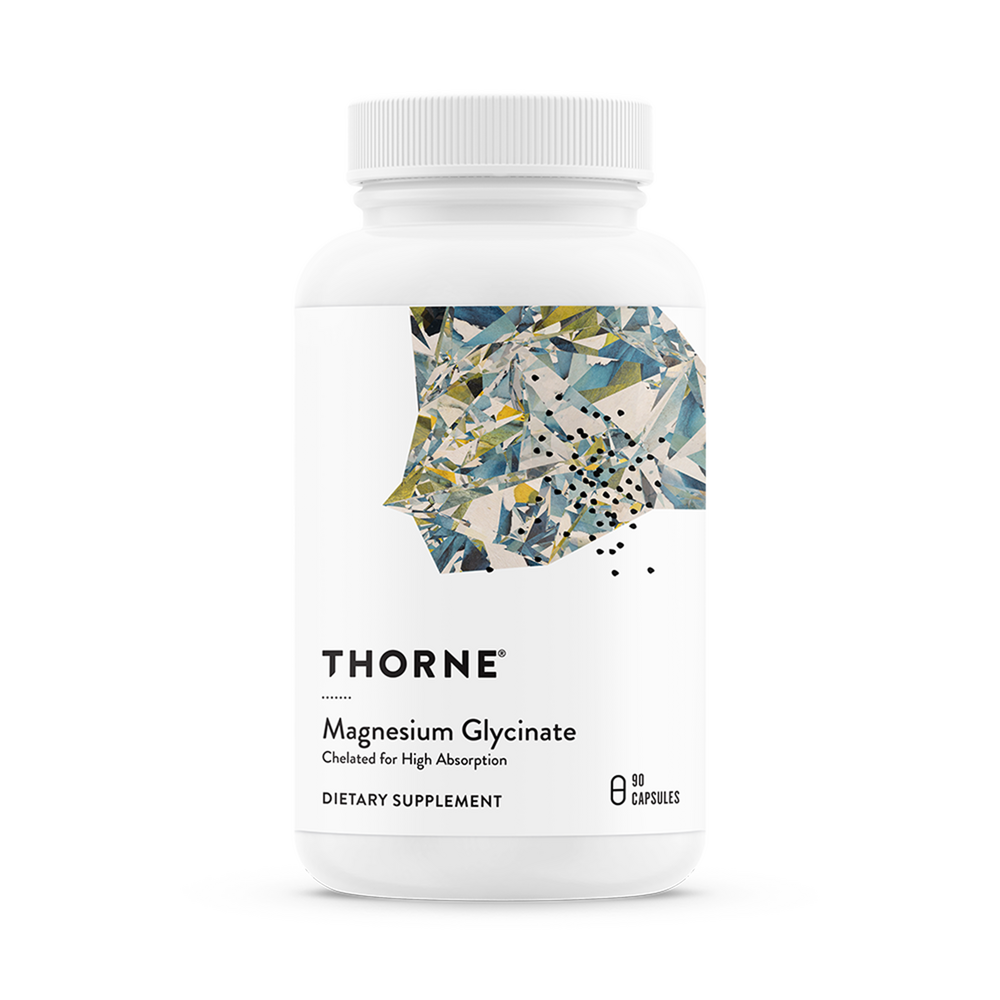
Magnesium glycinate is well-absorbed and gentle (good for sleep and stress). Magnesium citrate works for constipation but can be laxative. Magnesium L-threonate crosses the blood-brain barrier and supports cognition. Avoid magnesium oxide — it's poorly absorbed.
How much magnesium should I take?
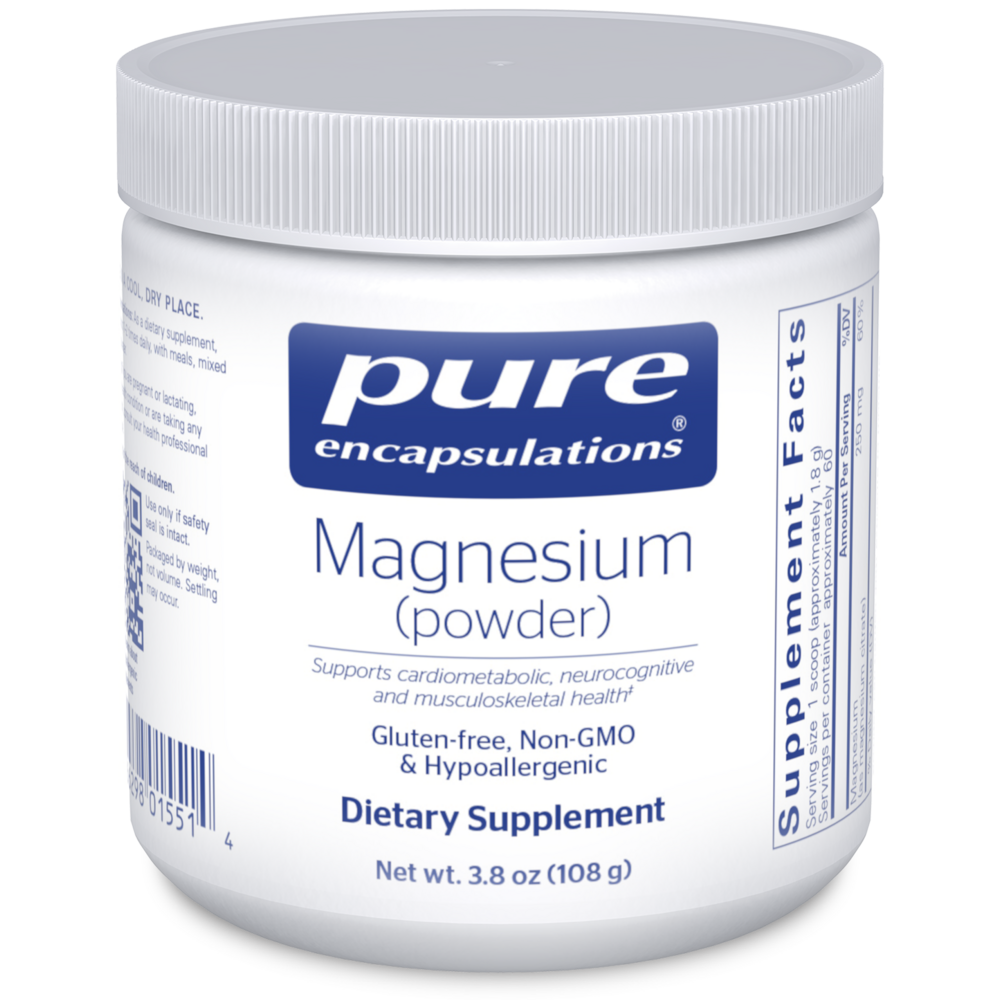
RDA is 320–420 mg/day. Most supplements provide 200–400 mg of elemental magnesium. Take it in the evening, since it has a calming, sleep-supportive effect for many people.
What are signs of magnesium deficiency?
Muscle cramps, twitches, eye twitching, restless legs, anxiety, poor sleep, headaches, constipation, irregular heartbeat, and chocolate cravings. Standard blood tests miss most deficiency since 99% of magnesium is intracellular. RBC magnesium is more accurate but rarely ordered.
Does magnesium help with sleep?
Yes — magnesium glycinate, threonate, or taurate at 200–400 mg before bed supports sleep onset and quality, especially in people with deficiency or anxiety-driven insomnia. It works by activating GABA receptors and calming the nervous system.
Will magnesium help with constipation?
Magnesium citrate or magnesium oxide pull water into the bowel for an osmotic laxative effect at higher doses (300–600 mg). For chronic constipation, it's a gentler approach than stimulant laxatives. If you don't have constipation, avoid these forms.
What foods are high in magnesium?
Pumpkin seeds, almonds, cashews, spinach, swiss chard, dark chocolate, black beans, avocado, salmon, and tofu. A daily handful of nuts plus a serving of leafy greens covers most of an adult's needs.
Can magnesium lower blood pressure?
Yes, modestly. Meta-analyses show 300–400 mg/day reduces systolic BP by 2–5 mmHg, with bigger effects in those with hypertension. It pairs well with potassium and a DASH-style diet for cardiovascular support.
How does magnesium affect anxiety?
Magnesium activates the parasympathetic nervous system and modulates NMDA receptors. Trials show reductions in anxiety scores at 300–500 mg/day over 6–8 weeks, especially in people with mild-to-moderate anxiety and known low magnesium intake.
Is magnesium safe during pregnancy?
Yes, and often recommended. Magnesium supports muscle relaxation, sleep, and reduces leg cramps and constipation in pregnancy. Most prenatal vitamins include some magnesium; an extra 200–300 mg is usually safe but worth running by your OB.