 Instalab
Melatonin
Melatonin is the body's natural sleep hormone used to support sleep onset and circadian rhythm.
Our vetting standard
Every melatonin formula here clears the same bar.
- Clinically studied, effective doses
- Bioavailable, well-absorbed forms
- Practitioner-grade, trusted brands
- Third-party tested for identity and potency
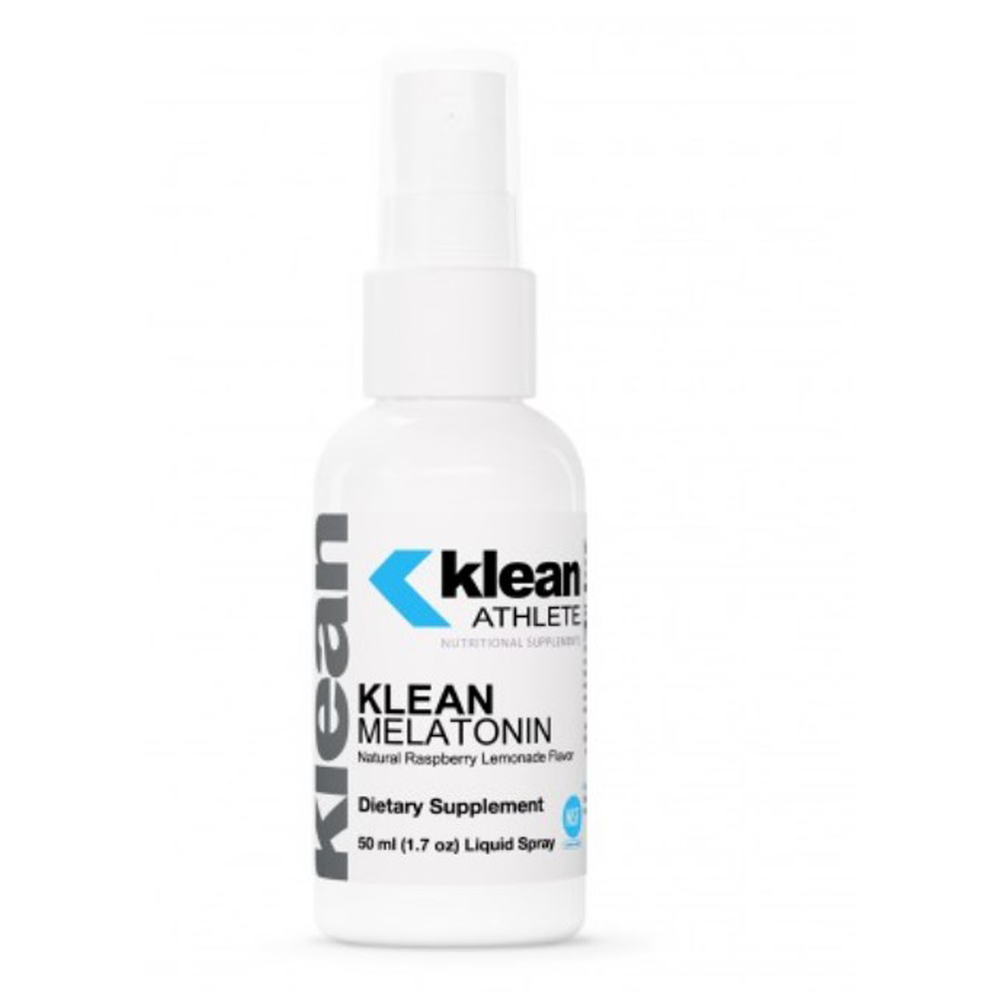
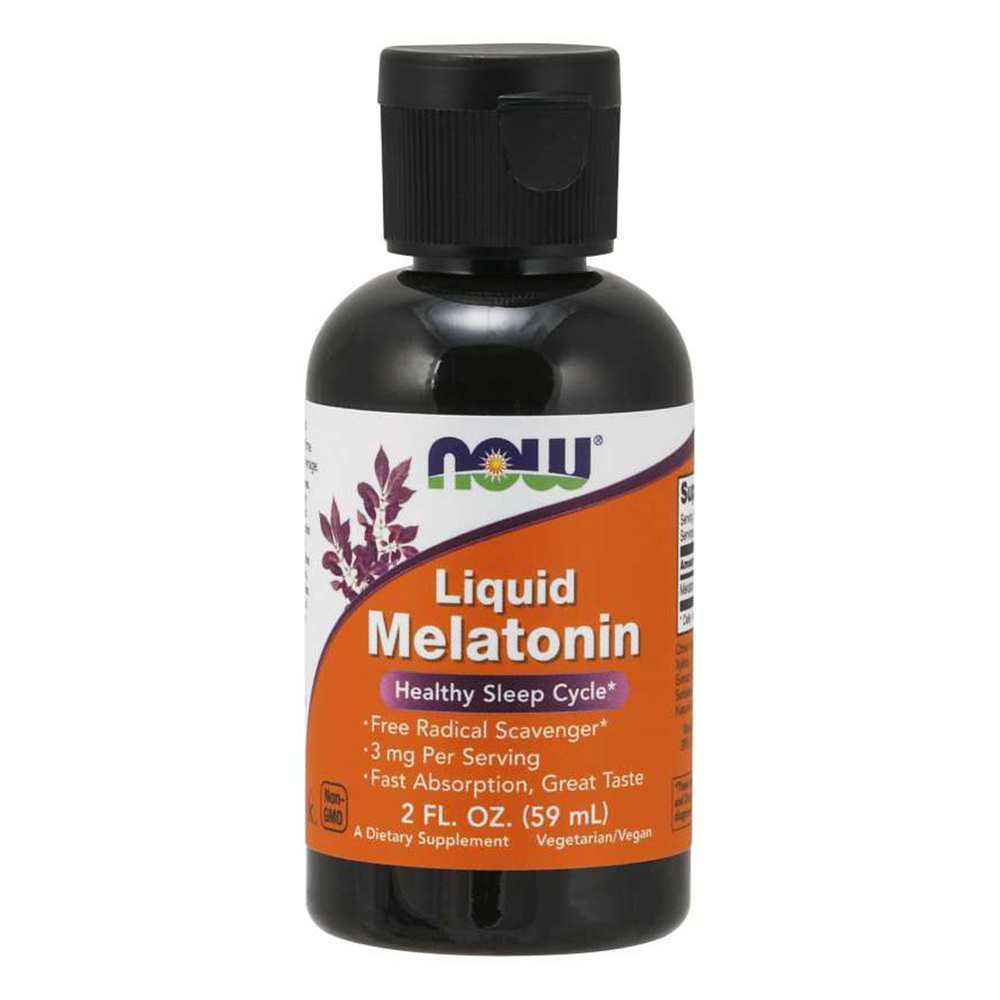
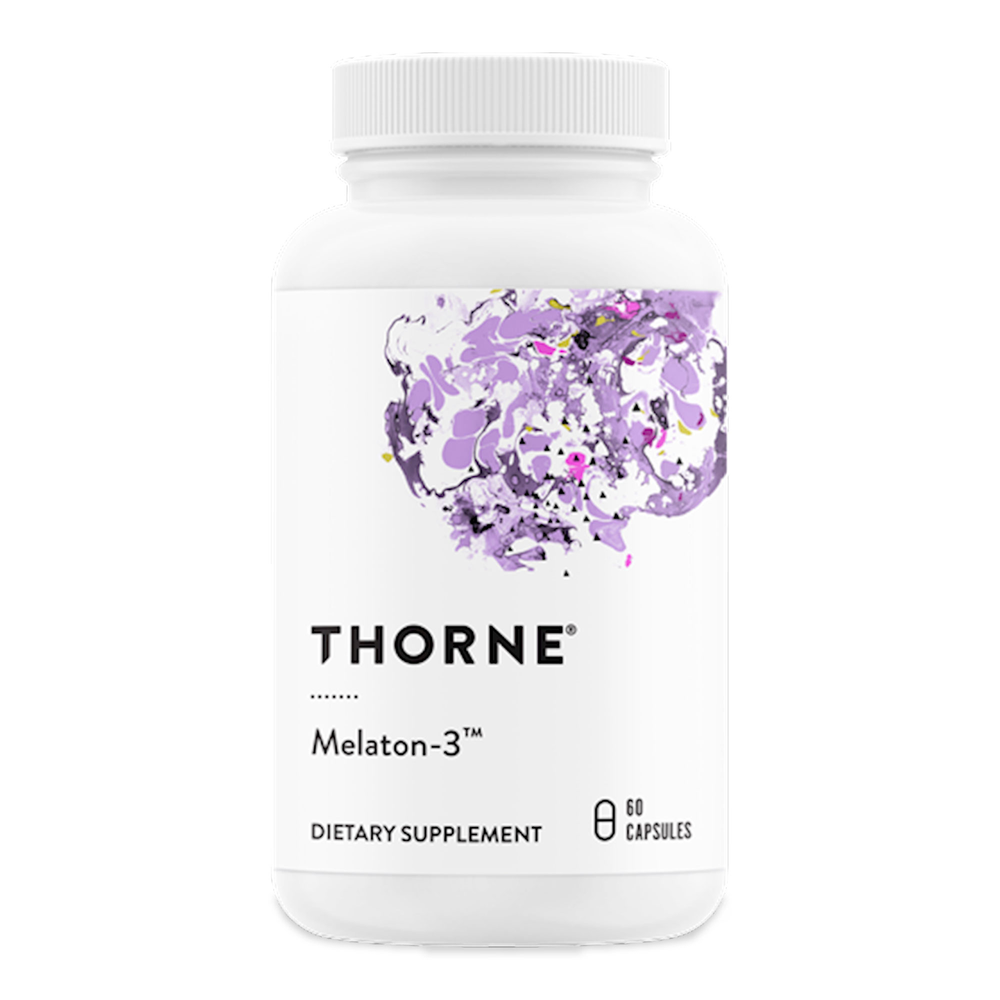
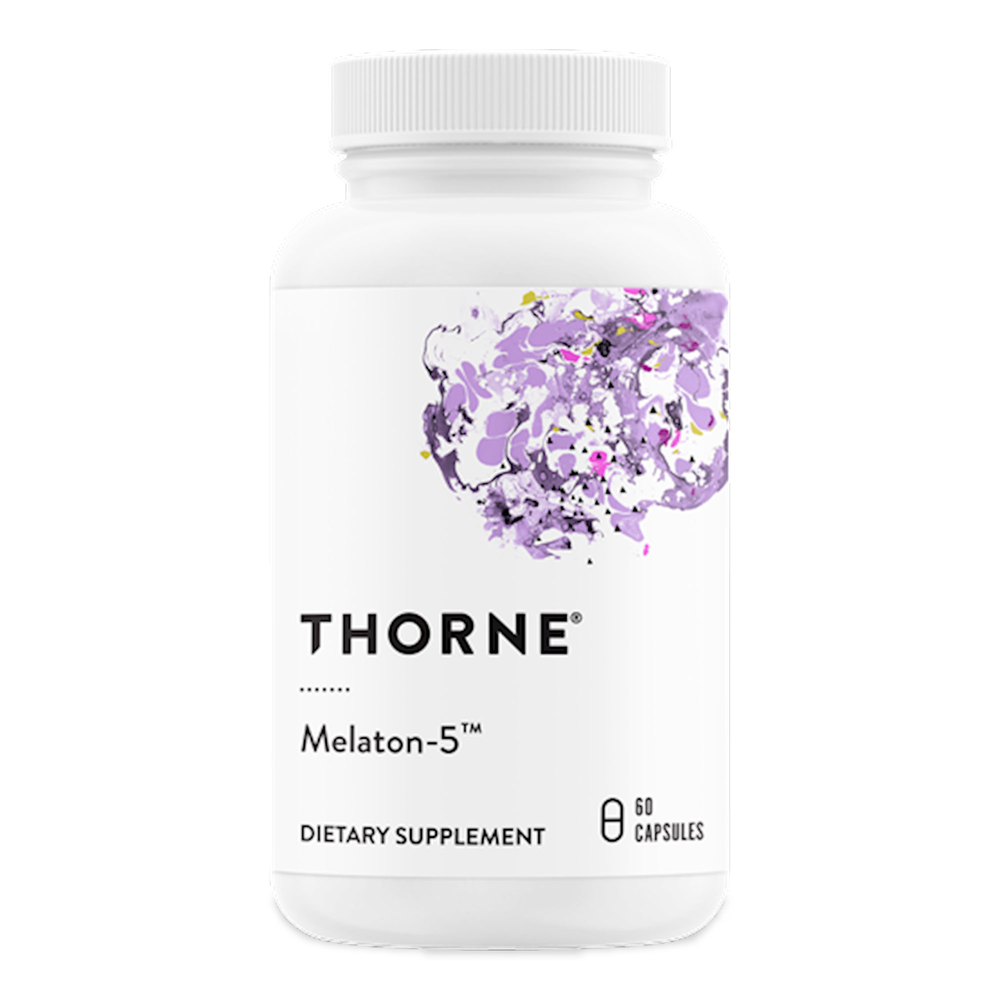
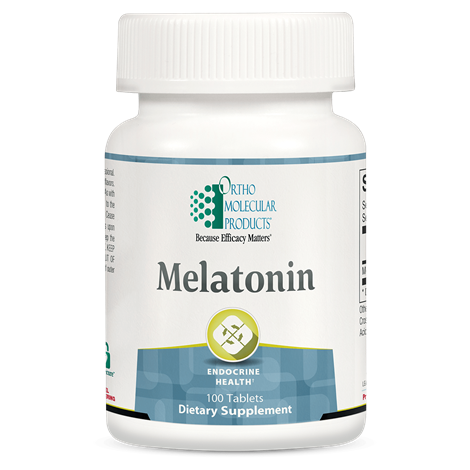
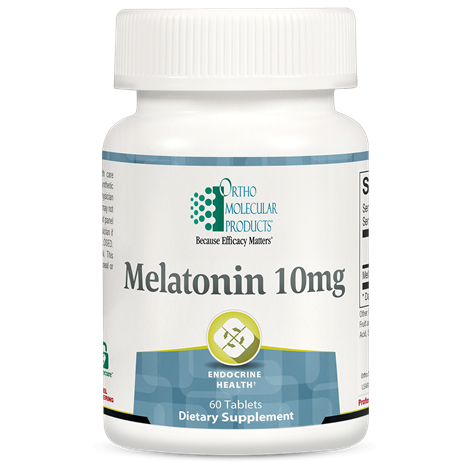
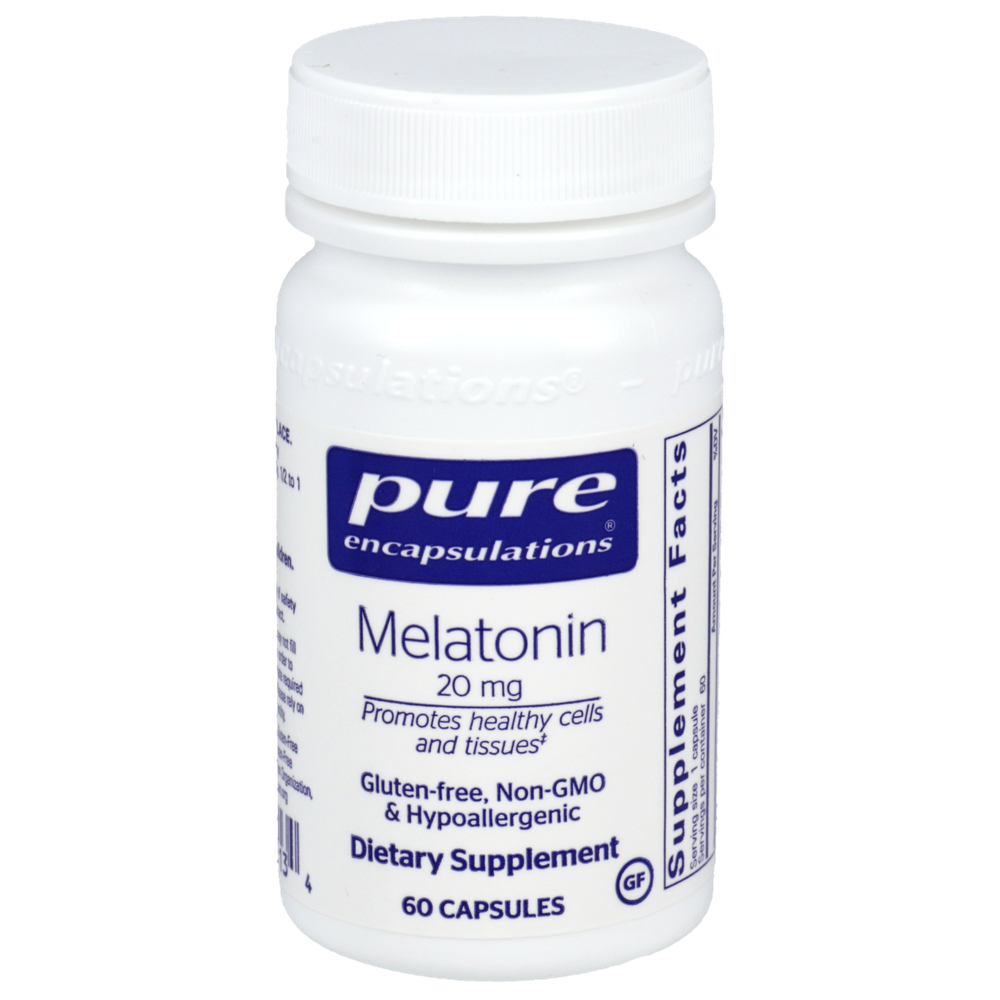
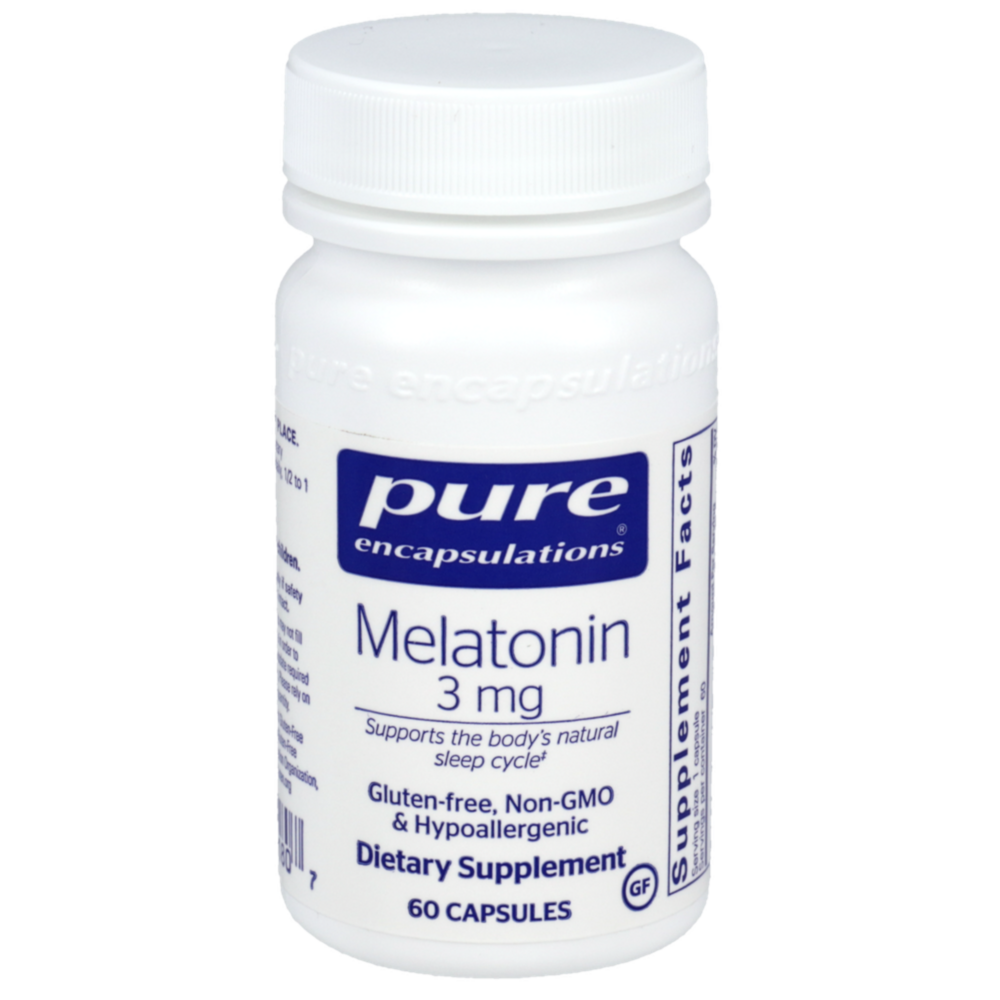
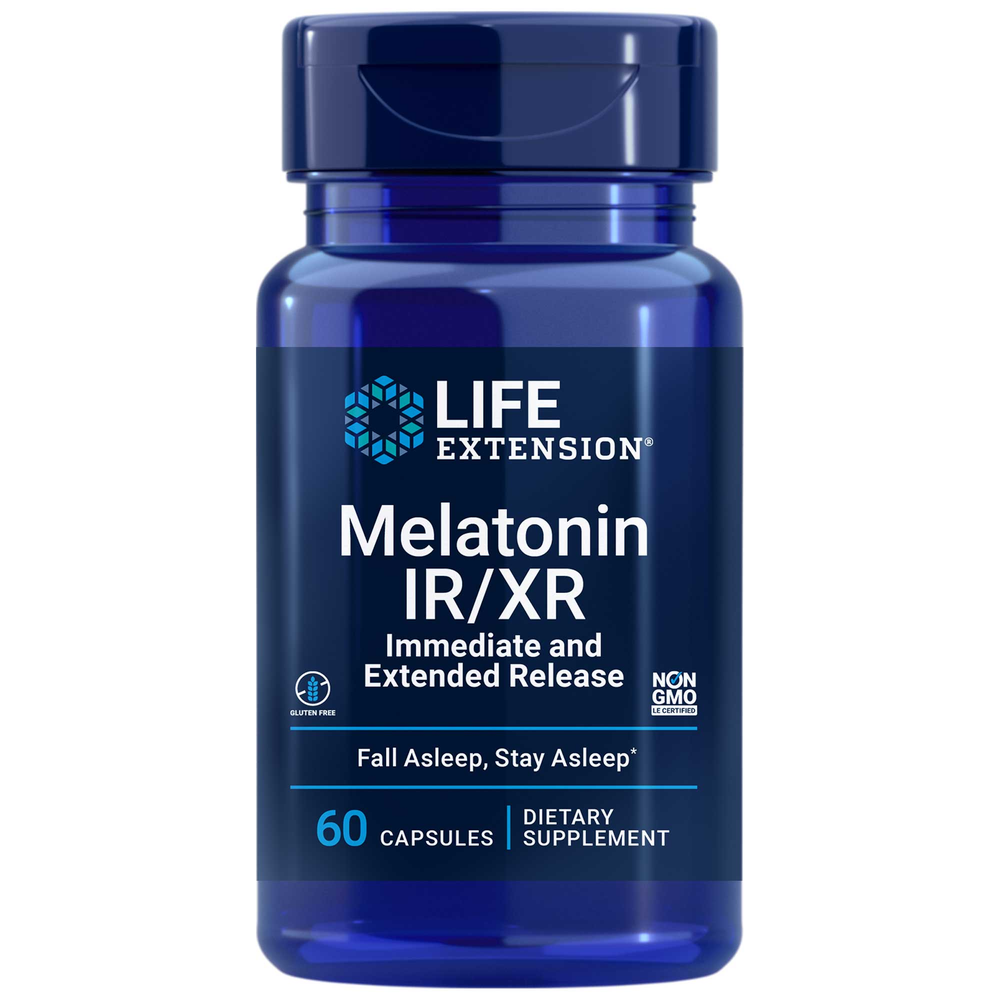
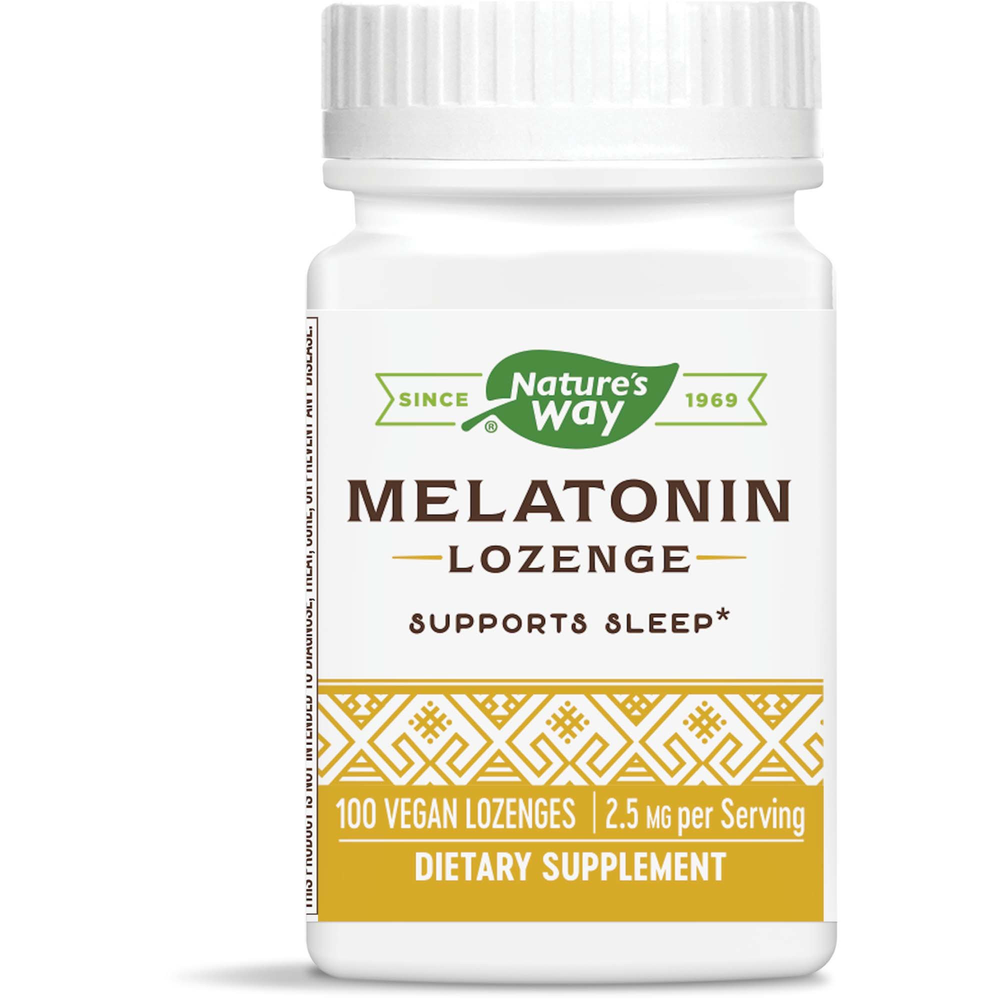
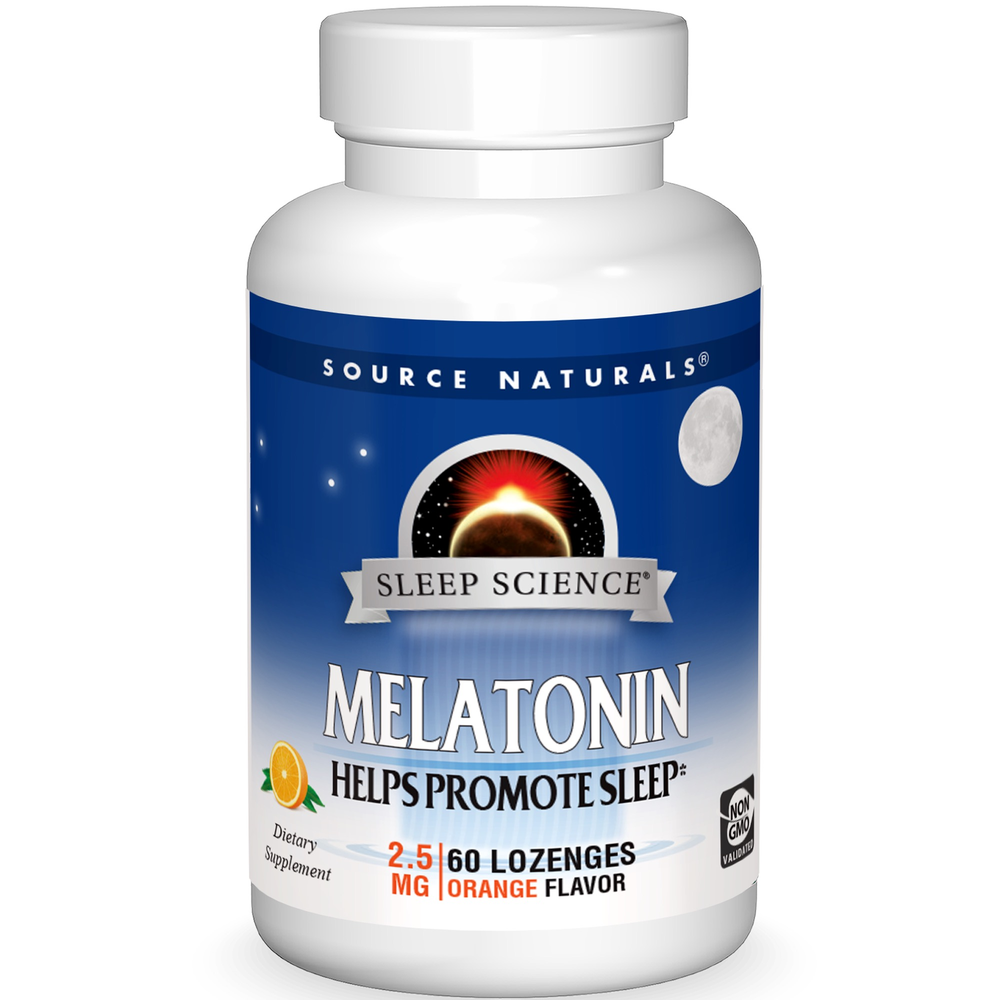
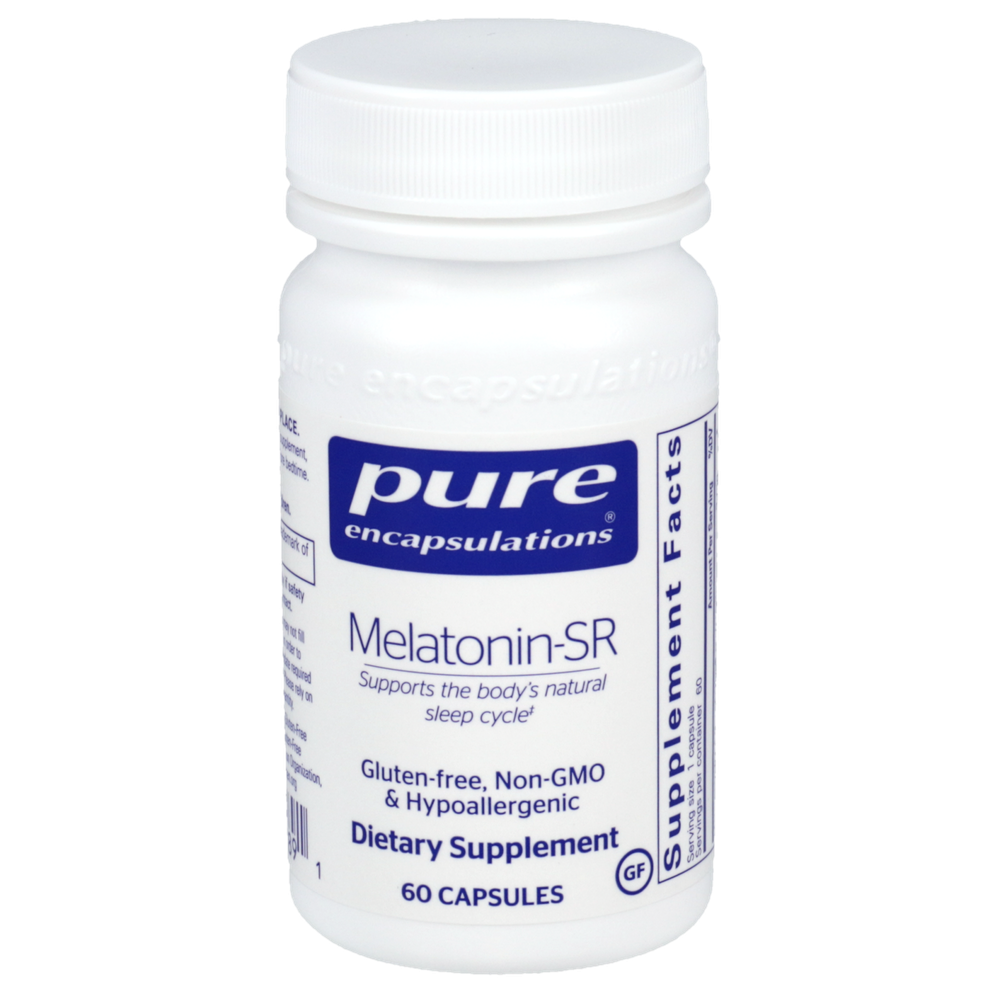
See if it's actually working
Sleep onset latency and overnight wakings are the endpoints; a melatonin level mostly answers whether the dose you are taking is far higher than it needs to be.
Melatonin FAQs
How much melatonin should I take?
Less than you think. 0.3–1 mg, 30–60 minutes before bed, matches what the body normally produces and is often more effective than higher doses. Doses above 5 mg can cause grogginess and disrupt the natural rhythm.
Is melatonin safe to take every night?
Short-term use is well-tolerated. Long-term safety data is reassuring at low doses but limited at higher doses. For chronic insomnia, address underlying causes (light exposure, stress, sleep apnea) rather than relying on melatonin indefinitely.
When is melatonin most useful?
Jet lag, shift work, delayed sleep phase syndrome, and difficulty falling asleep due to circadian misalignment. It's less effective for sleep maintenance issues than sleep onset.
Why is less melatonin often better?
Endogenous nighttime melatonin levels are roughly 10–80 pg/mL. Even 0.3 mg supplemental melatonin pushes levels well above natural range; 5–10 mg pushes levels 50–100x above natural. Higher doses don't enhance sleep but increase risk of grogginess, vivid dreams, and receptor desensitization.
Does melatonin help with jet lag?
Yes, this is one of its best uses. Take 0.5–3 mg at bedtime in the new time zone for 3–5 nights. Eastward travel benefits more than westward. Combine with morning light exposure in the destination for fastest adjustment.
Can children take melatonin?
Short-term use under pediatrician guidance is generally considered safe at low doses (0.5–1 mg) for sleep onset issues, especially in autism or ADHD. Avoid high-dose gummies — many contain 5–10 mg and have been involved in pediatric ER visits. Establishing sleep routines is preferred.
Will melatonin help me sleep deeper or longer?
Mostly it helps you fall asleep, not stay asleep. Sustained-release or extended-release forms can support sleep maintenance. For middle-of-the-night waking, address light exposure, alcohol, blood sugar, and stress before adding more melatonin.
Does melatonin have side effects?
Most common: morning grogginess, vivid dreams, headaches, and mild GI upset. Higher doses or chronic use may suppress endogenous production temporarily, though it's generally reversible. Avoid driving for 4–5 hours after taking it.
Is melatonin safe during pregnancy?
Routine supplementation isn't recommended in pregnancy due to limited safety data and potential effects on fetal melatonin signaling. Pregnancy-related insomnia is better managed with sleep hygiene, magnesium, and clinician-approved options.