 Instalab
Metabolic Support
Metabolic support formulas combine berberine, chromium, ALA, and CoQ10 to support insulin sensitivity and energy.
Our vetting standard
Every metabolic support formula here clears the same bar.
- Clinically studied, effective doses
- Bioavailable, well-absorbed forms
- Practitioner-grade, trusted brands
- Third-party tested for identity and potency
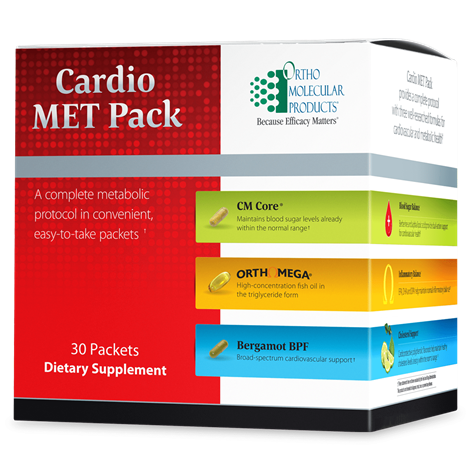
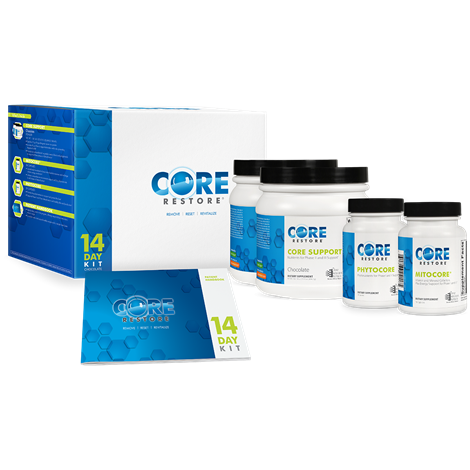
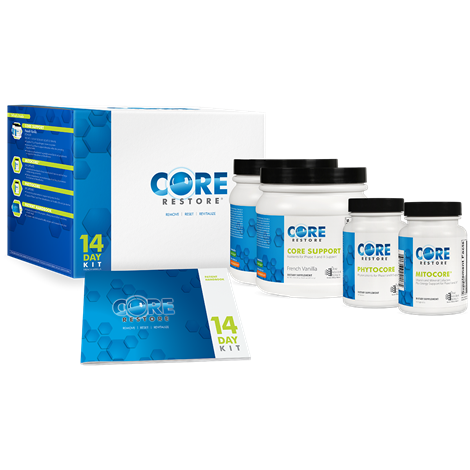
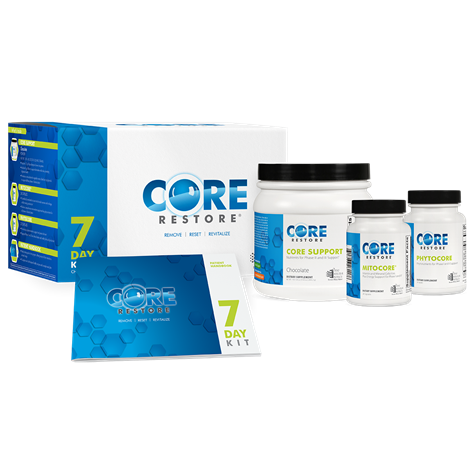
See if it's actually working
The triglyceride-glucose index and HOMA-IR are the earliest movers, and a falling ALT is the sign that liver fat is coming down with them.
Metabolic Support FAQs
What does metabolic support address?
Insulin sensitivity, glucose control, lipid balance, and mitochondrial energy. Common ingredients include berberine, chromium, alpha lipoic acid, CoQ10, magnesium, and inositol — each addressing a different lever in metabolic health.
Who benefits from metabolic support?
People with prediabetes, insulin resistance, PCOS, metabolic syndrome, or working on weight loss. Always pair with diet, exercise, and clinician oversight if you take diabetes medications, since some ingredients can lower blood sugar additively.
What labs help track progress?
Fasting insulin, HbA1c, fasting glucose, HOMA-IR, fasting triglycerides, and waist circumference. A continuous glucose monitor can show daily patterns. Recheck every 3 months while supplementing.
Will metabolic support help me lose weight?
Indirectly. Better insulin sensitivity and blood sugar stability reduce hunger swings and cravings, supporting easier weight loss. Direct fat-loss effects from these ingredients are modest (1–4 lb beyond placebo over 12 weeks). They work best alongside dietary changes.
How is this different from a diabetes medication?
These supplements address overlapping pathways but with smaller, gentler effects than metformin or GLP-1 medications. They're more useful for prediabetes, insulin resistance, or PCOS than for established type 2 diabetes. They can be used adjunctively with provider input.
How long until I see results?
Glucose readings often improve within 4 weeks. HbA1c (a 90-day average) takes at least 3 months to show change. Waist circumference and lipids shift over 3–6 months. Plan to commit for at least a quarter before evaluating.
Berberine vs. metformin — which is better?
Several head-to-head trials show comparable effects on fasting glucose and HbA1c. Berberine works through similar AMPK pathways. Metformin has stronger long-term data; berberine is over-the-counter. Many functional clinicians use berberine for prediabetes; metformin for diabetes.
Can I take this with diabetes medications?
Yes, with caution and provider supervision. The ingredients can additively lower blood sugar, which is helpful but requires monitoring to avoid hypoglycemia. If you take insulin or sulfonylureas, your dose may need adjustment.
What lifestyle changes help most?
Strength training (2–3x/week), zone 2 cardio, and reducing refined carbs/seed oils have larger effects than any supplement. Quality sleep and stress management directly affect insulin sensitivity. Use supplements to amplify lifestyle work, not replace it.
Are these formulas safe during pregnancy?
Most are not. Berberine, chromium picolinate at higher doses, and many herbal blends are contraindicated. For gestational diabetes, work with your OB on validated approaches (typically diet, monitoring, and insulin if needed). Don't self-treat metabolic concerns during pregnancy.