 Instalab
Methylation Support
Methylation support delivers methylfolate, methyl-B12, and TMG for DNA, neurotransmitter, and detox pathways.
Our vetting standard
Every methylation support formula here clears the same bar.
- Clinically studied, effective doses
- Bioavailable, well-absorbed forms
- Practitioner-grade, trusted brands
- Third-party tested for identity and potency
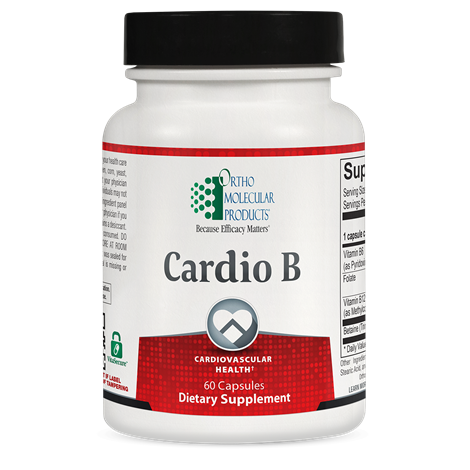
See if it's actually working
Homocysteine is the functional readout and should fall; methylmalonic acid distinguishes a genuine B12 deficit from a folate one when it will not budge.
Methylation Support FAQs
What is methylation?
Methylation is a fundamental biochemical process where methyl groups are added to DNA, proteins, and metabolites. It affects neurotransmitter production, hormone clearance, detoxification, and gene expression. Adequate folate, B12, B6, and choline are required.
Do I need methylation support if I have an MTHFR variant?
MTHFR variants (especially C677T) reduce conversion of folic acid to active folate. People with these variants may benefit from methylfolate (5-MTHF) directly. Most people don't need to test MTHFR — using methylated forms is reasonable regardless.
Can methylation supplements cause side effects?
Yes. Some people are highly sensitive to methylated B vitamins and experience anxiety, irritability, or insomnia, especially at high doses. Start low (200–400 mcg methylfolate) and increase slowly. Niacin can buffer over-methylation symptoms.
What labs assess methylation?
Homocysteine is the most useful single marker — high levels (above 9 µmol/L) suggest methylation issues. B12, folate, and MMA (methylmalonic acid) round out the picture. MTHFR genetic testing is helpful but not essential for most people.
Methylfolate vs. folic acid — what's the difference?
Folic acid is synthetic and requires conversion to active 5-MTHF (methylfolate). People with MTHFR variants convert poorly. Methylfolate is the active form, ready for use. It's the better choice for methylation support and increasingly preferred in prenatals.
Why include TMG (betaine) in methylation formulas?
TMG (trimethylglycine) provides methyl groups via an alternate pathway, reducing the burden on folate-dependent methylation. It's especially helpful for people with high homocysteine who don't respond fully to B vitamins alone. Typical doses are 500–3,000 mg/day.
Will methylation support help mood and energy?
It can, especially in people with elevated homocysteine, low B12/folate, or MTHFR variants. Effects on energy, focus, and mood typically appear within 2–6 weeks. Methylation supports neurotransmitter synthesis (dopamine, serotonin, norepinephrine).
What foods support methylation?
Leafy greens (folate), eggs (choline), beef liver (B12, folate, choline), salmon (B12, selenium), beets (betaine), and seeds. A varied omnivorous or pescatarian diet provides the building blocks. Excess alcohol depletes methyl donors.
What is over-methylation?
Some people, especially those with COMT slow variants, are sensitive to methyl donors and develop anxiety, irritability, racing thoughts, or insomnia from high doses. Start low, use hydroxocobalamin (not methyl-B12) if sensitive, and consider niacin (50–100 mg) to buffer.
Is methylation support safe during pregnancy?
Methylfolate and methyl-B12 at prenatal doses are well-studied and recommended, especially for women with MTHFR variants. Higher-dose comprehensive methylation formulas should be reviewed with your OB. Folate is essential; don't skip it.