 Instalab
NAC
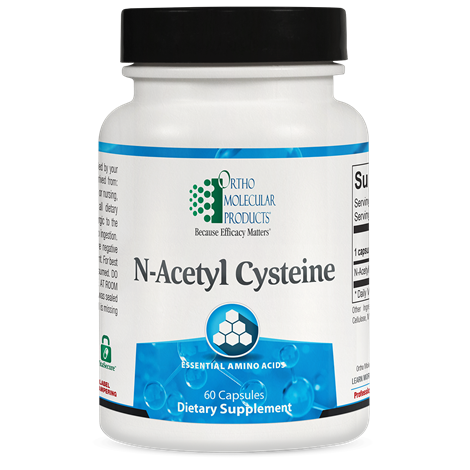
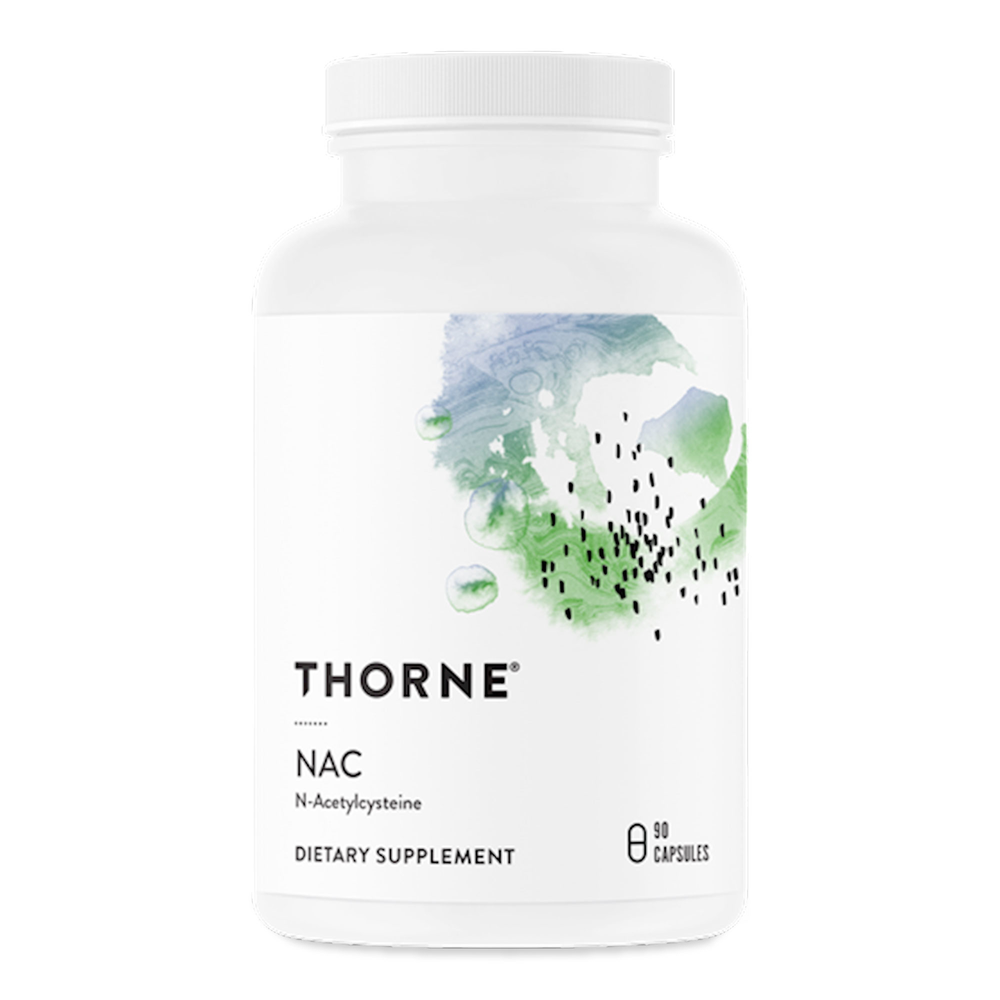
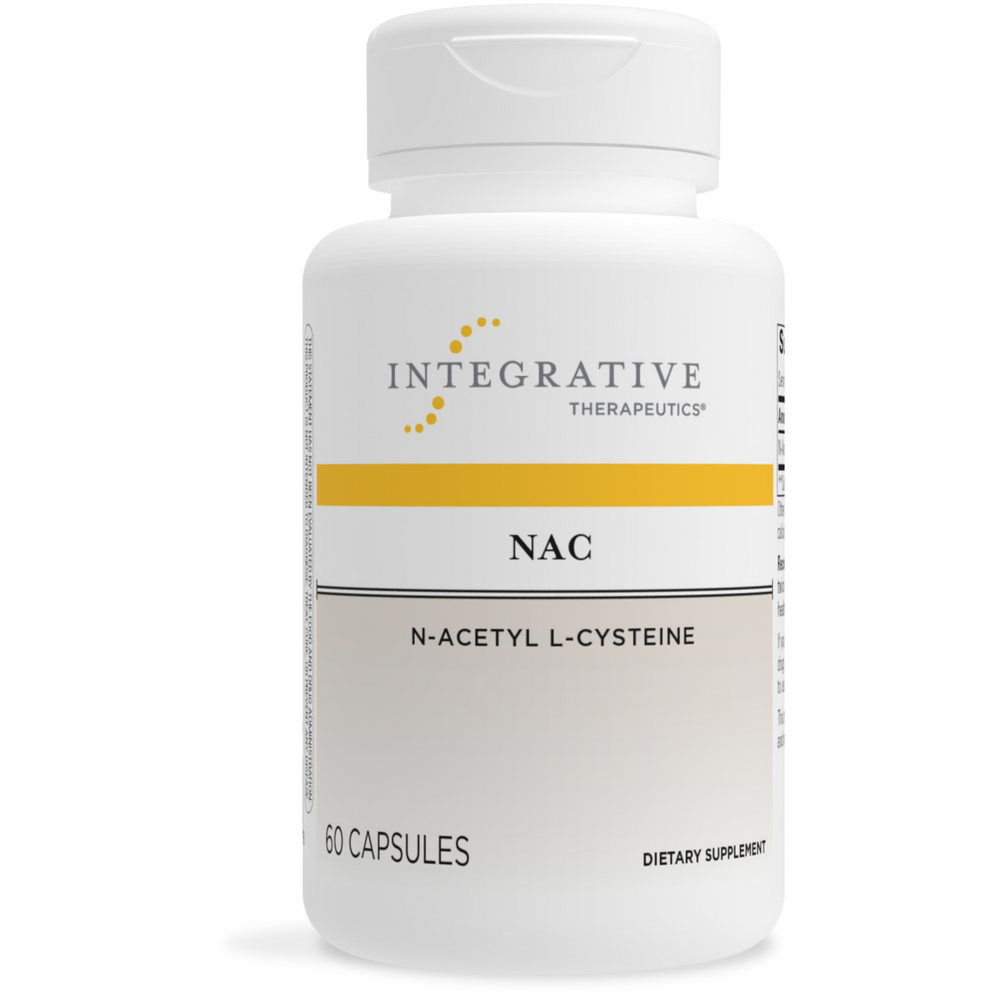
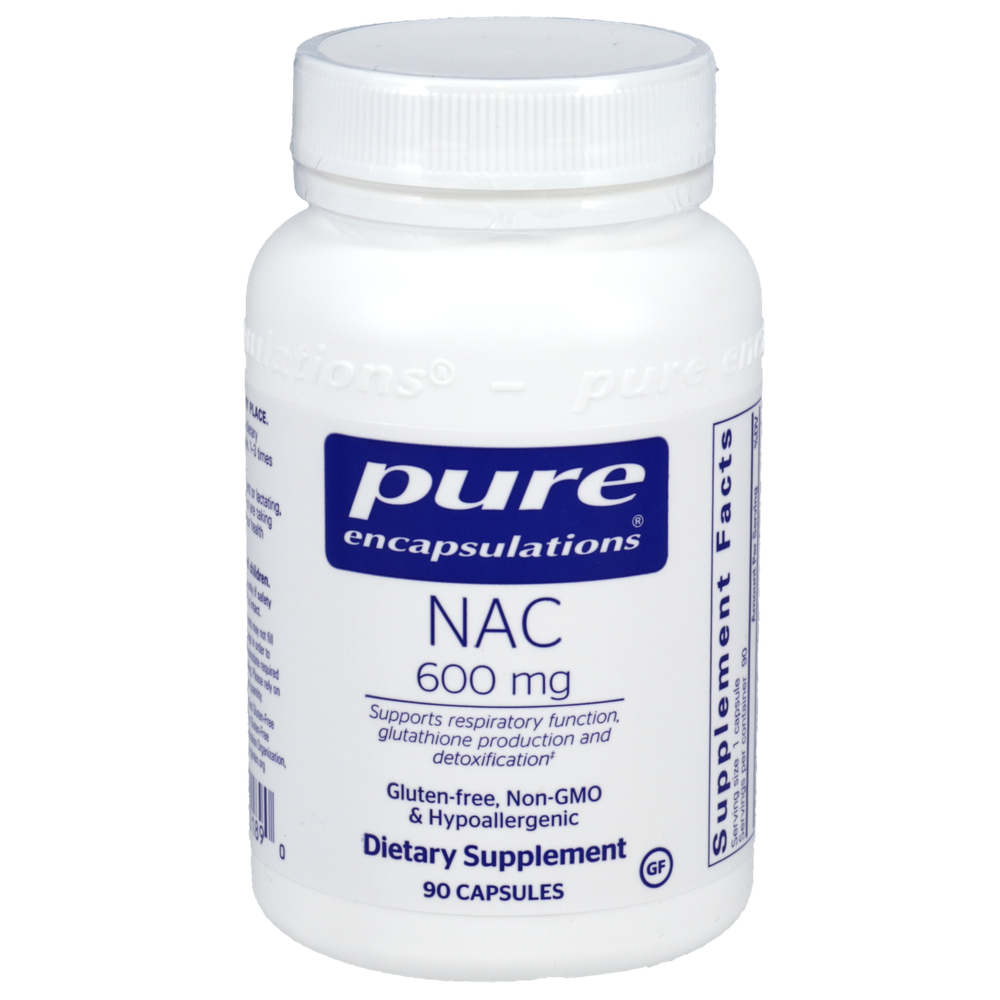
N-acetylcysteine (NAC) is a glutathione precursor for liver, lung, and antioxidant support.
Our vetting standard
Every nac formula here clears the same bar.
- Clinically studied, effective doses
- Bioavailable, well-absorbed forms
- Practitioner-grade, trusted brands
- Third-party tested for identity and potency
See if it's actually working
NAC is the cysteine donor for glutathione, so rising glutathione with a falling GGT is the pair that shows it working.
NAC FAQs
What does NAC do?
NAC is a precursor to glutathione, the body's master antioxidant. It's used for liver protection, respiratory health (it thins mucus), psychiatric conditions (OCD, addiction, mood), and PCOS. Hospitals use it intravenously for acetaminophen overdose.
How much NAC should I take?
600–1,200 mg/day for general antioxidant and respiratory support, up to 2,400 mg/day for psychiatric or PCOS uses. Take on an empty stomach for best absorption. It has a sulfurous smell that doesn't affect efficacy.
Are there side effects to NAC?
Generally well-tolerated. Some people experience nausea, GI upset, or headaches. Avoid combining with nitroglycerin or other vasodilators without medical supervision. Long-term high-dose use is studied as safe in clinical trials.
NAC vs. glutathione — which should I take?
NAC is a glutathione precursor: take NAC, the body builds glutathione where it's needed. Direct oral glutathione has variable absorption (liposomal forms work best). NAC is cheaper, better-studied, and broadly effective. Direct glutathione is useful for targeted situations.
Will NAC help with respiratory health?
Yes — it's used clinically for chronic bronchitis, COPD, and post-viral mucus. NAC thins mucus and reduces oxidative stress in lung tissue. Trials show fewer exacerbations and better lung function with 600–1,200 mg/day. It was widely studied during COVID for the same reason.
Does NAC help with PCOS?
Yes. Multiple trials show NAC (1.6–3 g/day) improves insulin sensitivity, ovulation, and androgen levels in women with PCOS, with effects comparable to metformin in some studies. It also supports egg quality during fertility treatment.
Can NAC support mental health?
Some evidence. Trials show benefit for OCD, trichotillomania, skin picking, and as an adjunct for bipolar depression at 1,200–2,400 mg/day over 8–12 weeks. It works through glutamate modulation. It's not a primary treatment but a useful adjunct.
When should I take NAC?
On an empty stomach for best absorption (60 min before or 2 hours after meals). Splitting the dose (morning and afternoon) is common. Avoid late evening doses if you experience sleep disturbance. Effects on mucus and liver markers are dose-dependent.
Are there foods rich in cysteine?
Cysteine, the amino acid NAC delivers, is found in eggs (especially yolks), meat, poultry, dairy, garlic, onions, broccoli, and Brussels sprouts. Whey protein is particularly rich in cysteine. Most people get adequate dietary cysteine but may benefit from extra during illness or stress.
Is NAC safe during pregnancy?
Yes — NAC has been used in pregnancy for various indications (recurrent miscarriage, preeclampsia prevention, preterm birth) at clinician-supervised doses. For self-administered use, talk to your OB. It's also used IV for hepatic emergencies in pregnant women.