 Instalab
NAD
NAD precursors (NMN, NR) support cellular energy and longevity pathways.
Our vetting standard
Every nad formula here clears the same bar.
- Clinically studied, effective doses
- Bioavailable, well-absorbed forms
- Practitioner-grade, trusted brands
- Third-party tested for identity and potency
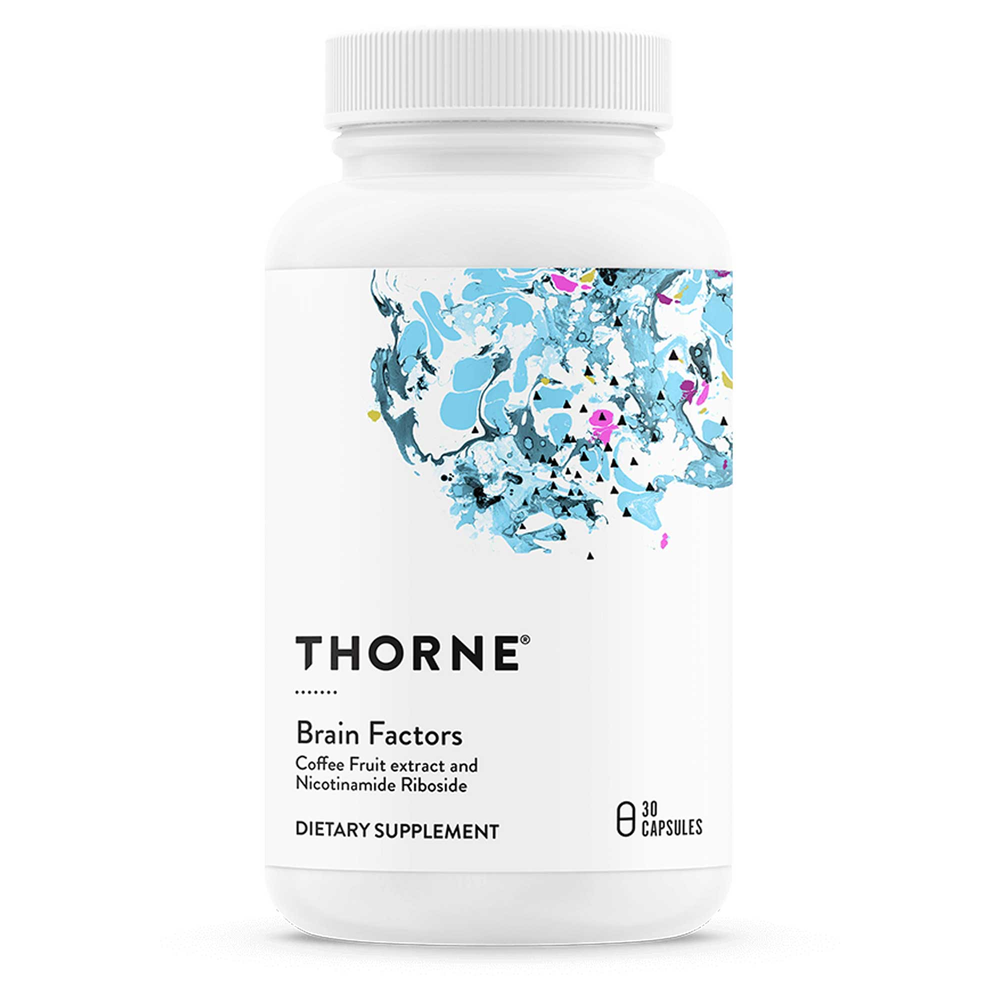
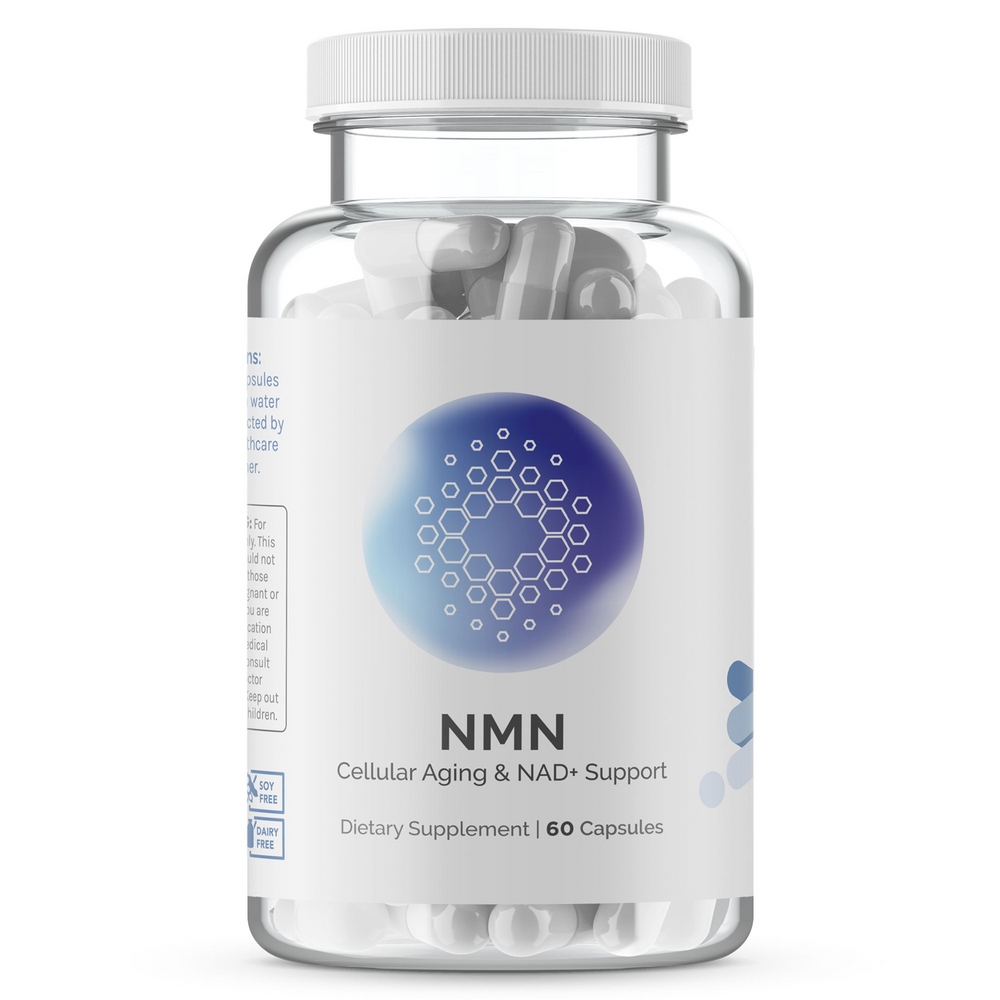
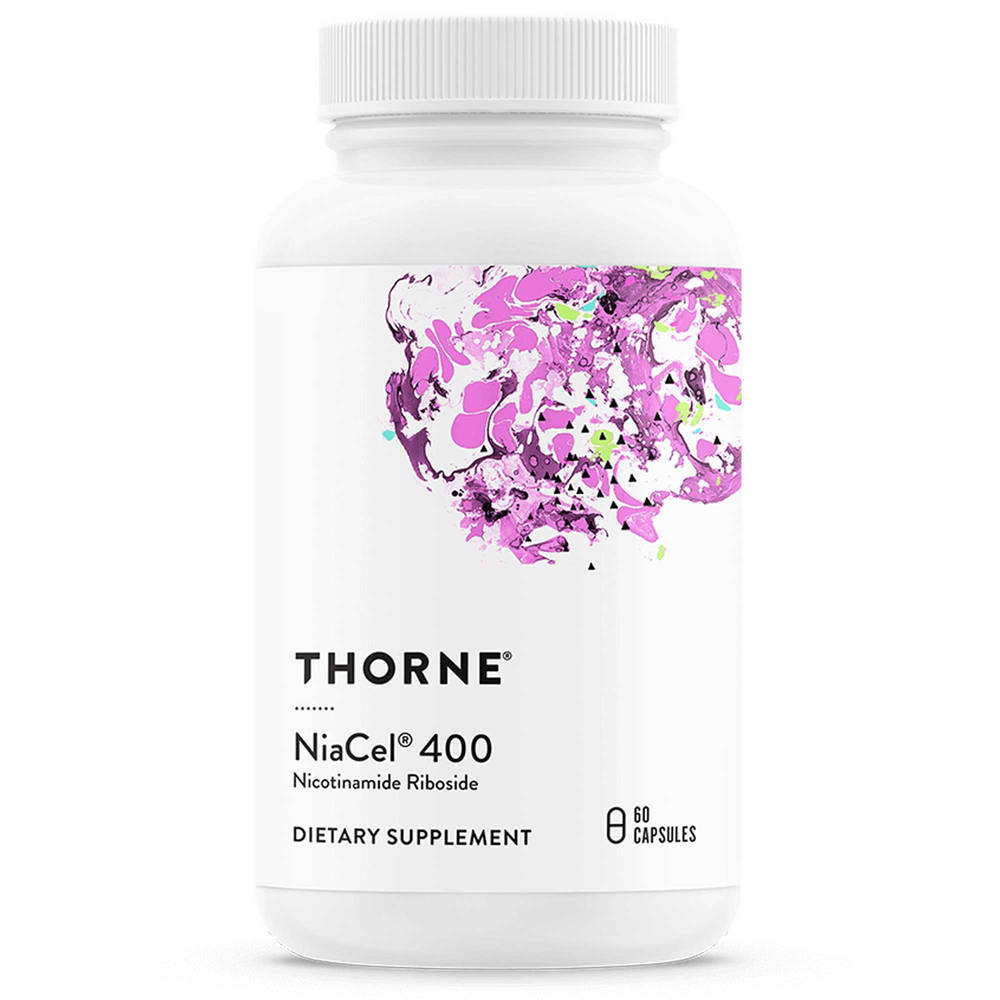
See if it's actually working
NAD precursors reliably raise whole-blood NAD, so this confirms absorption and little else - no clinical outcome has been tied to the level, which makes how you feel the only endpoint that decides it.
NAD FAQs
What does NAD+ do?
NAD+ is a coenzyme central to energy production, DNA repair, and sirtuin activity (a longevity-related pathway). Levels decline with age. Supplementing precursors (NMN or NR) raises NAD+ in tissues, with potential benefits for energy, muscle function, and cellular repair.
NMN or NR — which is better?
Both raise NAD+ effectively in clinical trials. NR (nicotinamide riboside, brand: Niagen) has more human trial data. NMN (nicotinamide mononucleotide) is one step closer to NAD+ in the pathway. Most people choose based on price and tolerability.
How much NMN or NR should I take?
250–500 mg/day for NMN, 300–500 mg/day for NR. Higher doses (up to 1 g) are used in research but evidence for added benefit is limited. Take in the morning with or without food.
Will NAD precursors actually slow aging?
Animal studies are encouraging — extended healthspan, improved muscle and metabolic markers. Human trials show modest improvements in muscle function, blood pressure, and cardiovascular markers. Whether they extend human lifespan is unproven and likely won't be known for decades.
What's the difference between NMN and IV NAD?
Oral NMN/NR raises tissue NAD+ gradually over weeks. IV NAD+ delivers a large bolus directly to circulation. IV protocols (typically 500–1,500 mg per session) are popular but expensive and uncomfortable. For ongoing maintenance, daily oral precursors are more practical.
What lifestyle factors raise NAD+ naturally?
Exercise (especially HIIT and zone 2), caloric restriction, intermittent fasting, sun exposure, and tryptophan-rich foods (turkey, eggs). Excess alcohol, ultra-processed foods, and chronic inflammation deplete NAD+. Lifestyle does most of the work — supplements amplify it.
Is FDA action on NMN something I should worry about?
In 2022 the FDA reclassified NMN, restricting its sale as a dietary supplement. NR remains a legal supplement. Many NMN products are still available but the regulatory landscape is uncertain. NR is a safer choice if regulatory clarity matters to you.
Are NAD precursors safe for cancer survivors?
Theoretical concern. NAD+ supports cell proliferation and some cancers may use NAD+ pathways. Evidence in survivors is limited. People with active cancer or recent history should consult oncology before supplementing. For most healthy adults, current evidence is reassuring.