 Instalab
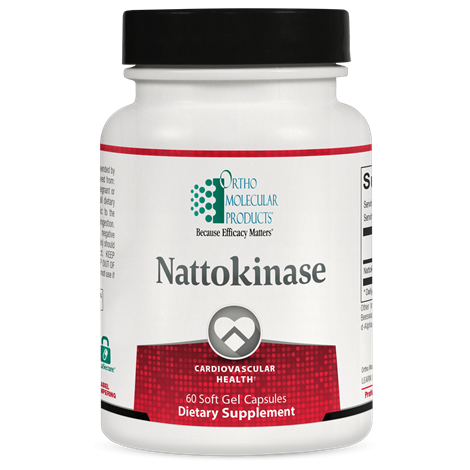
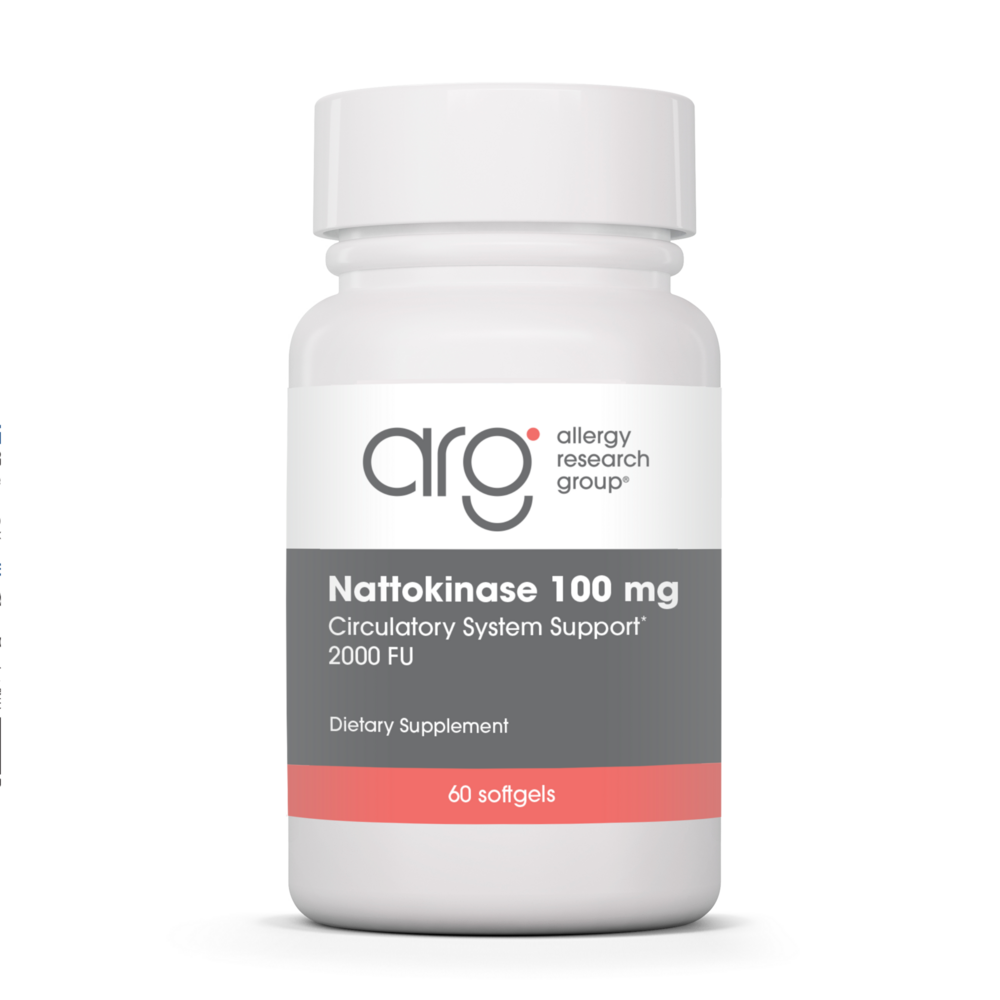
Nattokinase
Nattokinase is a fibrinolytic enzyme that supports healthy blood flow and clot balance.
Our vetting standard
Every nattokinase formula here clears the same bar.
- Clinically studied, effective doses
- Bioavailable, well-absorbed forms
- Practitioner-grade, trusted brands
- Third-party tested for identity and potency
See if it's actually working
Fibrinogen and D-dimer trending down is the fibrinolytic signal; the platelet count is on the draw because nattokinase adds real bleeding risk with anticoagulants.
Nattokinase FAQs
What does nattokinase do?
Nattokinase is an enzyme derived from fermented soybeans (natto) that breaks down fibrin, the protein in blood clots. It's used to support healthy blood flow, blood pressure, and circulation, particularly in people with cardiovascular concerns or hypercoagulability.
How much nattokinase should I take?
2,000 FU (fibrinolytic units) per day, taken on an empty stomach. The label should list FU activity, not just milligrams, since potency varies between brands.
Does nattokinase lower blood pressure?
Modestly. Trials show 2,000 FU daily reduced systolic BP by 5–8 mmHg over 8 weeks in people with prehypertension. Effects are smaller than dedicated antihypertensive medications but meaningful for borderline cases. It pairs well with diet and exercise interventions.
Nattokinase vs. aspirin — which is better?
Different mechanisms. Aspirin inhibits platelet aggregation; nattokinase breaks down fibrin (the clot scaffold). Aspirin has stronger evidence for stroke and heart attack prevention but more bleeding risk. Nattokinase is gentler but less proven for prevention. Don't combine without guidance.
Will it help with varicose veins or DVT history?
Some evidence for chronic venous insufficiency and circulation. People with prior DVT often consider it long-term, but should do so under hematology guidance — recurrent DVT is serious enough that prescription anticoagulants may be necessary, and stacking with nattokinase increases bleeding risk.
Can I get nattokinase from eating natto?
Yes — a typical 50 g serving of natto provides about 1,500 FU. Daily natto consumption is associated with better cardiovascular outcomes in Japanese populations. The strong taste and texture isn't for everyone, which is why supplements exist.
How long until nattokinase works?
Blood pressure effects appear over 4–8 weeks. Effects on D-dimer and fibrinogen markers are seen within 8 weeks of daily use. For prevention or maintenance, nattokinase is taken long-term rather than as a short course.
Is nattokinase safe during pregnancy?
No — nattokinase isn't recommended during pregnancy due to potential bleeding effects and lack of safety data. If you have a clotting disorder during pregnancy, work with your OB and hematologist on validated approaches (typically heparin-based therapies).