 Instalab
Nootropics
Nootropic formulas combine choline, lion's mane, racetams, and adaptogens for focus and cognition.
Our vetting standard
Every nootropics formula here clears the same bar.
- Clinically studied, effective doses
- Bioavailable, well-absorbed forms
- Practitioner-grade, trusted brands
- Third-party tested for identity and potency
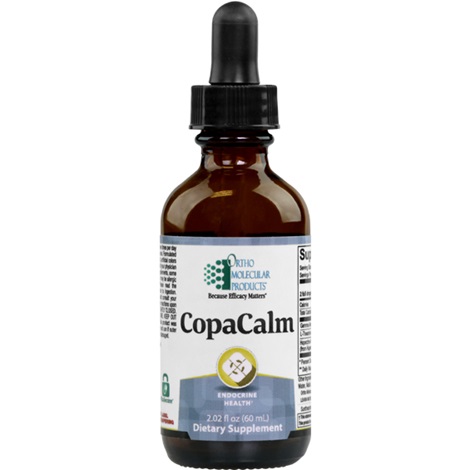
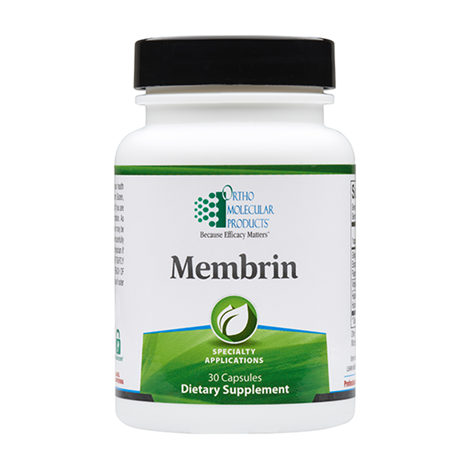
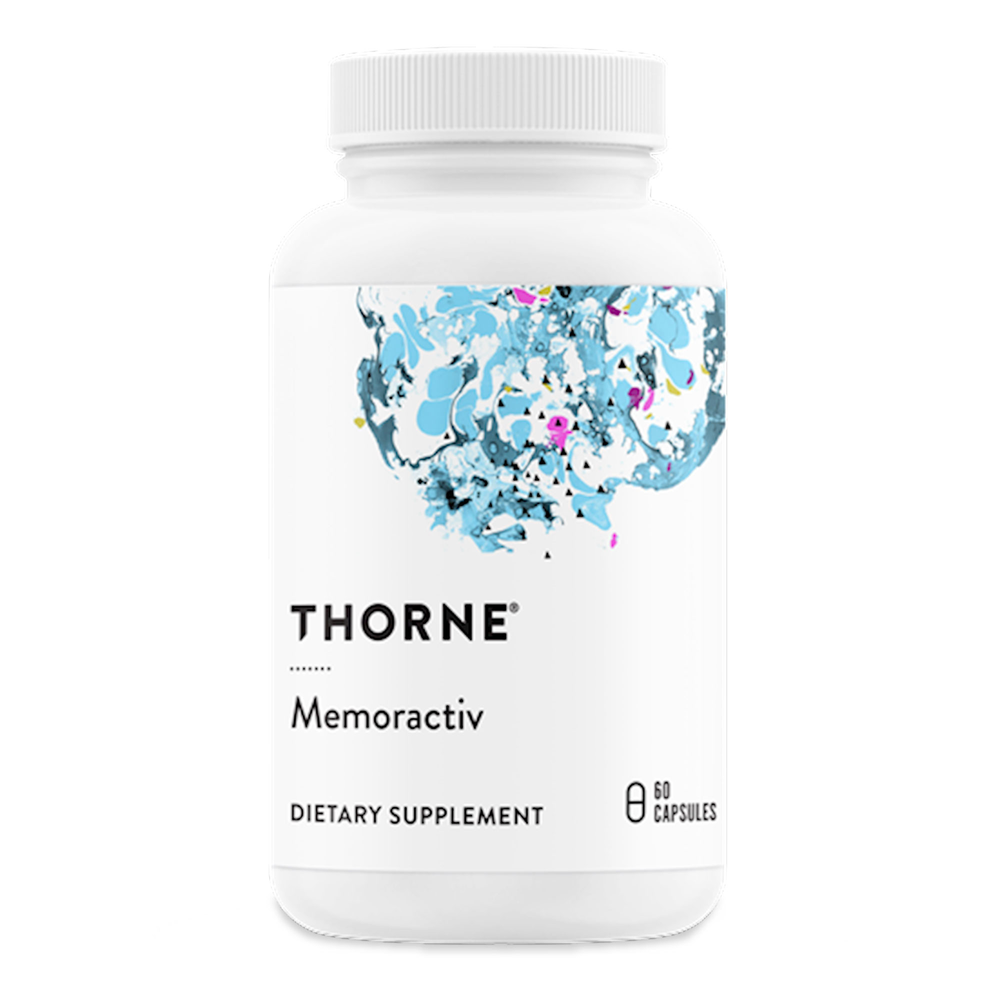
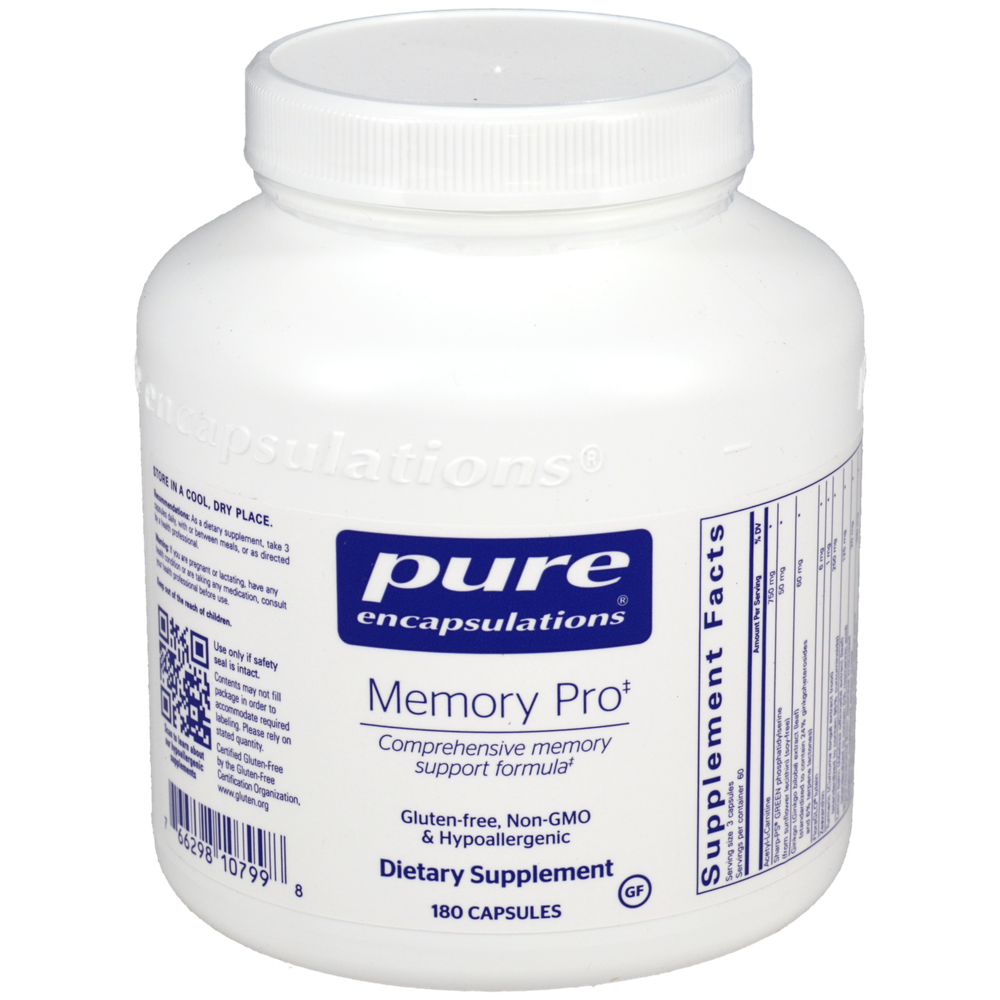
See if it's actually working
No blood marker measures cognition, so this retest exists to rule out the reversible causes of brain fog that a nootropic would otherwise be masking.
Nootropics FAQs
What are nootropics?
Nootropics are compounds that support cognitive function — focus, memory, processing speed, or mood. Common evidence-based options: caffeine + L-theanine, citicoline, alpha-GPC, lion's mane, rhodiola, bacopa, and creatine. Effects vary widely between people.
Are nootropics safe to take daily?
Most well-studied options (lion's mane, citicoline, bacopa, rhodiola) are safe for daily long-term use. Stimulants (caffeine, modafinil-like compounds) work better cycled. Always check interactions with your medications.
How long until I feel effects?
Stimulants and choline donors work within hours. Adaptogens (rhodiola, ashwagandha) take 2–4 weeks. Herbs like bacopa and lion's mane need 8–12 weeks for full cognitive benefit.
What's the most effective nootropic stack?
For acute focus: caffeine 100 mg + L-theanine 200 mg. For long-term cognition: bacopa 300 mg + lion's mane 1 g + omega-3 1 g daily. For energy and processing: rhodiola 200–400 mg in the morning. The right stack depends on your goal — pick by purpose, not popularity.
Citicoline vs. alpha-GPC — which is better?
Both raise brain choline. Alpha-GPC has slightly stronger evidence for athletic performance and acute cognition. Citicoline (CDP-choline) is studied more for memory, attention, and stroke recovery. Doses: 250–500 mg alpha-GPC or 250–500 mg citicoline daily.
Do nootropics work for ADHD?
Some can help, but they don't replace prescription stimulants for diagnosed ADHD. L-tyrosine, rhodiola, and citicoline have modest evidence. They're often used as adjuncts to medication or by people with subclinical attention issues. Talk to your provider before stacking with stimulants.
Are racetams (piracetam, aniracetam) safe?
Racetams are well-studied internationally but unregulated in the US (sold as research compounds rather than supplements). Generally safe at standard doses but quality varies wildly. Most people get equivalent benefit from regulated nootropics like citicoline and bacopa.
Will nootropics help with brain fog?
Often yes, if the cause is lifestyle-based. Brain fog from poor sleep, stress, or low B12 responds to citicoline, B vitamins, omega-3s, and rhodiola. Brain fog from medication, perimenopause, autoimmune conditions, or post-viral states usually needs root-cause work first.
Are nootropics safe during pregnancy?
Most are not well-studied. Caffeine in moderation, omega-3s, choline, and B vitamins are pregnancy-safe (and choline is essential for fetal brain development). Adaptogens, racetams, and most cognitive-enhancing herbs should be avoided without provider input.