 Instalab
Phosphatidylserine
Phosphatidylserine (PS) supports memory, cortisol balance, and cognitive aging.
Our vetting standard
Every phosphatidylserine formula here clears the same bar.
- Clinically studied, effective doses
- Bioavailable, well-absorbed forms
- Practitioner-grade, trusted brands
- Third-party tested for identity and potency
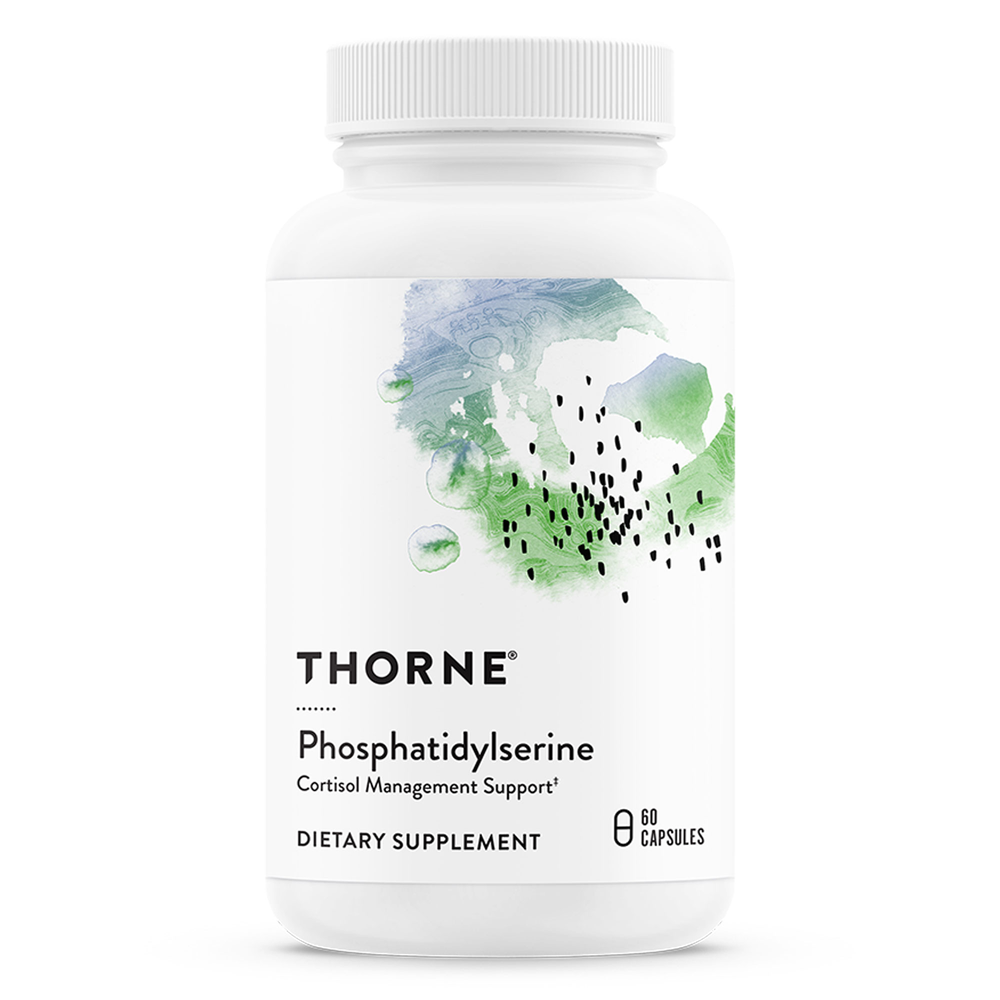
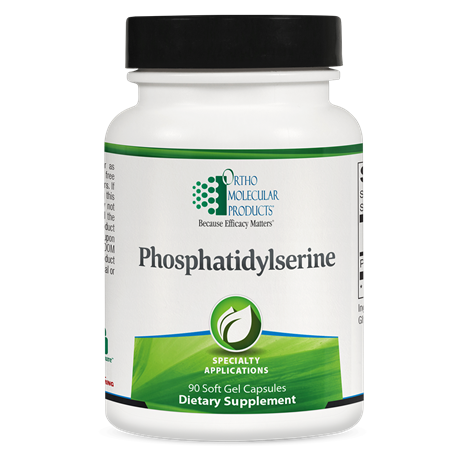
See if it's actually working
Phosphatidylserine blunts the cortisol response to stress and exercise, so a lower morning cortisol with better recovery is the pattern to look for.
Phosphatidylserine FAQs
What does phosphatidylserine do?
PS is a phospholipid concentrated in brain cell membranes. It supports memory, attention, and cognitive function, especially in older adults. It also blunts exercise-induced cortisol spikes and supports recovery from intense training or chronic stress.
How much PS should I take?
100 mg three times daily (300 mg total) for cognitive support, or 600–800 mg pre-workout for cortisol blunting. Effects on memory and cognition typically appear within 6–12 weeks.
Should I look for soy or sunflower-derived PS?
Both work. Sunflower-derived PS is preferred for soy-allergic individuals or those avoiding soy. Most clinical research uses soy-derived PS, but sunflower forms have similar bioavailability.
Will PS help with age-related memory decline?
Some evidence. Trials in adults with mild cognitive impairment show improvements in memory and attention with 300 mg/day for 12 weeks. Effects in healthy adults are subtler. PS is part of broader cognitive aging protocols alongside omega-3s, B vitamins, and exercise.
Does PS lower cortisol?
Yes, especially in stressful contexts. 600–800 mg taken before intense exercise or stressful events blunts cortisol spikes by 20–30%. For chronic stress, daily 300 mg may modestly lower baseline cortisol over 4–6 weeks. It's used by athletes for overtraining recovery.
Will PS help with ADHD?
Some studies show modest improvements in attention and impulse control in children with ADHD using 200 mg/day combined with omega-3s. Effects are smaller than stimulant medications but worth considering as an adjunct, especially for those wanting non-prescription options.
When should I take PS?
For cognitive support: split doses with meals. For cortisol blunting around workouts: 30–60 minutes before training. For sleep and stress: in the evening. PS is fat-soluble, so taking with a meal containing fat improves absorption.
Are there food sources of PS?
Egg yolks, beef, organ meats, and herring are highest. Total dietary PS is typically 75–185 mg/day in omnivorous diets, well below therapeutic supplementation doses (300 mg+). Vegetarians get less unless they consume soy or fortified foods.
Is PS safe during pregnancy?
Limited data. PS isn't well-studied in pregnancy and most clinicians advise against supplementation during this period. Phospholipid intake from a nutrient-dense diet (eggs, fish, lean meats) supports fetal brain development naturally.