 Instalab
Post-Workout Recovery
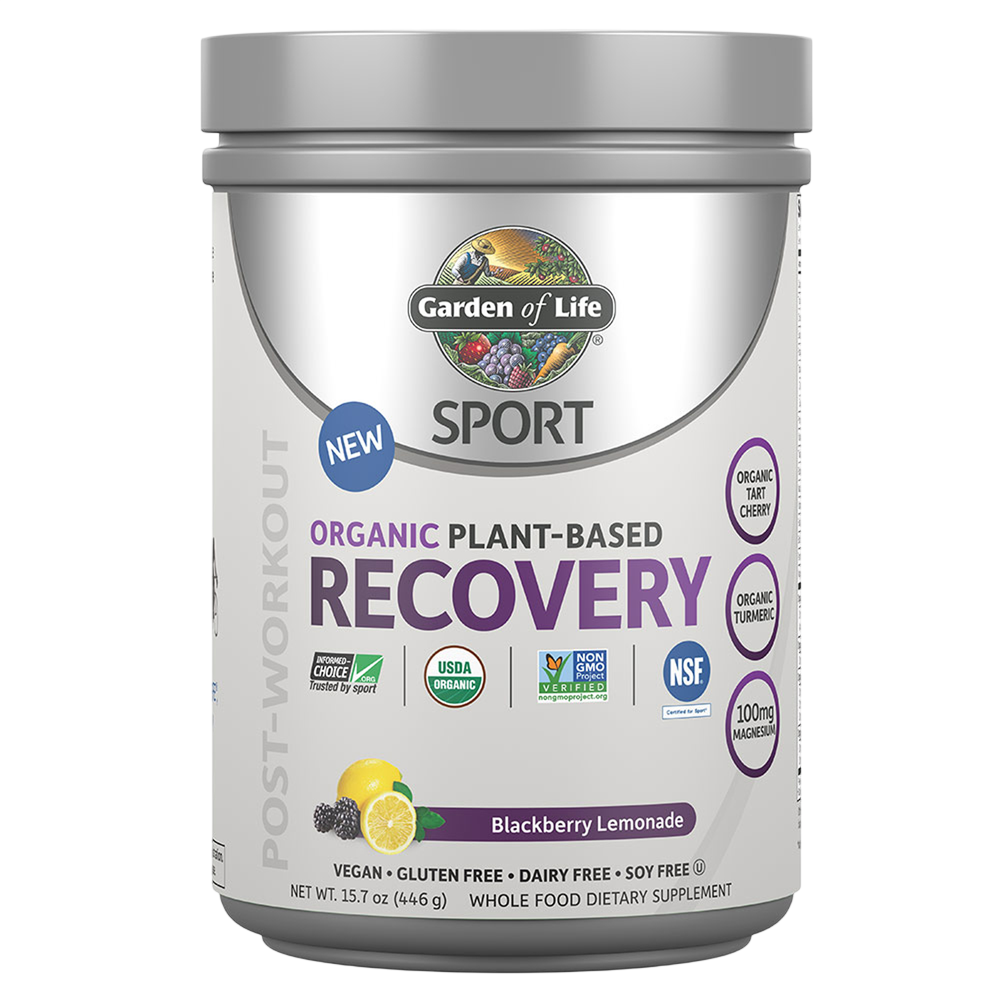
Post-workout recovery formulas combine protein, electrolytes, glutamine, and tart cherry.
Our vetting standard
Every post-workout recovery formula here clears the same bar.
- Clinically studied, effective doses
- Bioavailable, well-absorbed forms
- Practitioner-grade, trusted brands
- Third-party tested for identity and potency
See if it's actually working
A lower resting creatine kinase between hard sessions is the objective sign that recovery improved; draw it at least 48 hours after training or it measures the workout.
Post-Workout Recovery FAQs
What's in a post-workout recovery formula?
Protein or EAAs for muscle protein synthesis, fast-acting carbs (glucose or maltodextrin) for glycogen, electrolytes for hydration, and ingredients like tart cherry, curcumin, or omega-3s to manage exercise-induced inflammation.
Is post-workout nutrition timing critical?
The 'anabolic window' is wider than once thought — 1–2 hours post-workout is fine for most people. What matters more is total daily protein (1.6–2.2 g/kg) and carbs aligned with training volume. Use post-workout as a convenient meal anchor.
Do I need a recovery shake or just food?
A meal works fine for most people. Recovery shakes are convenient when you can't eat soon after training, are training twice a day, or have low appetite post-workout. Whole food often outperforms supplements for non-elite athletes.
How much protein do I need post-workout?
20–40 g of high-quality protein providing 2–3 g of leucine optimally stimulates muscle protein synthesis. Older adults benefit from the higher end (40 g) due to anabolic resistance. Whey is fastest; plant-based requires slightly more total protein for equivalent leucine.
Does tart cherry actually help recovery?
Yes — multiple trials show tart cherry juice or extract reduces muscle soreness, recovery time, and inflammation markers after intense training. Effects are modest but consistent. 480 mg of extract or 8–12 oz of juice daily for 4–5 days around hard sessions works.
Should I use BCAAs or full protein?
Full protein. BCAAs alone are insufficient — they provide 3 of 9 essential amino acids, missing the rest needed for muscle protein synthesis. EAAs (essential amino acids) or whole protein outperform BCAAs in head-to-head studies. Save your money on plain BCAA products.
What about post-workout carbs?
Carbs help glycogen replenishment, especially for endurance athletes or those training twice daily. For typical strength training with 24+ hour rest periods, daily carb intake matters more than post-workout timing. Aim for 0.5–1 g/kg carbs in the post-workout meal if training hard.
Will anti-inflammatory supplements blunt training gains?
Possibly, if used in high doses around every workout. Some research suggests very high antioxidant doses can blunt training adaptations. Use tart cherry, curcumin, and omega-3s strategically (after intense sessions or competitions), not constantly around every workout.
Are recovery formulas safe long-term?
Most ingredients (protein, electrolytes, tart cherry, curcumin) are safe for long-term daily use. Watch for excess added sugar in some products. Choose third-party tested products if you compete in tested sports — supplement contamination is a real concern.
Are these safe during pregnancy?
Most basic protein and electrolyte formulas are fine. Avoid products with high-dose herbs, stimulants, or proprietary blends. Pregnant athletes generally need more total protein and adequate calories — recovery shakes can be a useful tool with provider guidance.