 Instalab
Potassium
Potassium supports healthy blood pressure, heart rhythm, and muscle function.
Our vetting standard
Every potassium formula here clears the same bar.
- Clinically studied, effective doses
- Bioavailable, well-absorbed forms
- Practitioner-grade, trusted brands
- Third-party tested for identity and potency
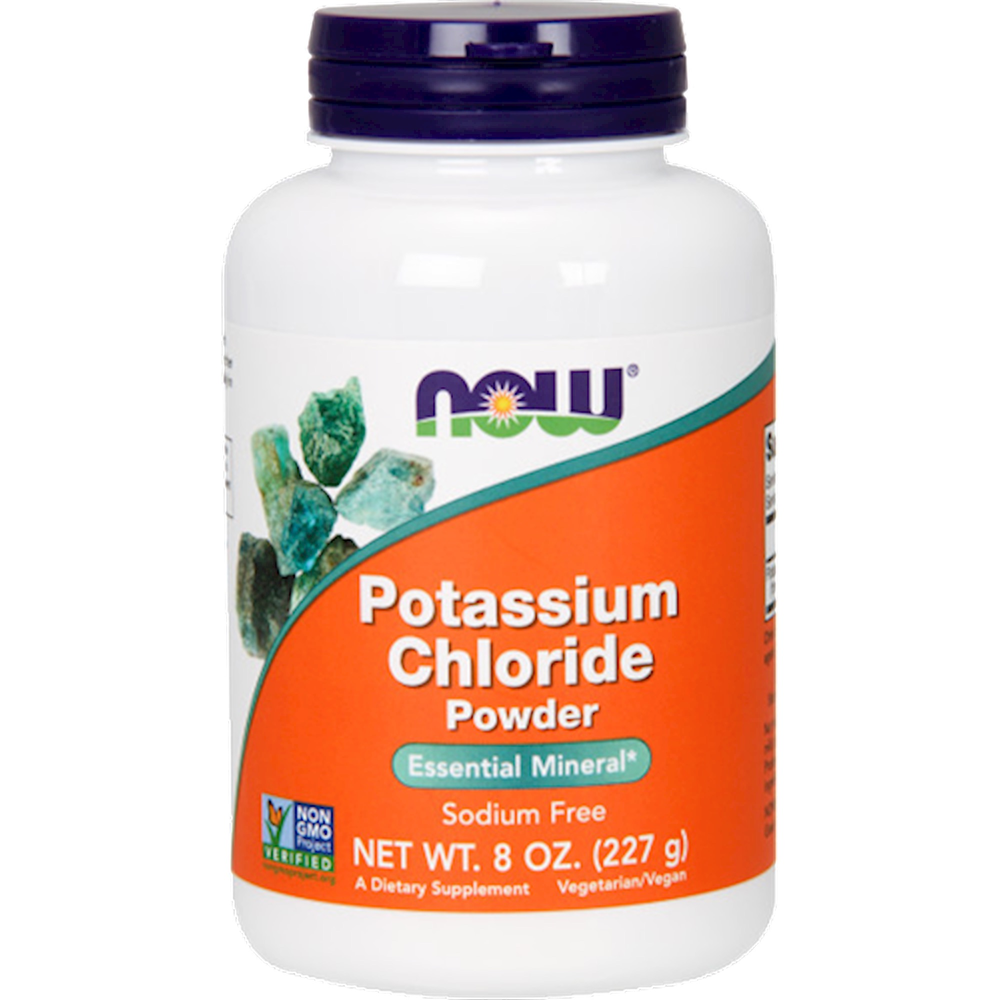
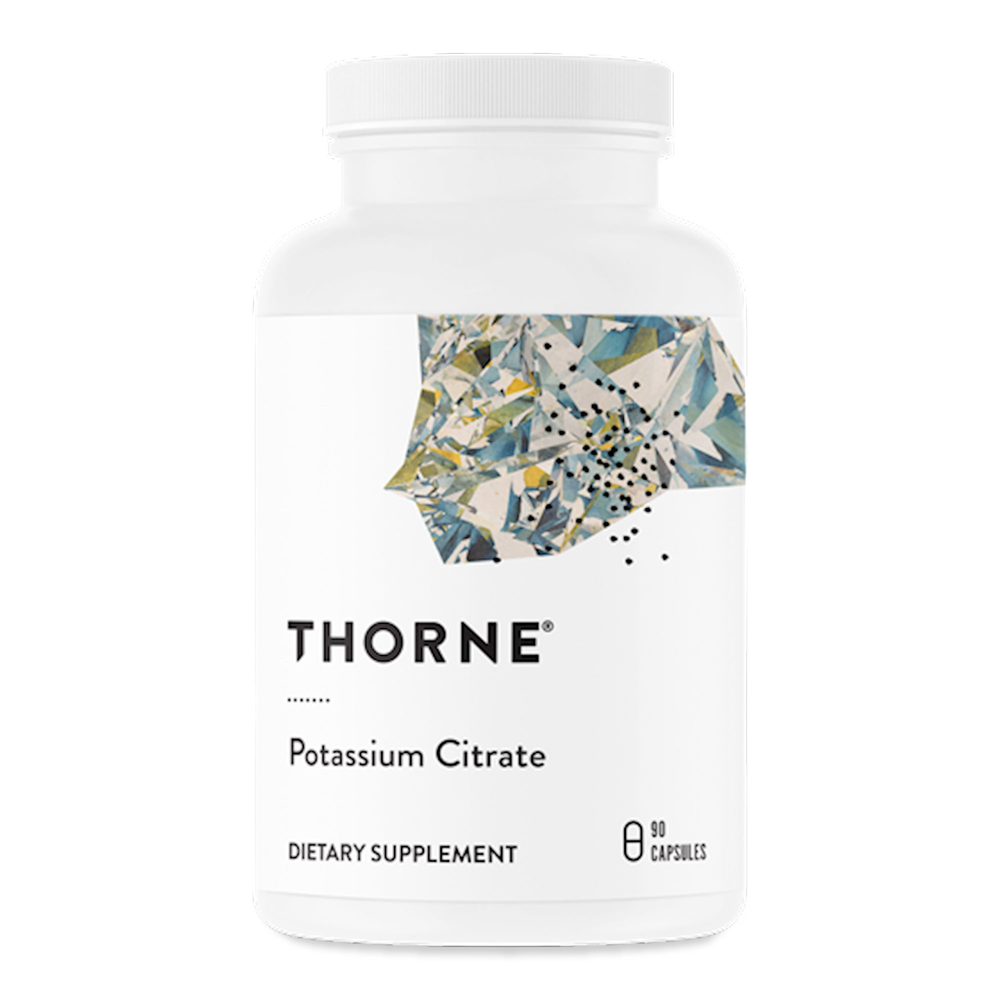
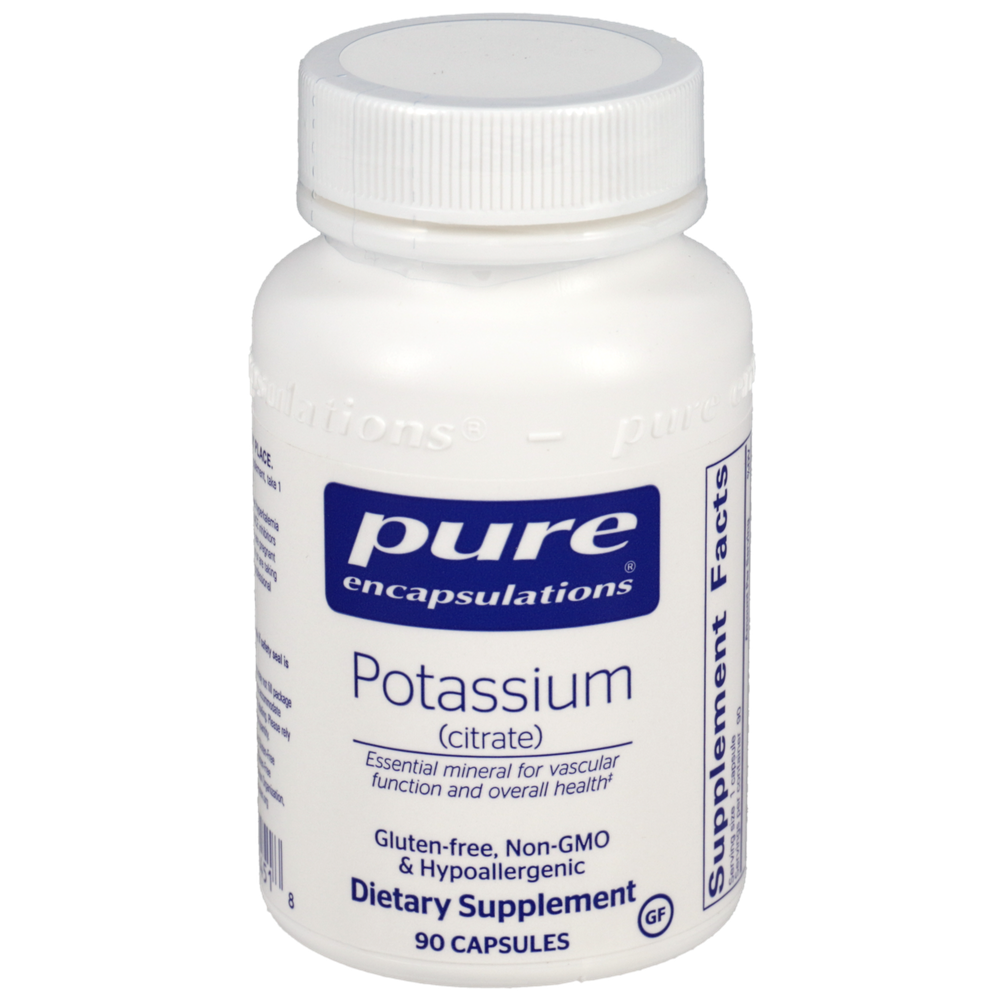
See if it's actually working
Potassium should sit mid-range, never high; kidney function is on the same draw because impaired clearance is what turns a supplement into a cardiac risk.
Potassium FAQs
Why is potassium important?
Potassium counterbalances sodium and supports healthy blood pressure, heart rhythm, muscle contraction, and nerve signaling. Most adults need 3,500–4,700 mg per day, and most fall well short — averaging closer to 2,500 mg from typical Western diets.
Why are potassium supplements limited to 99 mg per dose?
FDA limits non-prescription potassium tablets to 99 mg per dose due to risk of GI ulcers from concentrated potassium. Food sources (avocados, potatoes, leafy greens, beans) are the most efficient way to raise intake. Liquid potassium products may exceed this.
Are there safety concerns with potassium?
Yes — especially if you have kidney disease, take ACE inhibitors, ARBs, potassium-sparing diuretics, or aldosterone blockers. These can raise potassium dangerously. Always consult a clinician before supplementing if you're on these medications.
What foods are highest in potassium?
White beans (1,200 mg/cup), baked potato with skin (940 mg), avocado (700 mg), spinach cooked (840 mg/cup), banana (420 mg), salmon (530 mg), and yogurt (380 mg). Reaching 4,000+ mg daily is doable with a few servings of these per day.
Will potassium lower my blood pressure?
Yes. Increasing potassium intake from 2,000 mg to 4,000+ mg/day reduces systolic BP by about 4–5 mmHg in people with hypertension. Combined with reduced sodium, the effect is even larger. Food-based potassium gives the biggest, safest boost.
What are signs of low potassium?
Muscle cramps, weakness, fatigue, constipation, irregular heart rhythm, and elevated blood pressure. Severe deficiency causes paralysis or arrhythmia. Mild deficiency from poor diet is common; severe deficiency usually involves diarrhea, vomiting, or diuretics.
Can I get electrolyte products with more potassium?
Yes. Some electrolyte powders (LMNT, hydration mixes, potassium chloride substitutes) provide 200–500 mg per serving — above the 99 mg supplement limit because they're classified as foods. These are useful for athletes and low-carb dieters losing potassium through urine.
Will potassium help with leg cramps?
Sometimes. If cramps are from low potassium (uncommon in healthy adults), yes. More often, cramps stem from low magnesium, dehydration, or sodium loss during exercise. Try magnesium and electrolytes (with sodium) before high-dose potassium.
Can too much potassium be dangerous?
Yes — hyperkalemia (high blood potassium) can cause arrhythmias and death. The risk is mainly in people with kidney disease, on certain medications, or taking concentrated supplements. Healthy kidneys excrete excess potassium, so food-based excess is rare.
Is extra potassium safe during pregnancy?
Pregnancy slightly raises potassium needs (4,700 mg/day if breastfeeding, 5,100 mg). Food sources are best. High-dose supplementation isn't generally needed unless deficient, and should be guided by your OB.