 Instalab
Prenatal Multivitamin
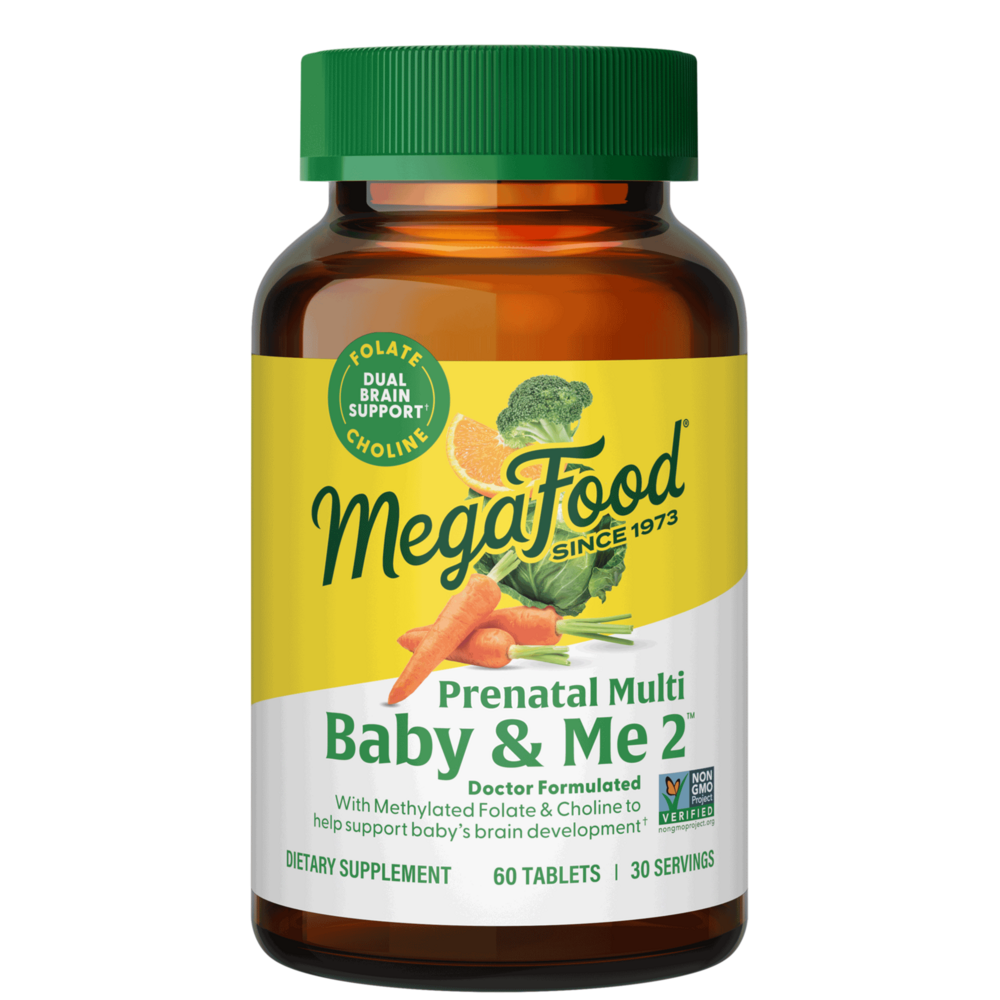
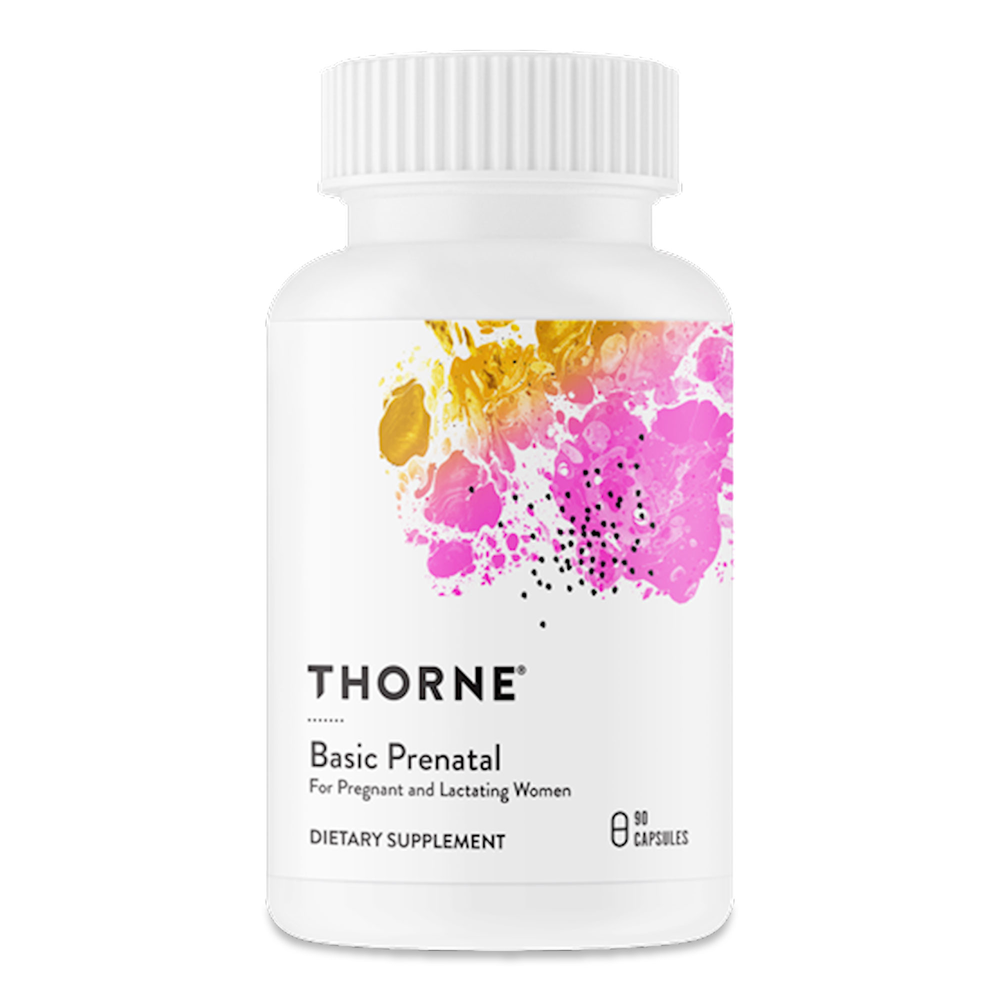
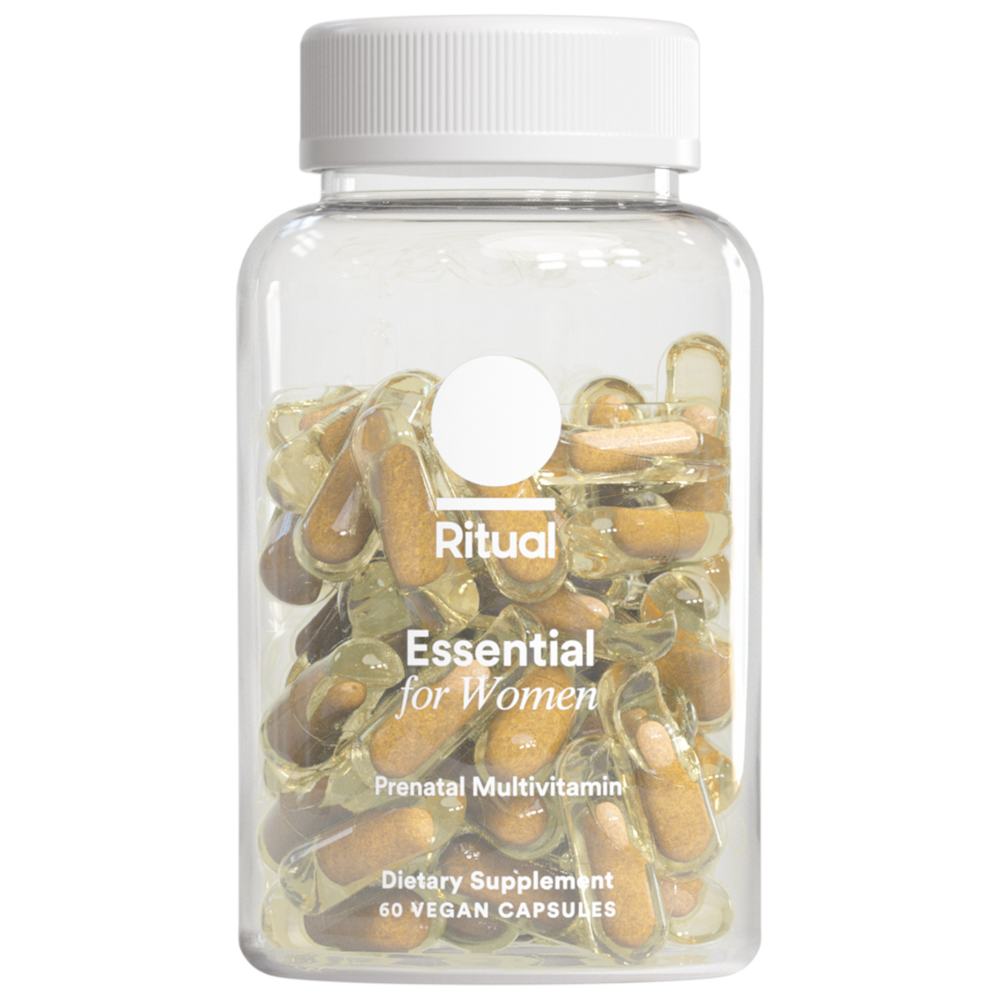
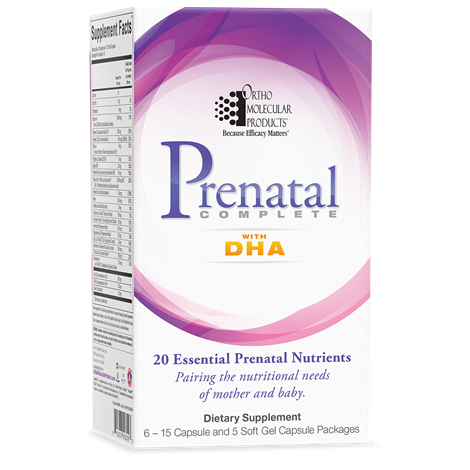
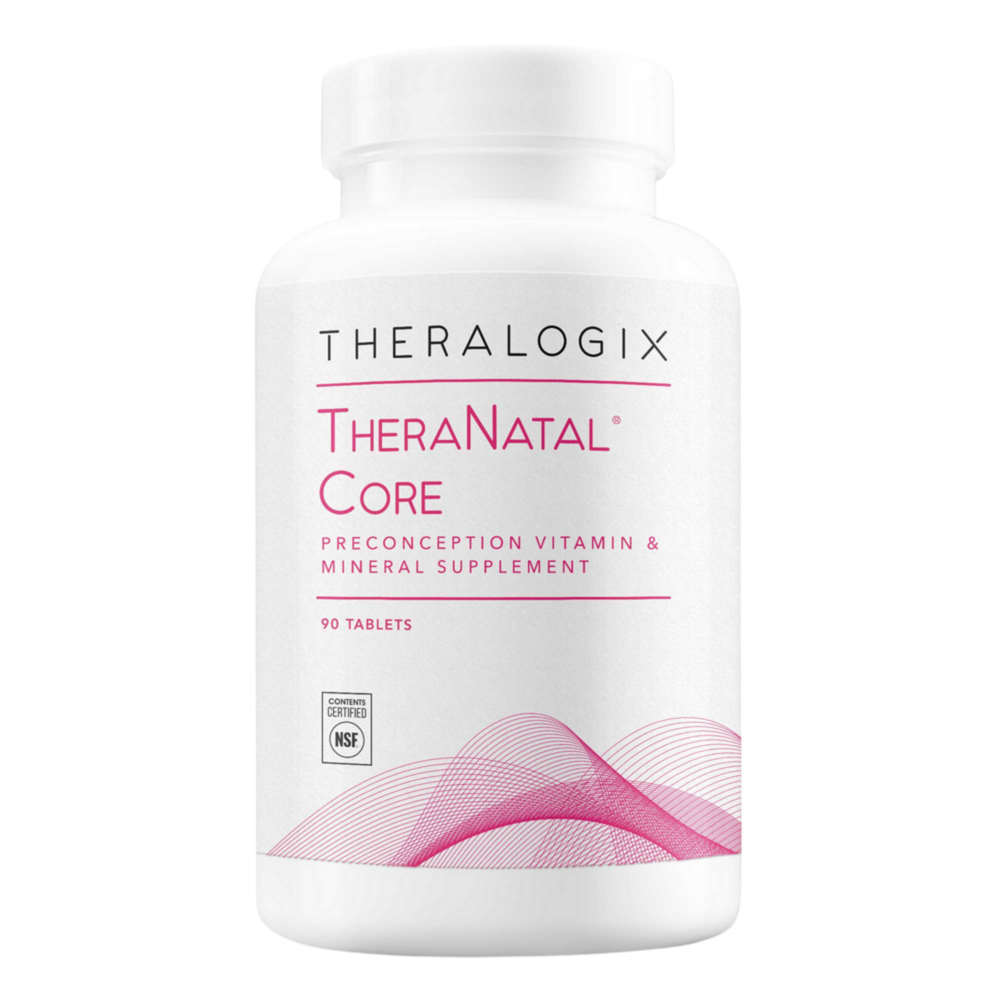
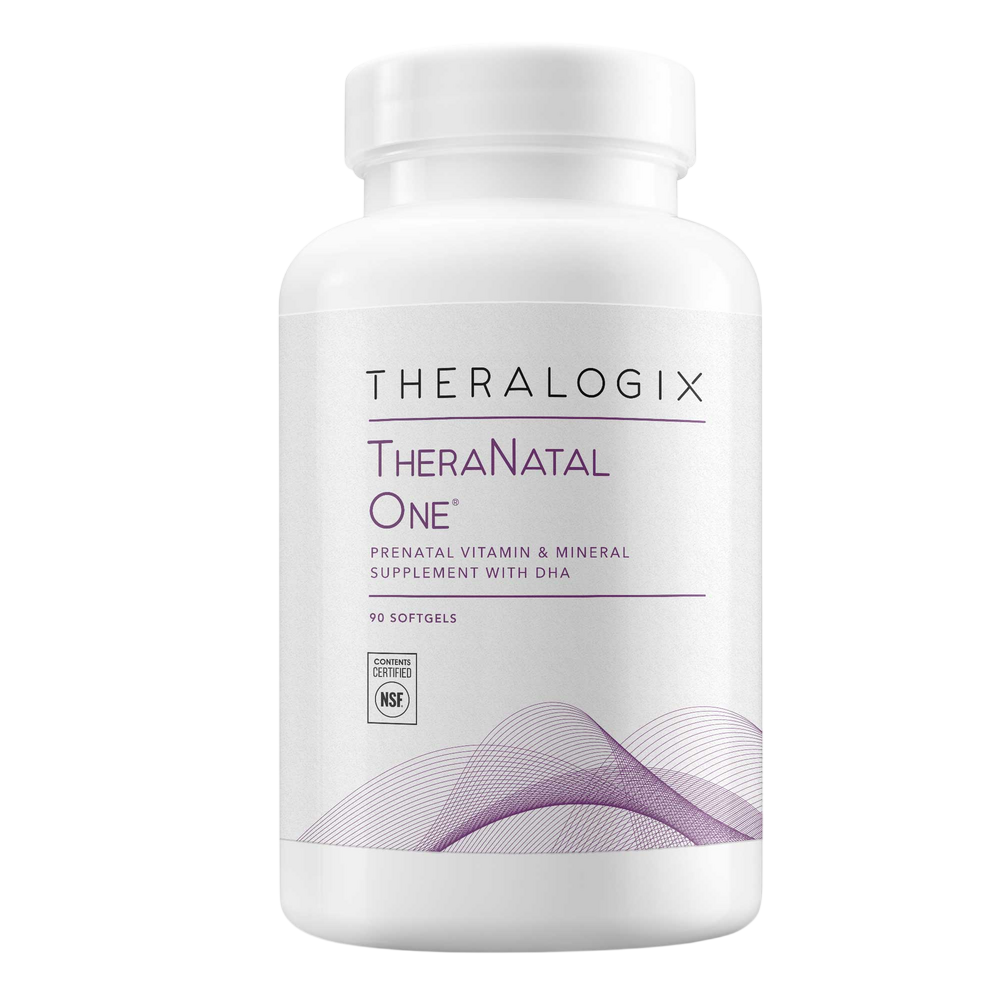
Prenatal multivitamins deliver folate, iron, choline, and DHA for preconception and pregnancy.
Our vetting standard
Every prenatal multivitamin formula here clears the same bar.
- Clinically studied, effective doses
- Bioavailable, well-absorbed forms
- Practitioner-grade, trusted brands
- Third-party tested for identity and potency
See if it's actually working
RBC folate is the marker that reflects real tissue stores, and ferritin is the one that most often falls behind as pregnancy demand climbs.
Prenatal Multivitamin FAQs
When should I start a prenatal vitamin?
At least 3 months before trying to conceive. Folate prevents neural tube defects in the first 28 days of pregnancy — often before women know they're pregnant. Continue throughout pregnancy and breastfeeding.
What should I look for in a prenatal?
Methylfolate (not folic acid), methylcobalamin (B12), iron (27 mg if not anemic, more if deficient), choline (450 mg, often missing in standard prenatals), vitamin D3 (1,000+ IU), iodine (220 mcg), and DHA (200+ mg, often a separate supplement).
Why is choline so important and often missing?
Choline is critical for fetal brain development and many prenatals provide little or none. Egg yolks and liver are top sources, but dietary intake is often inadequate. The Adequate Intake during pregnancy is 450 mg/day; most women get less than 250 mg.
Methylfolate vs. folic acid in prenatals — which is better?
Methylfolate (5-MTHF) is the bioactive form, ready for use. Folic acid requires conversion, which is impaired in 30–50% of women with MTHFR variants. Methylfolate is increasingly recommended in prenatals to ensure adequate folate regardless of genetics.
Should I take iron in my prenatal?
Most pregnant women need 27 mg/day, which is in standard prenatals. If you have low ferritin or anemia, you may need additional iron prescribed by your OB. Some women without anemia tolerate iron-free prenatals better and only add iron later if labs indicate.
How long should I keep taking prenatal vitamins?
Throughout pregnancy and the entire breastfeeding period (often 12+ months). Many practitioners recommend continuing for 6 months postpartum even if you don't breastfeed, to support recovery and replenish nutrient stores.
Will prenatals make me nauseous?
Iron is the usual culprit. Try taking your prenatal with food or at bedtime. Splitting the dose, switching forms (gummy, liquid, food-based), or temporarily using an iron-free prenatal during severe morning sickness can help. Re-introduce iron when nausea eases.
What if I missed taking a prenatal before pregnancy?
Start now. Even partial early-pregnancy folate supplementation reduces neural tube defect risk. The earlier the better. Many women only start when they find out — which is fine, but talk to your OB about catch-up dosing for folate (often 800 mcg/day at first).
Are gummy prenatals as good as capsules?
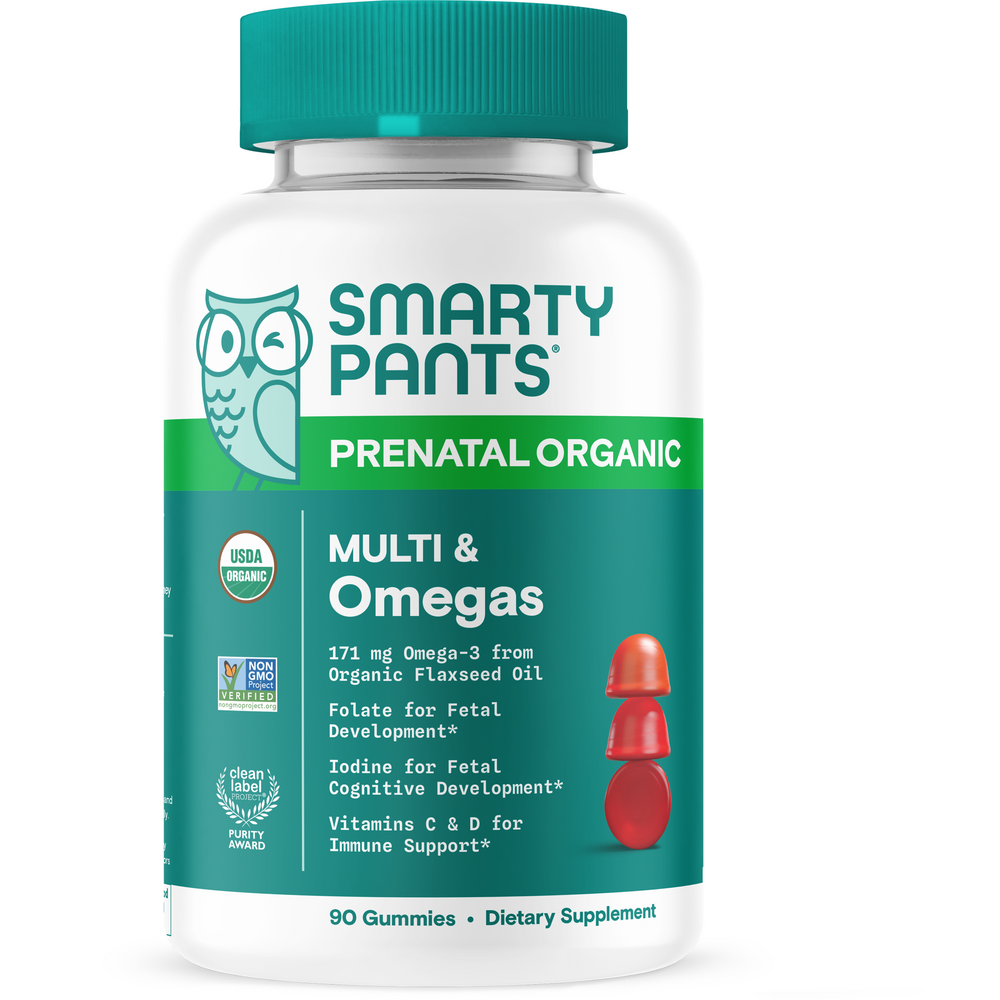
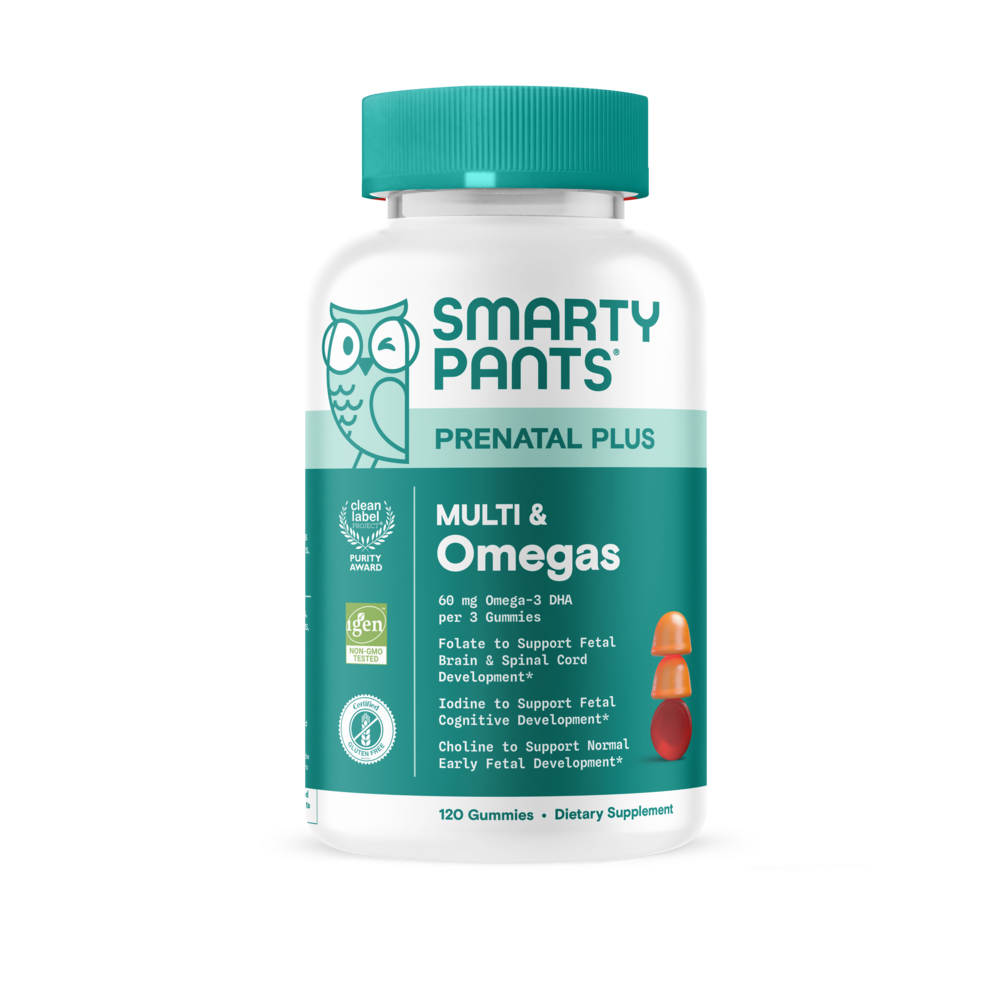
Often not. Gummies frequently lack iron, are lower in choline, and may have less complete nutrient profiles. They're better than nothing if capsules cause nausea, but check the label carefully — supplement what's missing.
Do I need a prenatal if I eat a healthy diet?
Yes. Even excellent diets often fall short on folate, choline, iron, iodine, vitamin D, and DHA at pregnancy levels. Prenatals are a low-cost insurance policy for the most consequential developmental window in your child's life. Don't skip them.