 Instalab
Probiotics
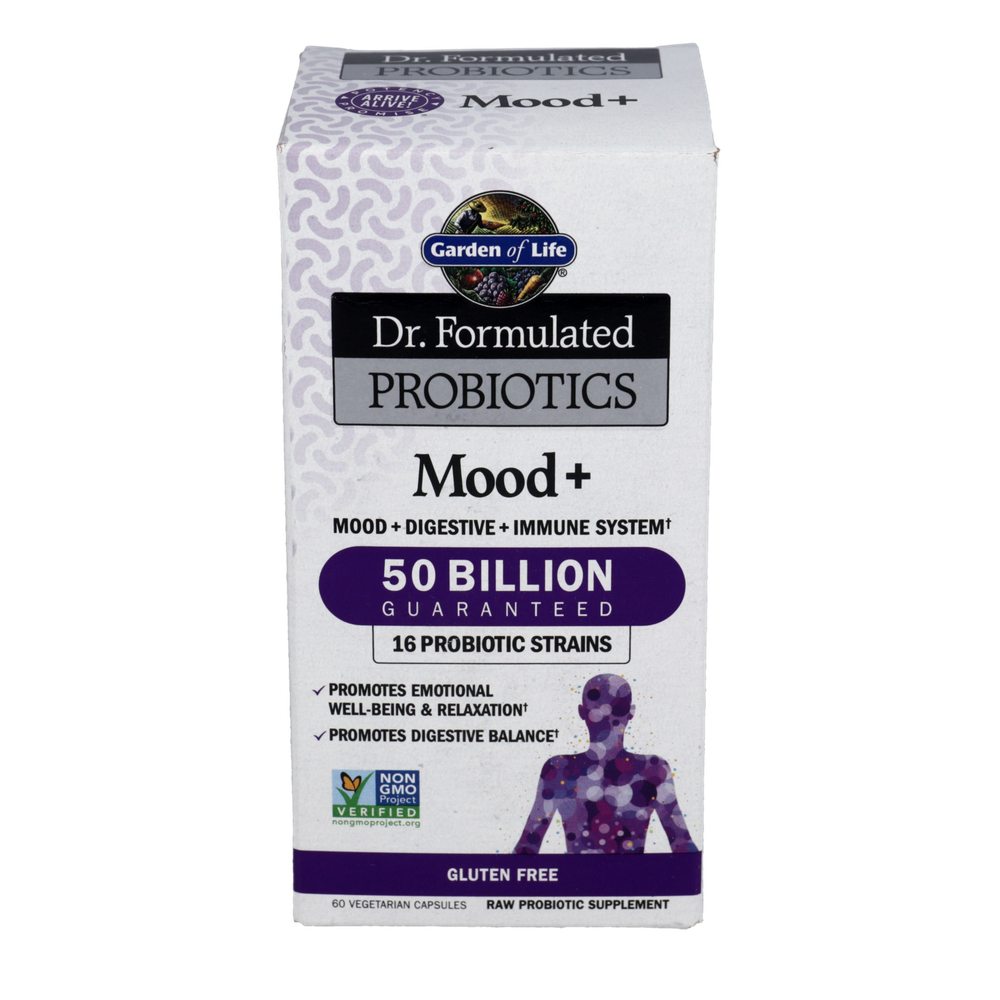
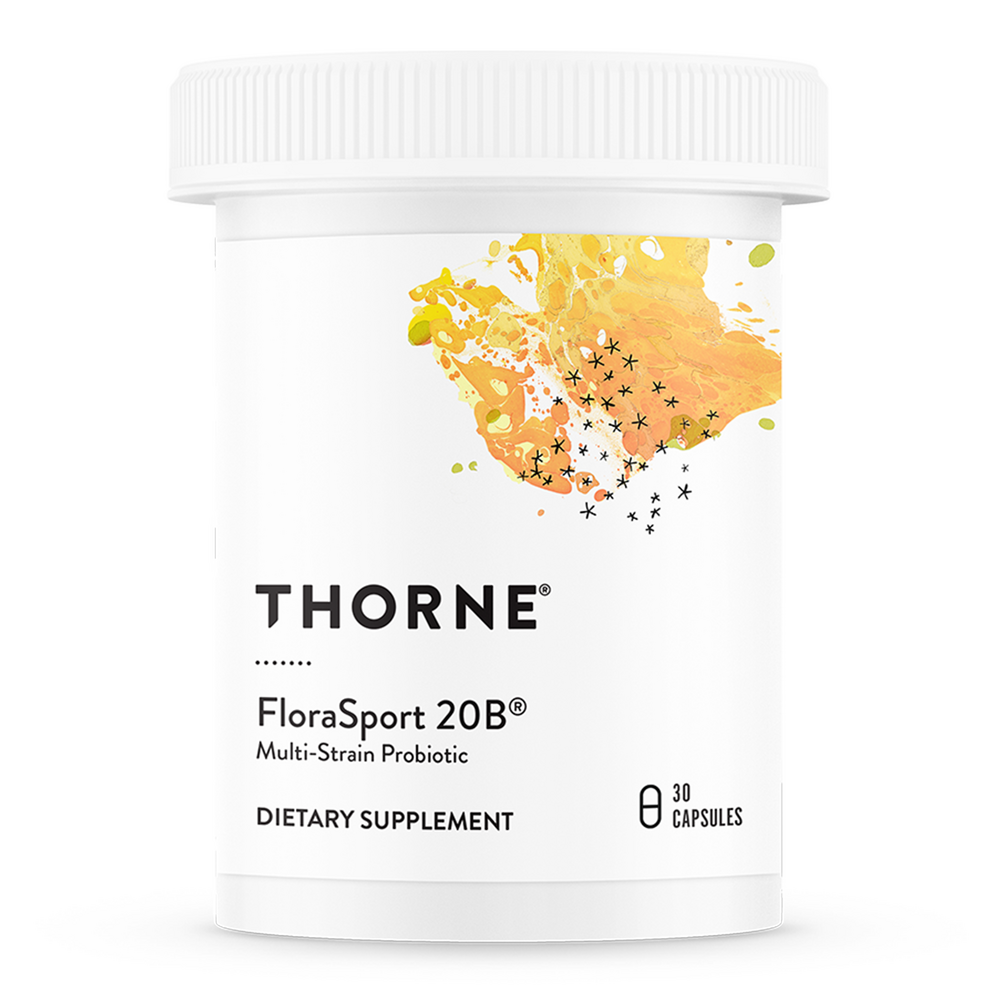
Probiotics deliver clinically studied strains for gut, immune, and mood support.
Our vetting standard
Every probiotics formula here clears the same bar.
- Clinically studied, effective doses
- Bioavailable, well-absorbed forms
- Practitioner-grade, trusted brands
- Third-party tested for identity and potency

See if it's actually working
Most strains are transient and never colonize, so testing whether they show up in stool answers the wrong question; calprotectin and your symptoms are what say the probiotic did anything.
Probiotics FAQs
Do strain and CFU count matter?
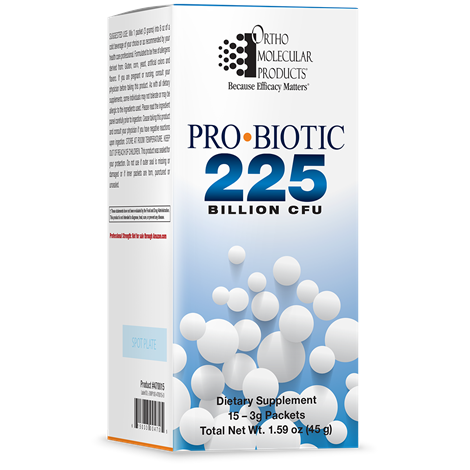
Yes. Different strains do different things — Lactobacillus rhamnosus GG for diarrhea, Bifidobacterium longum 1714 for stress, VSL#3 for IBD. CFU counts of 10–50 billion per day are typical, but the right strain for your goal matters more than total billions.
Should I take probiotics with antibiotics?
Yes — Saccharomyces boulardii or Lactobacillus rhamnosus GG taken 2 hours apart from antibiotics reduces antibiotic-associated diarrhea. Continue for 1–2 weeks after the antibiotic course ends.
Do probiotics need to be refrigerated?
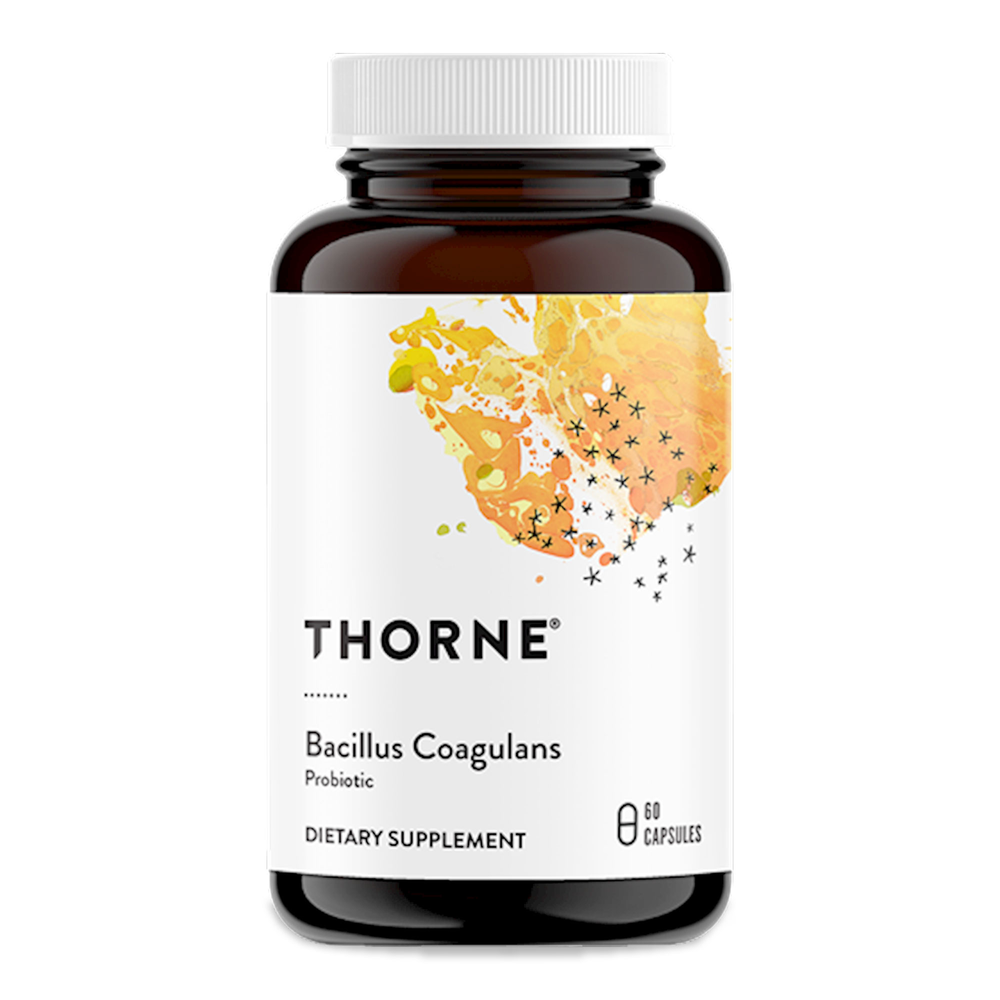
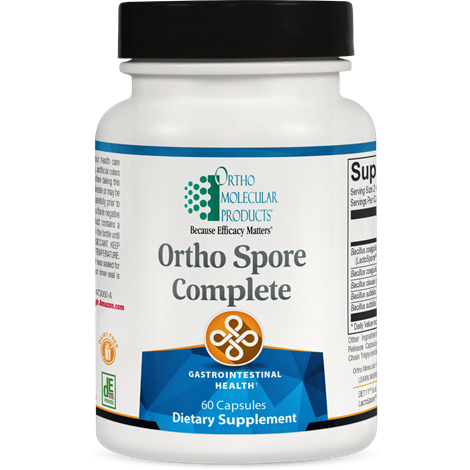
Some do — check the label. Shelf-stable spore-based probiotics (like Bacillus coagulans) and lyophilized formulas don't need refrigeration. Live, refrigerated probiotics tend to have higher CFU at end-of-shelf-life if stored properly.
Probiotics vs. fermented foods — which is better?
Fermented foods (yogurt, kefir, sauerkraut, kimchi, miso) provide diverse strains plus prebiotics and bioactive metabolites — better for daily microbiome support. Targeted probiotic supplements provide specific strains at higher doses for specific conditions. Use both.
How long until probiotics work?
Acute uses (antibiotic-associated diarrhea, traveler's diarrhea) work within days. Chronic conditions (IBS, mood, immunity) need 4–8 weeks. Probiotic effects typically don't persist after stopping — they colonize transiently rather than permanently.
Should I take probiotics with food?
Generally with or just before food — food buffers stomach acid and helps strains survive transit. Some manufacturer labels specify empty stomach if the strain is acid-resistant. Consistency matters more than perfect timing.
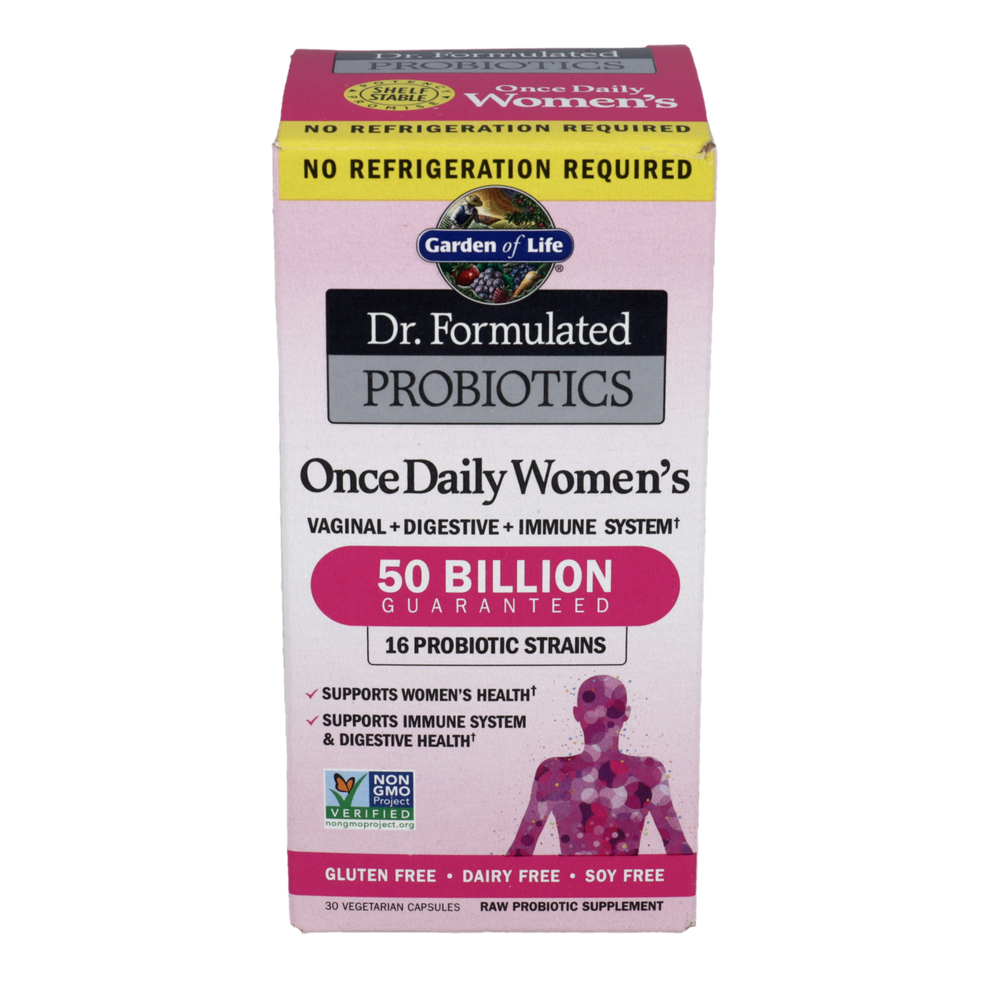
Are there strains specific to women's health?
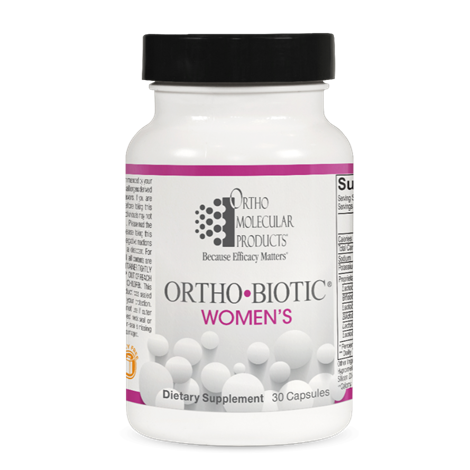
Yes. Lactobacillus rhamnosus GR-1 and reuteri RC-14 support vaginal and urinary health. Lactobacillus crispatus and L. acidophilus support vaginal flora. Specific women's-health probiotics are more effective for these uses than general gut formulas.
Will probiotics help with bloating?
Sometimes. They help if bloating is from imbalanced flora. They can worsen it if you have SIBO (small intestinal bacterial overgrowth) since adding more bacteria fuels the problem. If probiotics consistently make bloating worse, get evaluated for SIBO.
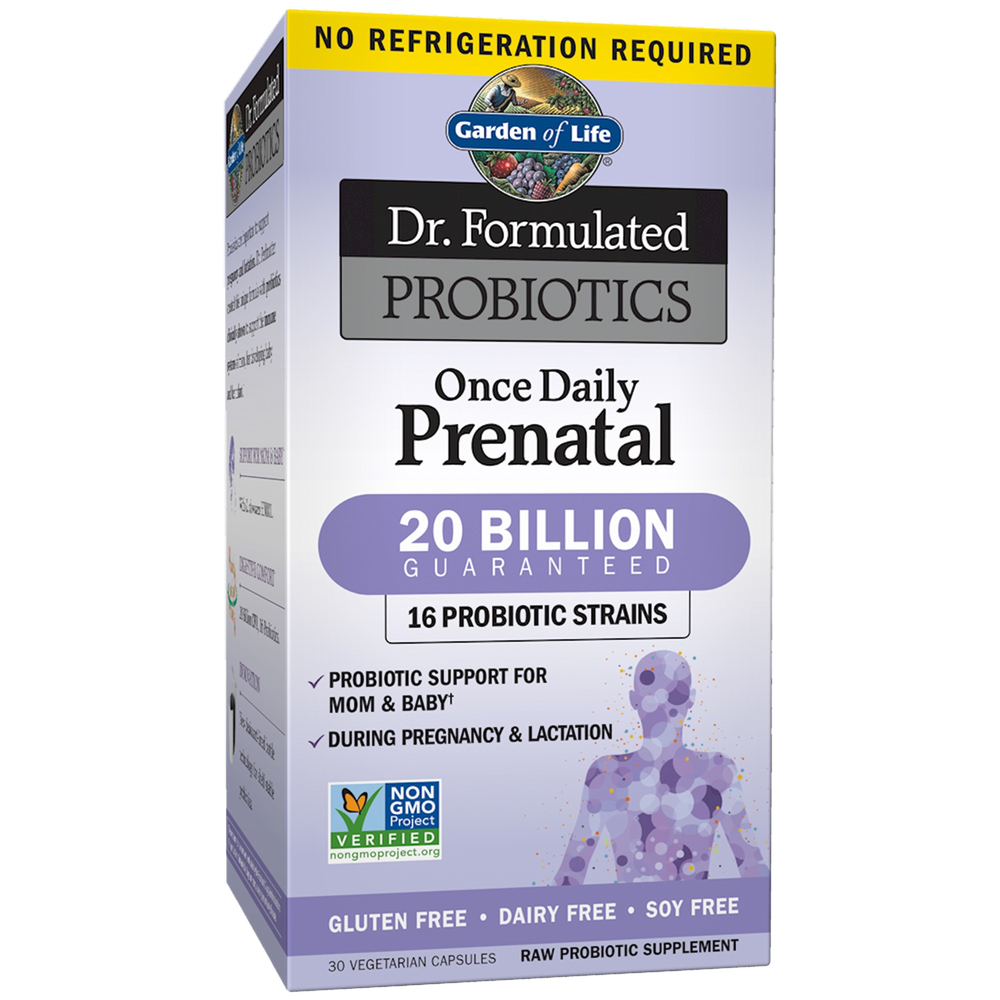
Are probiotics safe during pregnancy?
Yes for well-studied strains. Lactobacillus and Bifidobacterium species are considered safe in pregnancy and have been studied for gestational outcomes. Check with your OB for specific products. Avoid Saccharomyces boulardii in pregnancy without provider guidance.