 Instalab
Protein
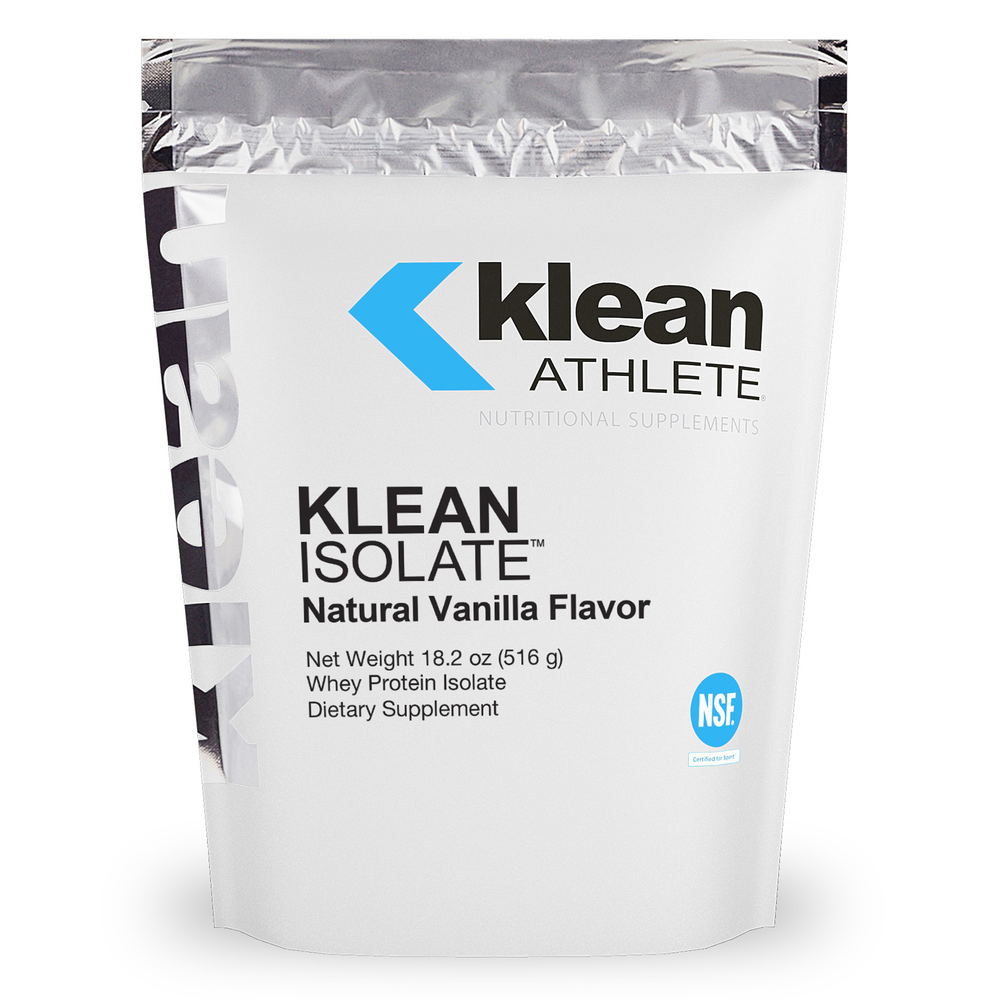
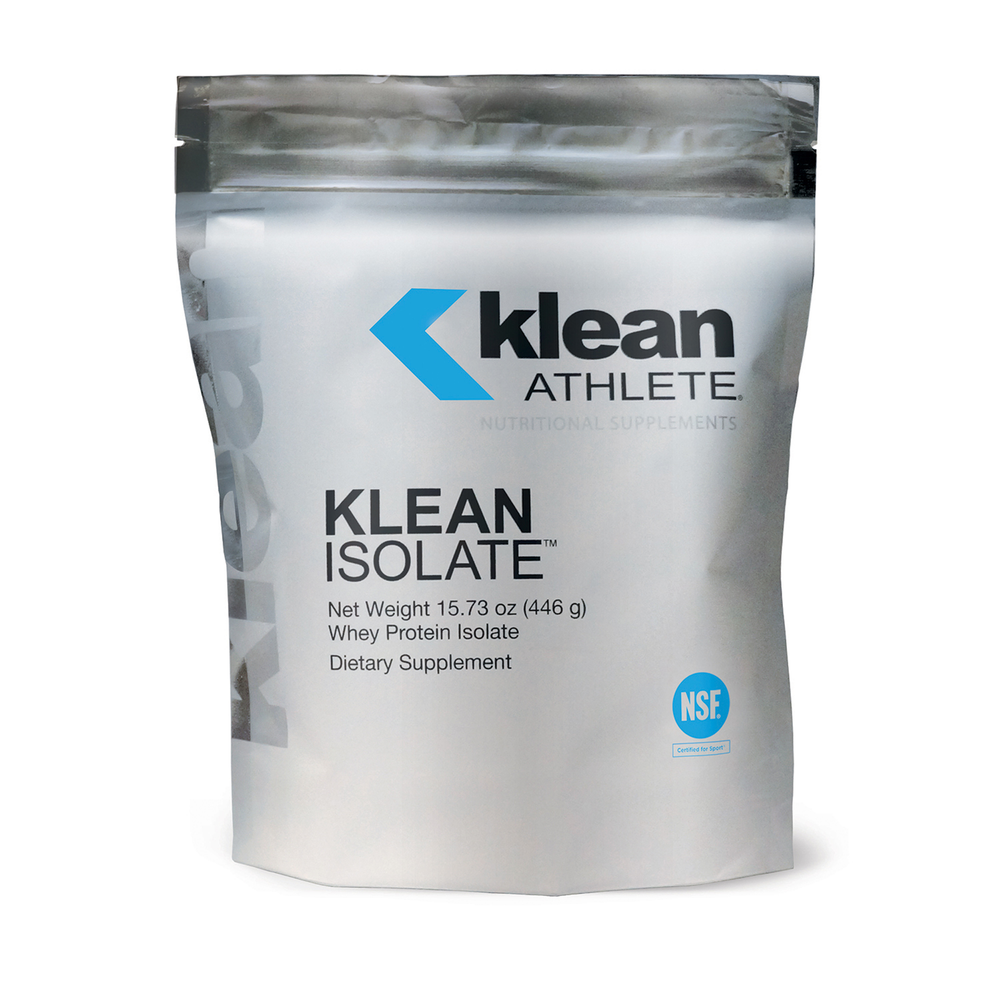
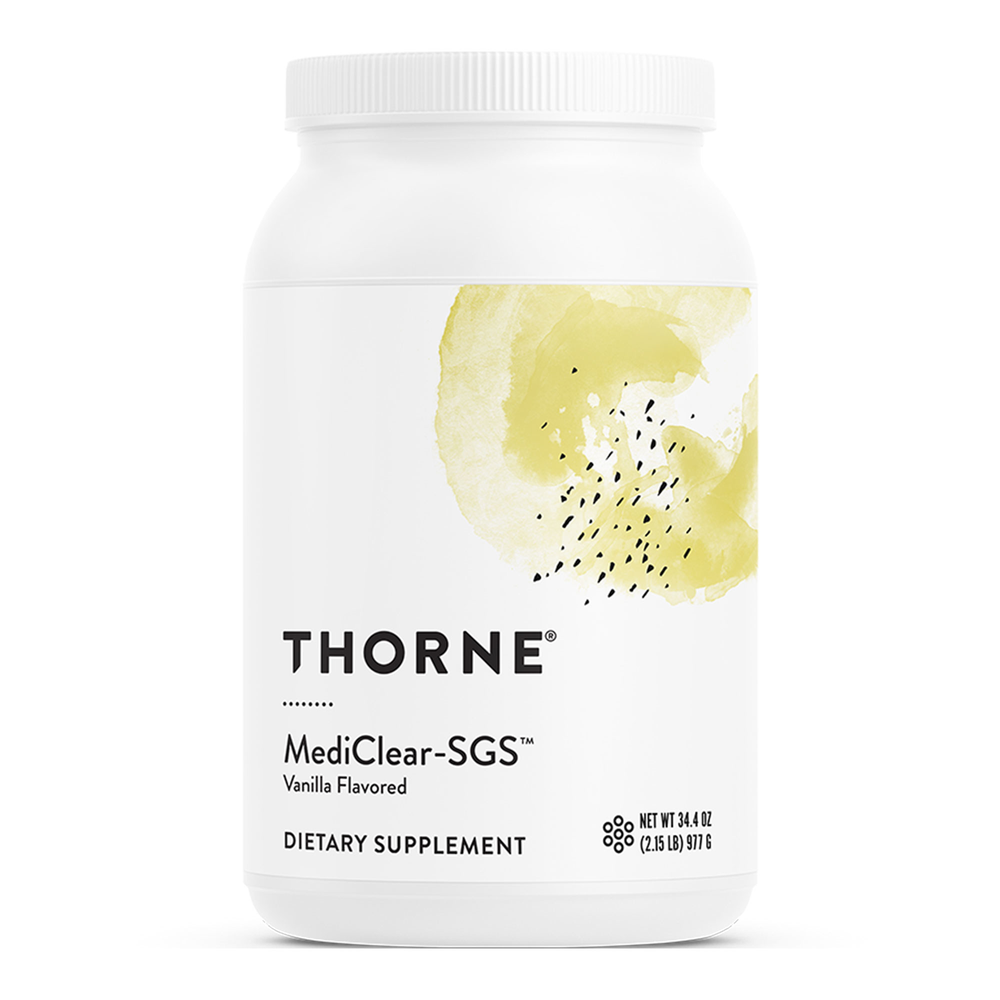
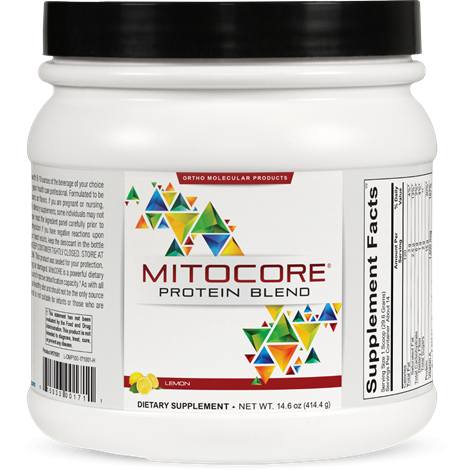
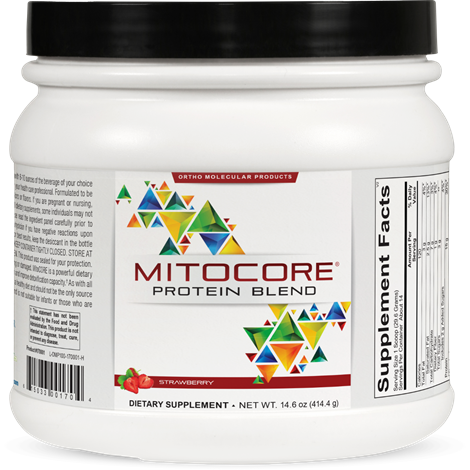
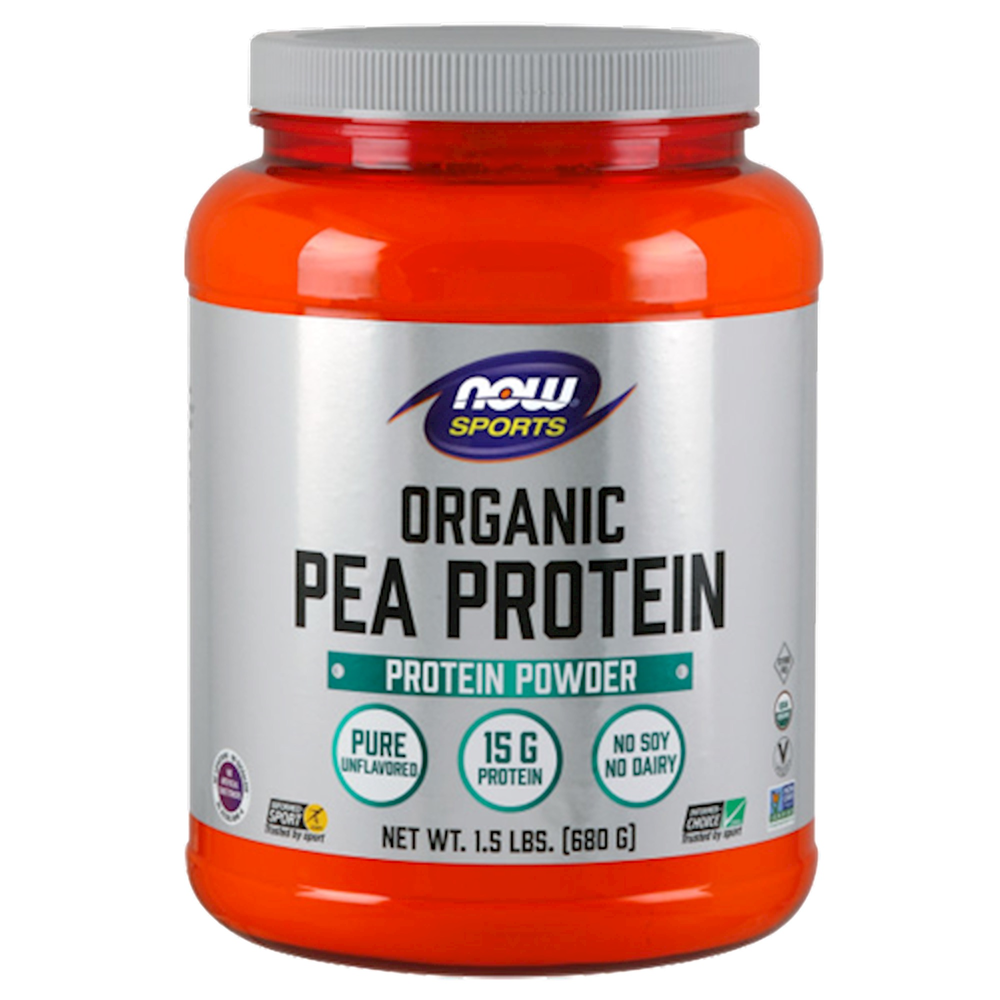
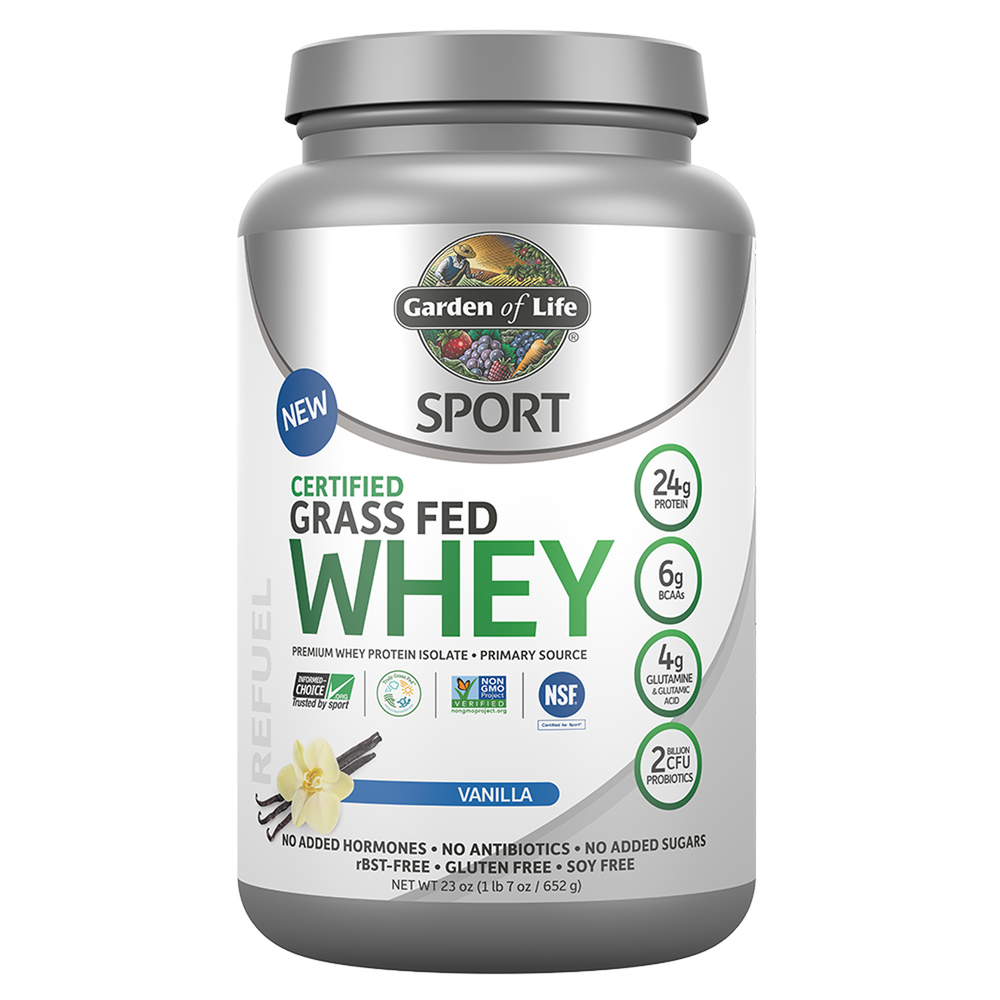
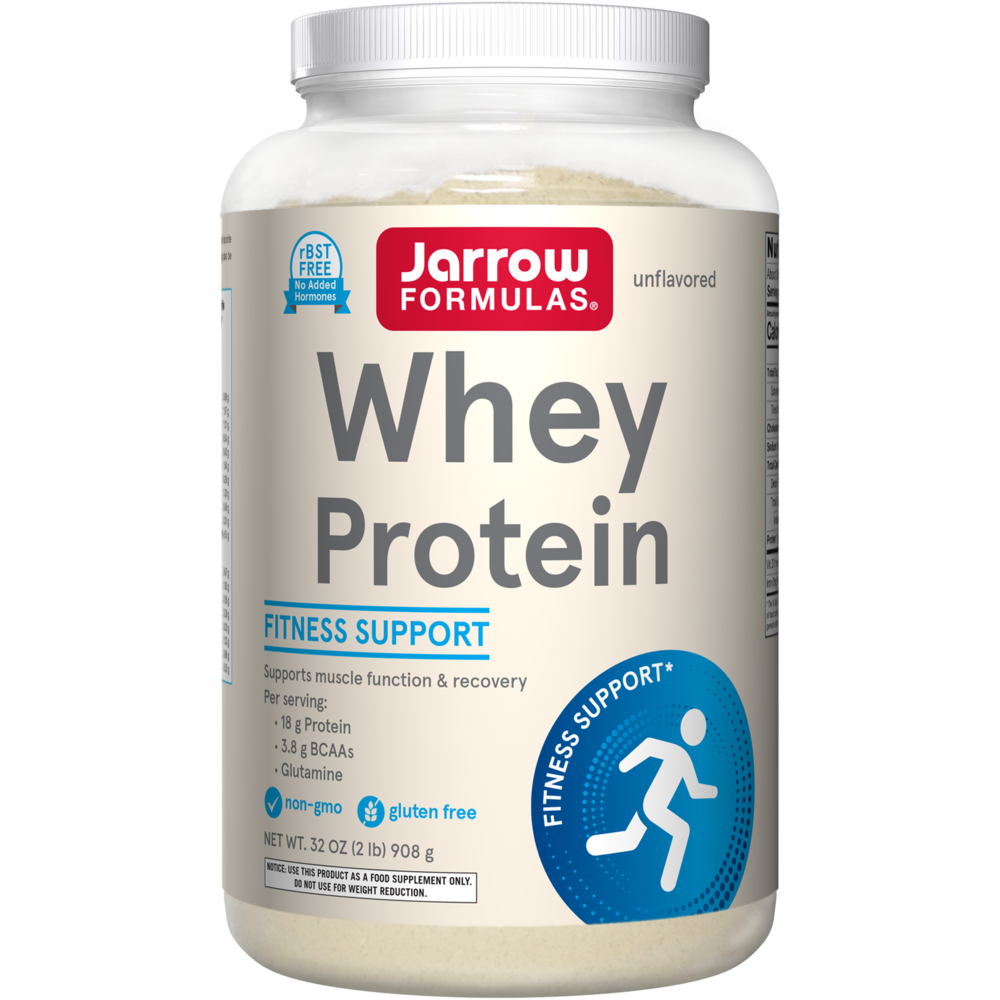
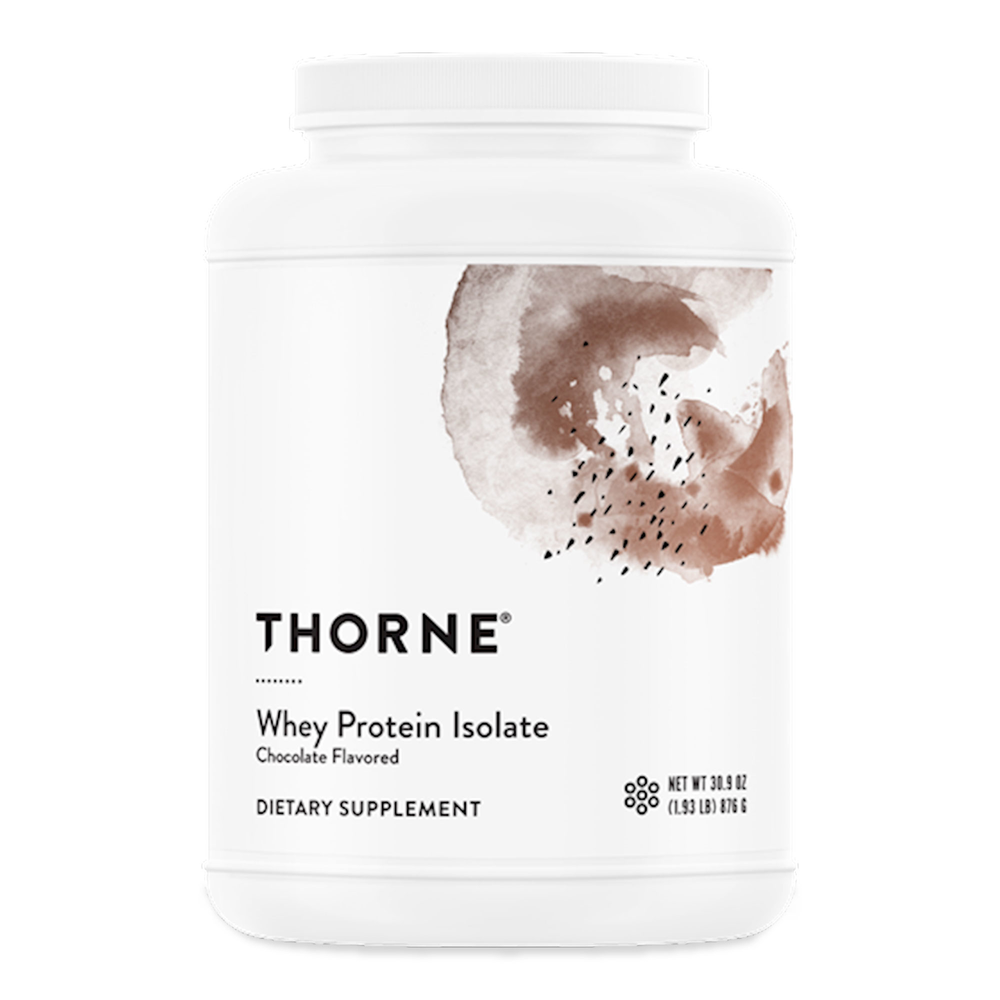
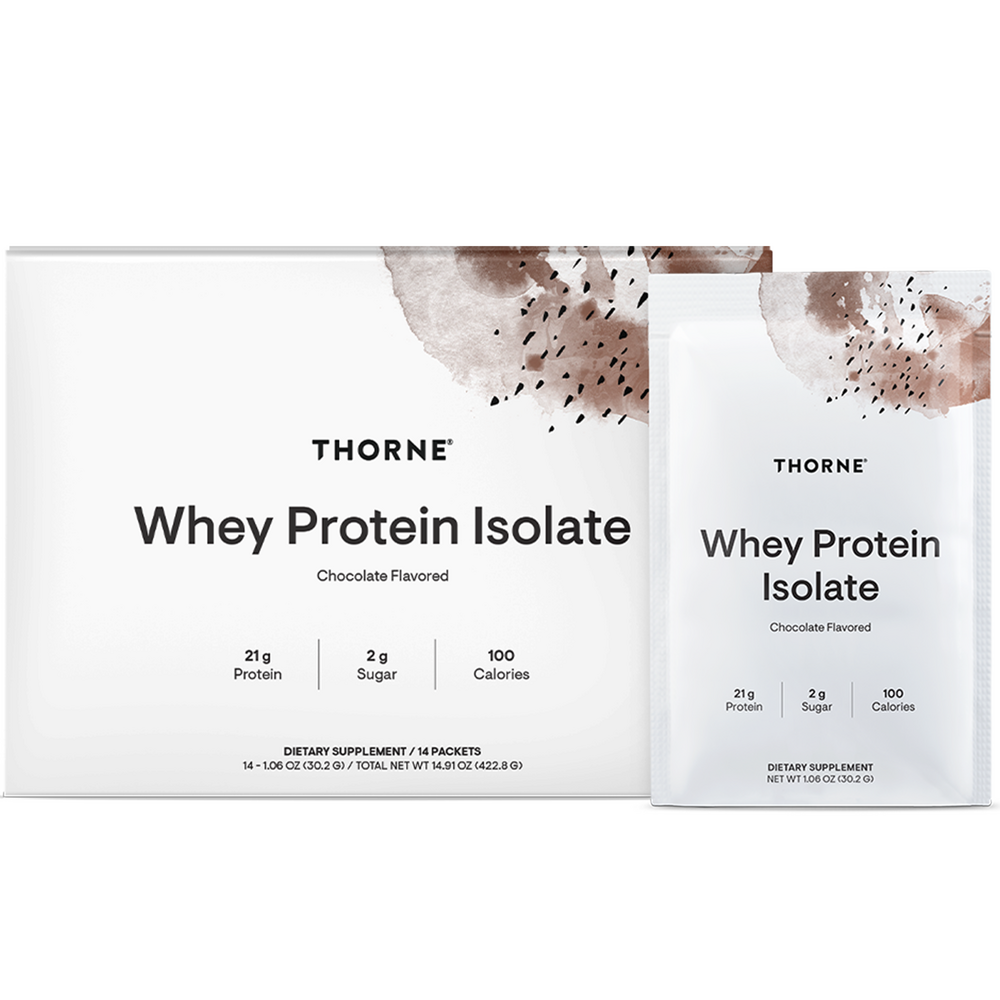
Protein powders deliver clean protein from whey, casein, or plant sources.
Our vetting standard
Every protein formula here clears the same bar.
- Clinically studied, effective doses
- Bioavailable, well-absorbed forms
- Practitioner-grade, trusted brands
- Third-party tested for identity and potency
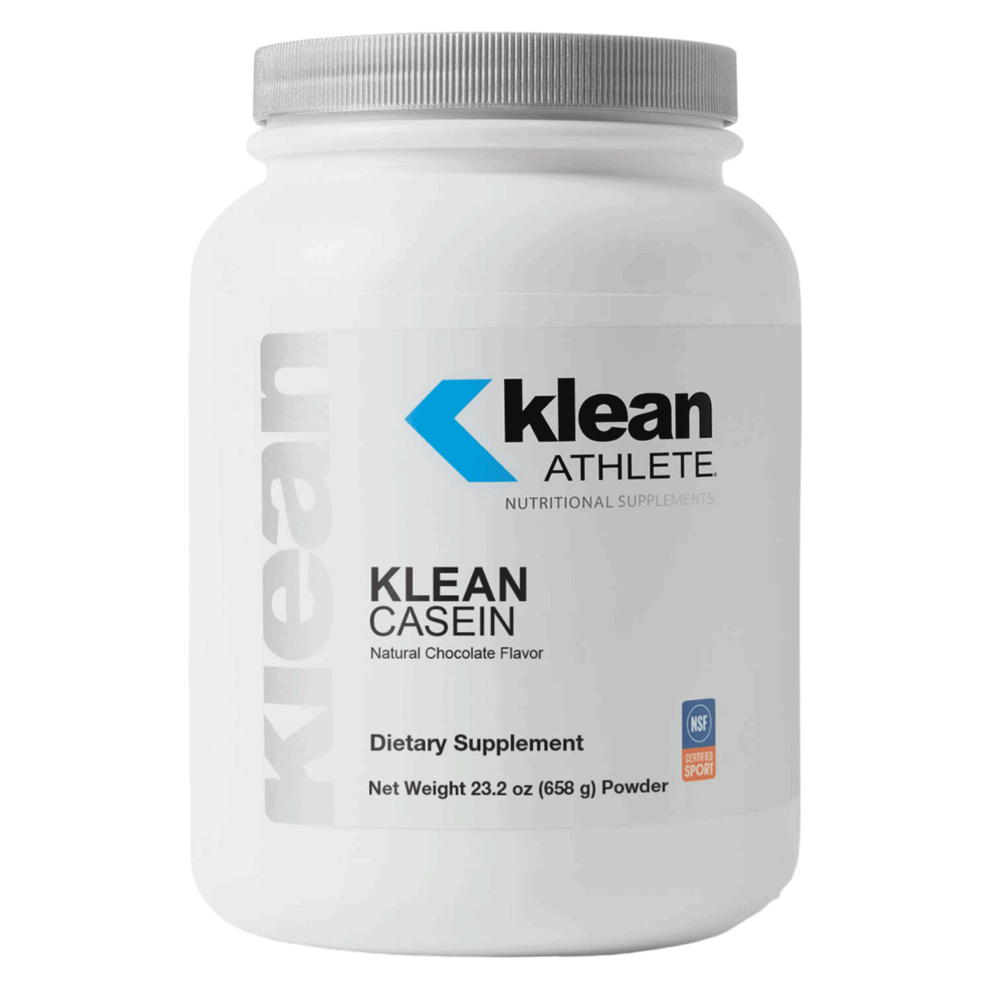
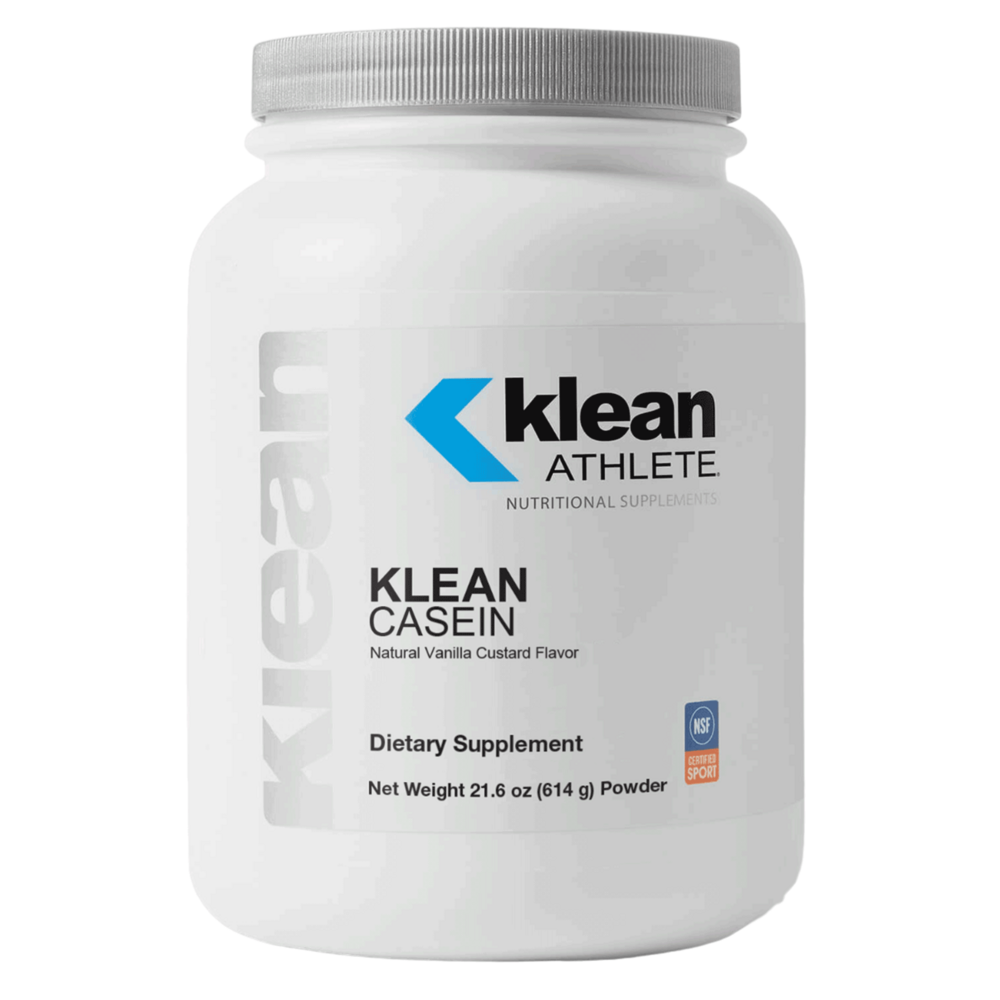
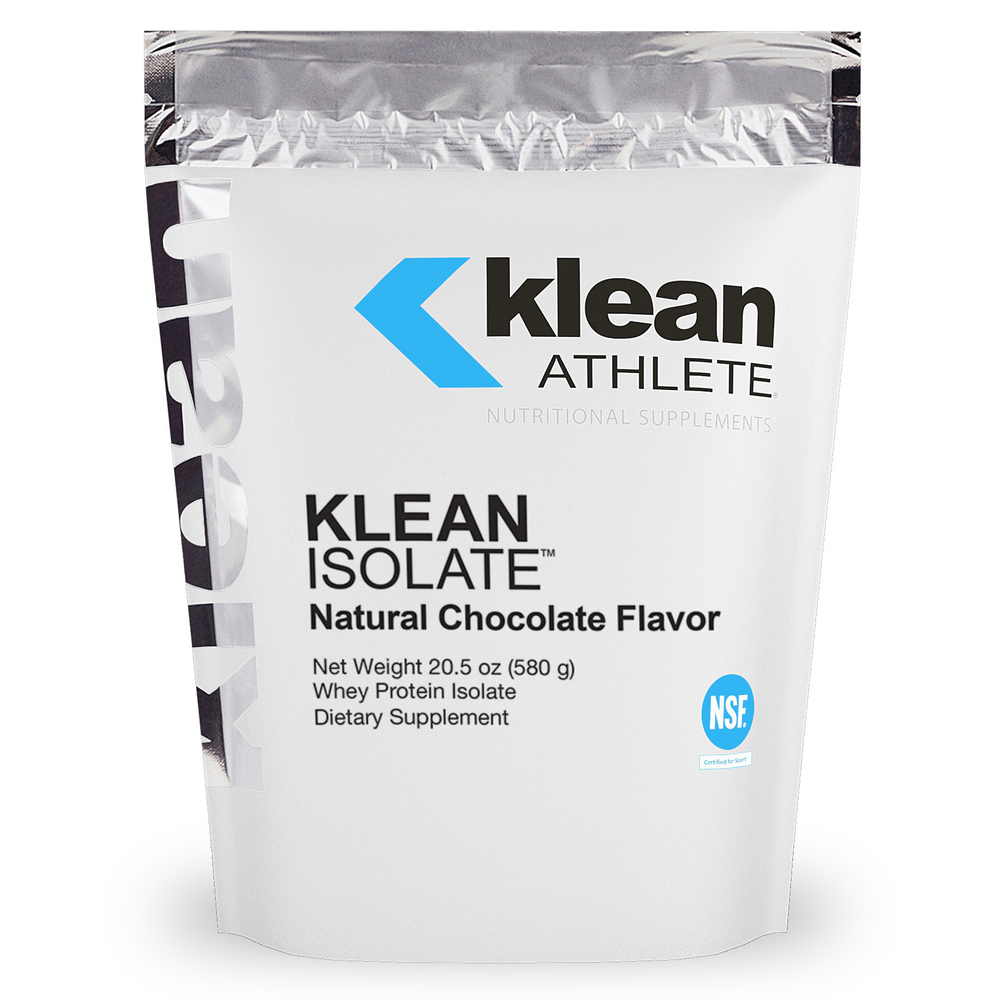
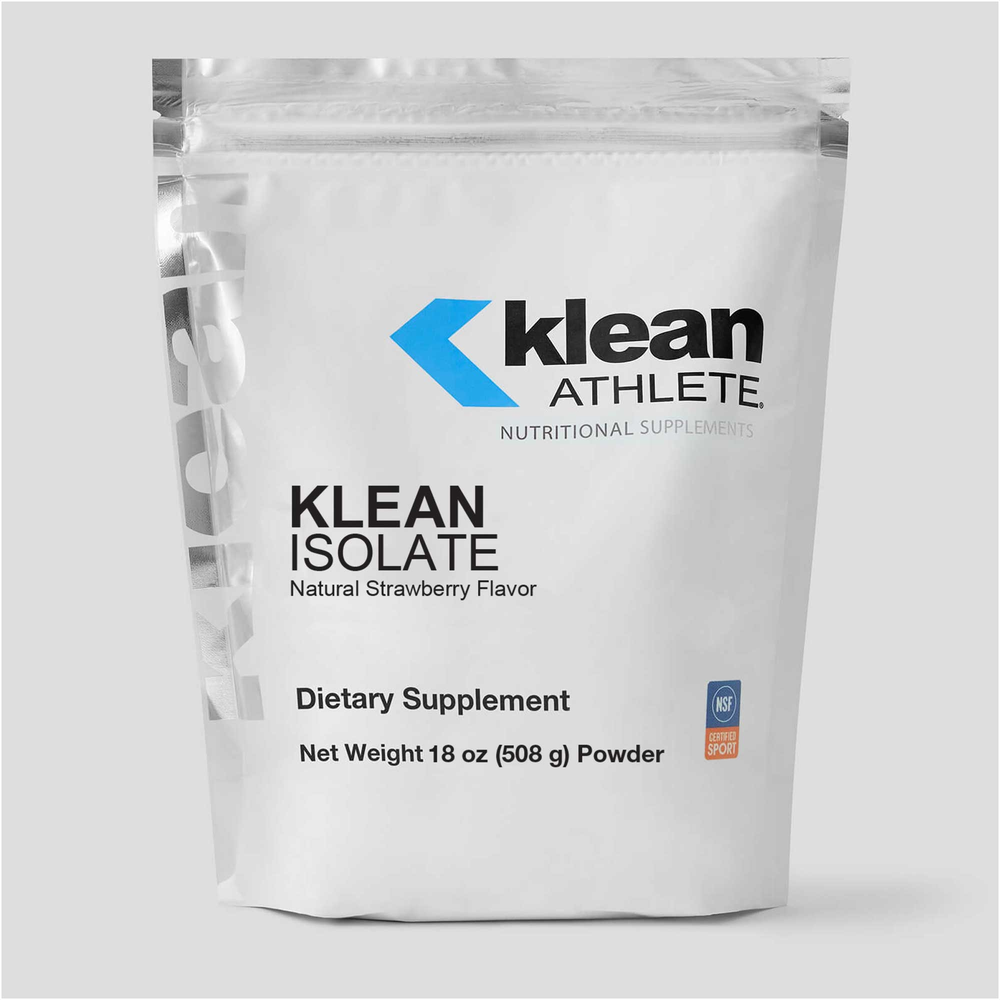
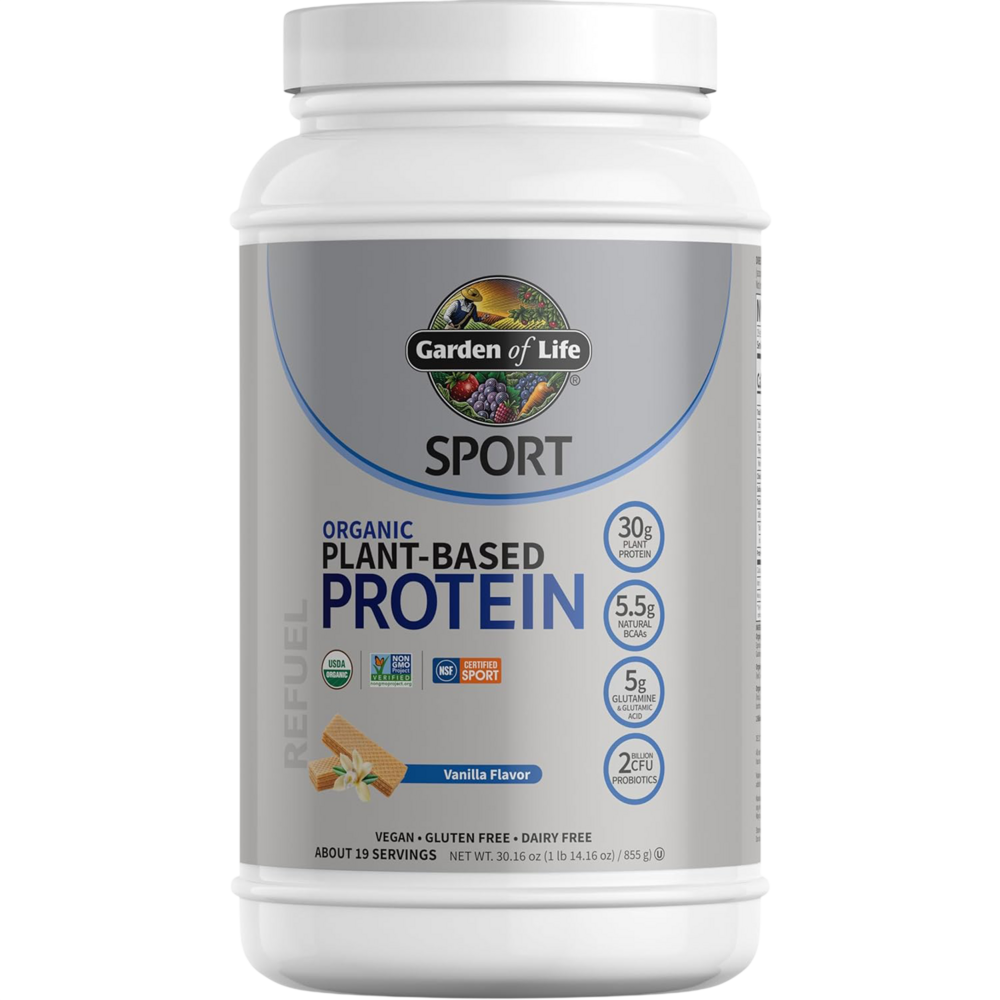
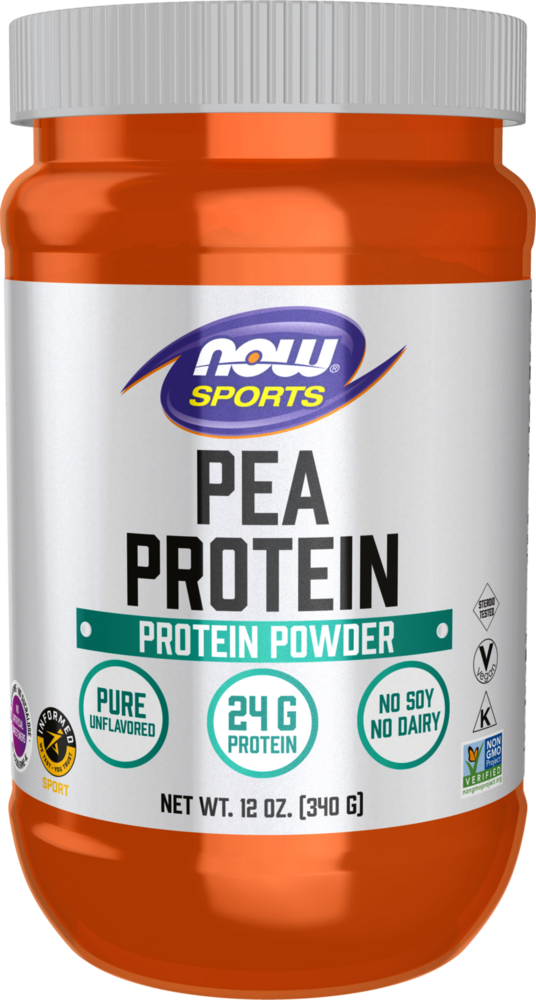
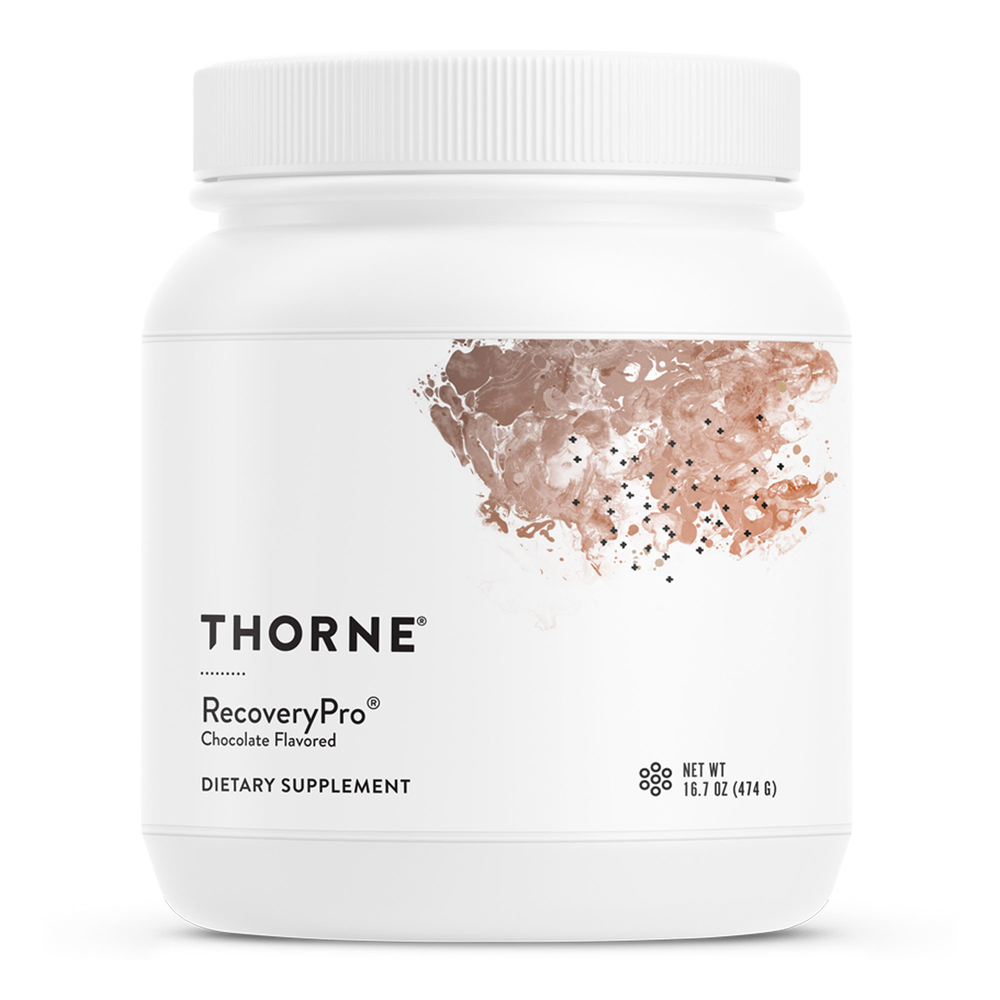
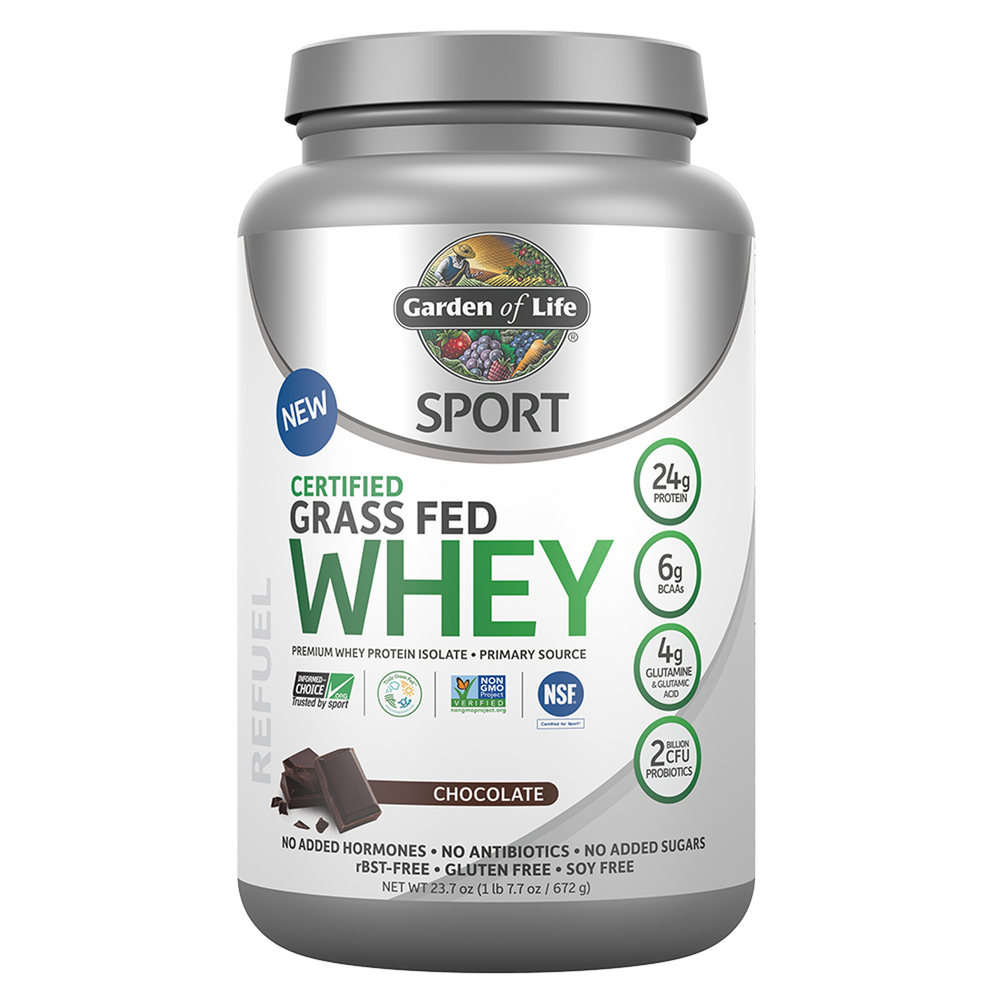
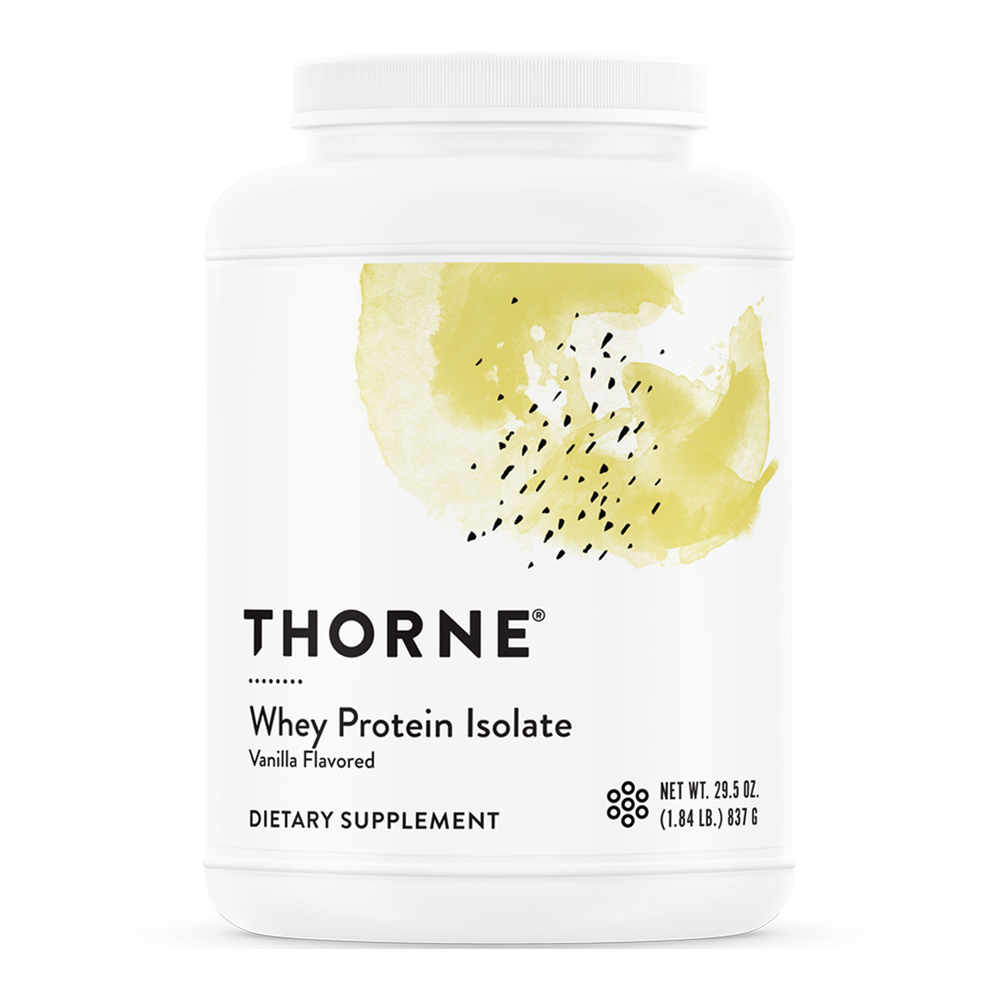
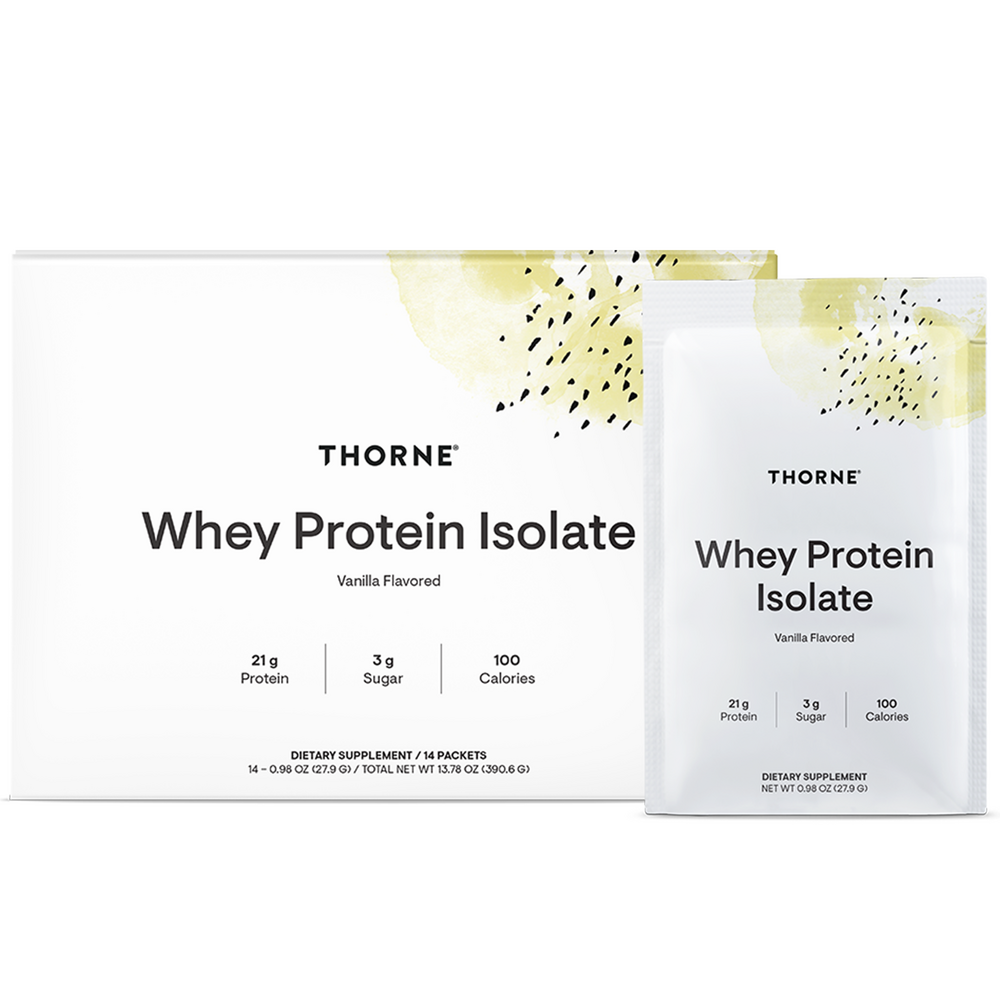
See if it's actually working
Paired with resistance training, protein is taken to hold or build lean mass, so appendicular lean mass on a DEXA scan is the endpoint that matters; albumin and total protein confirm intake was adequate, and a rising BUN with normal kidney function usually just reflects the higher protein load, not harm.
Protein FAQs
Whey, casein, or plant protein?
Whey isolate: fast-absorbing, high leucine, best post-workout. Casein: slow-digesting, good before bed or between meals. Plant blends (pea + rice): vegan-friendly, similar muscle-building effect when paired correctly. Choose based on goals and tolerance.
How much protein do I need?
1.6–2.2 g/kg/day for most active adults building or maintaining muscle. A 70 kg person needs 110–155 g/day. Spread across 3–5 meals of 25–40 g each for optimal protein synthesis.
What should I look for in a quality protein?
Third-party tested for heavy metals (Clean Label Project, NSF), no artificial colors, minimal added sugar, complete amino acid profile. Avoid proprietary blends that hide protein content with amino acid spiking.
Whey isolate vs. whey concentrate — which is better?
Whey isolate is 90%+ protein with minimal lactose, fat, and carbs — best for cutting, lactose intolerance, or post-workout. Whey concentrate is 70–80% protein, costs less, and contains more bioactive immunoglobulins. Both build muscle similarly.
When is the best time to drink protein?
Total daily protein matters more than timing. That said, 20–40 g within a few hours of training maximizes muscle protein synthesis. A serving before bed (especially casein) supports overnight recovery.
Can I get enough protein from food without powder?
Yes. Powders are convenient, not required. Chicken breast, Greek yogurt, eggs, fish, tofu, lentils, and cottage cheese all hit 20–30 g per serving. Powder helps when whole-food protein is impractical (post-workout, travel, low appetite).
Is protein powder safe for kidneys?
In healthy adults, high-protein diets (up to 2.2 g/kg/day) don't damage kidneys — long-term studies are reassuring. People with existing kidney disease should follow a clinician-prescribed protein limit.
Does protein cause weight gain?
Protein supports muscle, increases satiety, and has the highest thermic effect of macronutrients. Weight gain happens from total calorie surplus, not protein itself. Most people overeating calories aren't doing it via protein powder.
What about plant protein for muscle building?
Pea + rice blends provide a complete amino acid profile and build muscle comparably to whey when total daily protein is sufficient. Soy isolate is also effective. Single-source plant proteins may be lower in specific essential amino acids — check the label.