 Instalab
Quercetin
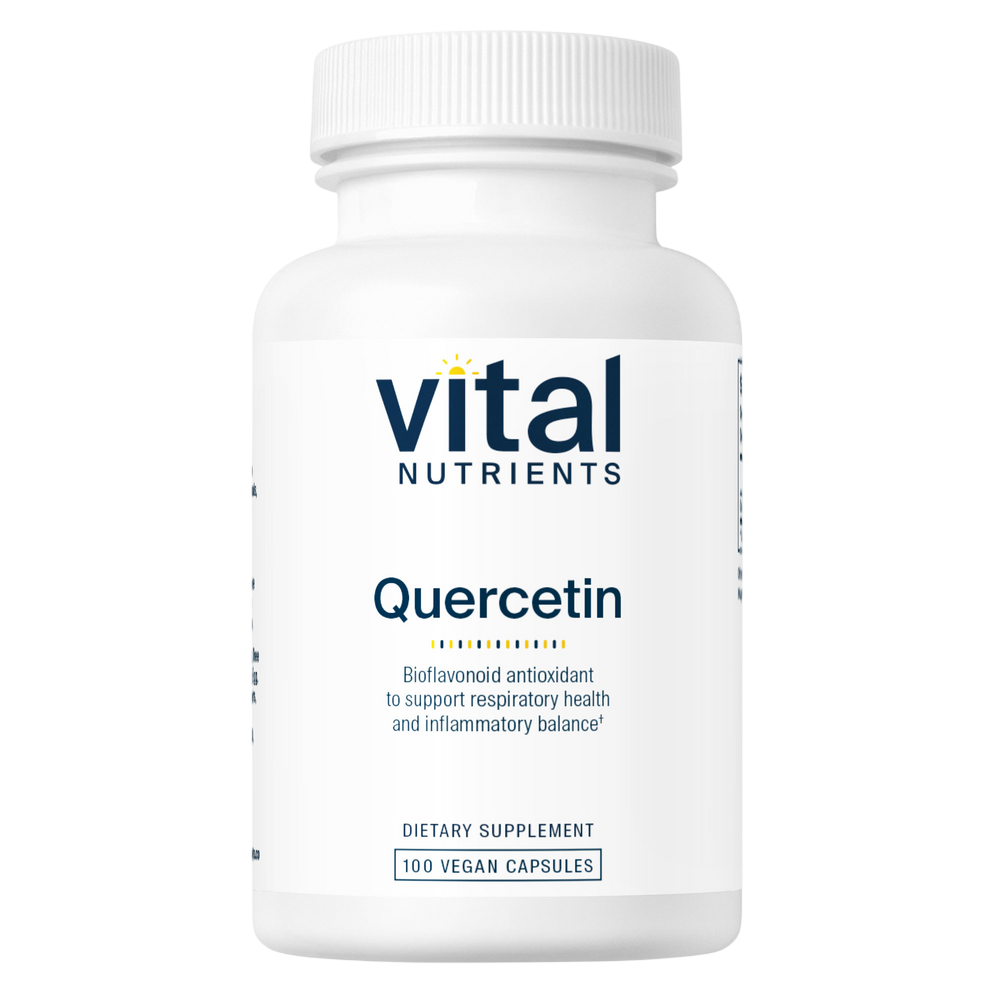
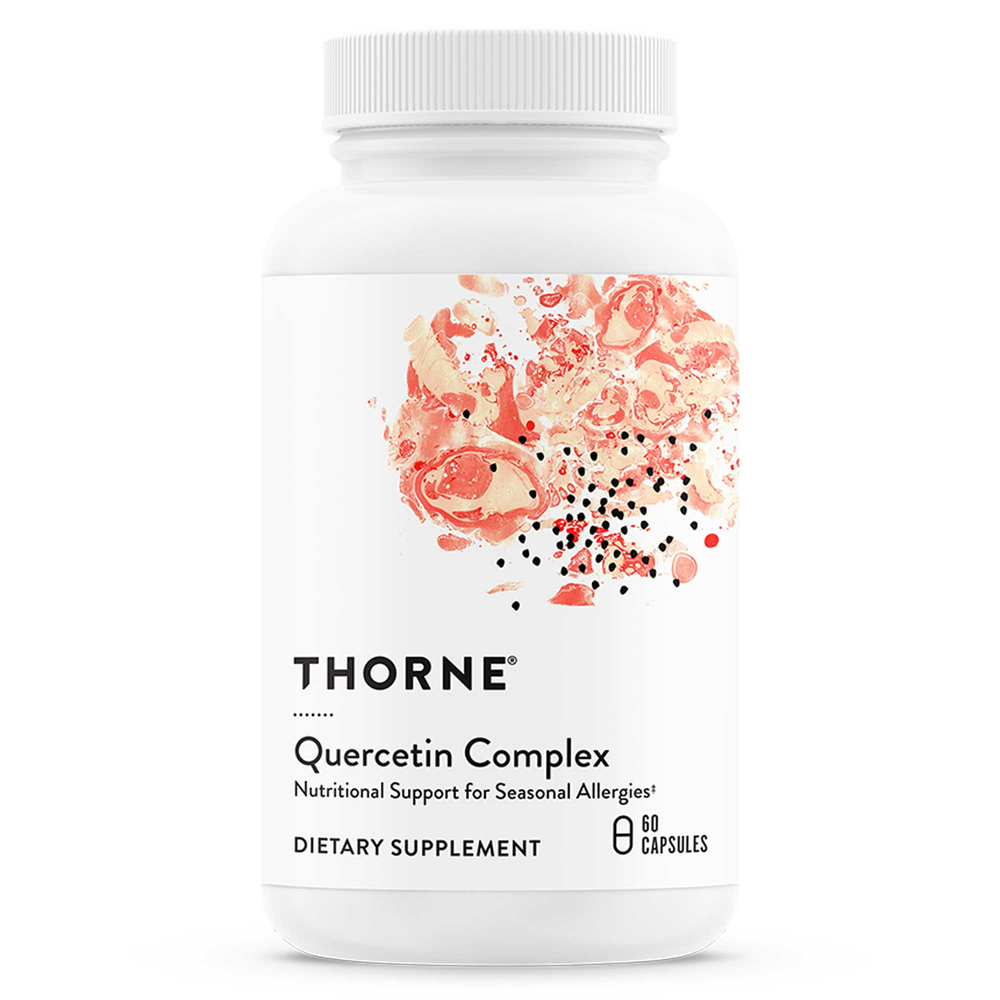
Quercetin is a flavonoid that supports histamine balance, immunity, and cardiovascular health.
Our vetting standard
Every quercetin formula here clears the same bar.
- Clinically studied, effective doses
- Bioavailable, well-absorbed forms
- Practitioner-grade, trusted brands
- Third-party tested for identity and potency
See if it's actually working
Quercetin stabilizes mast cells, so falling histamine with fewer allergic symptoms is the signal; hs-CRP covers the broader anti-inflammatory claim.
Quercetin FAQs
What does quercetin do?
Quercetin is a flavonoid found in onions, apples, and capers. It stabilizes mast cells (reducing histamine release), supports immune function, has antioxidant effects, and may help blood pressure. Often paired with vitamin C and bromelain for enhanced absorption.
How much quercetin should I take?
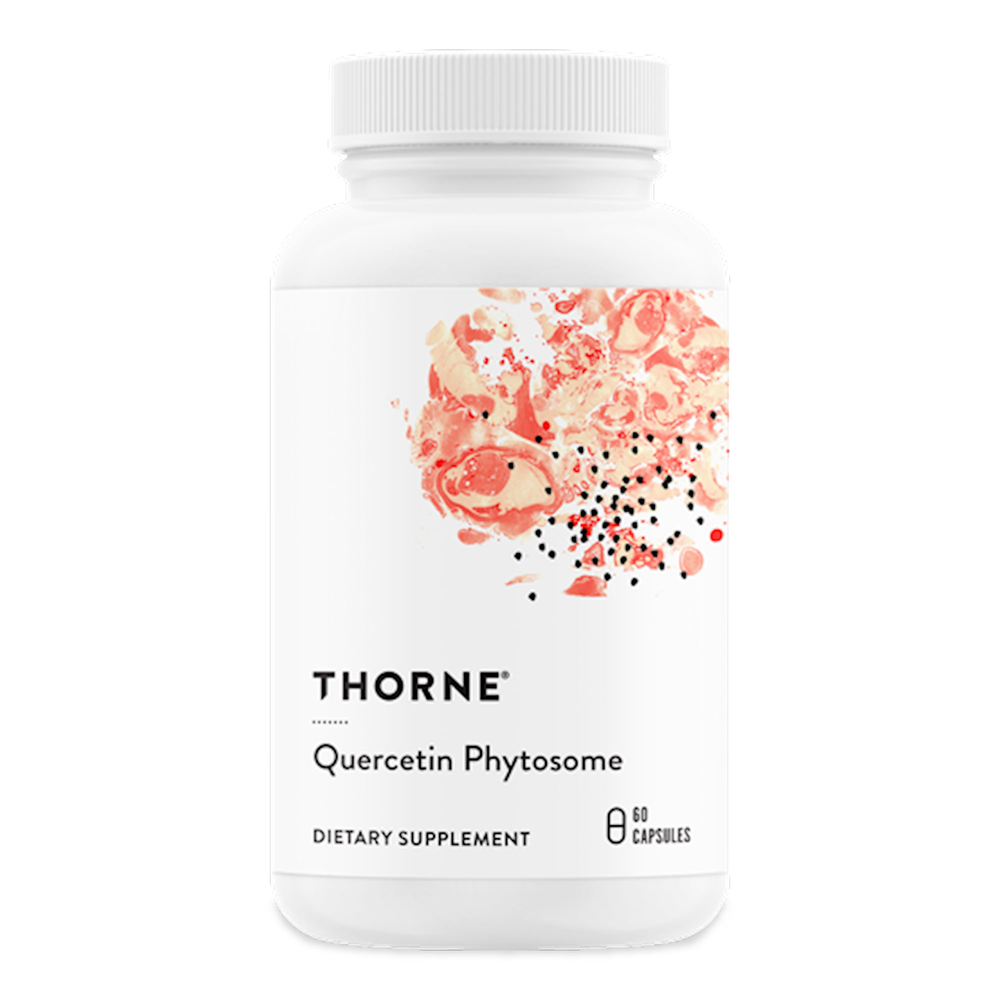
500–1,000 mg/day, often split into two doses with food. Quercetin phytosome forms absorb 10–20x better than standard quercetin and use lower doses (250–500 mg/day) for similar effect.
Are there interactions with quercetin?
Quercetin inhibits some CYP enzymes and can affect blood levels of certain drugs (including some chemotherapy and immunosuppressants). Talk to a clinician if you take prescription medications.
Quercetin vs. antihistamines — which works better?
Pharmaceutical antihistamines (Zyrtec, Allegra) work faster and stronger for acute allergy symptoms. Quercetin works upstream by stabilizing mast cells — slower onset but addresses the trigger. Many use both: quercetin daily, antihistamine as needed.
How long until quercetin works for allergies?
Mast cell stabilization builds gradually. Most people start seeing benefit after 1–2 weeks of daily use, with maximum effect at 4–6 weeks. Start before allergy season for best results.
What foods are high in quercetin?
Capers, red onions, kale, blueberries, apples (especially the skin), broccoli, cherries, and green tea. Cooking reduces quercetin content by 30–50%, so raw or lightly cooked is best.
Does quercetin help COVID or viral infections?
Some lab studies suggest quercetin has antiviral and zinc-ionophore properties. Clinical evidence is preliminary. It's commonly used in immune support stacks but shouldn't replace vaccines, antiviral medications, or other proven measures.
Should I take quercetin with bromelain?
Bromelain (from pineapple) is often paired with quercetin because it may improve absorption and adds anti-inflammatory effects. Many quality formulas combine them. Vitamin C also enhances quercetin's antihistamine action.