 Instalab
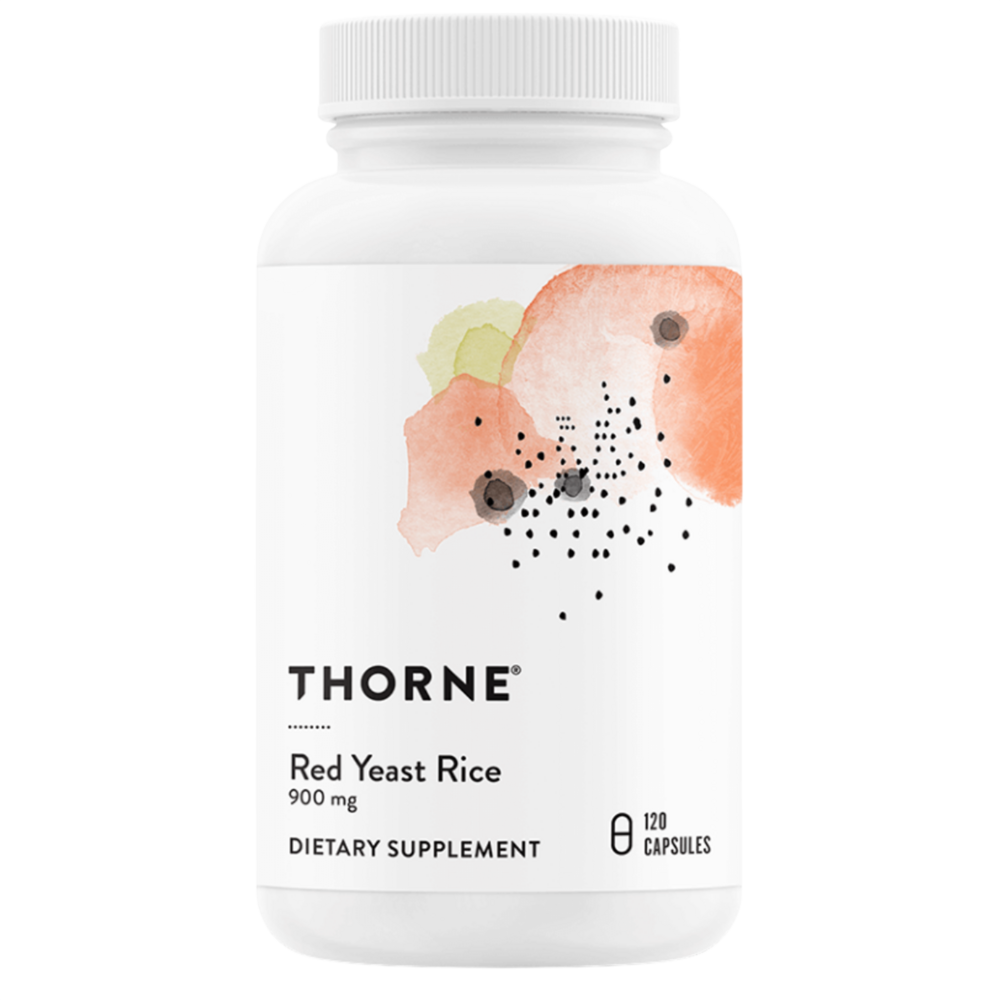
Red Yeast Rice
Red yeast rice contains naturally occurring monacolin K to support healthy cholesterol.
Our vetting standard
Every red yeast rice formula here clears the same bar.
- Clinically studied, effective doses
- Bioavailable, well-absorbed forms
- Practitioner-grade, trusted brands
- Third-party tested for identity and potency
See if it's actually working
Red yeast rice contains a natural statin, so this retest is both efficacy and safety: ApoB should fall while ALT and creatine kinase stay put.
Red Yeast Rice FAQs
How does red yeast rice work?
Red yeast rice contains monacolin K, which is chemically identical to the prescription statin lovastatin. It inhibits cholesterol synthesis through the same HMG-CoA reductase pathway and produces measurable LDL reductions in clinical trials.
How much red yeast rice should I take?
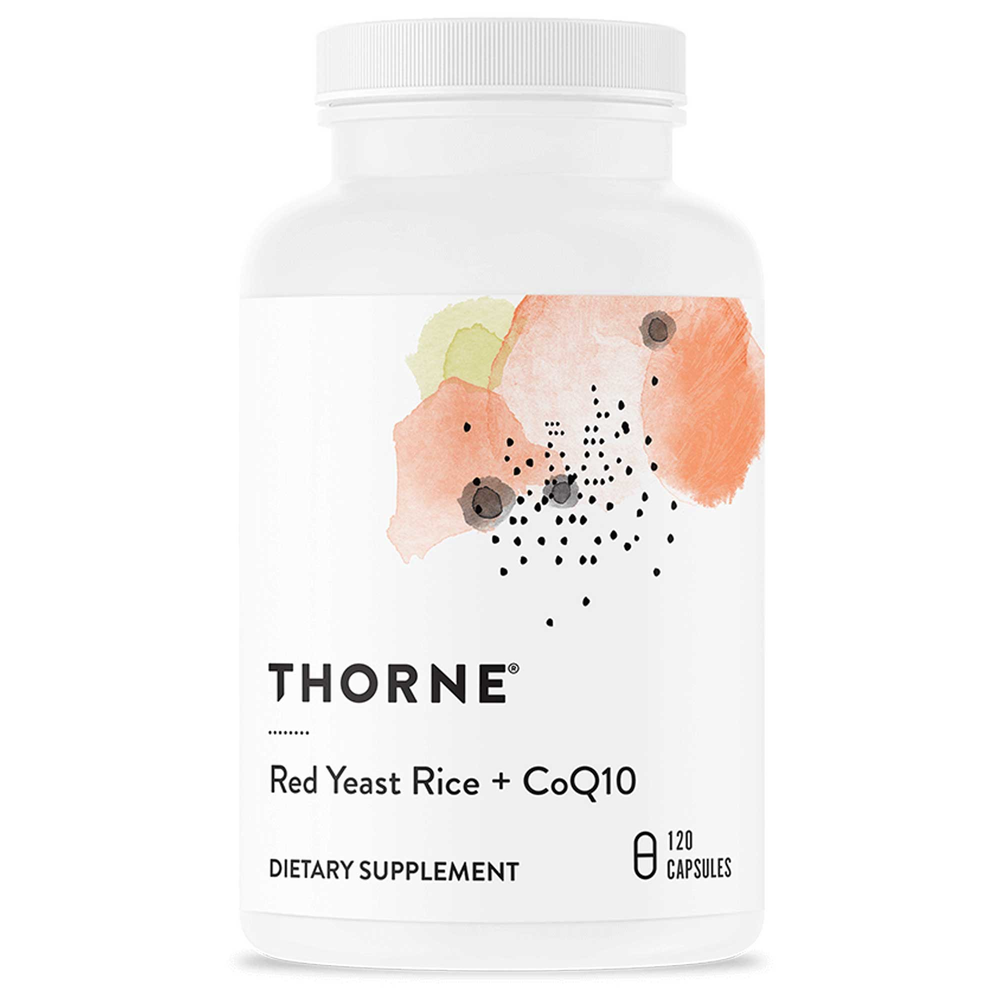
1,200–2,400 mg/day of a standardized extract, providing 5–10 mg of monacolin K. Lower starting doses help assess tolerance. Pair with CoQ10 (100–200 mg) since the same pathway depletes CoQ10.
Are the side effects similar to statins?
Yes — possible muscle aches, liver enzyme elevations, and (rarely) rhabdomyolysis. Don't combine with prescription statins. Avoid in pregnancy, liver disease, or with grapefruit juice. Monitor liver enzymes if taking long-term.
Red yeast rice vs. statins — what's the difference?
Prescription statins are dose-standardized and FDA-regulated. Red yeast rice content of monacolin K varies dramatically between products. Statins reduce LDL more (30–50%); red yeast rice reduces LDL 15–25%. RYR works for milder elevations or statin intolerance.
How long until I see cholesterol changes?
LDL changes appear within 4–8 weeks. Recheck a lipid panel at 8–12 weeks to assess effect. Some people respond robustly, others less so — a trial-and-recheck approach is standard.
Why pair red yeast rice with CoQ10?
Both prescription statins and RYR inhibit the mevalonate pathway, which also produces CoQ10. Supplementing 100–200 mg CoQ10 may reduce muscle aches and fatigue commonly reported with these compounds.
Why is RYR controversial?
FDA has warned that products containing significant monacolin K are technically unapproved drugs. Many products on the market have been reformulated to contain little or no monacolin K — making them ineffective. Choose brands with verified content.
Can I take RYR with other cholesterol supplements?
Yes — common stacks include RYR with bergamot, plant sterols, or psyllium. Don't combine RYR with prescription statins (additive toxicity risk) or fibrates without clinician oversight.