 Instalab
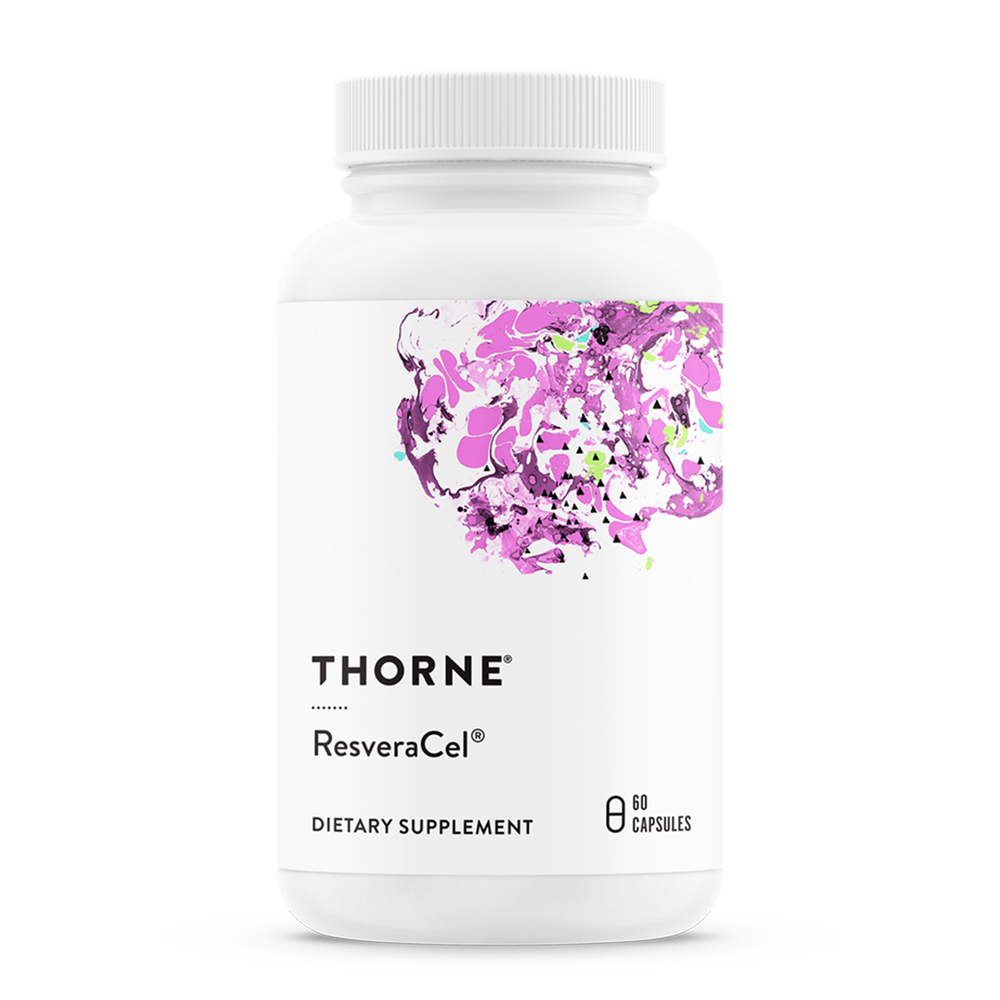
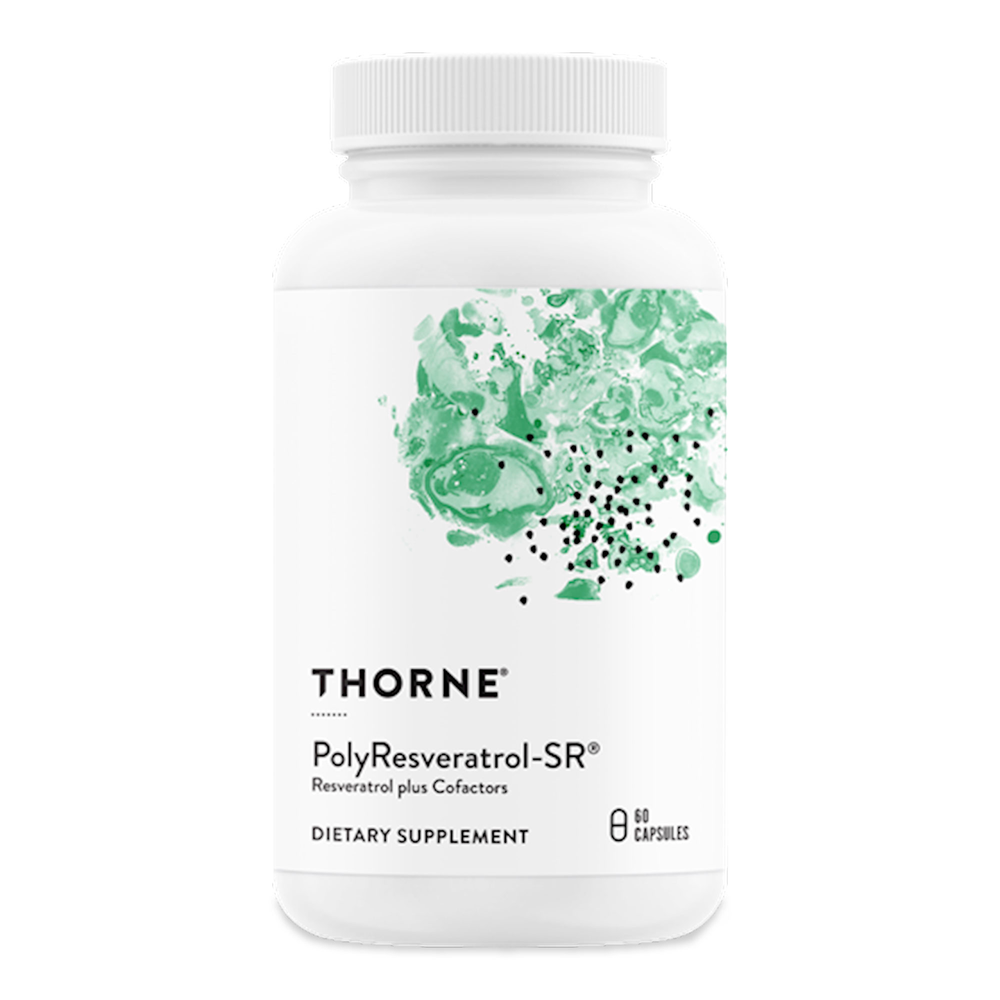
Resveratrol
Resveratrol is a polyphenol from red grapes that supports longevity and cardiovascular pathways.
Our vetting standard
Every resveratrol formula here clears the same bar.
- Clinically studied, effective doses
- Bioavailable, well-absorbed forms
- Practitioner-grade, trusted brands
- Third-party tested for identity and potency
See if it's actually working
Human effects are modest and inconsistent, so treat a flat hs-CRP and HbA1c at three months as a genuine answer rather than a reason to escalate the dose.
Resveratrol FAQs
What does resveratrol do?
Resveratrol is a polyphenol that activates sirtuins (longevity-related enzymes), supports endothelial function, and has antioxidant effects. It's been studied for cardiovascular health, blood sugar, and cellular aging pathways.
How much resveratrol should I take?
100–500 mg/day. Trans-resveratrol (the bioactive form) at 250–500 mg shows effects on metabolic markers in studies. Higher doses (1–2 g) have been used in research but may cause GI upset.
Should I take it with anything?
With a meal containing fat for better absorption. Pairing with quercetin or piperine may improve bioavailability. Some longevity protocols pair resveratrol with NAD precursors (NMN/NR), though benefit of stacking isn't proven.
Resveratrol vs. red wine — can I just drink wine?
To get a 250 mg dose from red wine you'd need 100+ glasses. The amounts in wine are too low to replicate study doses, and the alcohol negates benefits. Supplements provide therapeutic doses without the alcohol load.
Trans-resveratrol vs. cis-resveratrol?
Trans-resveratrol is the active form used in clinical research. Cis-resveratrol forms when trans is exposed to light or heat and has weaker biological activity. Look for products specifying high trans-resveratrol content (98%+).
How long until I see effects?
Effects on metabolic markers (insulin sensitivity, blood pressure) typically appear within 4–12 weeks. Cellular and longevity benefits accumulate over months to years and aren't directly felt — they're inferred from biomarkers.
Are there food sources of resveratrol?
Red grape skins, red wine (small amounts), peanuts, dark chocolate, and some berries (lingonberries, blueberries). Japanese knotweed (Polygonum cuspidatum) is the main commercial source for supplements.
Does resveratrol actually slow aging?
In animal studies, yes — but dose-equivalents and species differences matter. In humans, evidence is strongest for metabolic health and cardiovascular markers. Direct lifespan extension hasn't been proven.