 Instalab
Selenium
Selenium is a trace mineral supporting thyroid, immune, and antioxidant function.
Our vetting standard
Every selenium formula here clears the same bar.
- Clinically studied, effective doses
- Bioavailable, well-absorbed forms
- Practitioner-grade, trusted brands
- Third-party tested for identity and potency
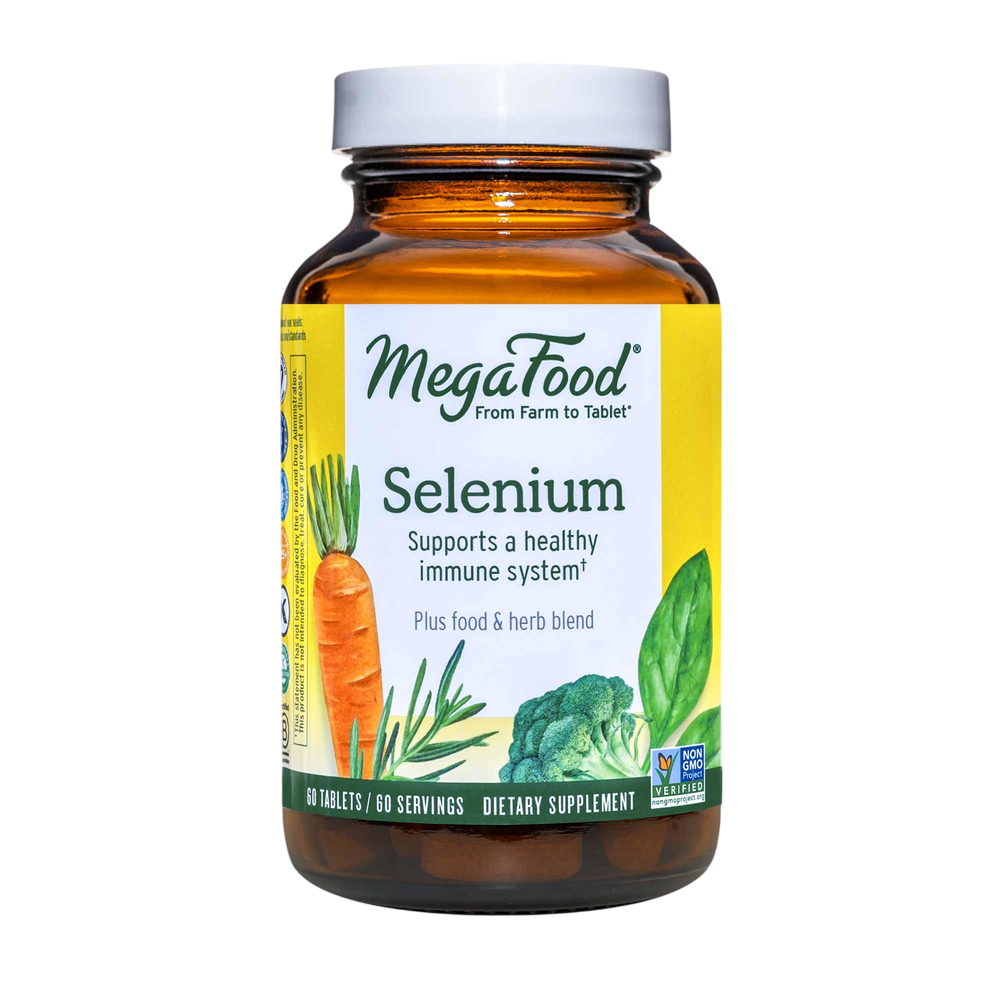
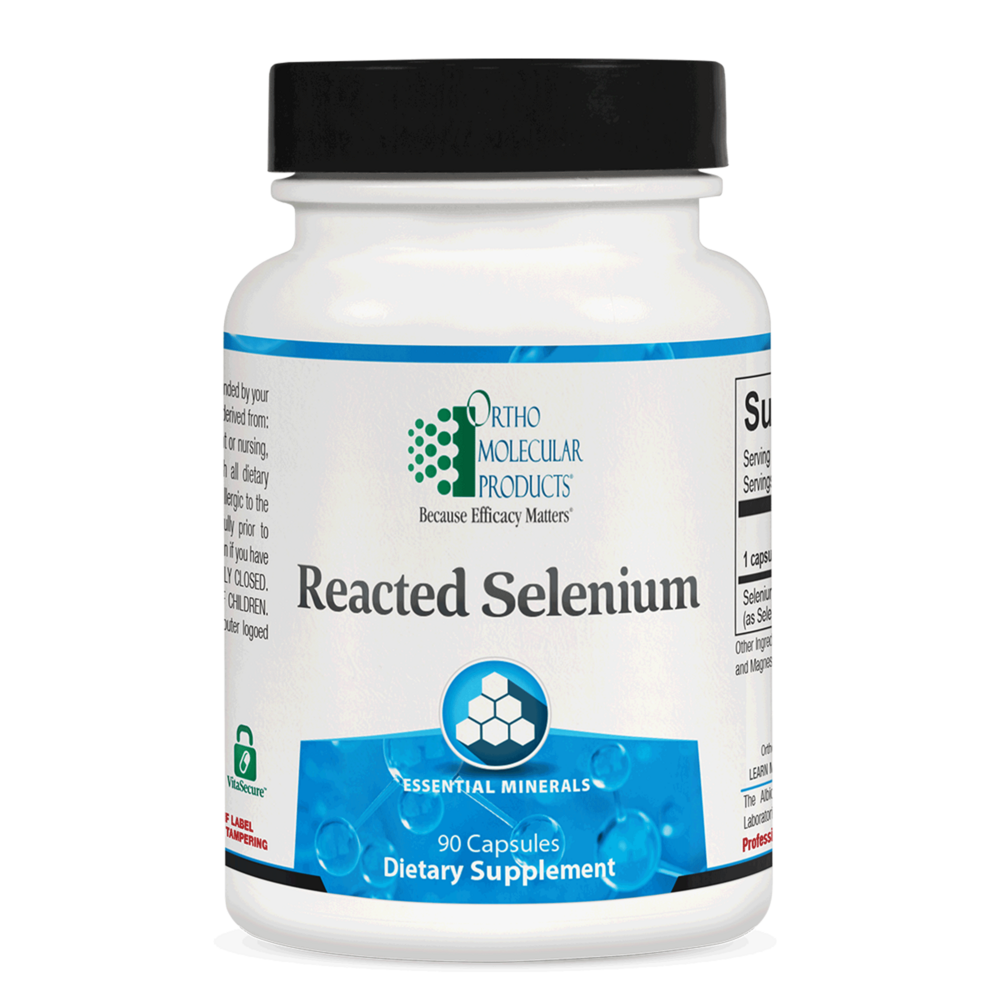
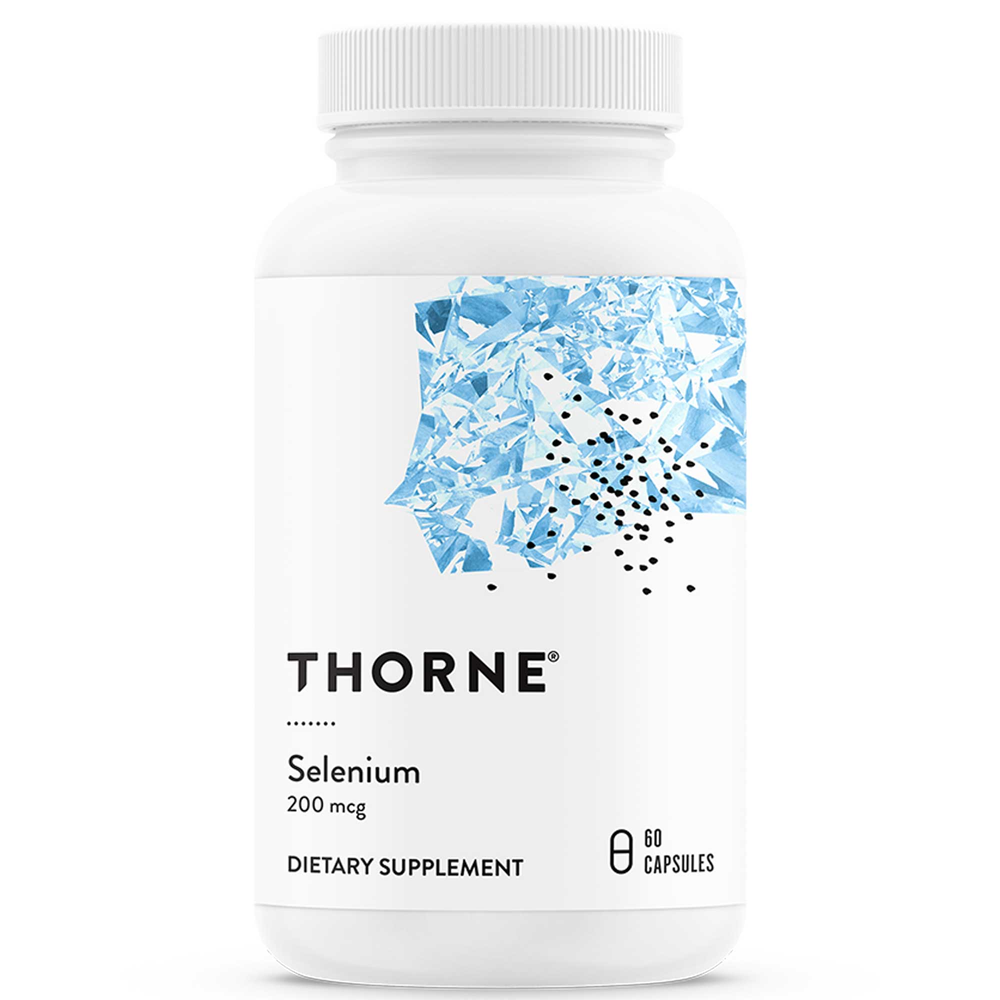
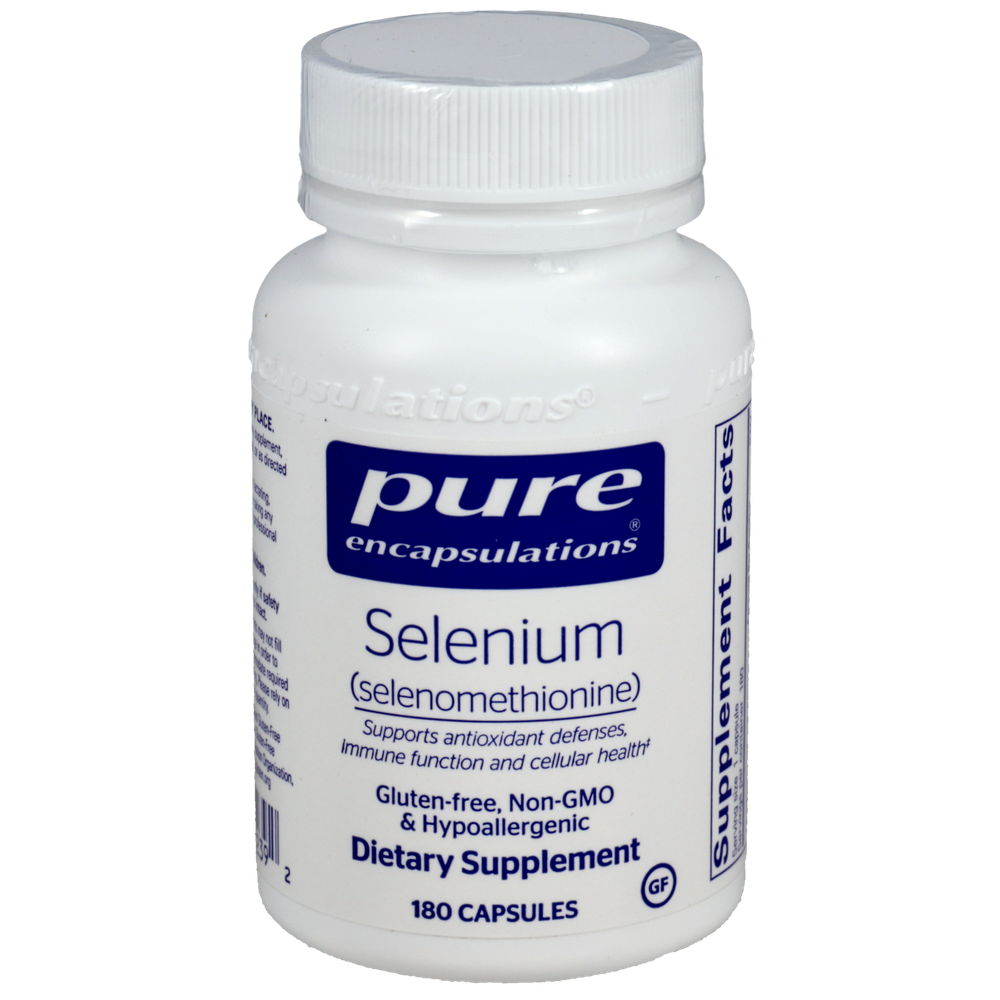
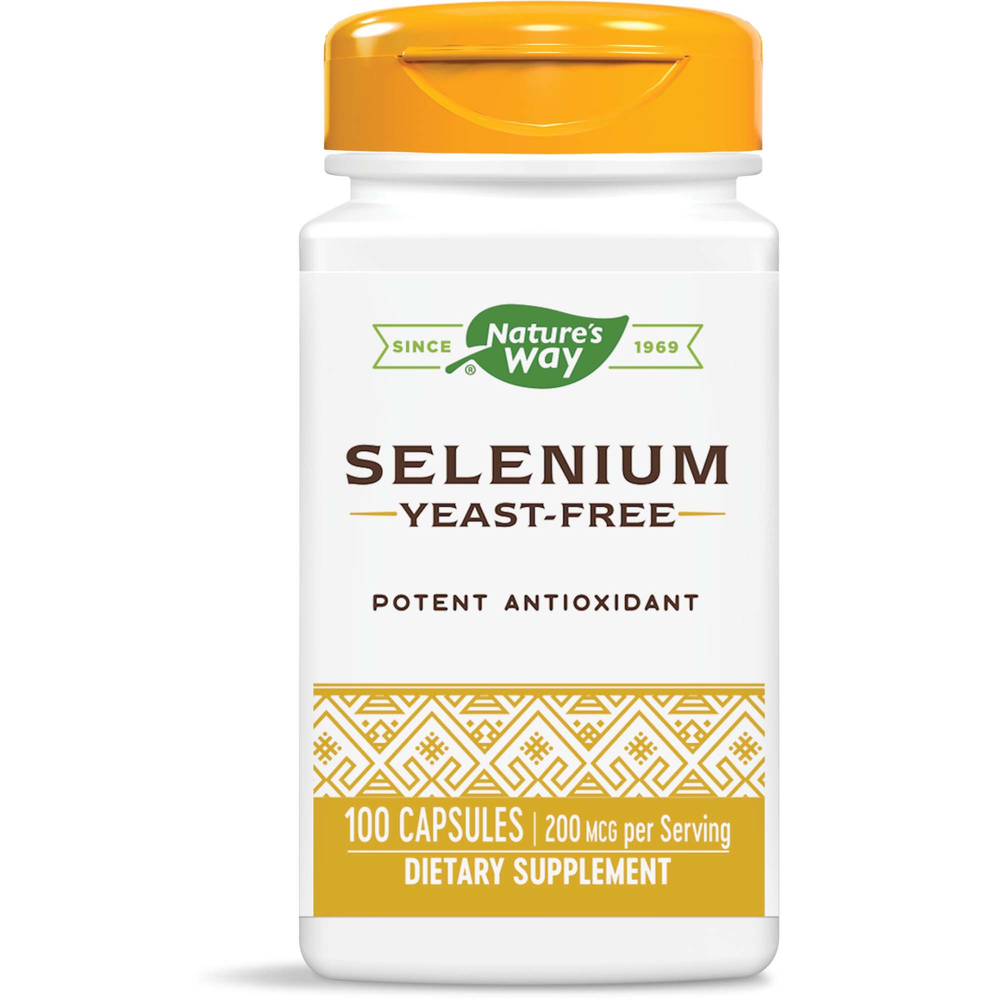
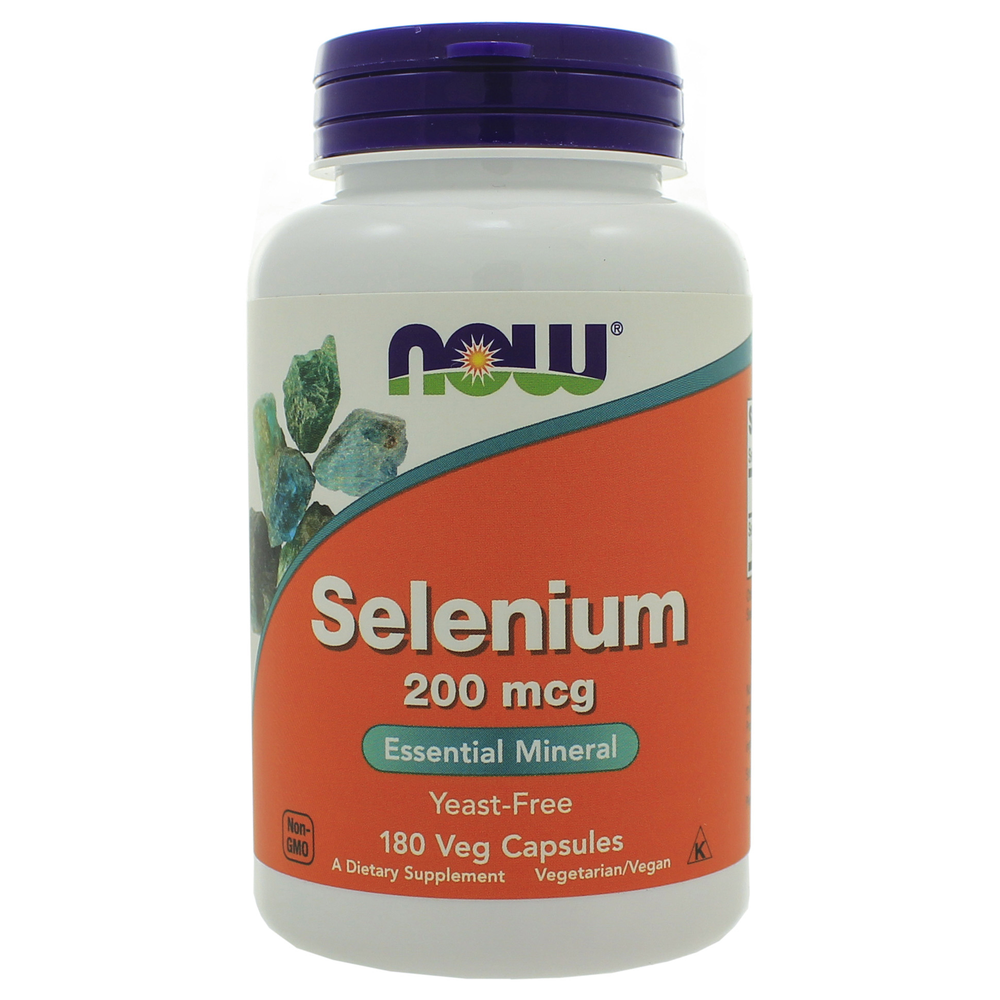
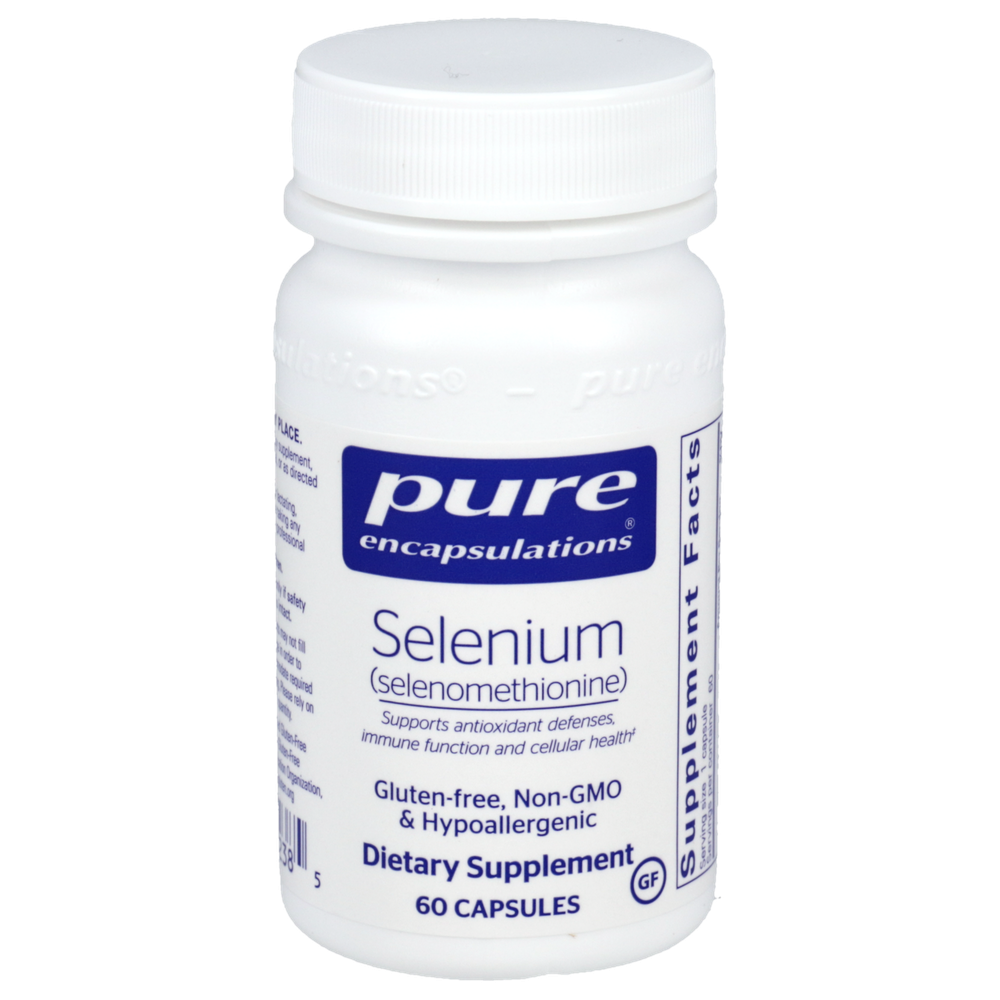
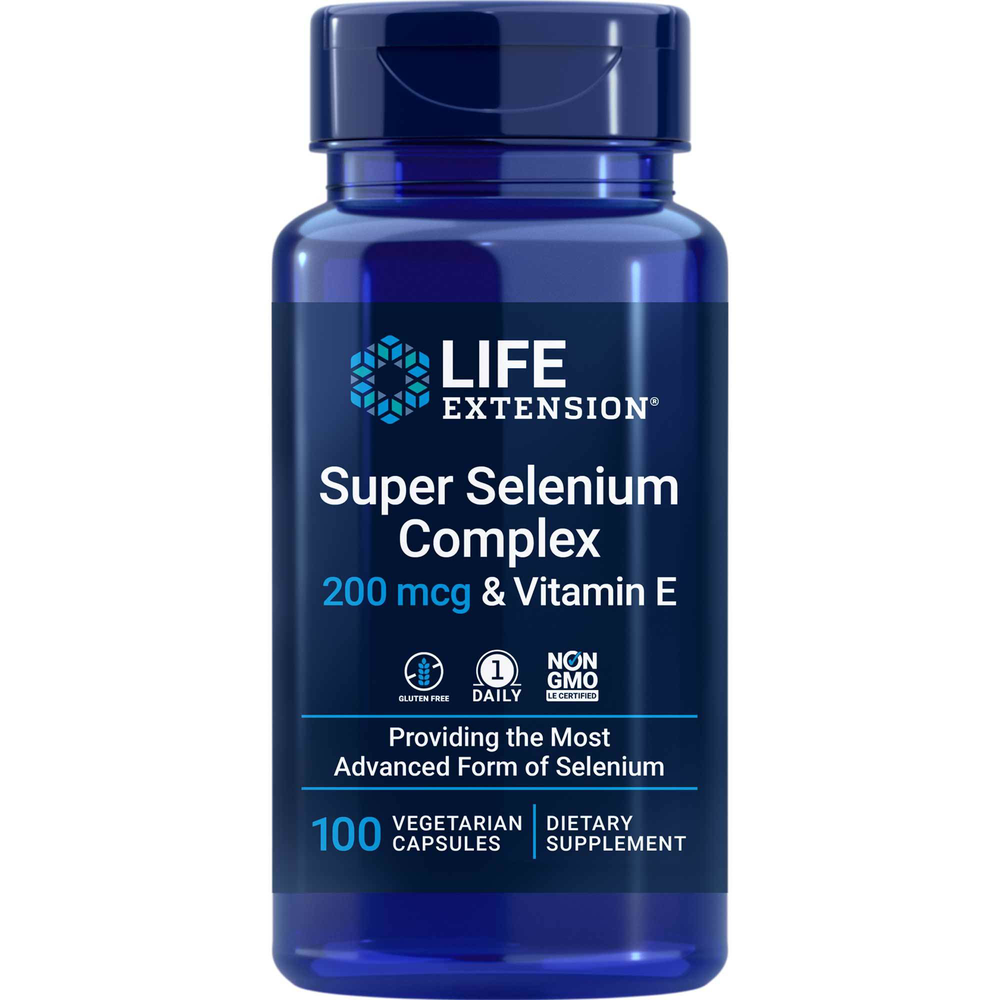
See if it's actually working
Falling TPO antibodies is the best-supported selenium effect in thyroid autoimmunity, but the reduction only becomes clear around six months - trials at three months are inconsistent - so judge it then, and keep the level in range, since the toxicity window is narrow.
Selenium FAQs
What does selenium do?
Selenium is a cofactor for glutathione peroxidase (a key antioxidant enzyme) and for converting T4 to active T3 thyroid hormone. It's important for thyroid health, immune function, fertility, and may reduce thyroid antibody levels in Hashimoto's.
How much selenium should I take?
Adult RDA is 55 mcg/day. Studies use 100–200 mcg/day for thyroid and immune support. Selenomethionine is the most bioavailable form. Don't exceed 400 mcg/day from supplements long-term — selenium toxicity can occur.
Can I get enough selenium from food?
Brazil nuts are extraordinarily rich — 2–3 nuts can provide 100% of daily needs. Seafood, organ meats, and grains grown in selenium-rich soil are also good sources. Soil selenium varies geographically, so dietary intake varies.
Selenomethionine vs. selenium yeast vs. selenite?
Selenomethionine: most bioavailable, builds tissue stores. Selenium yeast: similar profile, contains multiple seleno-amino acids. Sodium selenite: cheap, less bioavailable, used in cheap multis. For thyroid support, choose selenomethionine.
How does selenium help Hashimoto's?
Selenium reduces TPO antibodies in Hashimoto's by an average of 30–40% in studies, particularly with selenomethionine at 200 mcg/day for 3+ months. It supports the enzymes that protect the thyroid from oxidative damage during hormone production.
Are there signs of selenium deficiency?
Hair loss, fatigue, weakened immunity, fertility issues, brain fog, and slow thyroid function. Severe deficiency causes Keshan disease (cardiomyopathy). Test serum selenium if you suspect deficiency, especially if vegan or living in low-selenium soil regions.
Can you have too much selenium?
Yes — selenium toxicity (selenosis) causes hair loss, brittle nails, garlic breath, GI symptoms, and nerve damage. The upper limit is 400 mcg/day. People who eat many Brazil nuts plus take a multi can exceed this. Don't double up sources.
Should I take selenium with iodine?
Yes for thyroid health — both are needed. Selenium without enough iodine has limited effect. Iodine without selenium can worsen autoimmune thyroiditis. They work together. A thyroid support formula or testing both levels is the safest approach.
Is selenium safe in pregnancy?
Adequate selenium is important in pregnancy (60 mcg/day RDA). It's included in most prenatals at safe doses. Don't take additional high-dose selenium in pregnancy without clinician guidance — too much is harmful to fetal development.