 Instalab
Stress Support
Stress support formulas combine ashwagandha, rhodiola, magnesium, and L-theanine for resilience.
Our vetting standard
Every stress support formula here clears the same bar.
- Clinically studied, effective doses
- Bioavailable, well-absorbed forms
- Practitioner-grade, trusted brands
- Third-party tested for identity and potency
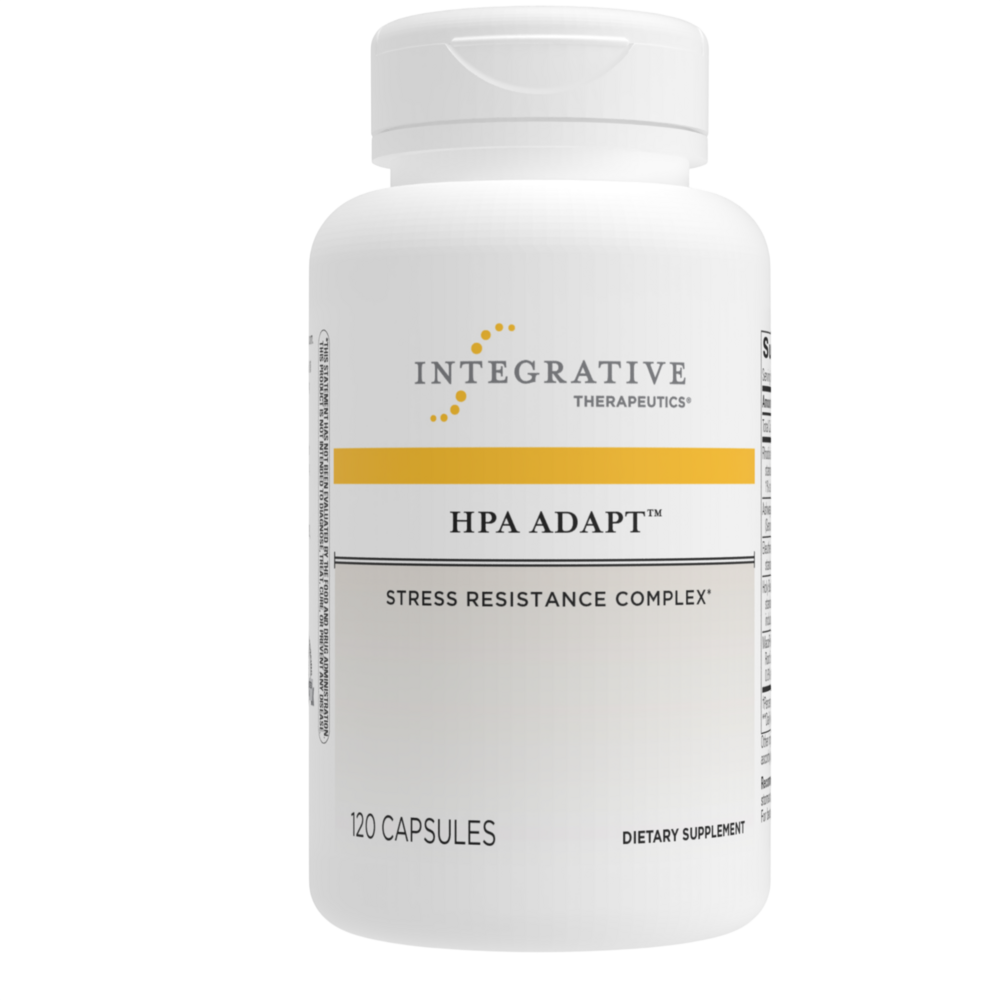
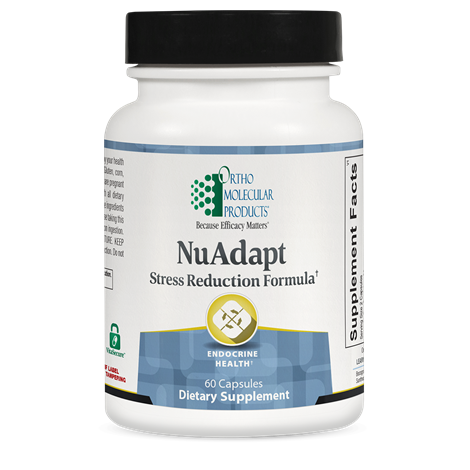
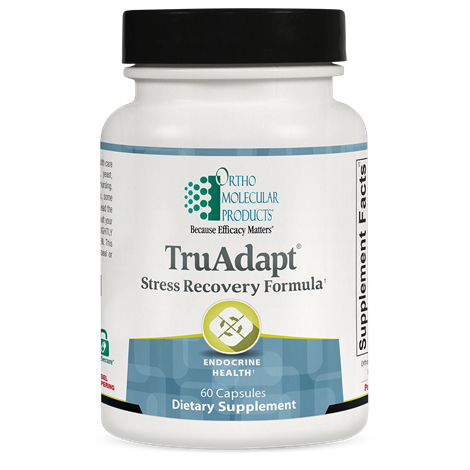
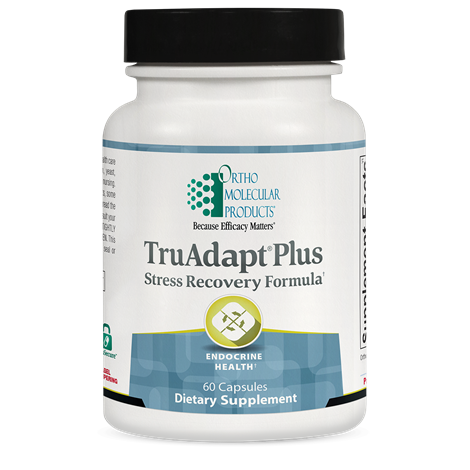
See if it's actually working
Perceived stress and sleep are the endpoints; cortisol and DHEA-S are context, not proof, since no supplement has been shown to normalize an HPA axis and a markedly abnormal cortisol needs a workup, not a stack.
Stress Support FAQs
What's in a stress support formula?
Adaptogens (ashwagandha, rhodiola, holy basil, eleuthero), L-theanine, magnesium glycinate, B vitamins, and sometimes phosphatidylserine for cortisol balance. These work together to support HPA axis function and stress resilience.
How long until stress support kicks in?
Some effects (theanine, magnesium) feel acute within hours. Adaptogens typically need 2–4 weeks of daily use to show clear benefits. Effects compound over 6–8 weeks.
Can I take stress support with anti-anxiety medications?
Some adaptogens can have additive effects with sedatives or anxiolytics. Talk to a clinician before combining, especially with benzodiazepines, SSRIs, or sleep medications. They're typically complementary rather than redundant.
Stress support vs. anti-anxiety medication — which is better?
Prescription medications (SSRIs, benzodiazepines, buspirone) are stronger and faster-acting, used for diagnosed anxiety disorders. Stress support builds physiological resilience over weeks. Many people use both: meds for acute symptoms, supplements for daily HPA axis support.
What are adaptogens?
Adaptogens are botanicals (ashwagandha, rhodiola, holy basil, eleuthero, panax ginseng, schisandra) that help the body resist physical, emotional, and biological stressors. They modulate cortisol and neurotransmitter pathways without causing sedation.
Will stress support make me drowsy?
Most well-formulated daytime stress support won't sedate. Ashwagandha is calming but rarely sedating. L-theanine produces calm focus. Higher doses of magnesium glycinate can be relaxing — take in the evening if drowsy.
When should I take stress support?
Adaptogens are typically taken in the morning or split between morning and afternoon. Some (especially ashwagandha) can also support sleep when taken in the evening. Avoid stimulating adaptogens (rhodiola, ginseng) after 2–3 PM.
Can stress support help with cortisol problems?
Adaptogens like ashwagandha, rhodiola, and holy basil have been shown to lower elevated cortisol. They don't fix problems with the adrenal glands themselves — they help the brain-adrenal feedback loop respond more proportionally to stress.