 Instalab
SuperGreens
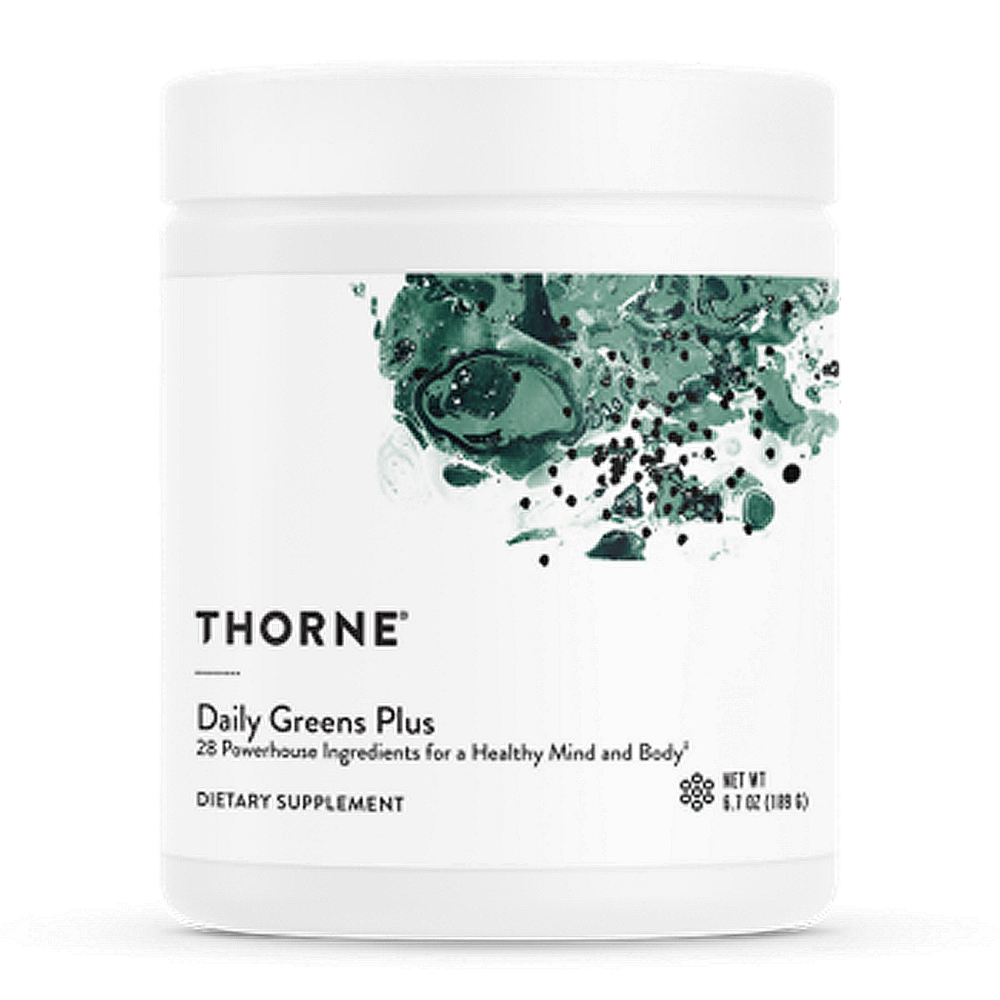
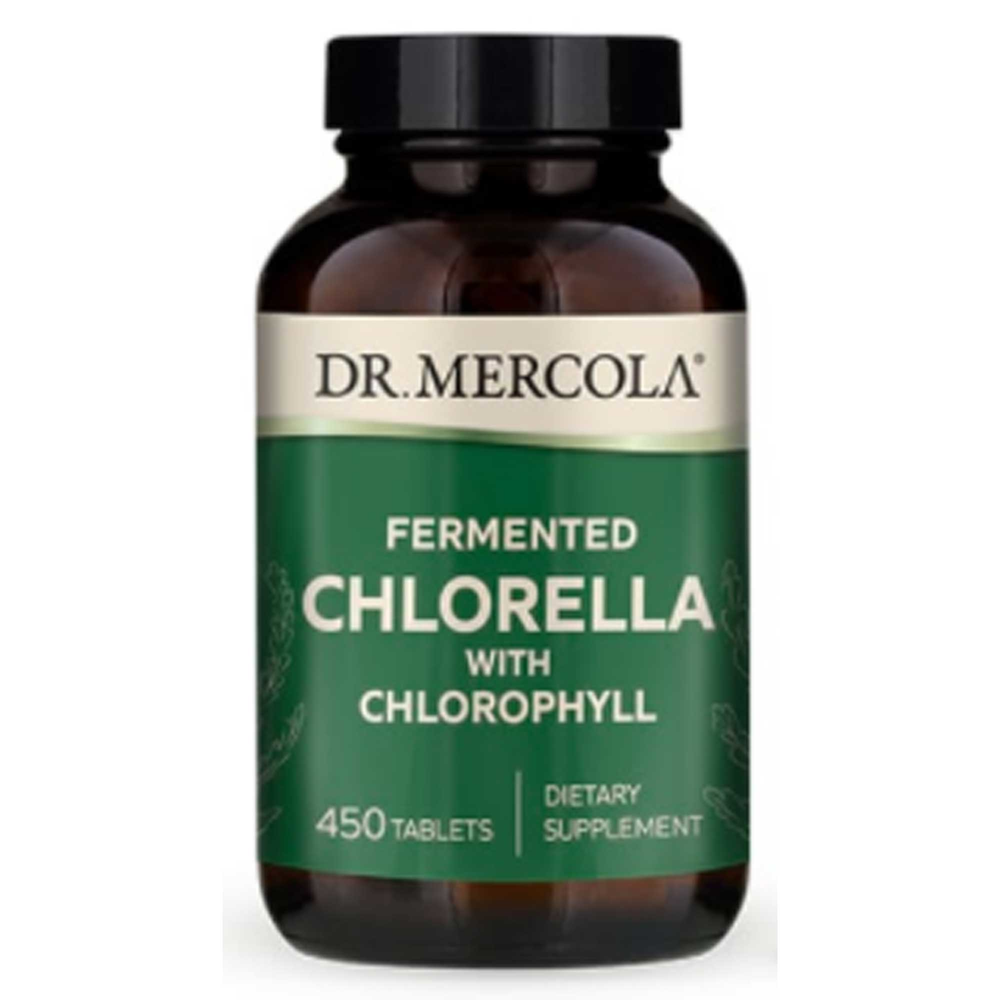
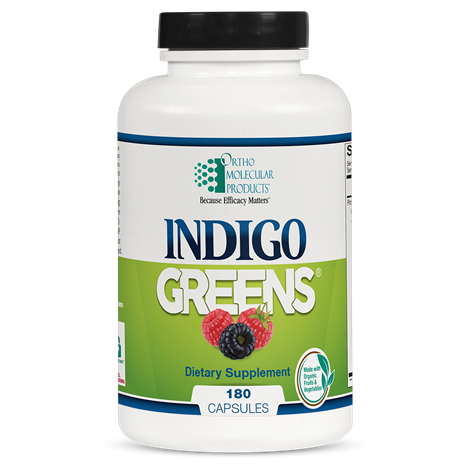
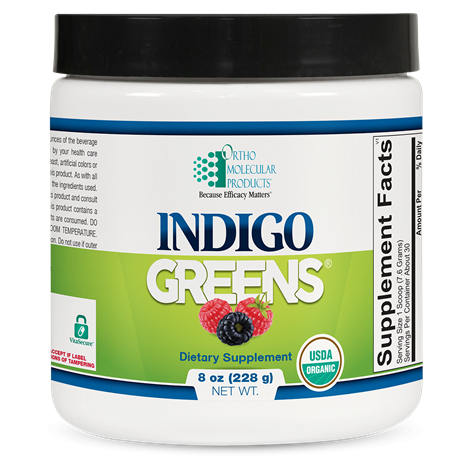
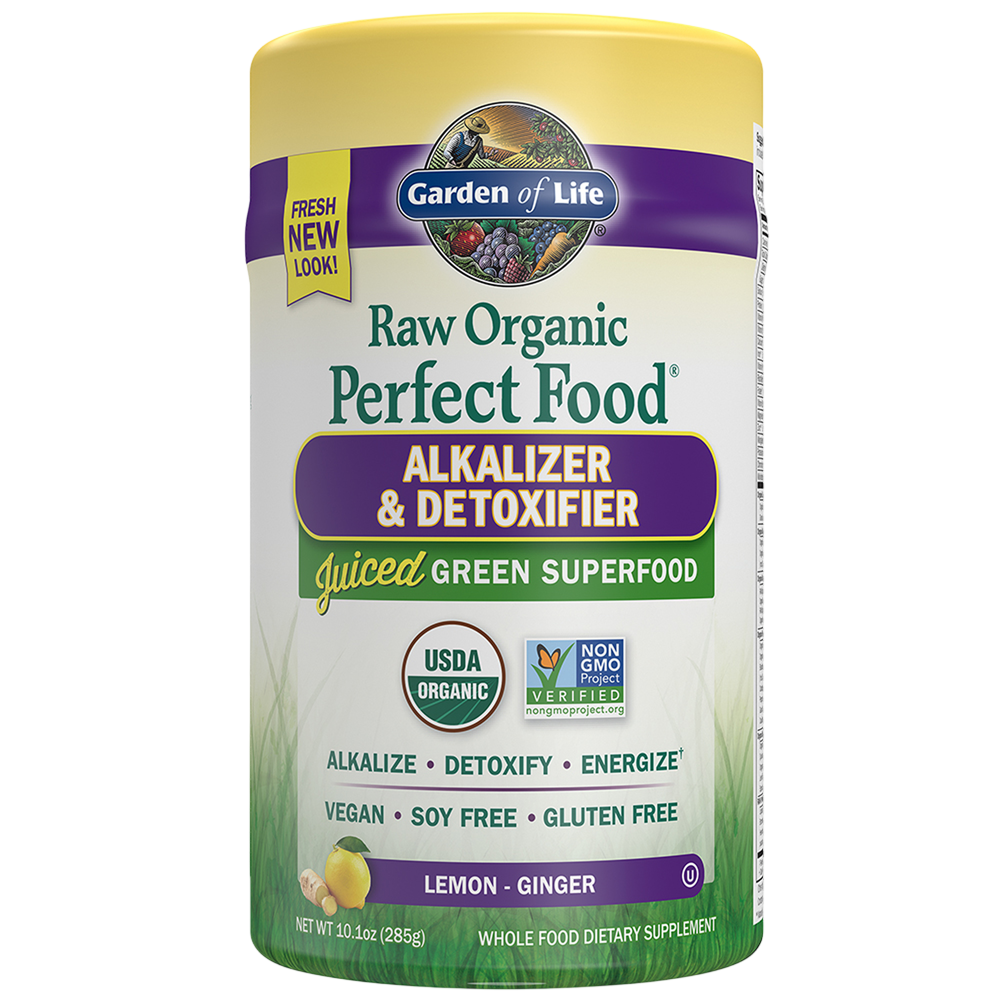
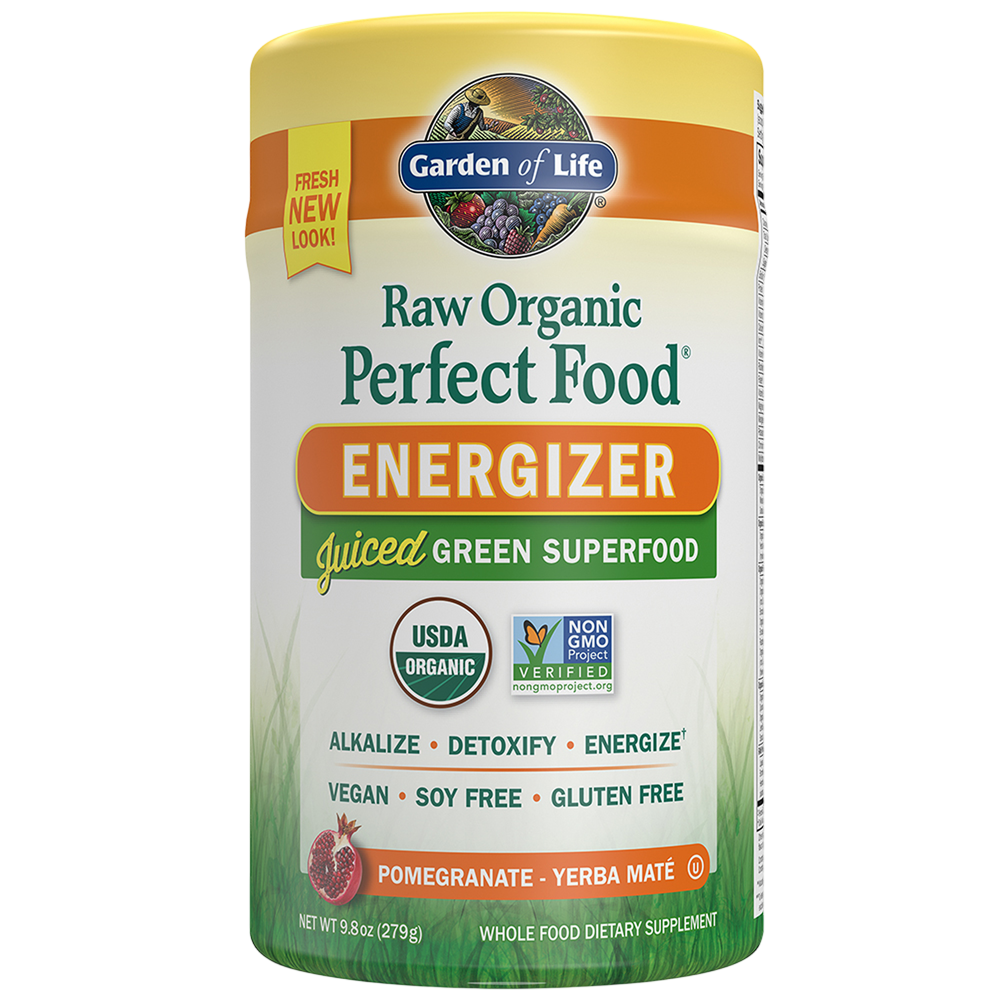
SuperGreens powders combine concentrated greens, vegetables, and antioxidants.
Our vetting standard
Every supergreens formula here clears the same bar.
- Clinically studied, effective doses
- Bioavailable, well-absorbed forms
- Practitioner-grade, trusted brands
- Third-party tested for identity and potency
See if it's actually working
Greens powders vary enormously, so this retest checks what actually got in; iodine is included because kelp-containing blends can deliver far more than expected.
SuperGreens FAQs
What's in a SuperGreens powder?
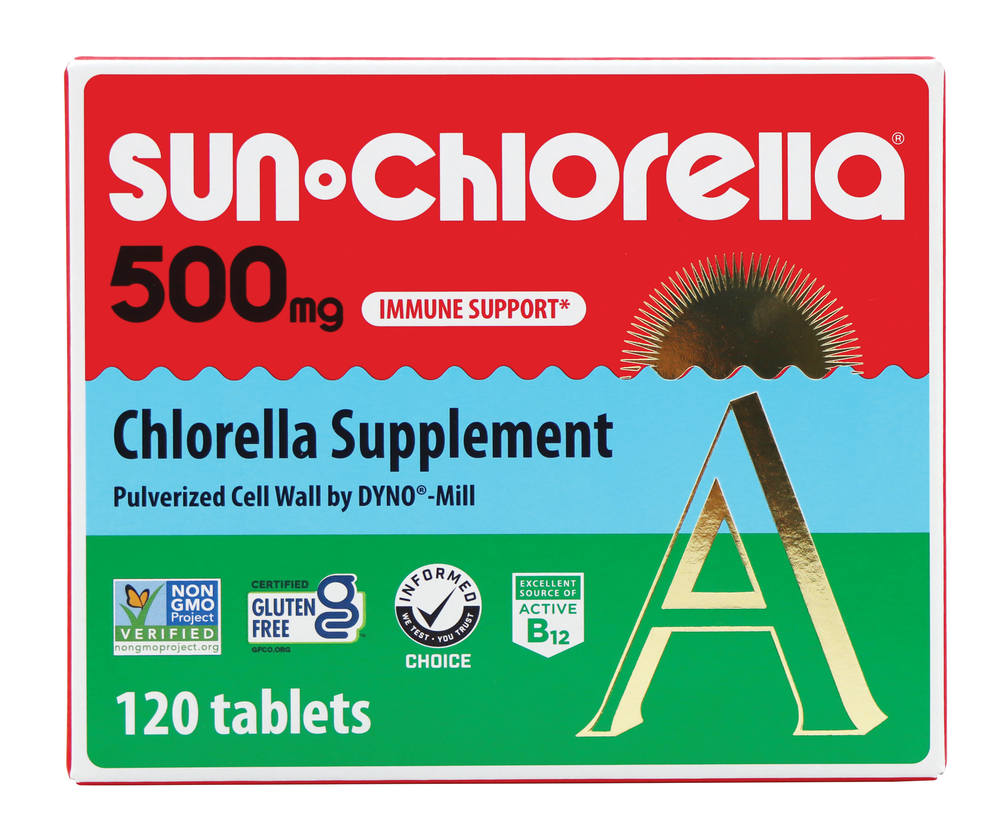
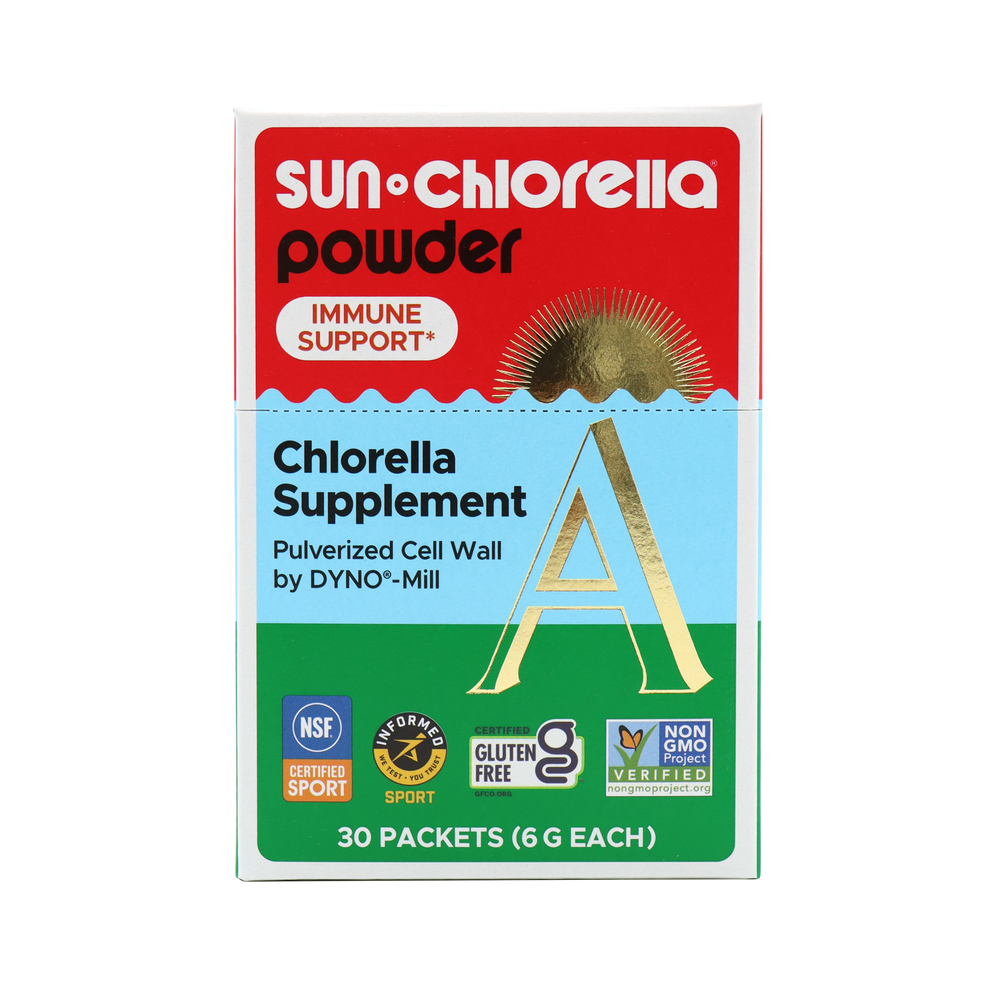
Common ingredients: spirulina, chlorella, wheatgrass, barley grass, kale, spinach, broccoli, beet root, plus added probiotics, digestive enzymes, and adaptogens. They're concentrated nutrient density in a scoop.
Can SuperGreens replace eating vegetables?
No. SuperGreens powders are useful for filling micronutrient gaps and adding phytonutrients, but they lack the fiber and food matrix of whole vegetables. Use them as a supplement to a vegetable-rich diet, not a substitute.
What should I look for in a quality greens powder?
Third-party tested for heavy metals (some imported greens are contaminated), no proprietary blends hiding amounts, organic ingredients when possible, no excess added sugar. Read labels carefully — quality varies dramatically.
When is the best time to take SuperGreens?
Most people take them in the morning, blended into water, juice, or a smoothie. Some find afternoon use helps energy. Avoid taking too close to thyroid medication (cruciferous greens may interfere) — separate by 4 hours.
Will SuperGreens help me lose weight?
Not directly. They're low-calorie nutrient supplements, not weight loss formulas. Indirect benefits (better energy, gut health, reduced cravings for processed food) may support weight management, but don't expect dramatic results from greens alone.
Can I take SuperGreens during pregnancy?
Check the formula. Many adaptogens, herbs, and high-dose vitamins included in greens powders aren't recommended in pregnancy. A prenatal-specific formula is safer. Always run greens powder ingredients past your obstetrician.
Do greens powders interact with medications?
Possibly — vitamin K from leafy greens affects warfarin; alfalfa interacts with immunosuppressants and blood thinners; cruciferous concentrates affect thyroid medications. Show your medication list to a clinician before adding a high-dose greens product.
How long until I notice benefits?
Some people feel modest energy or digestion improvements within a week. Bigger changes (skin, mood, immune resilience) usually require 4–8 weeks of daily use. Powders work best alongside whole foods, not as their replacement.