 Instalab
Trace Minerals
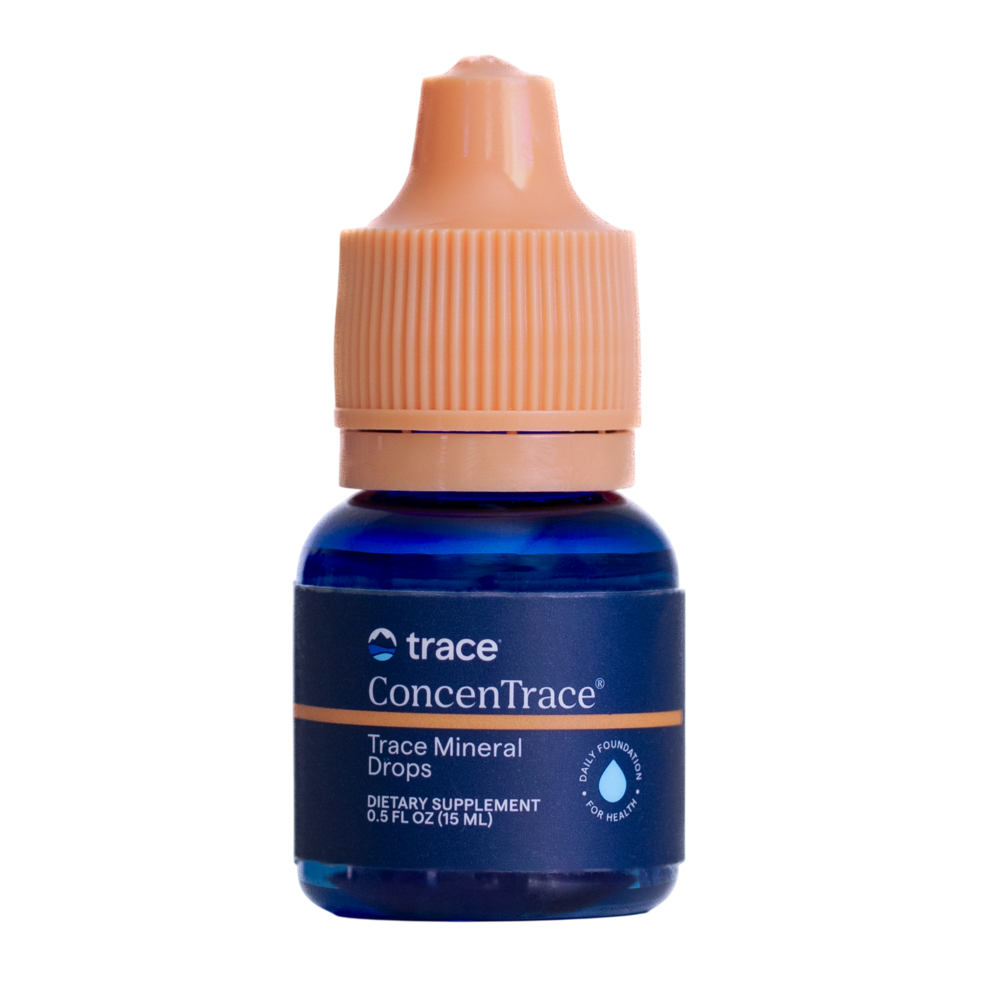
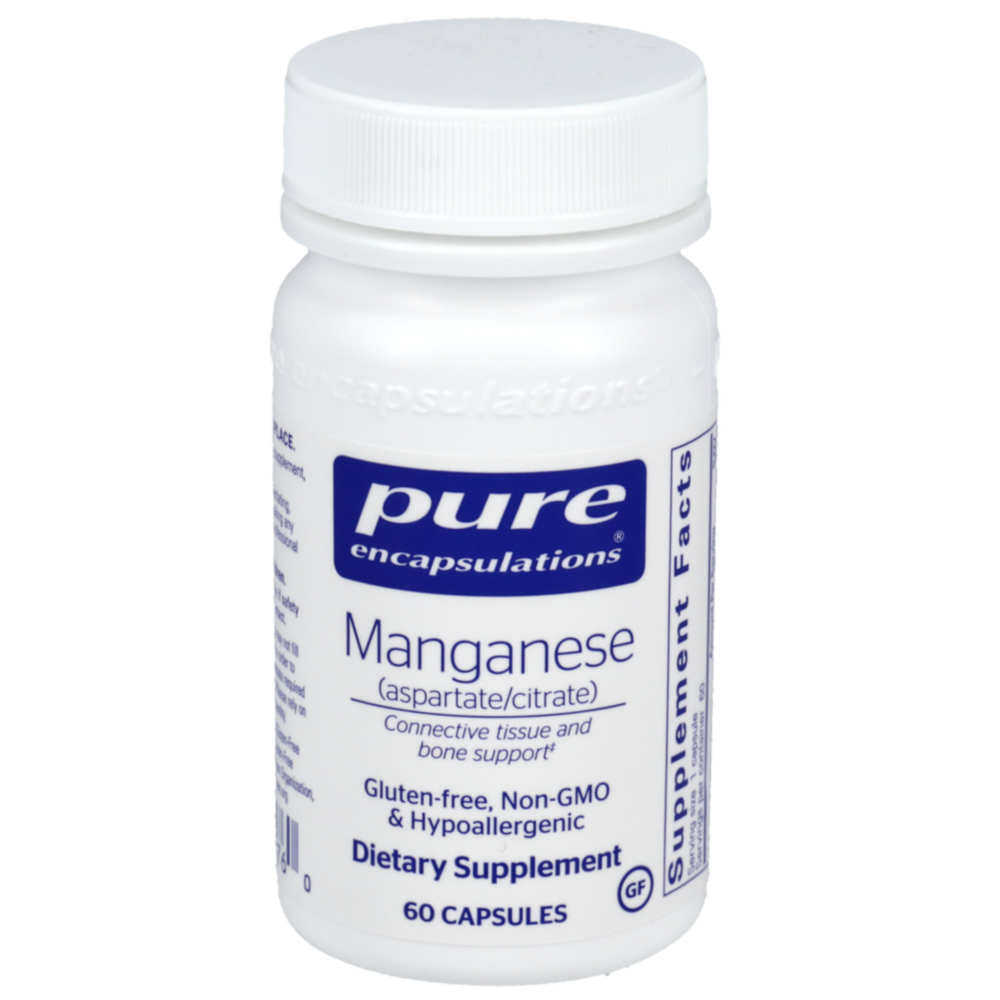
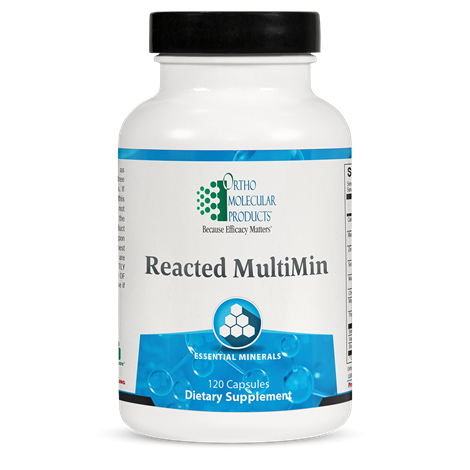
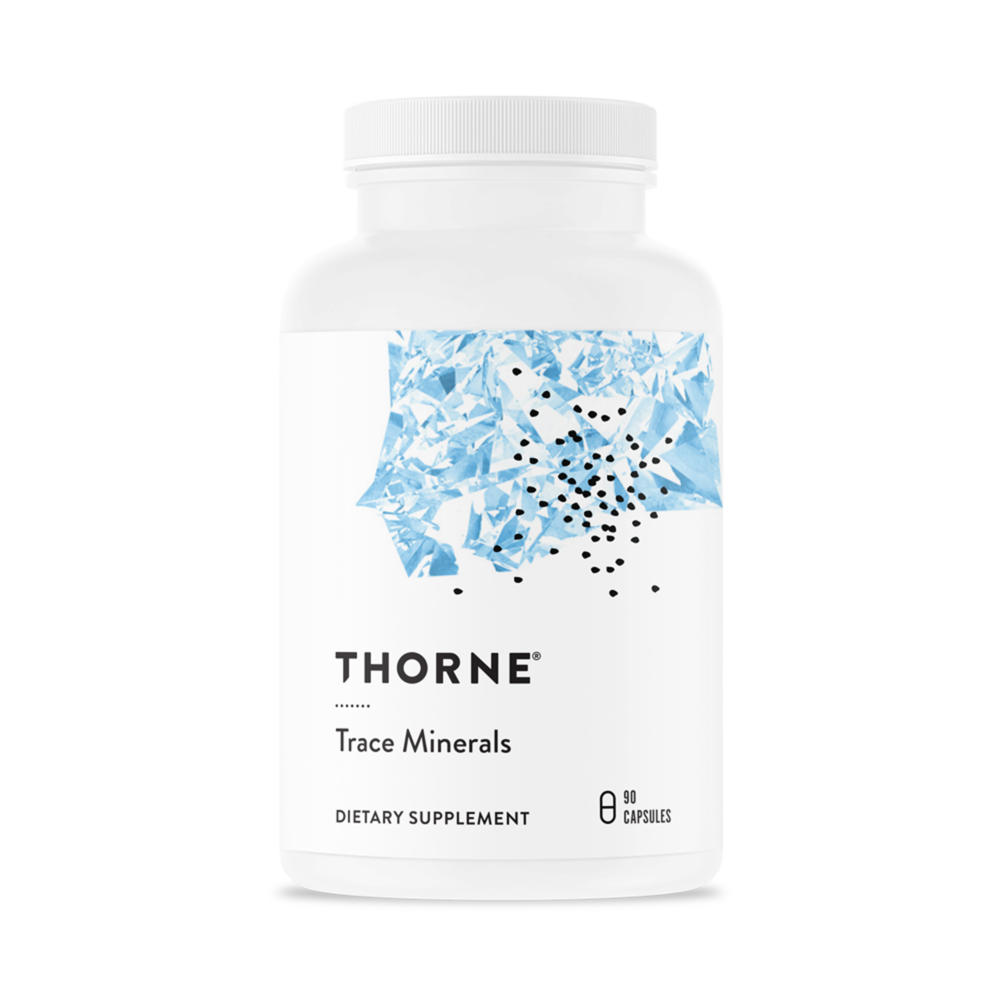
Trace mineral blends provide zinc, copper, selenium, manganese, and chromium.
Our vetting standard
Every trace minerals formula here clears the same bar.
- Clinically studied, effective doses
- Bioavailable, well-absorbed forms
- Practitioner-grade, trusted brands
- Third-party tested for identity and potency
See if it's actually working
Trace minerals compete with one another, so the retest is checking the balance across all of them, not just whether any single one came up.
Trace Minerals FAQs
What are trace minerals?
Minerals needed in small amounts (less than 100 mg/day): zinc, copper, selenium, manganese, chromium, iodine, molybdenum, and boron. Each is a cofactor for specific enzymes. Modern soil depletion and refined diets often leave gaps.
Do I need a trace mineral supplement?
Most people get adequate amounts from a varied diet plus a multivitamin. Specific groups benefit more: vegans (zinc, iodine), heavy sweaters (zinc, magnesium), people on PPIs (multiple minerals), and those with absorption issues.
What forms absorb best?
Chelated forms (mineral bound to amino acids — bisglycinate, picolinate) absorb better than oxides or carbonates. Ionic liquid trace minerals are also well-absorbed but have a strong taste. Read labels — quality varies enormously.
Trace minerals vs. multivitamin — which do I need?
A quality multi already contains most trace minerals at adequate levels. A separate trace mineral supplement is useful if your multi is light on minerals, you have absorption issues, or you sweat heavily and need ionic replenishment.
What are signs of trace mineral deficiency?
Hair loss, slow wound healing, frequent illness (zinc); fatigue, anemia (iron, copper); brain fog (iodine, manganese); blood sugar issues (chromium); thyroid problems (selenium, iodine). Symptoms overlap, so testing is helpful.
Can ionic trace minerals help with sweating and electrolytes?
Yes, but they're not the primary electrolyte source — sodium, potassium, and magnesium are. Trace minerals top off micronutrient gaps lost through heavy sweat. For endurance athletes, pair trace minerals with a sodium-containing electrolyte mix.
Are there interactions to watch for?
Iron blocks calcium and zinc absorption when taken together. Calcium blocks iron absorption. Zinc and copper compete (need 8–15:1 ratio). Take iron, calcium, and zinc separated by 2+ hours when possible.
Should I take trace minerals with food?
Yes — most absorb better with a meal. Iron is an exception (better absorbed on empty stomach with vitamin C, but causes more nausea). Splitting doses between meals is gentler on the stomach.