 Instalab
Vitamin B3 (Niacin)
Vitamin B3 (niacin/niacinamide) supports energy, lipids, and NAD synthesis.
Our vetting standard
Every vitamin b3 (niacin) formula here clears the same bar.
- Clinically studied, effective doses
- Bioavailable, well-absorbed forms
- Practitioner-grade, trusted brands
- Third-party tested for identity and potency
See if it's actually working
At the doses used for lipids, niacin needs a safety retest as much as an efficacy one: glucose, uric acid and liver enzymes all drift up on higher doses.
Vitamin B3 (Niacin) FAQs
What's the difference between niacin, niacinamide, and inositol hexanicotinate?
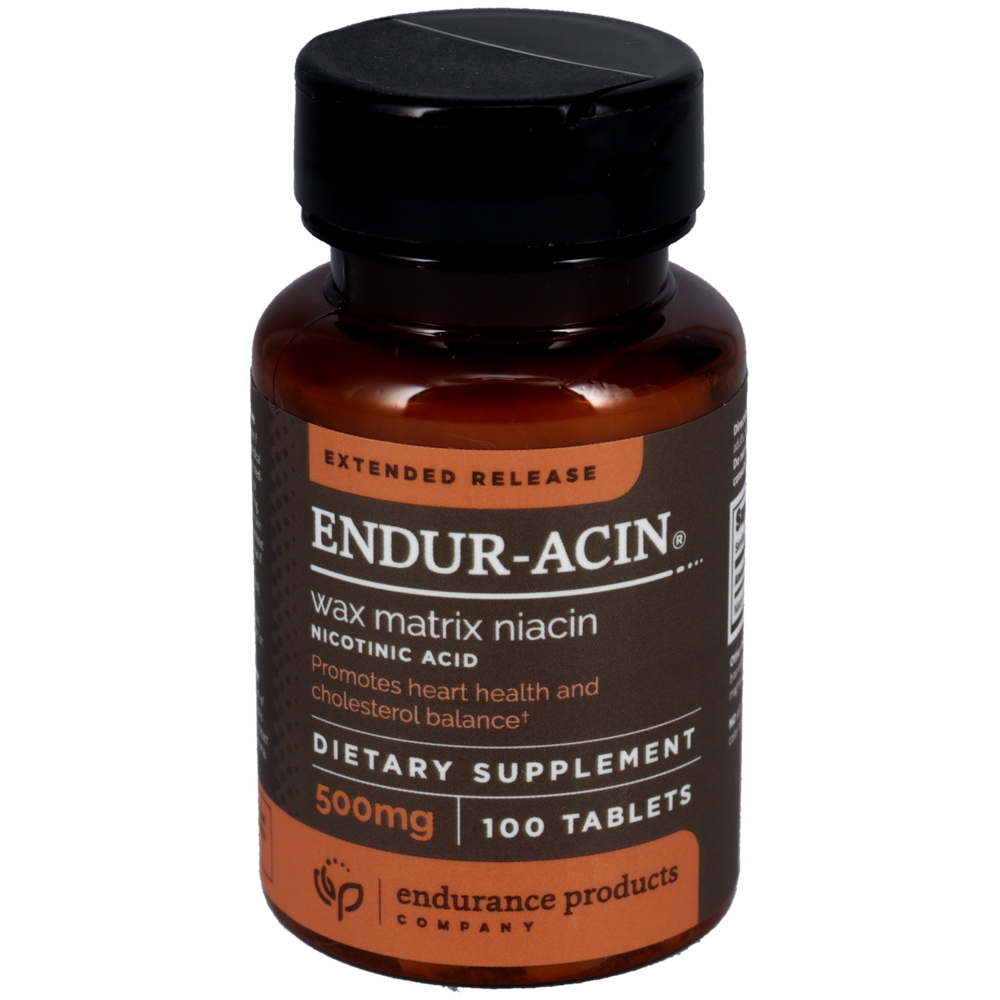
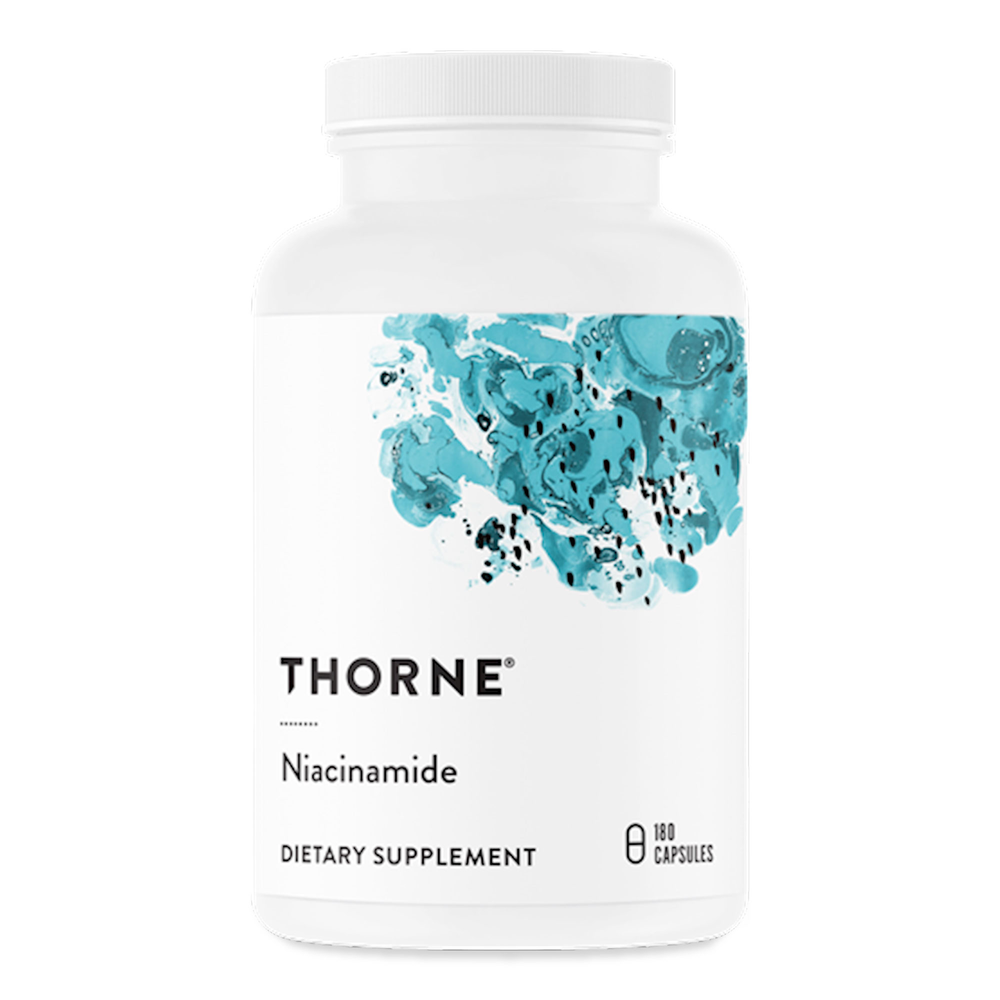
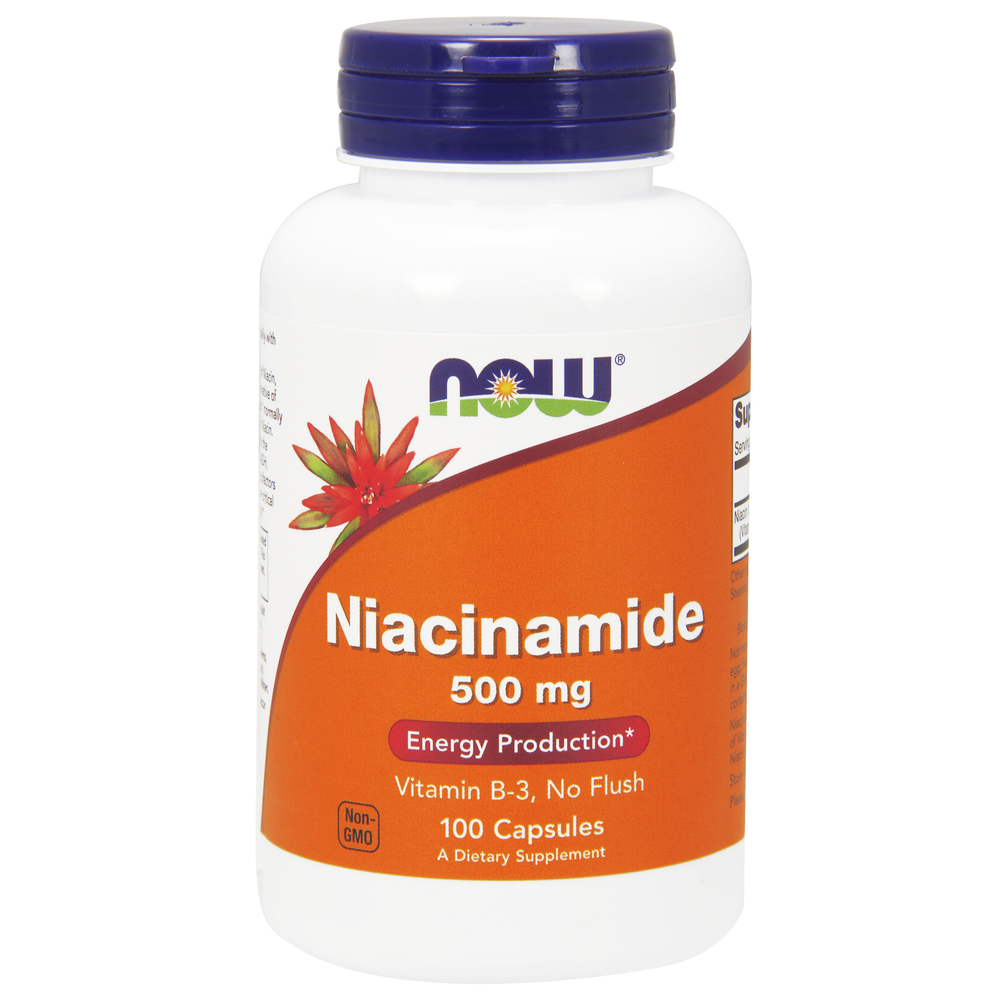
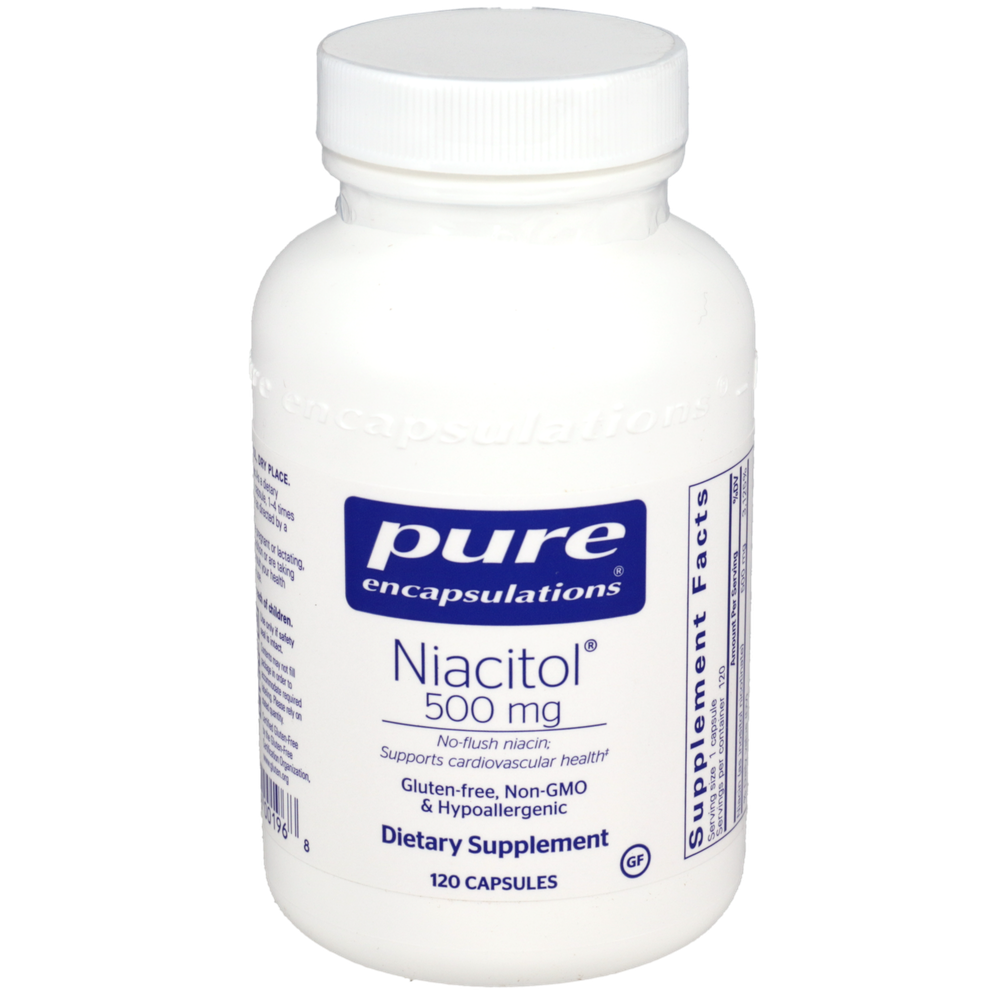
Niacin (nicotinic acid) lowers LDL and raises HDL but causes flushing. Niacinamide is non-flushing, used for skin and joint support. Inositol hexanicotinate is 'no-flush niacin' but lipid effects are weaker. NAD precursors (NMN, NR) are also forms of B3.
How much niacin should I take?
RDA is 14–16 mg/day. Lipid-modifying doses are 1,000–3,000 mg/day, which require clinician oversight due to liver and glucose effects. Niacinamide for skin/joints uses 500–1,500 mg/day.
Why does niacin cause flushing?
Niacin (the acid form) triggers prostaglandin release, causing redness, warmth, and itching for 15–60 minutes. It's harmless and decreases with regular use. Take with food and start at low doses (50–100 mg) to minimize. Aspirin 30 minutes before can prevent it.
Niacin vs. statins — which is better?
Statins are first-line for LDL reduction with strong cardiovascular outcome data. Niacin has the best HDL-raising effect of any treatment but recent studies show this doesn't reduce cardiovascular events. Niacin is mainly used today for severe lipid disorders or as an adjunct.
What does NAD have to do with B3?
NAD (nicotinamide adenine dinucleotide) is made from B3. NAD precursors NMN (nicotinamide mononucleotide) and NR (nicotinamide riboside) are advanced forms of B3 that raise NAD+ levels — important for mitochondrial function, longevity, and DNA repair.
Is niacin safe?
At doses up to 35 mg/day (the upper limit for the niacin form), it's safe for most people. High therapeutic doses (1,000+ mg) can cause flushing, liver issues, blood sugar elevation, and gout flares — these doses require clinician oversight and lab monitoring.
What foods are highest in B3?
Meat, poultry, fish (especially tuna and salmon), peanuts, mushrooms, sunflower seeds, brown rice, and fortified cereals. The body also converts tryptophan to niacin, so high-protein diets contribute too.
Can niacinamide help skin?
Yes — niacinamide (the non-flushing form) reduces inflammation, improves barrier function, and may reduce certain skin cancers. Topical and oral forms are used. Clinical trials show oral niacinamide (500 mg twice daily) reduces non-melanoma skin cancer recurrence.
Should I avoid niacin if I have diabetes?
High-dose niacin can raise blood glucose and worsen insulin resistance. Niacinamide doesn't have this effect. People with diabetes should avoid high-dose niacin or use it only with clinician guidance and close glucose monitoring.