 Instalab
Vitamin B6
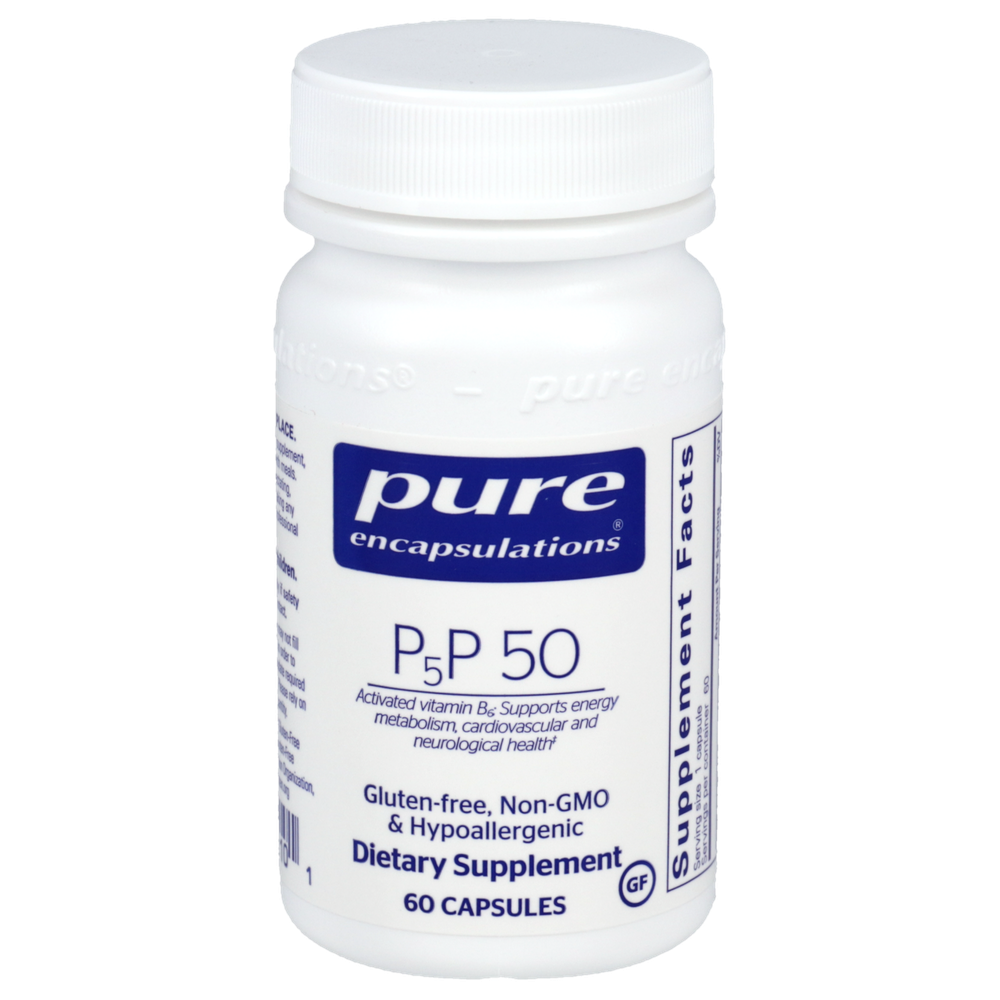
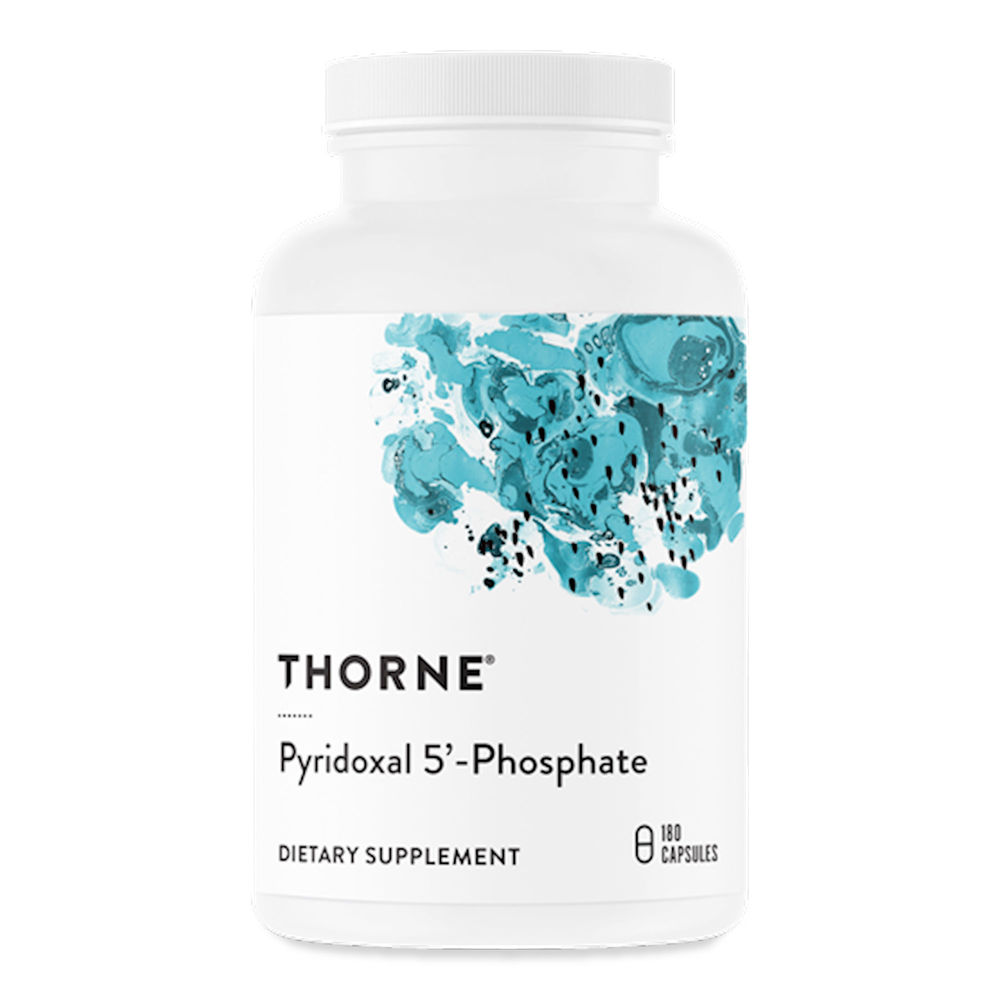
Vitamin B6 (P5P) supports neurotransmitter synthesis, hormones, and methylation.
Our vetting standard
Every vitamin b6 formula here clears the same bar.
- Clinically studied, effective doses
- Bioavailable, well-absorbed forms
- Practitioner-grade, trusted brands
- Third-party tested for identity and potency
See if it's actually working
Keep the level in range rather than high: sustained excess B6 causes a peripheral neuropathy that is the reason this one gets retested at all.
Vitamin B6 FAQs
What does vitamin B6 do?
B6 (pyridoxine, or its active form P5P) is a cofactor for over 100 enzymes including those that make neurotransmitters (serotonin, dopamine, GABA), heme, and homocysteine clearance. It's used for PMS, mood, nausea in pregnancy, and methylation support.
How much B6 is safe?
RDA is 1.3–1.7 mg/day. Therapeutic doses up to 100 mg are common in B-complex and PMS formulas. Doses above 200 mg/day long-term can cause peripheral neuropathy. P5P (active form) appears safer than pyridoxine HCl at higher doses.
Should I take pyridoxine or P5P?
P5P (pyridoxal-5-phosphate) is the active form and bypasses conversion. It's preferred for people with metabolic issues, mood concerns, or those taking high doses. For general support, pyridoxine HCl works fine and is cheaper.
Does B6 help PMS symptoms?
Yes — meta-analyses show 50–100 mg/day of B6 reduces PMS symptoms (mood changes, irritability, breast tenderness) better than placebo. It's a first-line, low-cost option. Don't exceed 100 mg/day long-term due to neuropathy risk.
Can B6 help nausea in pregnancy?
Yes — 10–25 mg of B6 every 6–8 hours is the first-line treatment for morning sickness, often combined with doxylamine (the prescription combo is Diclegis). Pregnancy-safe and effective. Talk to your obstetrician before starting.
What are signs of B6 deficiency?
Mood changes, brain fog, irritability, peripheral neuropathy, anemia, weakened immunity, and skin issues (dermatitis, cracked lips). Risk groups include heavy alcohol users, those with kidney disease, and people taking certain medications (isoniazid, theophylline).
Can too much B6 cause nerve damage?
Yes — chronic high-dose pyridoxine (typically 200+ mg/day for months) can cause peripheral neuropathy, which is sometimes irreversible. Stay under 100 mg/day for long-term use. P5P appears safer at higher doses.
What foods are high in B6?
Chickpeas, salmon, tuna, chicken, beef liver, potatoes, bananas, fortified cereals, and avocados. Most omnivores get adequate B6 from food. Vegetarians should pay attention to legumes and fortified foods.
Should B6 be taken with magnesium?
Yes — they work together for neurotransmitter synthesis and PMS symptom relief. Many PMS formulas combine 50–100 mg B6 with 200–400 mg magnesium glycinate. The combination outperforms either alone in trials.