 Instalab
Vitamin C
Vitamin C supports immune function, collagen synthesis, and antioxidant defense.
Our vetting standard
Every vitamin c formula here clears the same bar.
- Clinically studied, effective doses
- Bioavailable, well-absorbed forms
- Practitioner-grade, trusted brands
- Third-party tested for identity and potency
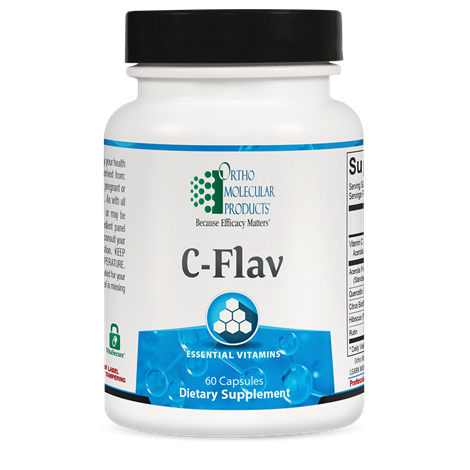
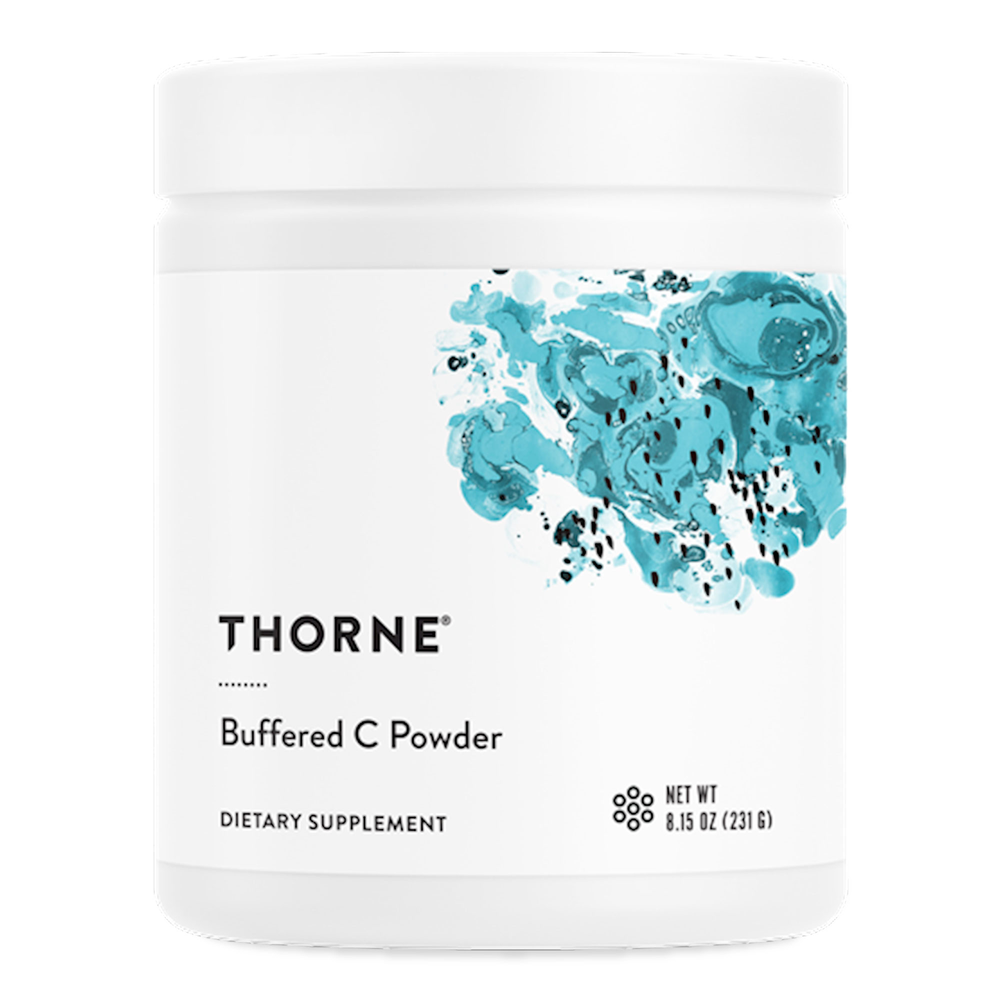
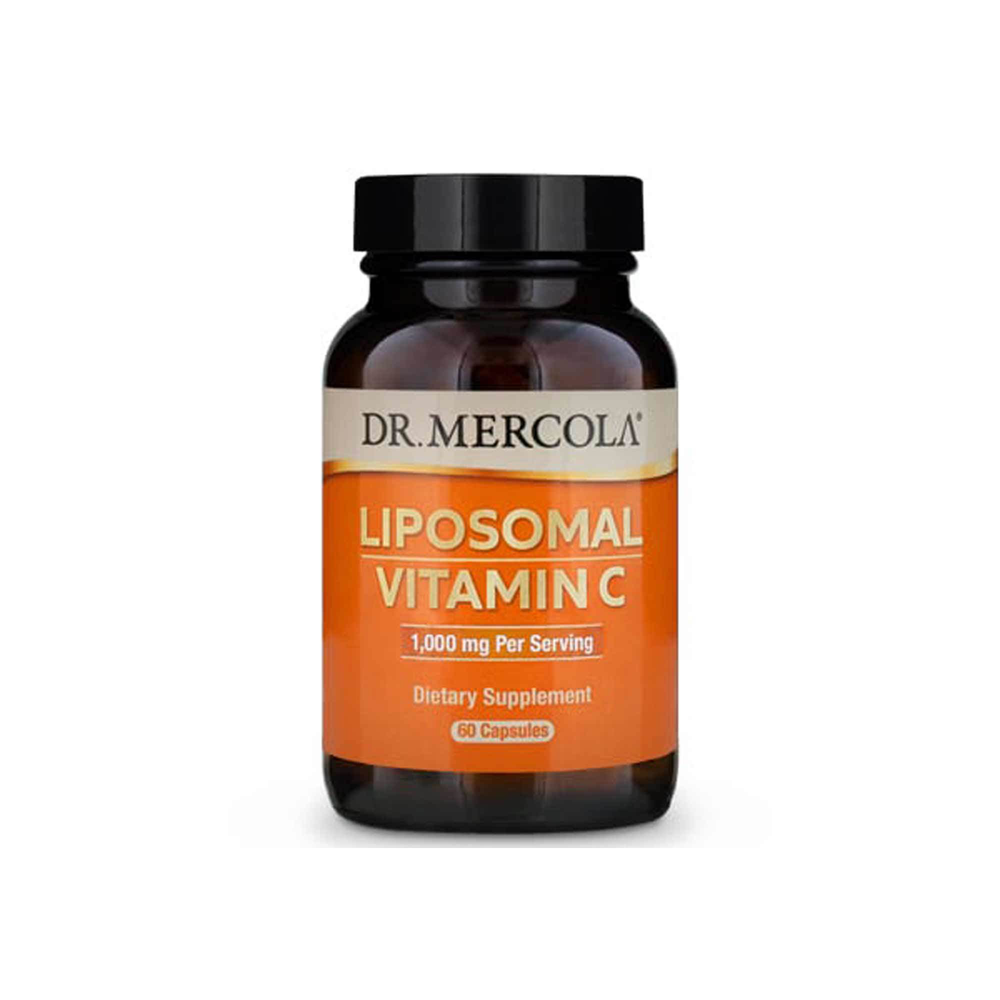
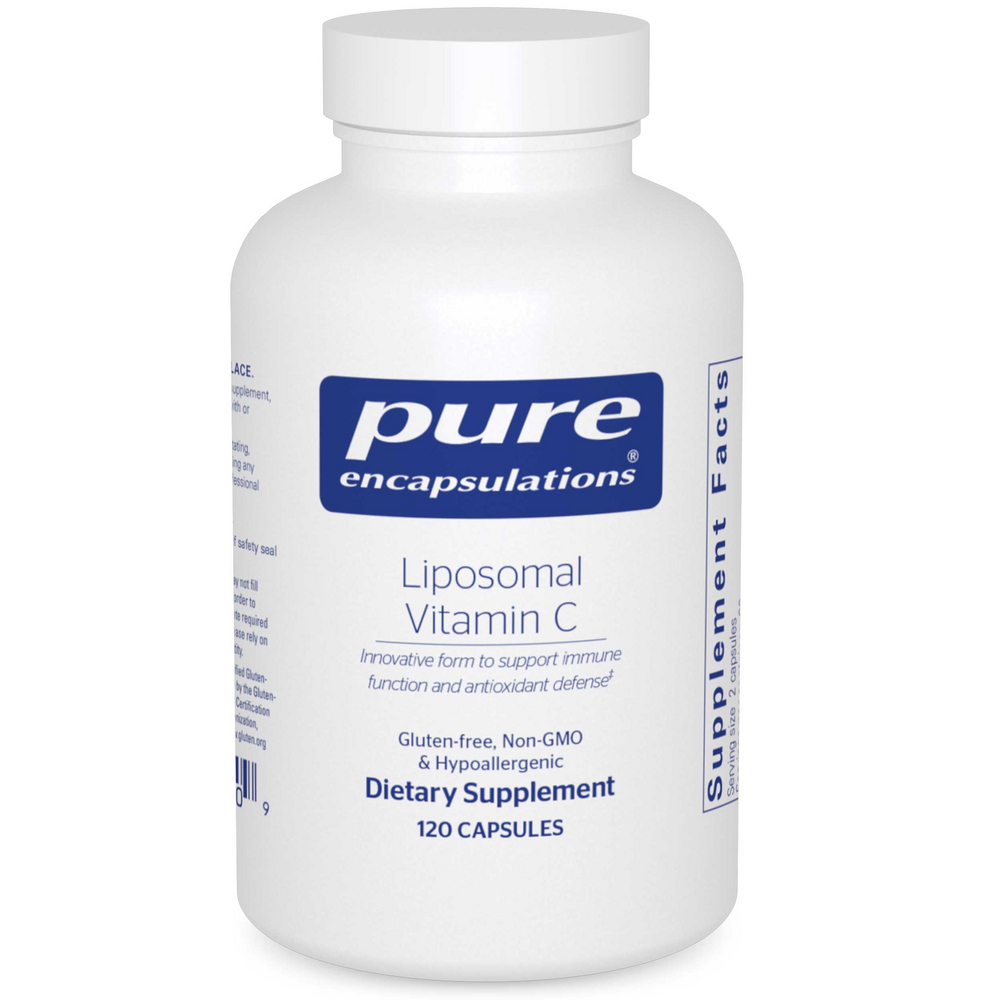
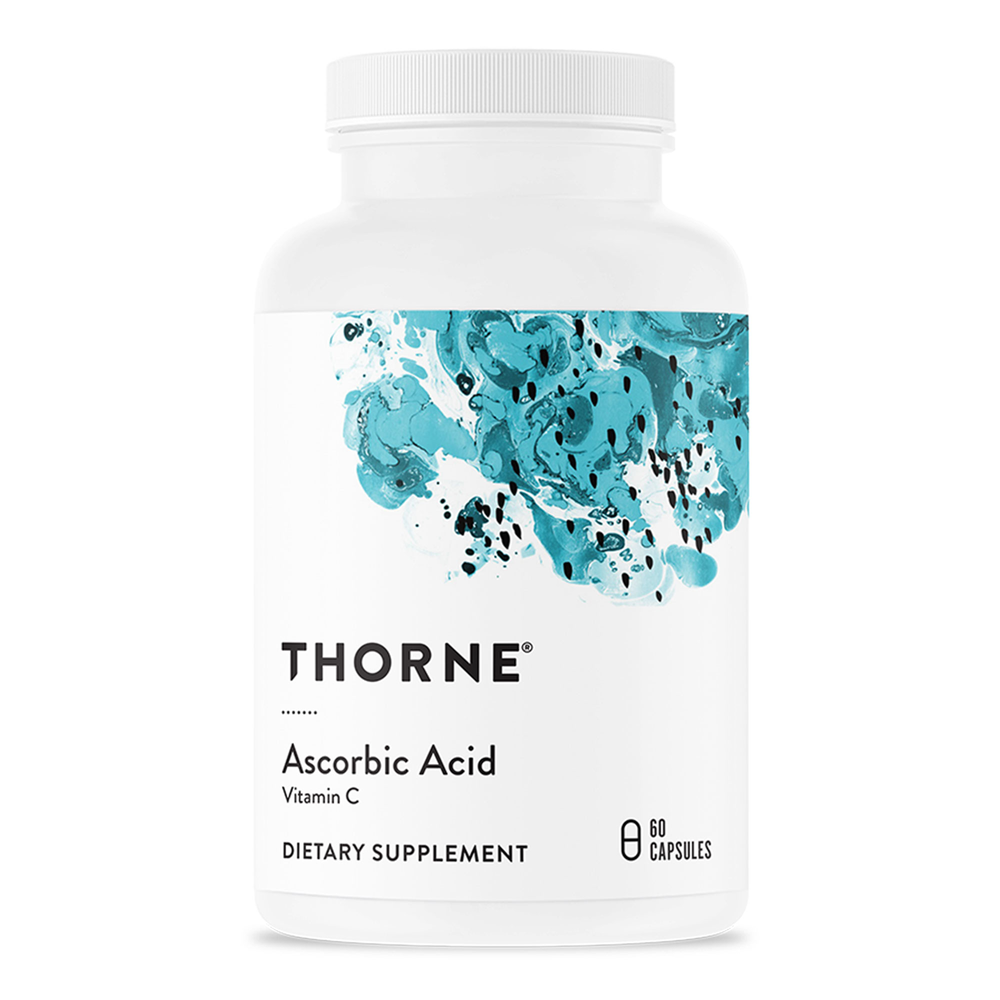
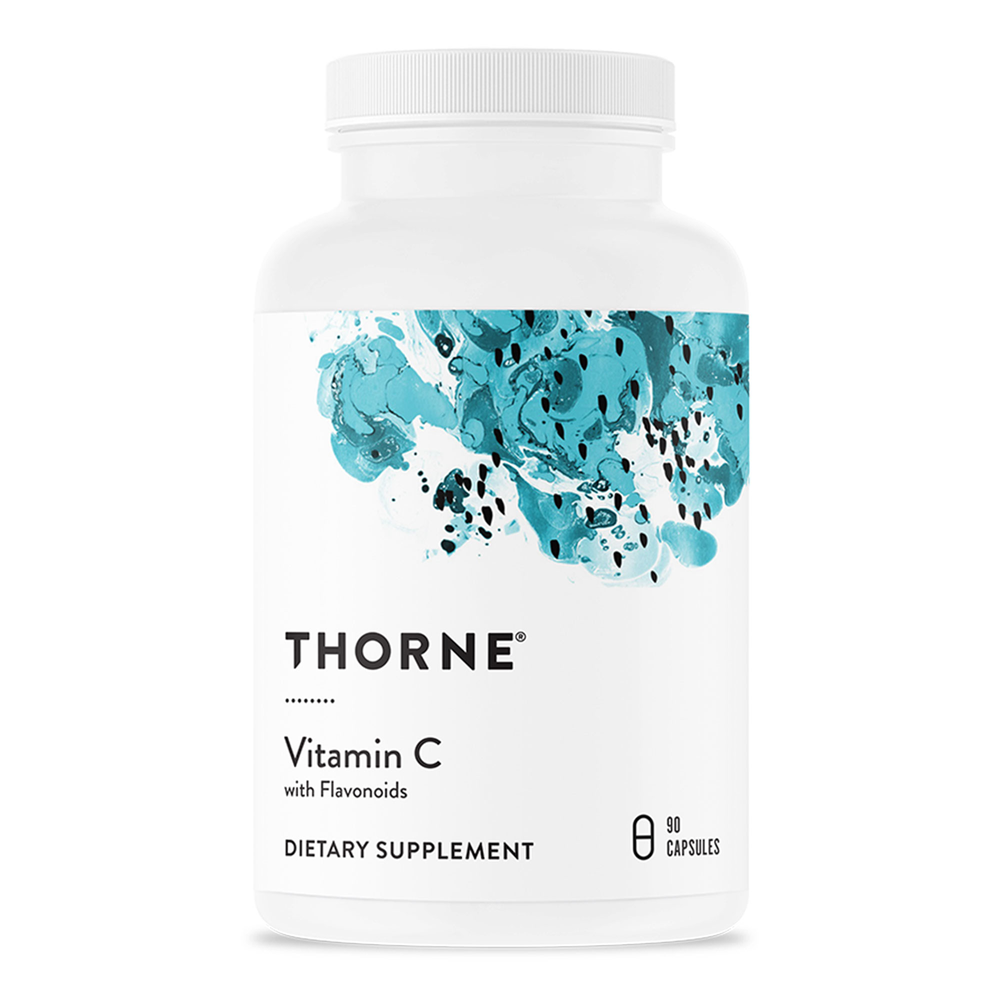
See if it's actually working
Plasma vitamin C saturates quickly, so once the level is in range a higher dose buys nothing but more excreted vitamin C.
Vitamin C FAQs
How much vitamin C should I take?
RDA is 75–90 mg/day, but most supplements provide 500–1,000 mg. Higher doses (1–2 g/day) saturate plasma. Liposomal vitamin C reaches higher blood levels with less GI upset. Acute illness doses go up to 3–4 g/day in divided doses.
Will vitamin C prevent colds?
It doesn't prevent colds in the general population, but daily supplementation reduces cold duration by about 8% in adults and 14% in children. Higher acute doses at the first sign of symptoms may also shorten illness.
What form of vitamin C is best?
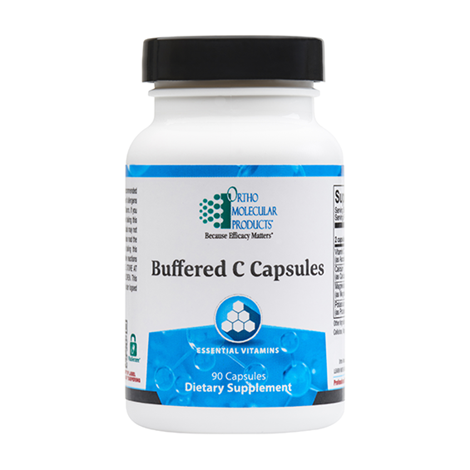
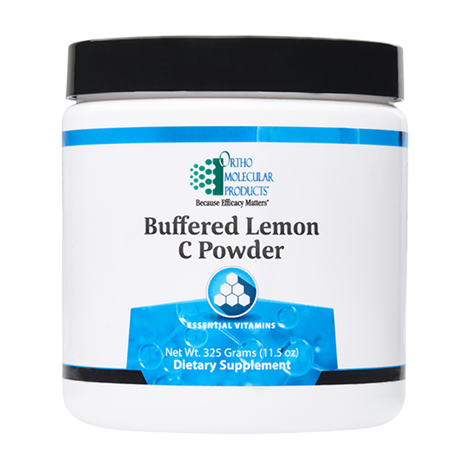
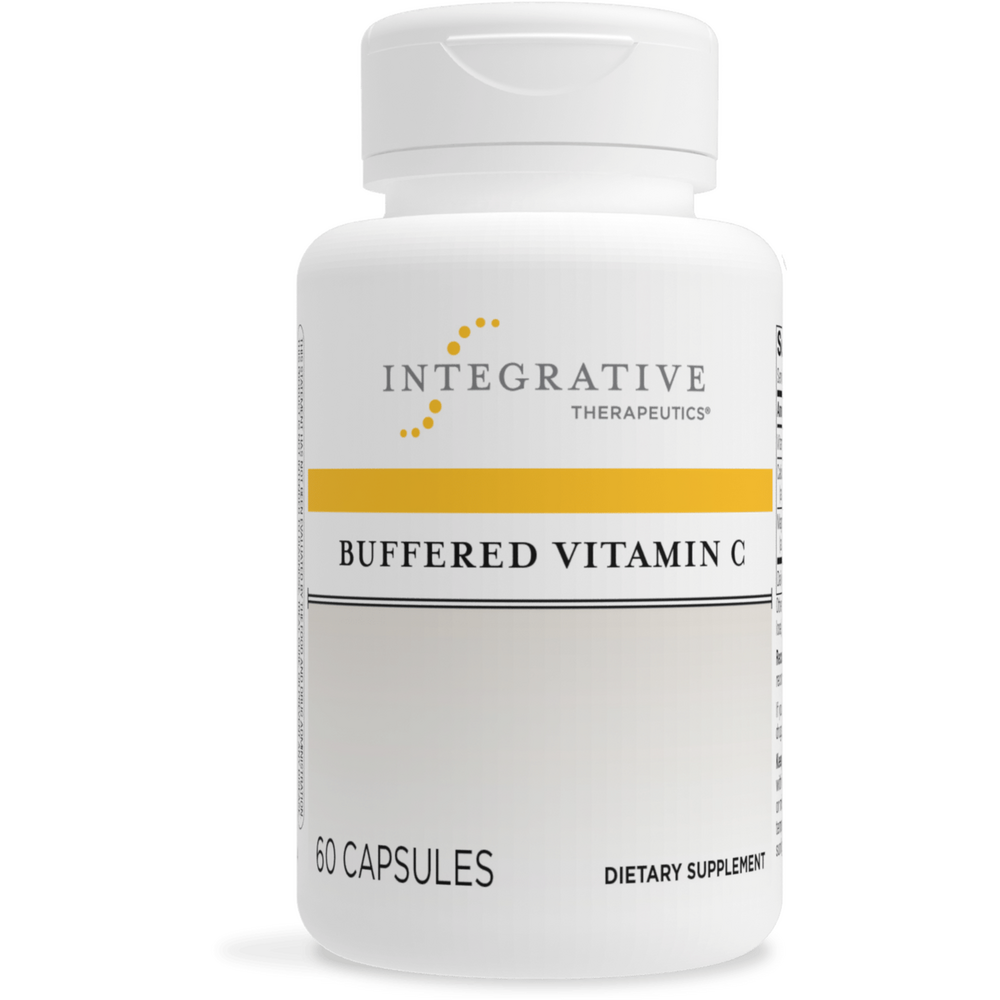
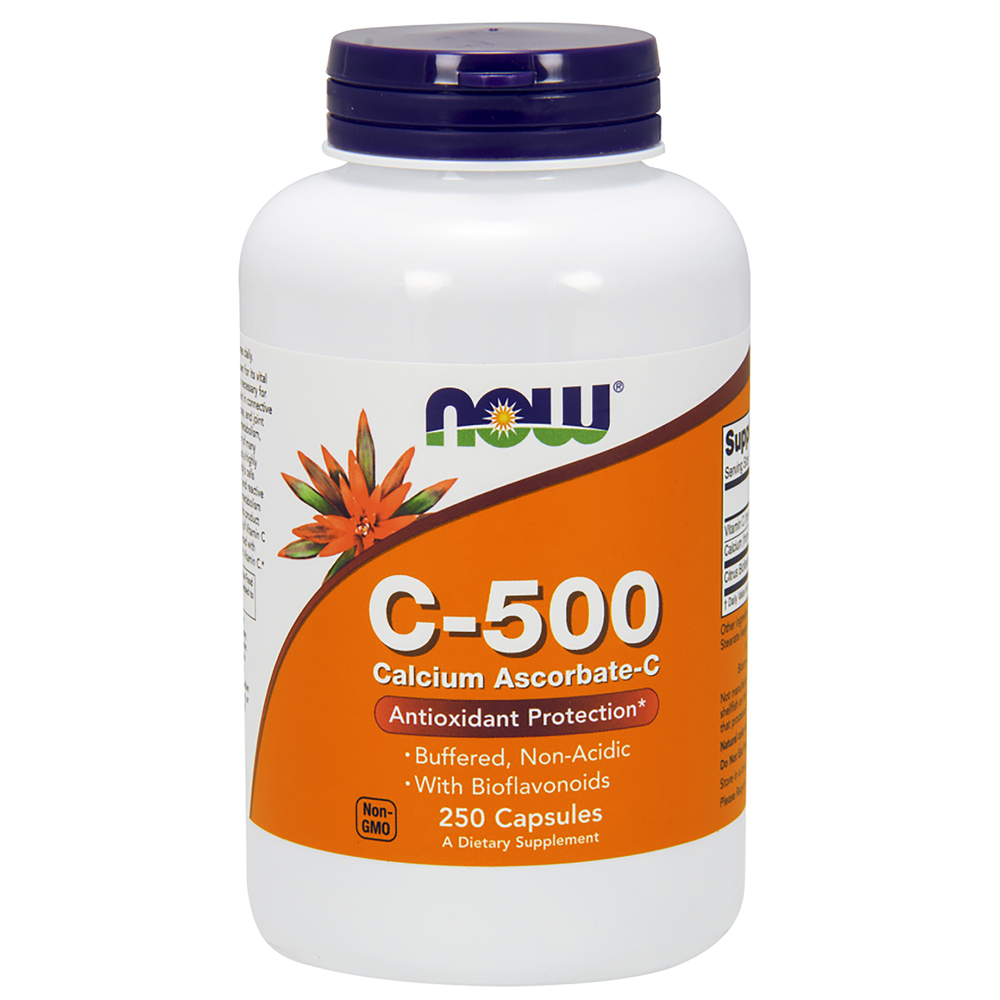
Ascorbic acid is fine for most people. Buffered forms (calcium ascorbate, magnesium ascorbate) are gentler on the stomach. Liposomal vitamin C reaches the highest blood levels. Avoid mega-dosing without need — excess is excreted.
Vitamin C from food vs. supplements?
Food sources (citrus, bell peppers, kiwi, strawberries, broccoli, cantaloupe) come with bioflavonoids and other nutrients that enhance absorption. For RDA-level needs, food is plenty. For higher therapeutic doses (1,000+ mg), supplements are practical.
Should I take vitamin C with iron?
Yes, if you're iron-deficient — vitamin C significantly boosts non-heme iron absorption (especially from plant sources). Take 200–500 mg vitamin C with iron supplements or iron-rich plant foods. People with iron overload conditions should avoid this combination.
Can vitamin C cause kidney stones?
In susceptible people (especially men with a history of calcium oxalate stones), high-dose vitamin C (above 1,000 mg/day) may slightly increase stone risk because it converts to oxalate. Stay below 500–1,000 mg if you have a stone history.
Liposomal vs. regular vitamin C?
Liposomal vitamin C is encapsulated in phospholipids, which protects it during digestion and improves absorption. It reaches higher blood levels with smaller doses and less GI upset. It's pricier — worth it for therapeutic doses, less necessary for daily maintenance.
Is high-dose vitamin C safe?
Up to 2,000 mg/day is the upper limit. Doses above this can cause GI upset, diarrhea, and theoretically kidney stones in susceptible people. IV vitamin C bypasses these limits but should only be done in clinical settings.
When should I take vitamin C?
Anytime, but with food if it causes stomach upset. Vitamin C has a 30-minute absorption window, so divided doses (250–500 mg twice daily) are better than one large dose. Take separately from copper or vitamin B12 absorption isn't significantly affected.