 Instalab
Zinc
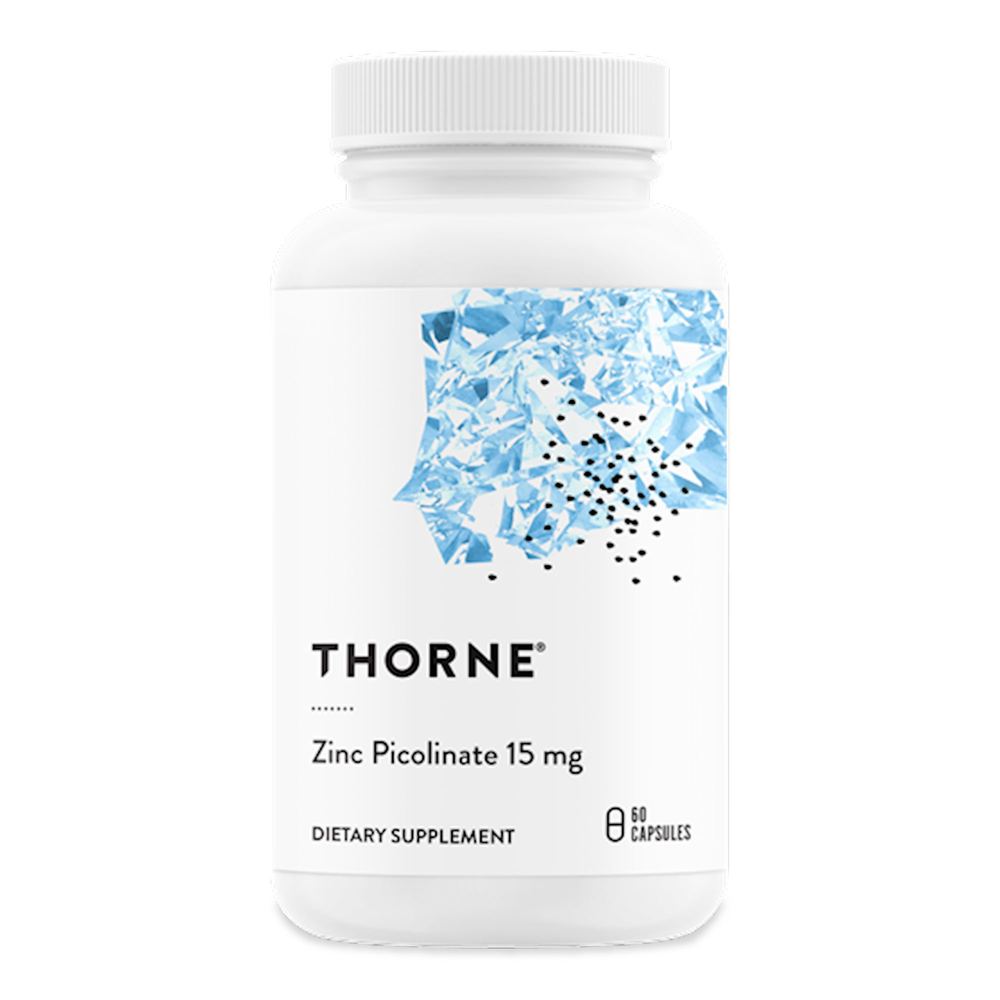
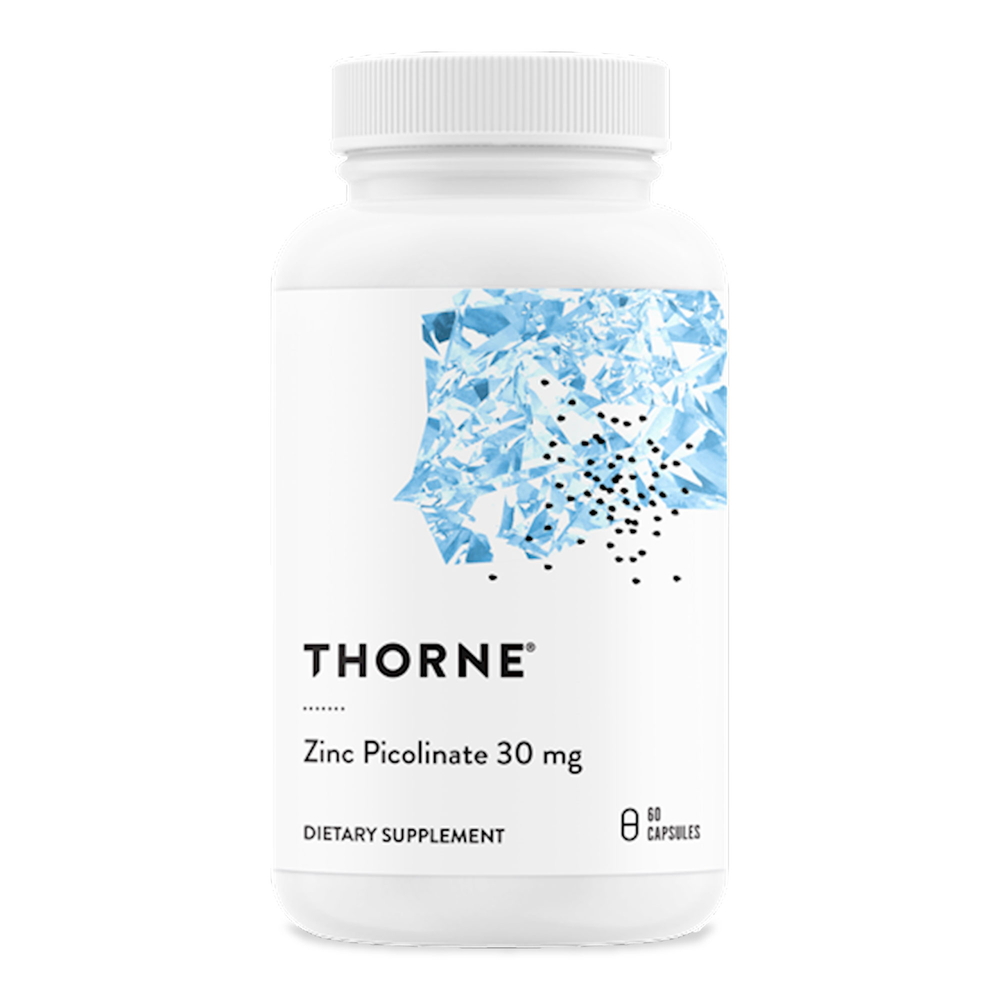
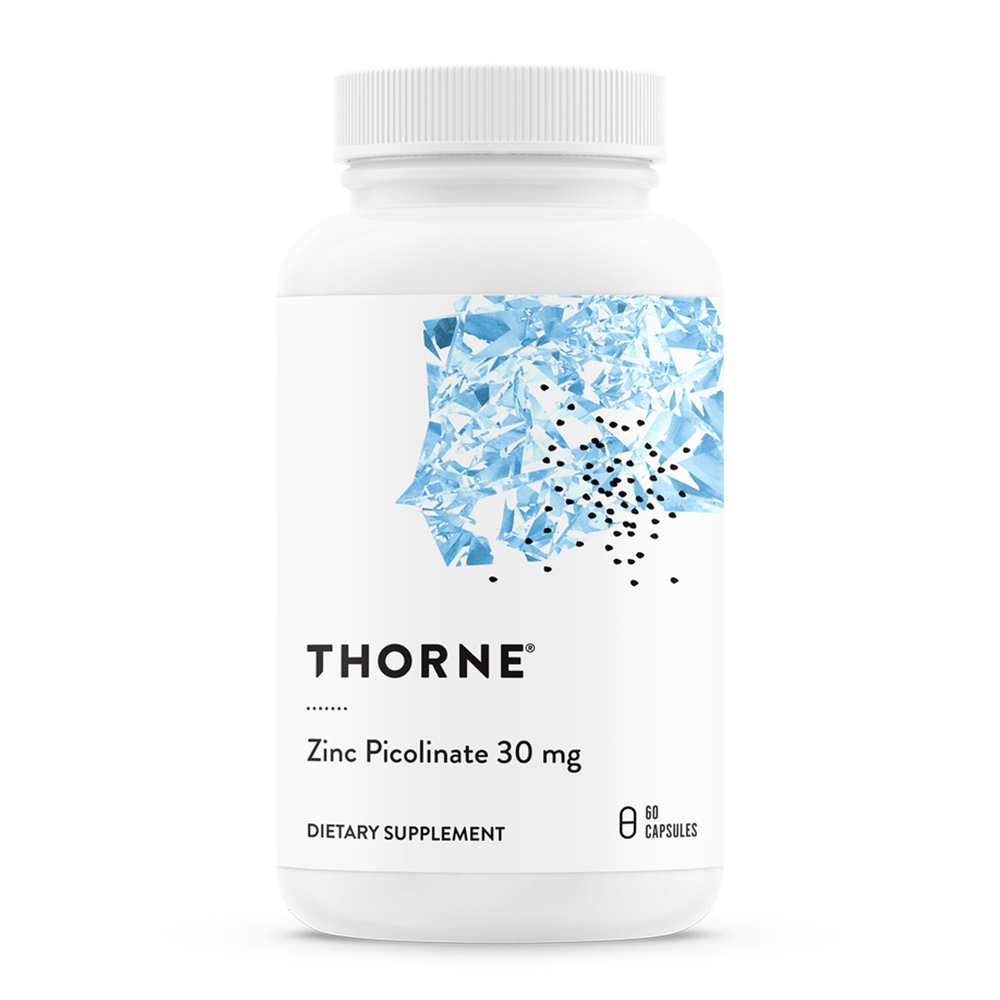
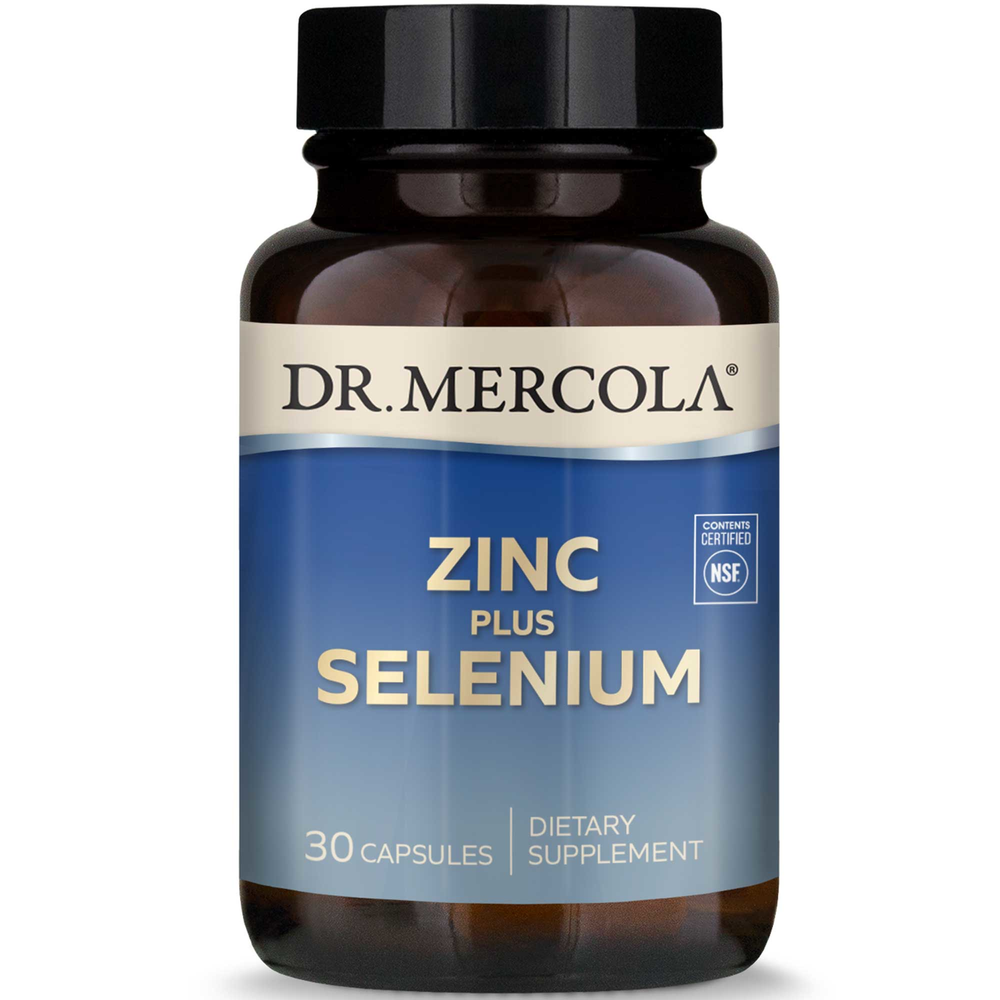
Zinc supports immune function, wound healing, and metabolic enzymes.
Our vetting standard
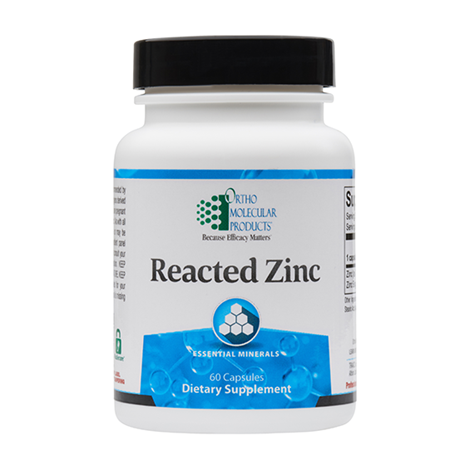
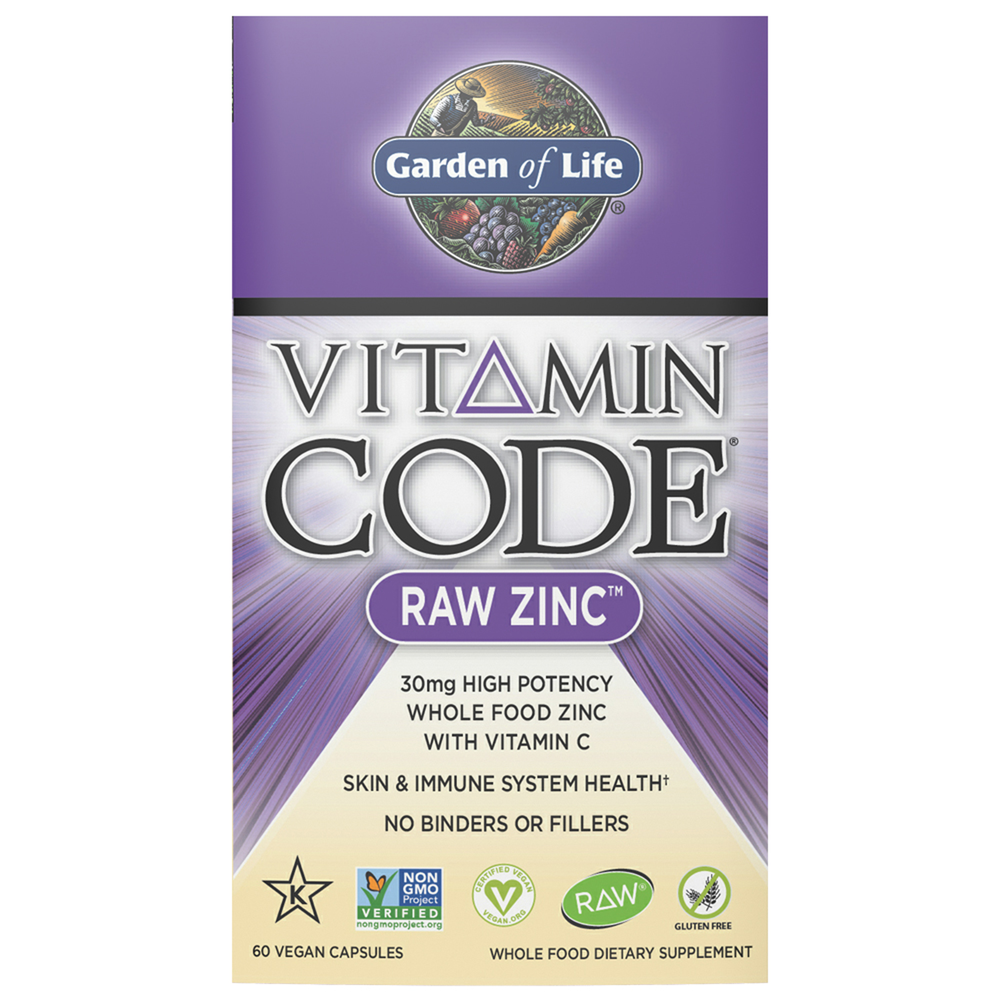
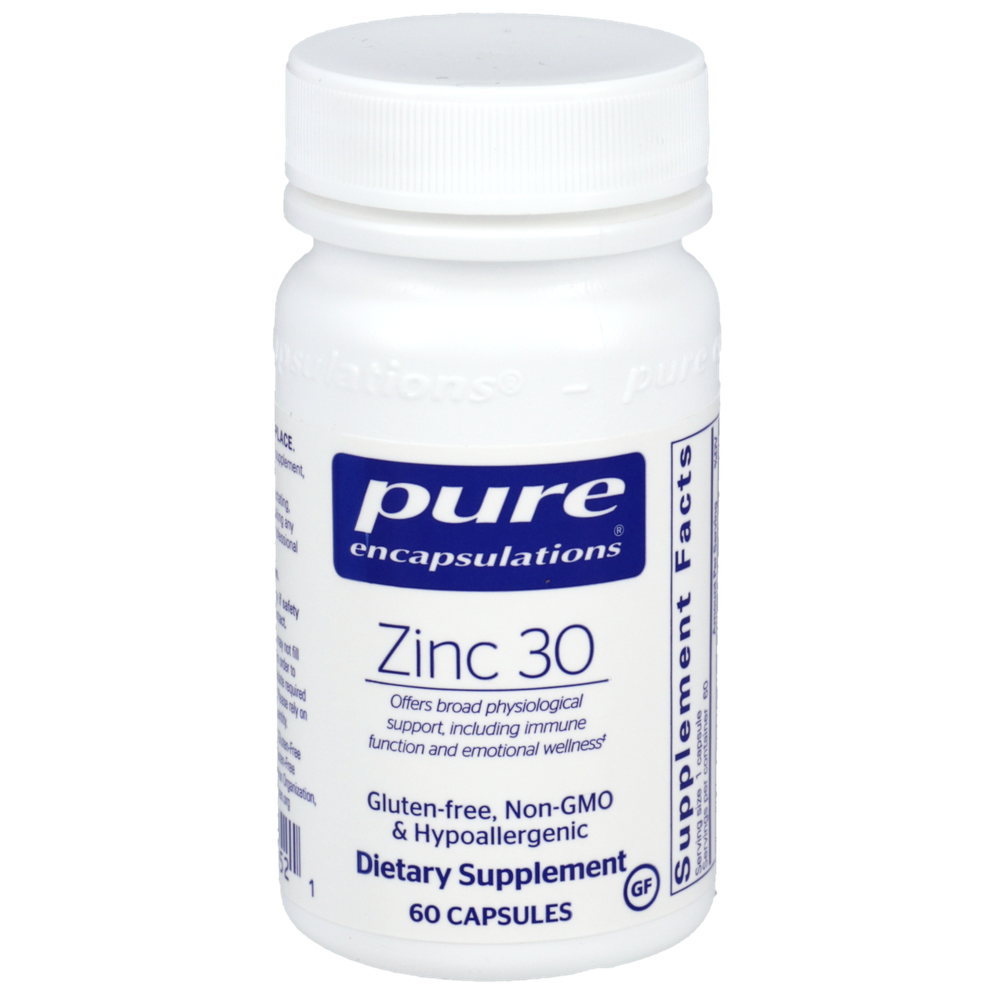
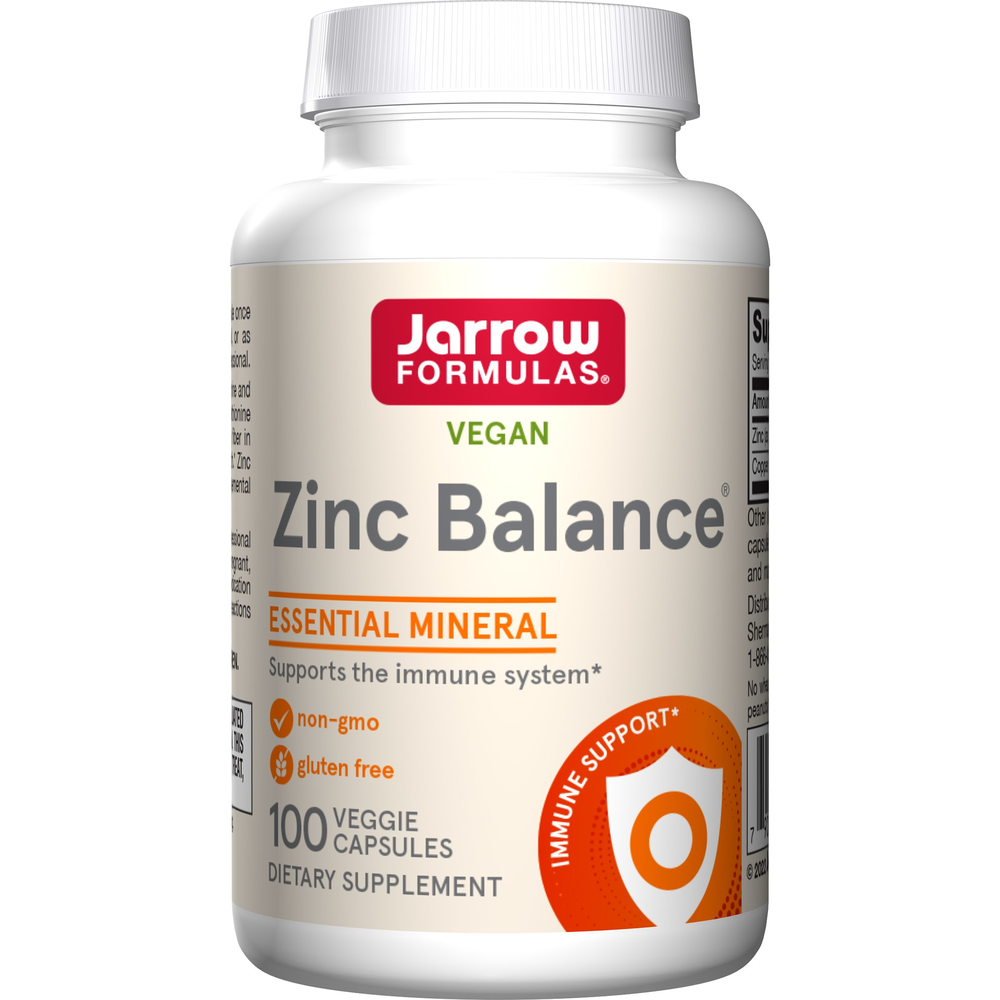
Every zinc formula here clears the same bar.
- Clinically studied, effective doses
- Bioavailable, well-absorbed forms
- Practitioner-grade, trusted brands
- Third-party tested for identity and potency
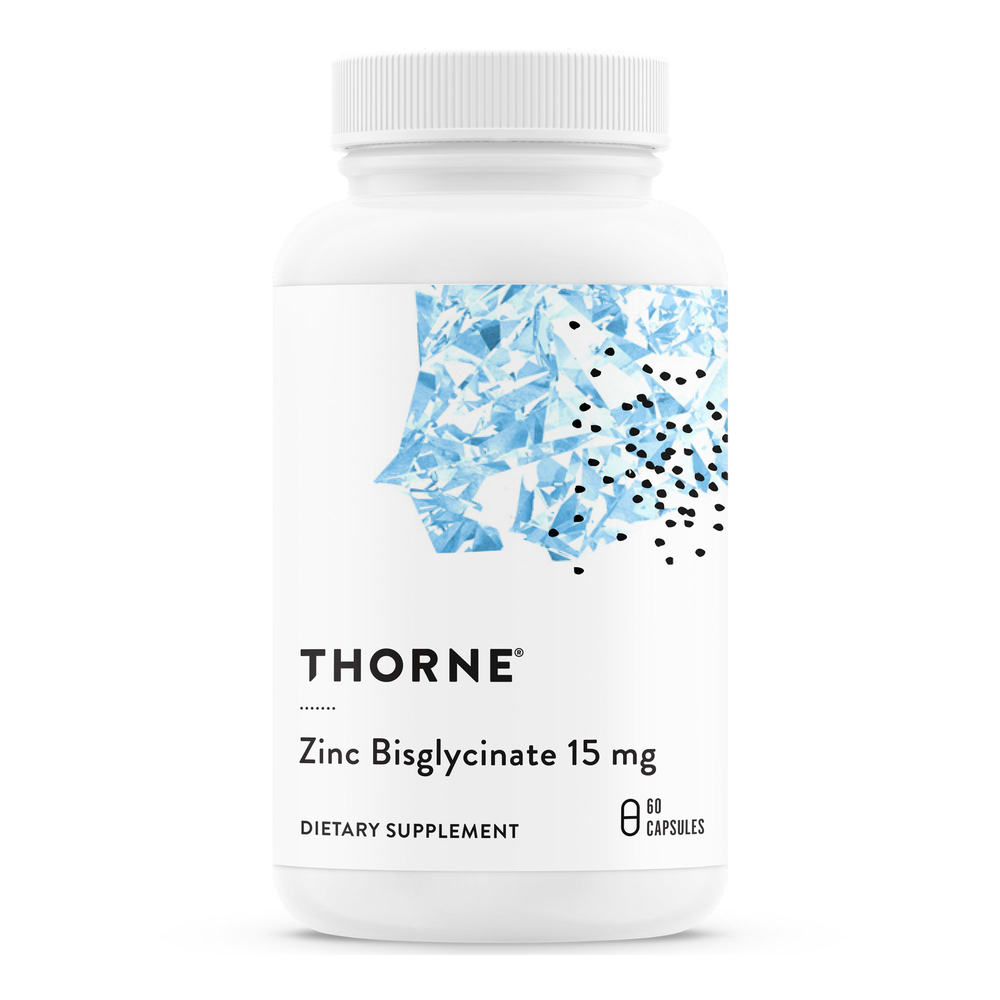
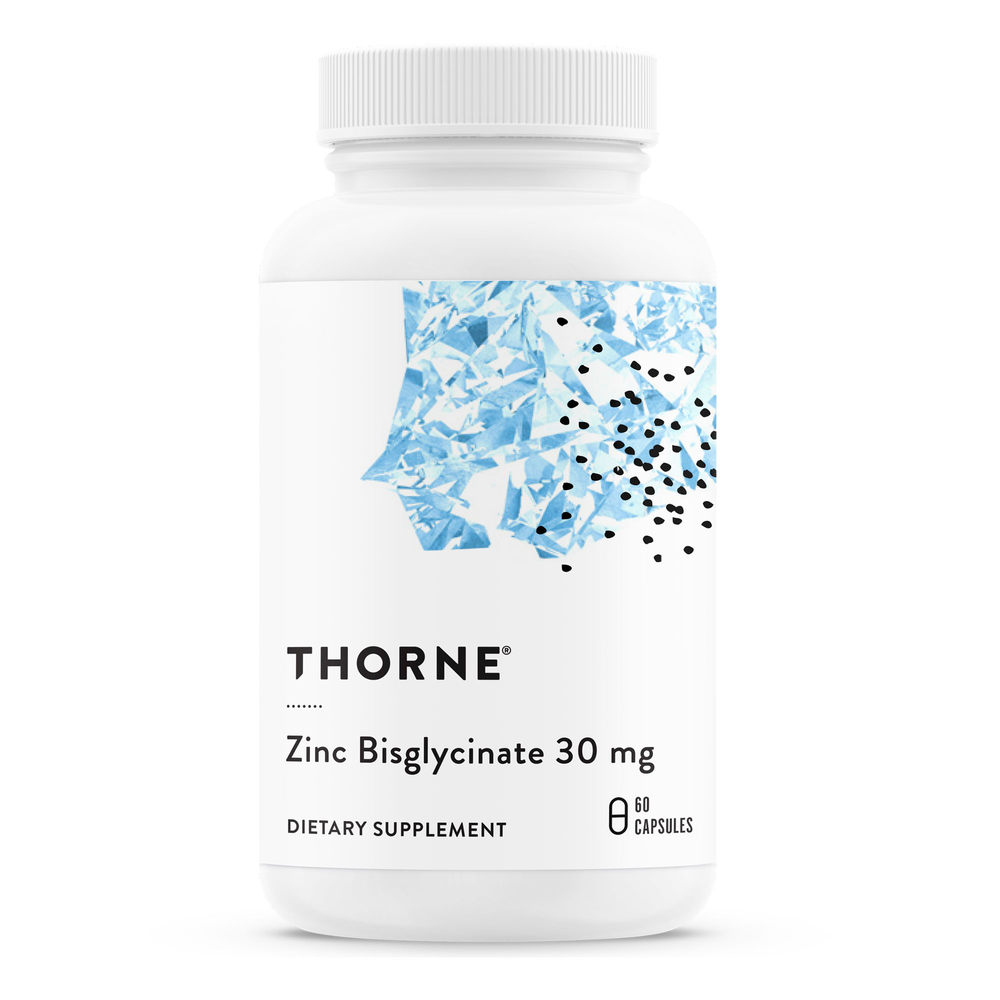
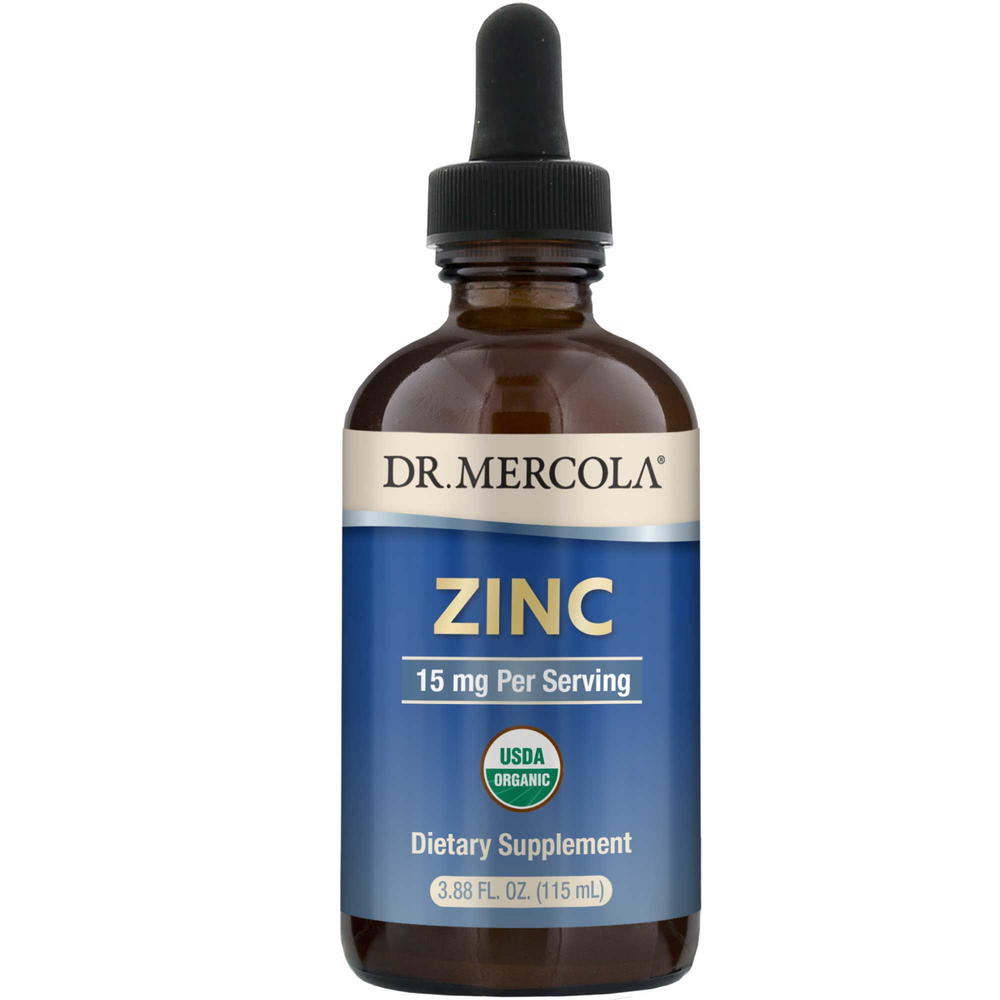
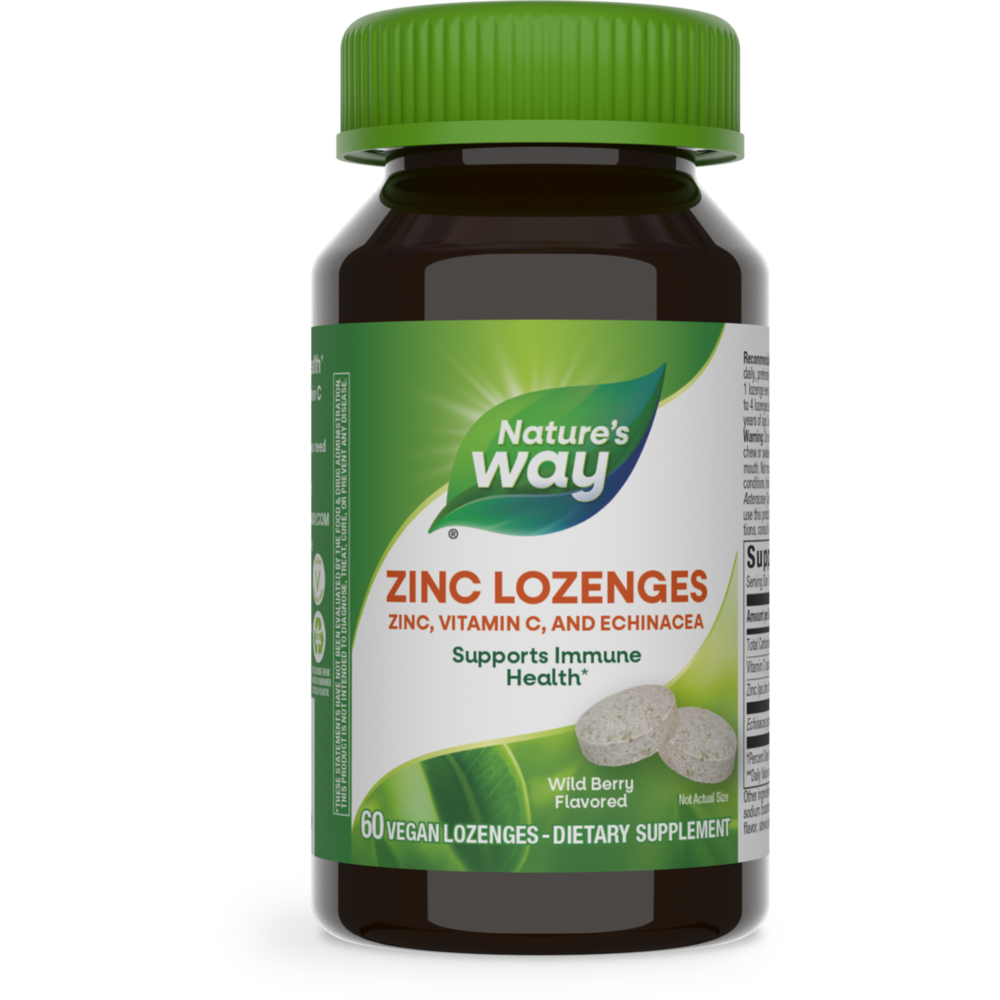
See if it's actually working
Zinc should come up without copper falling, since sustained zinc supplementation induces a copper deficiency that shows first as a low ceruloplasmin.
Zinc FAQs
What does zinc do?
Zinc is involved in over 300 enzymes, immune cell function, wound healing, taste/smell, and testosterone production. Zinc lozenges (taken at the first sign of symptoms) shorten cold duration. Long-term supplementation supports immunity and skin health.
Which form of zinc is best absorbed?
Zinc picolinate, bisglycinate, and citrate absorb well. Zinc oxide is poorly absorbed. Zinc gluconate works for lozenges (free zinc ions are the active part). Take with food to avoid nausea, except for lozenges meant to dissolve in the mouth.
How much zinc should I take?
RDA is 8–11 mg/day. Most supplements provide 15–30 mg. Long-term doses above 40 mg/day can deplete copper, so pair with copper if taking high doses. Don't exceed 40 mg/day without clinician guidance.
Do zinc lozenges actually shorten colds?
Yes — meta-analyses show zinc acetate or gluconate lozenges (75+ mg/day in divided doses) started within 24 hours of symptoms reduce cold duration by 33%. The lozenge must dissolve in the mouth (not be swallowed) for the antiviral effect.
What are signs of zinc deficiency?
Frequent colds, slow wound healing, hair loss, taste/smell changes, white spots on nails, acne, low testosterone, and impaired immunity. People at risk: vegans, heavy alcohol users, athletes (zinc is lost in sweat), and older adults.
What foods are highest in zinc?
Oysters (extremely high), beef, pumpkin seeds, lamb, crab, lobster, chickpeas, lentils, and cashews. Animal sources are much more bioavailable than plant sources due to phytate content. Vegans typically need supplementation.
Can I take too much zinc?
Yes — chronic intake above 40–50 mg/day causes copper deficiency, anemia, neuropathy, and immune suppression. Acute high doses cause nausea and vomiting. Stay under 40 mg/day for long-term use, or pair with copper if going higher.
When should I take zinc?
With food to avoid nausea (a common side effect on empty stomach). Take 2 hours apart from coffee, calcium, iron, and antibiotics — these can reduce absorption. Lozenges are an exception — they're meant to dissolve in the mouth between meals.
Does zinc help testosterone?
In zinc-deficient men, supplementation can restore normal testosterone levels. In men with adequate zinc, supplementation doesn't further raise testosterone. Athletes and heavy sweaters lose zinc and may benefit. Test status before mega-dosing.