 Instalab
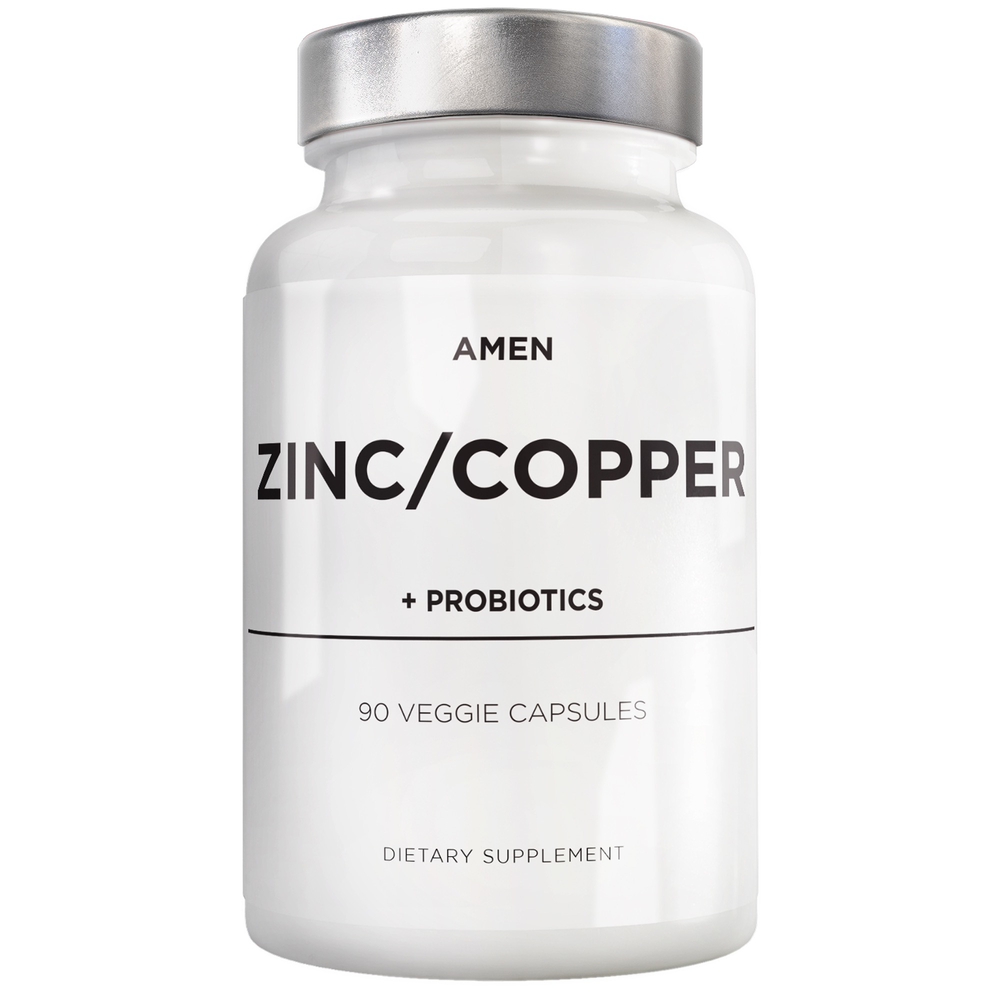
Zinc + Copper
Combined zinc + copper supports immune function and balances mineral ratios.
Our vetting standard
Every zinc + copper formula here clears the same bar.
- Clinically studied, effective doses
- Bioavailable, well-absorbed forms
- Practitioner-grade, trusted brands
- Third-party tested for identity and potency
See if it's actually working
The point of the combination is that both stay in range, so read the retest as a ratio question rather than two separate levels.
Zinc + Copper FAQs
Why combine zinc with copper?
High-dose zinc supplementation (above 40 mg/day for several months) can deplete copper, causing anemia and neuropathy. Pairing zinc with a small amount of copper (typically a 15:1 zinc-to-copper ratio) prevents this imbalance.
How much copper should be in the formula?
Most quality formulas provide 1–2 mg of copper per 15–30 mg of zinc, mimicking the natural dietary ratio. Forms like copper bisglycinate or sebacate absorb well. Avoid copper oxide.
When should I take zinc + copper?
With food to avoid nausea. Take 4 hours apart from iron, calcium, and antibiotics like tetracyclines or quinolones — zinc can reduce their absorption.
Zinc + copper vs. zinc alone — when do I need each?
Zinc alone is fine for short courses (under 2–3 months) or low doses (up to 25 mg/day). Zinc + copper is preferred for long-term use, doses above 30 mg/day, or for people already at risk of copper deficiency (vegans, those on PPIs).
What's the right zinc-to-copper ratio?
15:1 mimics natural dietary intake — for every 15 mg of zinc, take 1 mg of copper. Some formulas use 10:1 or 20:1. Avoid copper-only supplementation without zinc, and avoid zinc-only supplementation long-term without copper.
How can I tell if I'm copper deficient?
Symptoms: anemia (often resistant to iron), neuropathy, low white blood cells, gait problems, and fatigue. Long-term zinc supplementation without copper is the most common cause in people without absorption issues. Test serum copper and ceruloplasmin if suspected.
Are there interactions with this combo?
Both zinc and copper compete with iron and calcium for absorption. Take 2+ hours apart from these minerals. Avoid taking with coffee or tea (tannins reduce absorption). Notify clinicians if on chemotherapy, immunosuppressants, or chelation therapy.
Can I get adequate copper from food?
Yes for most people: shellfish (especially oysters), liver, dark chocolate, nuts and seeds, mushrooms, and whole grains. Vegans and those on long-term zinc supplements may still need additional copper to maintain proper ratios.
Are there side effects?
Generally well-tolerated. Possible: GI upset, metallic taste, nausea (mostly from zinc on empty stomach). Rare: copper toxicity from over-supplementation. Take with food and stick to recommended doses to minimize side effects.