 Instalab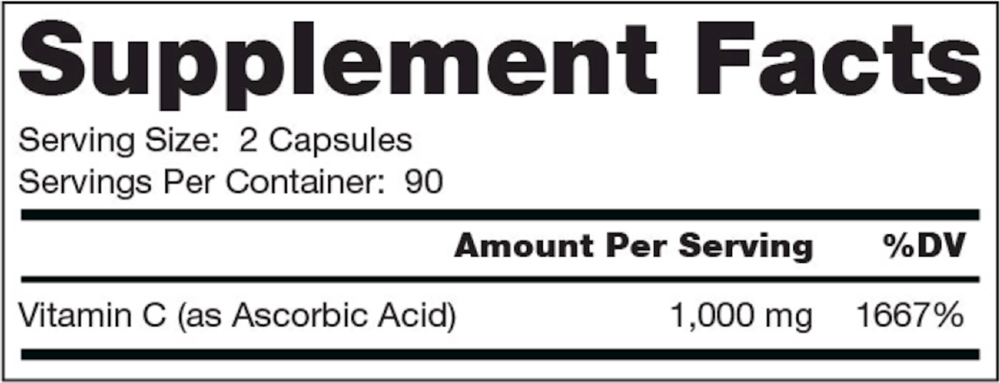
Dr. Mercola
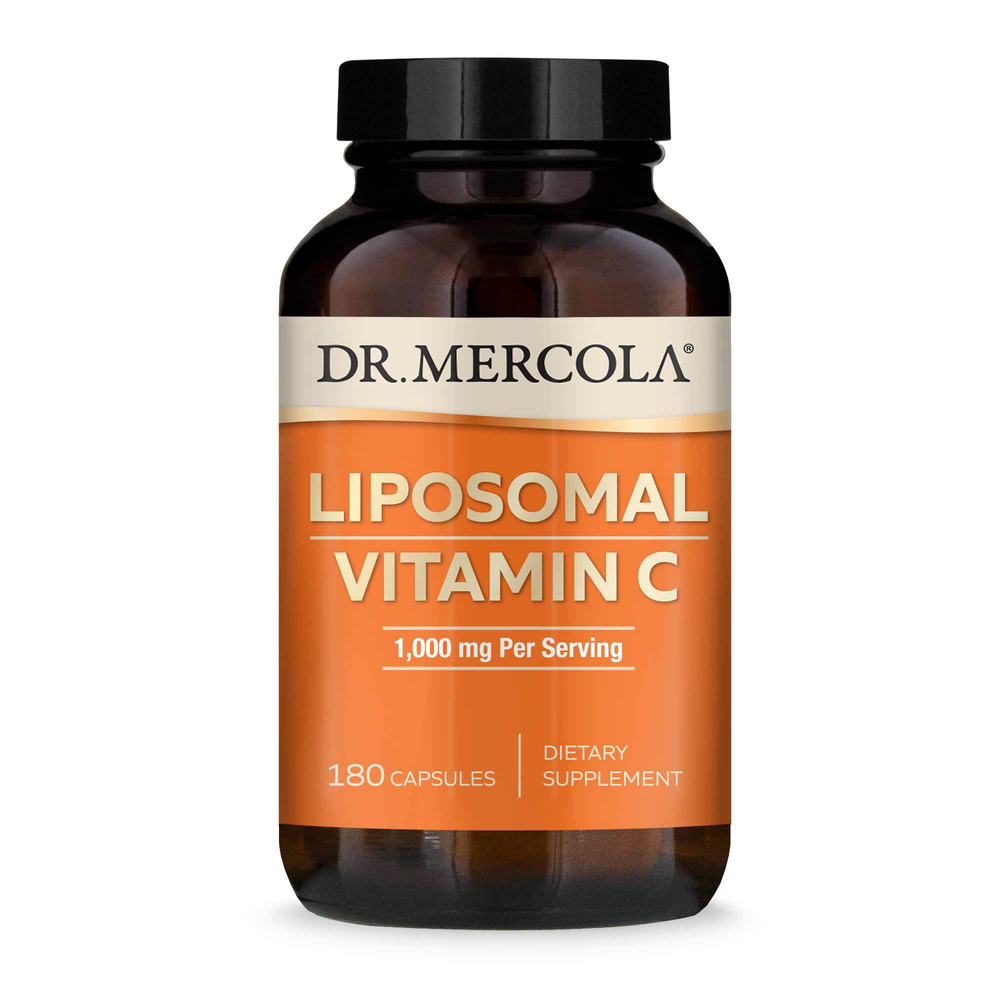
Liposomal Vitamin C 1000 mg by Dr. Mercola
180 capsules · 90-day supply
Enhanced Absorption Vitamin C for Immune and Antioxidant Support$49.99
Purchase options
Practitioner-grade brand3rd-party testedFree shipping $50+
Gluten Free·Soy Free
Dr. Mercola Liposomal Vitamin C overview
If you’re searching for liposomal vitamin C benefits, this is a fit when your diet is light on fruits and vegetables, you get frequent respiratory infections, or your gums, skin, or joints need extra collagen support. It’s also useful if standard vitamin C upsets your stomach. Endurance athletes and people under heavy physical stress tend to see the clearest immune effects, while routine prevention in the general population is modest. If your “Vitamin C, plasma” level is low, expect a more noticeable response within 4 to 8 weeks.
Vitamin C (ascorbic acid) drives collagen creation for skin, tendons, and gums, and it regenerates vitamin E so your antioxidant defenses last longer. Liposomal vitamin C packages ascorbic acid in phospholipids (fatty shells similar to cell membranes), which can raise blood levels and reduce gut irritation compared with standard tablets. In the immune system, it fuels neutrophils (the white blood cells that rush in first) and helps clear used oxidants. It also boosts non‑heme iron absorption from plants, which can help if your Ferritin (iron storage) is low.
Dr. Mercola Liposomal Vitamin C provides 1,000 mg per day when you take two capsules, which is a practical maintenance dose. Take with or without food; if your stomach is sensitive, take with a meal. Splitting the dose morning and evening smooths blood levels. For targeted repletion or during intense training blocks, some people use higher short‑term doses under clinician guidance, then step back to 1,000 mg for upkeep.
If you’ve had calcium oxalate kidney stones, use vitamin C cautiously and keep hydration up. High doses can skew certain glucose meters and some continuous glucose monitors; confirm with a lab Glucose test if readings look off. Vitamin C increases iron absorption, so avoid extra C if you have hemochromatosis or very high Ferritin. Large daily doses can rarely lower warfarin effect; if you’re on warfarin, keep the dose steady and monitor INR. For active chemotherapy, ask your oncologist before starting antioxidants.
Frequently asked questions
Is liposomal vitamin C better absorbed than regular vitamin C?
Yes, liposomal vitamin C often leads to higher blood levels and less stomach upset compared with standard tablets, thanks to its phospholipid “shell.” The benefit is most noticeable at gram‑level dosing or in people with sensitive digestion.
How long does vitamin C take to work?
For day-to-day energy and gum or skin integrity, most people notice steadier results within 4 to 8 weeks. For immune use, starting at the first sign of a cold can modestly shorten duration, especially in athletes or those under heavy physical stress.
Does vitamin C really help with colds?
Taken daily, vitamin C doesn’t prevent most colds in the general population. It can reduce incidence in endurance athletes and people under heavy stress, and starting at onset can shorten symptoms a bit. Think modest benefit, not a cure.
Can vitamin C cause kidney stones?
High intakes can increase urinary oxalate, which may raise kidney stone risk in susceptible people. If you’ve had calcium oxalate stones, keep doses conservative, hydrate well, and discuss with your clinician before long-term high dosing.
Can I take vitamin C with iron?
Yes. Vitamin C improves non‑heme iron absorption from plant foods and iron supplements, which can help if your Ferritin is low. If you have iron overload or very high Ferritin, avoid pairing extra vitamin C with iron unless directed by a clinician.
Does vitamin C interact with blood thinners like warfarin?
Large daily doses can rarely reduce warfarin’s effect. If you take warfarin, keep your vitamin C intake consistent and have your INR checked after any dose change. Direct oral anticoagulants don’t have a known meaningful interaction with vitamin C.
Is liposomal vitamin C safe during pregnancy or breastfeeding?
At typical supplemental doses around 1,000 mg per day, vitamin C is generally considered safe. Very high chronic doses aren’t necessary and can cause diarrhea. Always review supplements with your obstetrician or pediatrician.
Can vitamin C affect glucose meter or CGM readings?
Some point-of-care meters and certain CGMs can read inaccurately with high-dose vitamin C on board. If numbers look out of character, confirm with a laboratory Glucose test and check your device’s interference list.
How to take it & ingredients
Suggested use: Adults, as a dietary supplement, take two (2) capsules daily.
Active ingredients
2 capsules per serving · 90 servings
Vitamin C
Ascorbic Acid
Ascorbic Acid
1000 mg
Other ingredients: Sunflower Lecithin, Medium Chain Triglycerides, Hydroxypropyl Methylcellulose Capsule, Beeswax, Paprika Extract (Color), Sunflower Oil
Certifications
Benefits
Warnings
Customers also considered
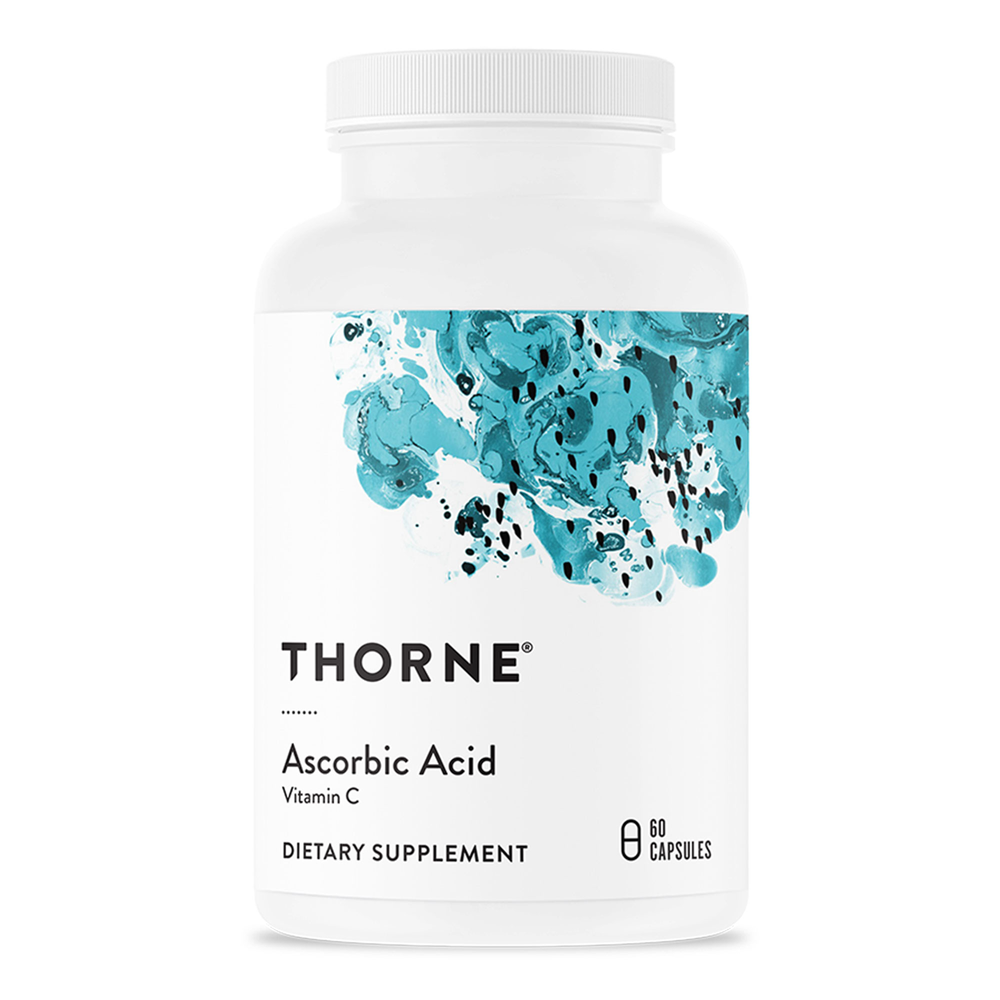
Ascorbic Acid
Thorne
60 capsules
$19.00Save 10% with Subscribe & Save
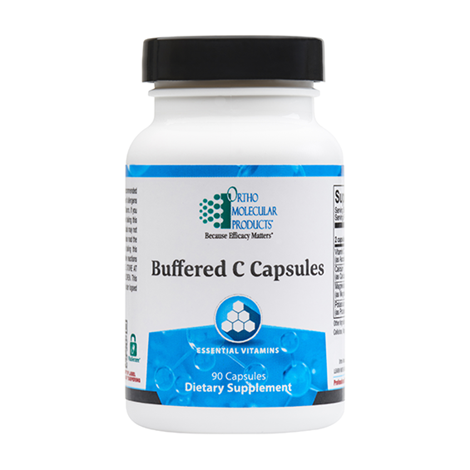
Buffered C Capsules
Ortho Molecular Products
90 capsules
$36.57Save 10% with Subscribe & Save
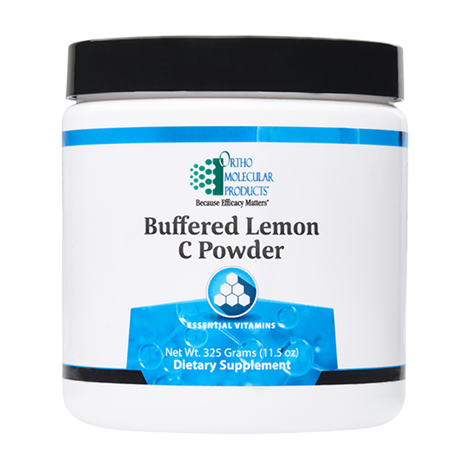
Buffered Lemon C Powder
Ortho Molecular Products
325 grams
$63.99Save 10% with Subscribe & Save
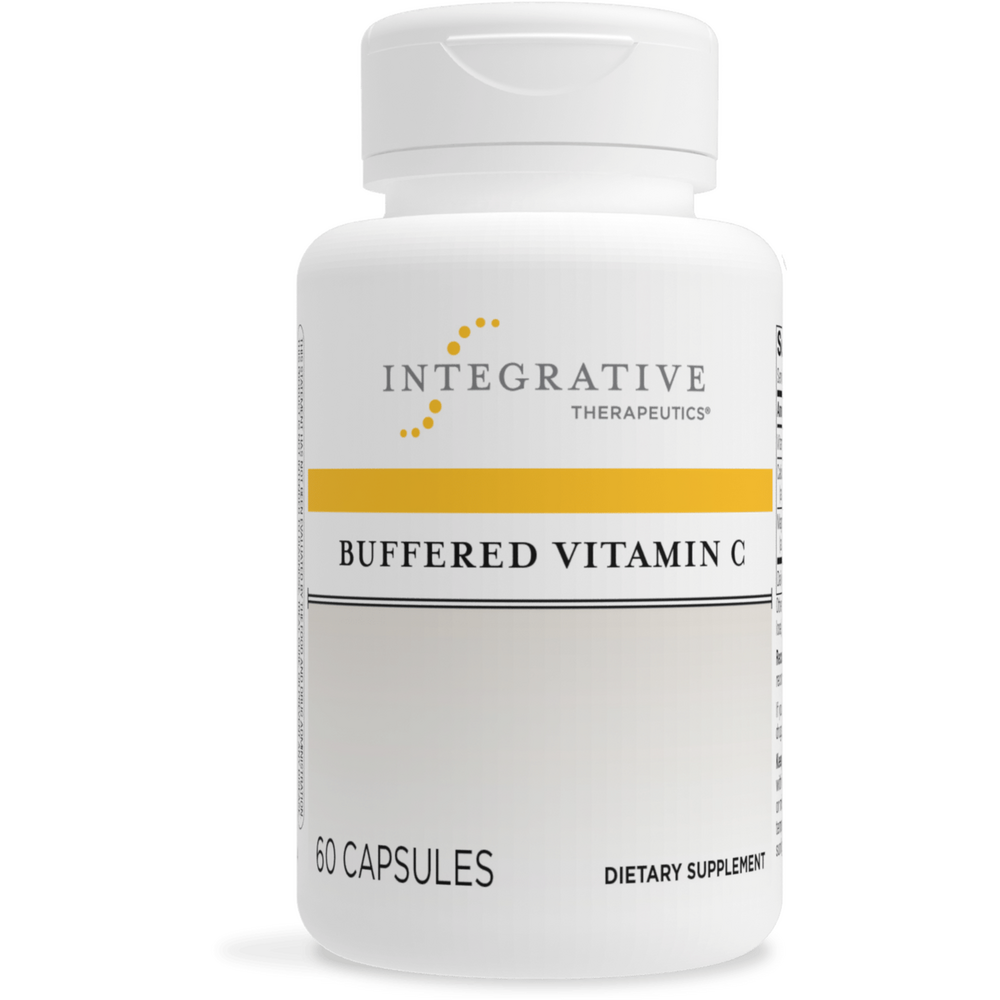
Buffered Vitamin C
Integrative Therapeutics
60 capsules
$15.99Save 19% with Subscribe & Save