 Instalab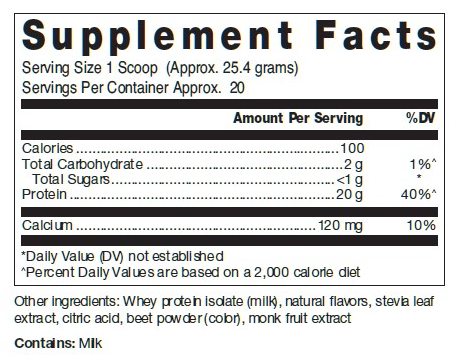
Klean Athlete
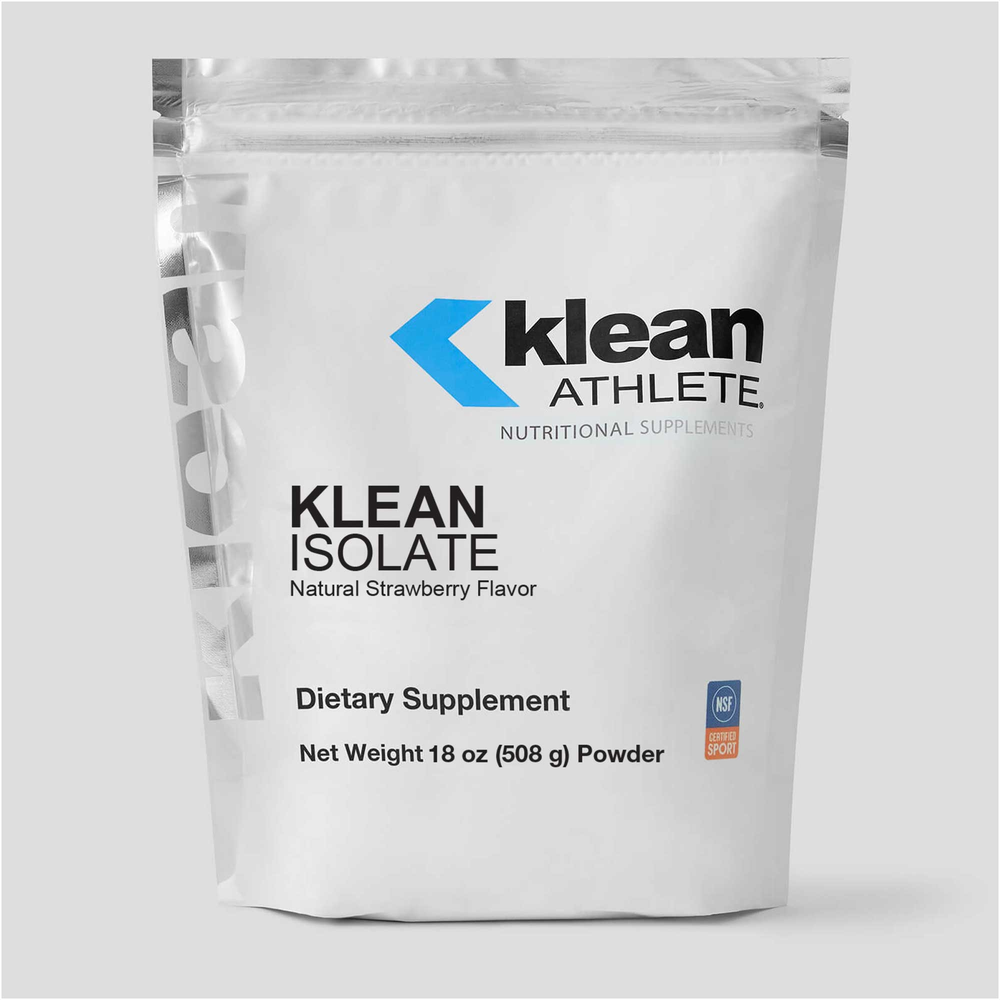
Klean Isolate Natural Strawberry 20 g by Klean Athlete
508 grams · 20-day supply
Premium Whey Protein Isolate for Muscle Recovery and Growth$64.50
Purchase options
Practitioner-grade brand3rd-party testedFree shipping $50+
Gluten Free·Soy Free·Yeast Free·Wheat Free·Corn Free·Starch Free·
Klean Athlete Klean Isolate Natural Strawberry overview
If you train hard and want a clean protein hit without much lactose, whey protein isolate fits. The 20 g per scoop is a practical post‑workout dose for adults aiming to maintain or build lean mass, especially if your total daily protein intake is inconsistent. It also suits those managing calories or carbs because isolate is naturally low in fat and sugar. If you rarely eat seafood or red meat, this helps close the protein and leucine gap that limits recovery.
Whey protein isolate digests quickly, delivering essential amino acids—especially leucine (the amino acid that flips on muscle‑building in muscle cells)—within 30 to 60 minutes. A 20 g serving provides roughly 2 to 2.5 g leucine, enough to trigger muscle protein synthesis after training. Because isolate has most lactose and fat removed, it’s easier on the gut than concentrate and causes a smaller calorie bump. Taken with carbs, it can also blunt post‑meal glucose spikes, which you’ll see over time on fasting glucose or HbA1c.
Mix one scoop in 10–12 oz cold water or milk and drink within two hours after training; mornings or between meals also work if you’re spreading protein across the day. Most active adults do well with 1–2 scoops daily depending on body size and diet protein. Expect better soreness and recovery in days, and noticeable strength or body‑composition changes over 6 to 12 weeks when paired with resistance training.
Skip if you have a milk protein allergy. Lactose intolerance usually tolerates isolate, but start with half a scoop to test. If you have kidney disease or a history of significant kidney impairment, review total daily protein with your clinician and monitor eGFR and BUN (kidney filtration and protein‑handling markers). Parkinson’s patients on levodopa can see reduced medication absorption with high‑protein meals—separate whey from dosing by several hours.
Isolate vs concentrate? Isolate removes most lactose and fat, so gram‑for‑gram it’s higher in protein and easier for sensitive stomachs. Natural strawberry flavor in Klean Athlete’s version avoids heavy sweeteners, so it mixes cleanly and stacks well with creatine or electrolytes post‑workout without masking taste.
Frequently asked questions
Is whey protein isolate good for building muscle?
Yes. Whey isolate is rich in leucine, which turns on muscle protein synthesis. Taken after resistance training, 20–40 g per day helps add or maintain lean mass over 6–12 weeks when your total daily protein is adequate.
When should I take whey protein isolate for best results?
Post‑workout within two hours is convenient, but total daily protein matters most. Many lifters split intake: one serving after training and another at breakfast or between meals to keep muscle building switched on.
Does whey protein isolate cause bloating or stomach issues?
Less often than whey concentrate because isolate is very low in lactose. If you’re sensitive, start with half a scoop, use water, and sip slowly. Persistent issues may point to a milk protein sensitivity—consider a non‑dairy protein.
Will whey protein isolate spike insulin or affect blood sugar?
Whey briefly raises insulin, which helps drive amino acids into muscle. In mixed meals it often lowers post‑meal glucose. People tracking glucose or HbA1c generally see neutral or improved readings when calories are controlled.
How much whey protein isolate should I take per day?
Most active adults use 20–40 g daily, adjusted to meet a total protein target of roughly 1.6–2.2 g/kg body weight. If you already hit that with food, one scoop post‑workout is a practical insurance policy.
Is whey protein isolate safe for people with kidney problems?
If you have diagnosed kidney disease, discuss any protein supplement with your clinician. Dosing is individualized and usually guided by labs like eGFR and BUN. Healthy kidneys handle typical athlete intakes without issue.
Can I take whey protein isolate with creatine?
Yes, and it’s a common stack. Mix creatine monohydrate into your whey shake post‑workout or take it anytime daily. Creatine works by saturation, not timing, while whey covers the immediate recovery window.
Can vegans use whey protein isolate?
No. Whey comes from milk. If you avoid animal products, choose a pea‑rice blend that delivers at least 2–3 g leucine per serving to match whey’s muscle‑building signal.
How to take it & ingredients
Suggested use: As a dietary supplement, adults take one scoop daily mixed with 10–12 ounces of water or another beverage, or as directed by a trainer, coach, or health professional.
Active ingredients
1 scoop = 25.4 grams per serving · 20 servings
Whey Protein
Whey protein isolate (milk)
Whey protein isolate (milk)
20 g
Other ingredients: Natural flavors, Stevia leaf extract, Citric acid, Beet powder (color), Monk fruit extract
Certifications
Benefits
Warnings
Customers also considered
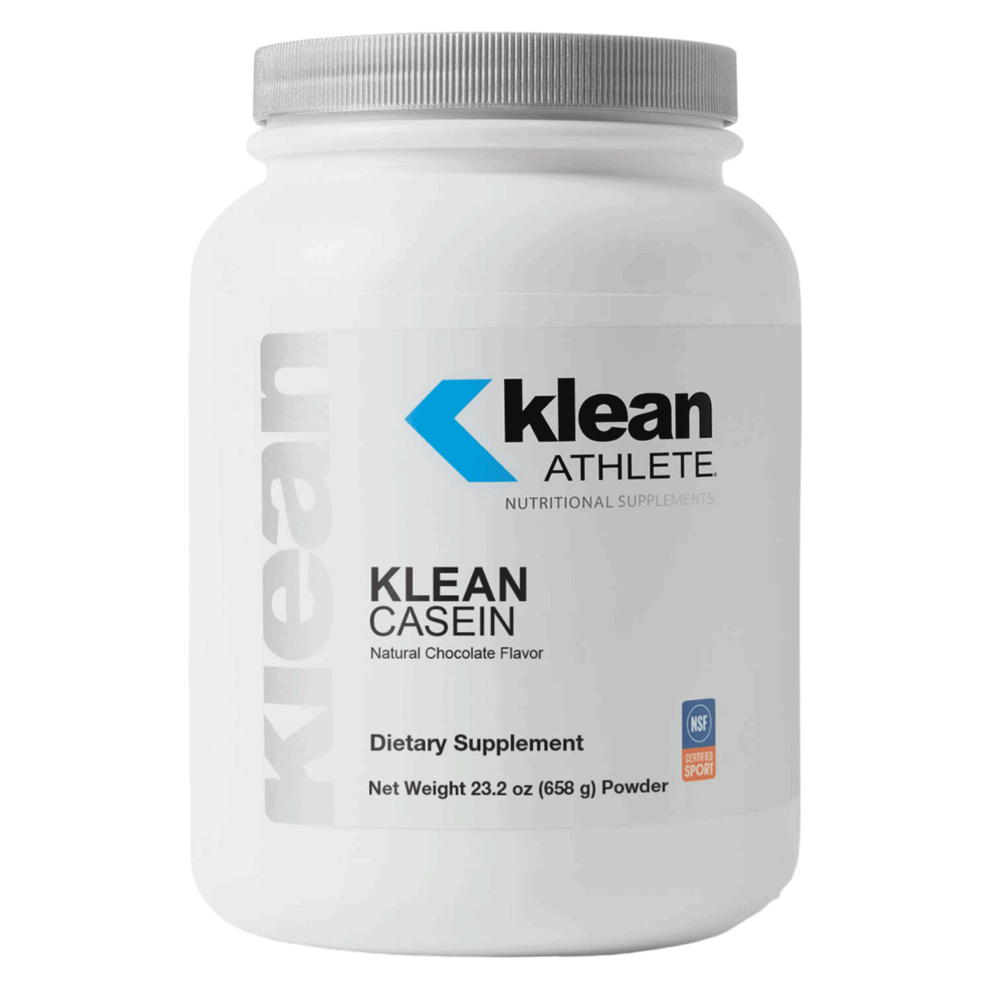
Casein Natural Chocolate
Klean Athlete
658 grams
$68.50$54.99 with Subscribe & Save
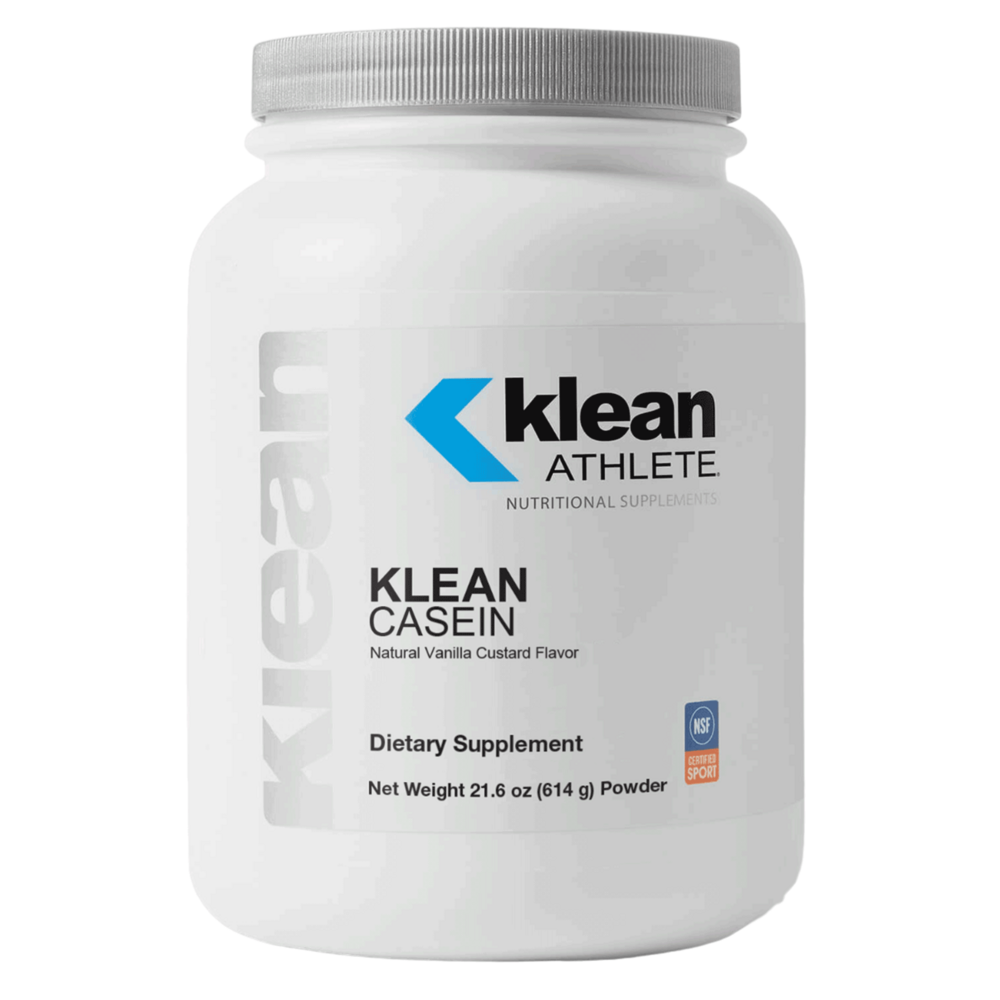
Casein Natural Vanilla Custard Flavor
Klean Athlete
614 grams
$68.50$54.99 with Subscribe & Save
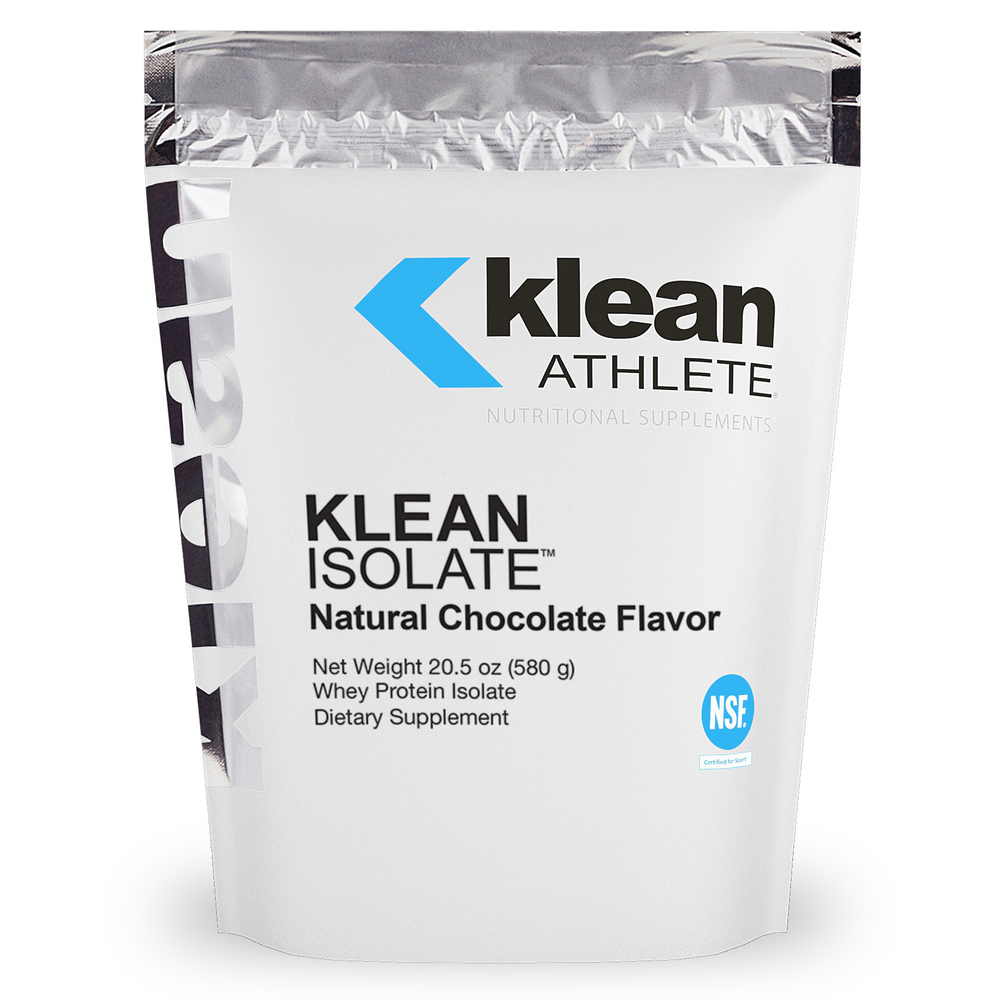
Klean Isolate Natural Chocolate
Klean Athlete
580 grams
$64.50$51.99 with Subscribe & Save
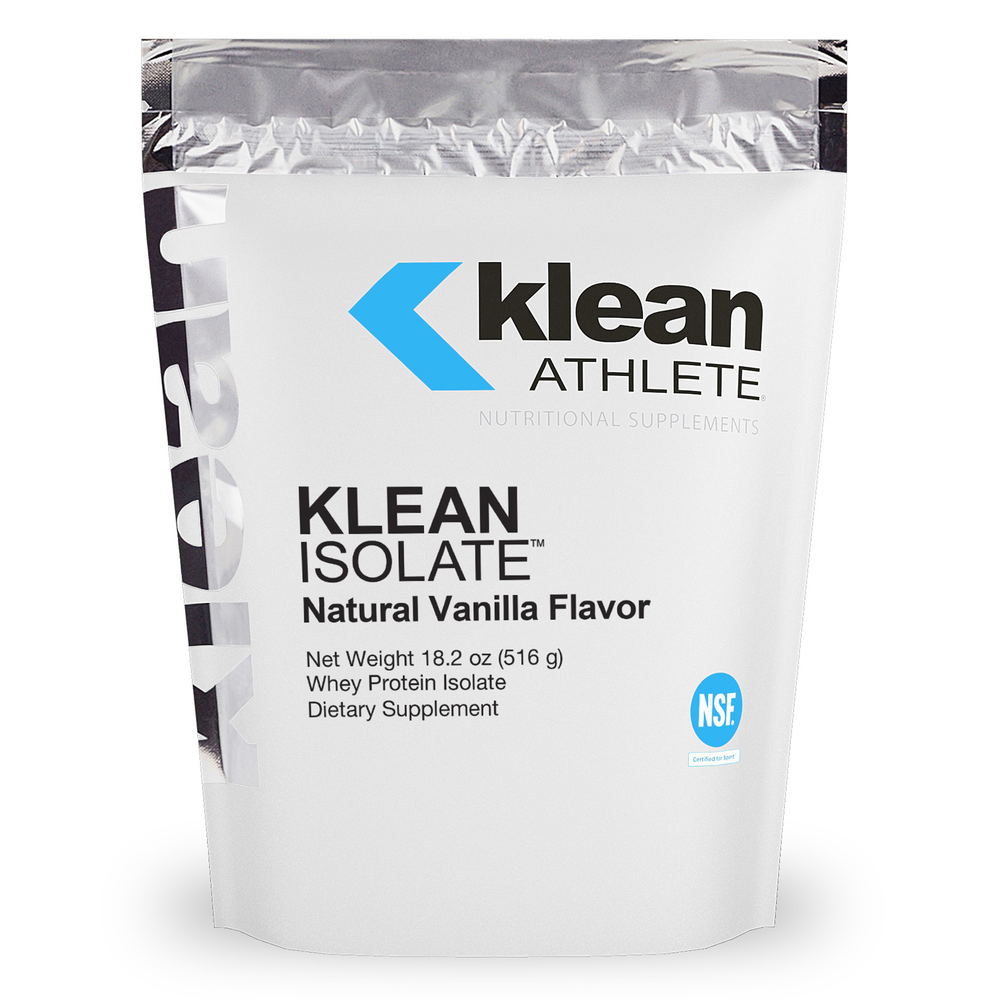
Klean Isolate Natural Vanilla
Klean Athlete
516 grams
$64.50$51.99 with Subscribe & Save