 Instalab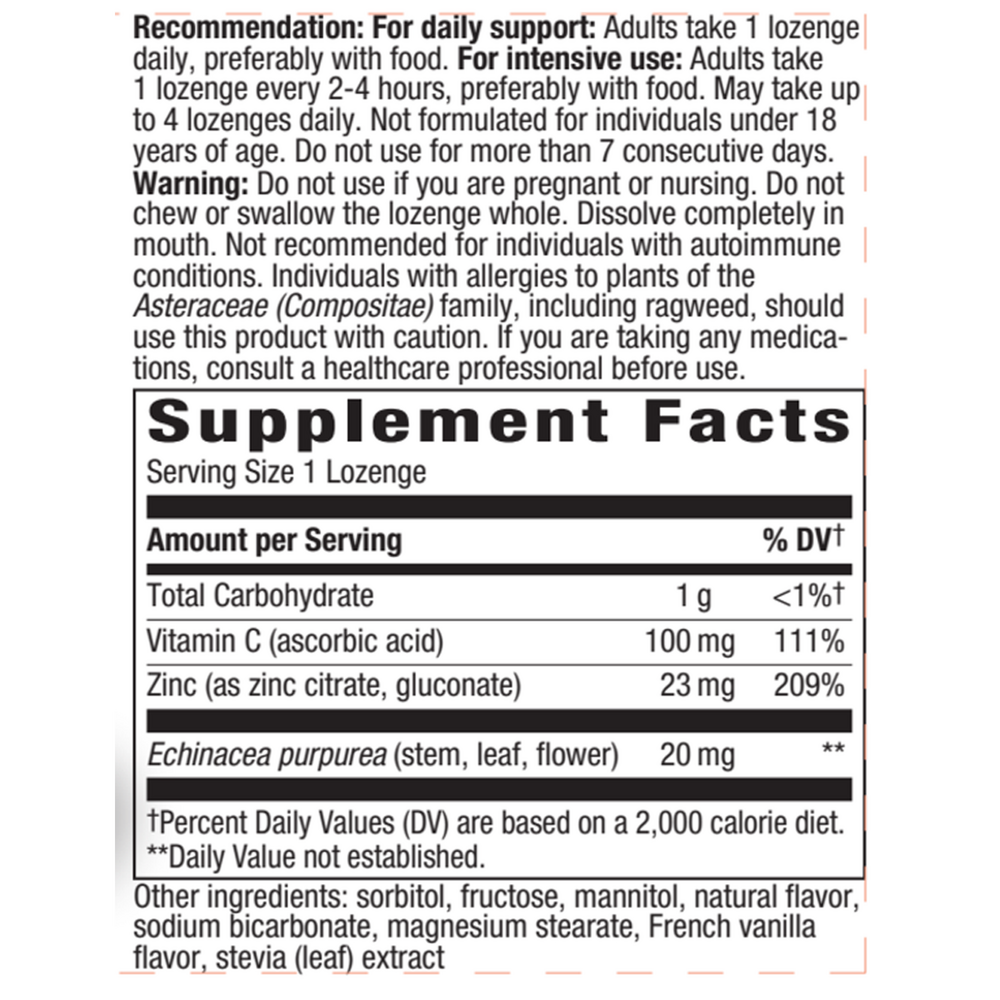

Nature’s Way
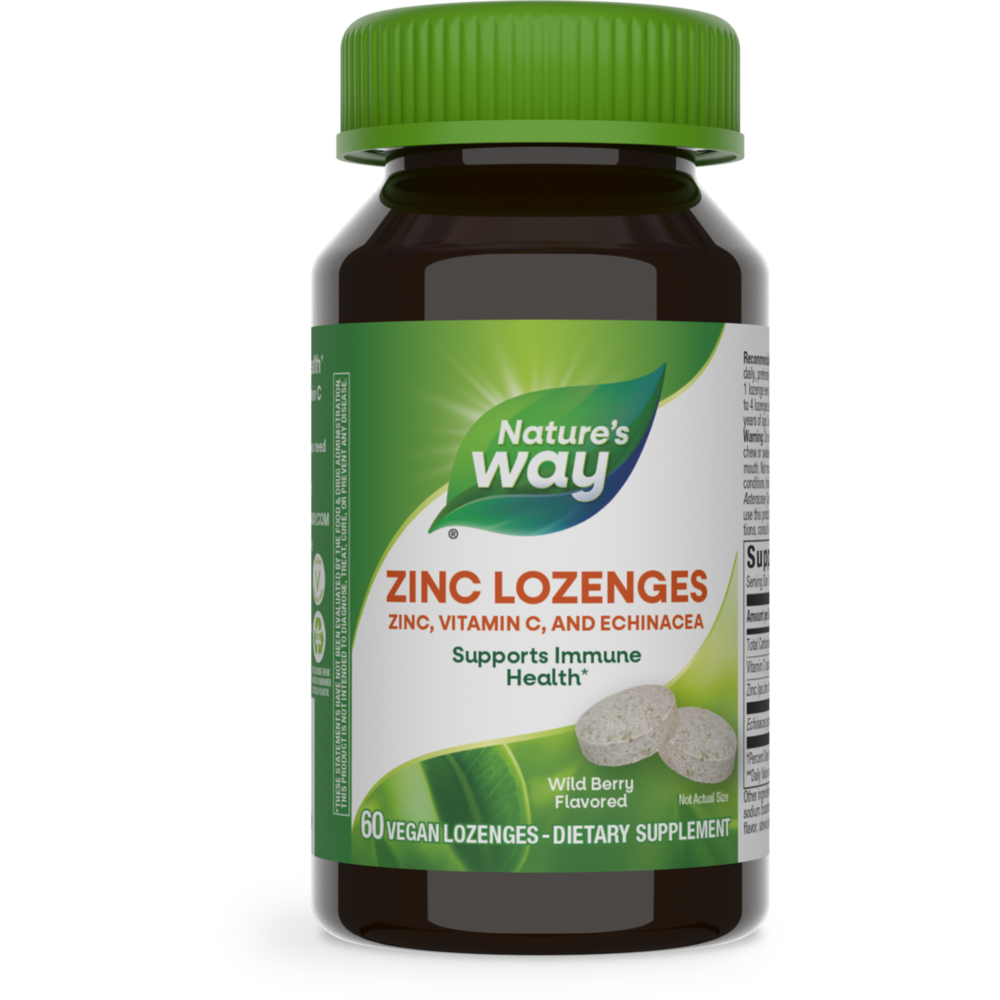
Zinc Lozenges by Nature’s Way
60 lozenges
Zinc and Vitamin C Lozenges for Immune Support and Wellness$7.99
Purchase options
Practitioner-grade brand3rd-party testedFree shipping $50+
Soy Free·Wheat Free·Dairy Free·Preservative Free·Yeast Free
Nature’s Way Zinc Lozenges overview
If your goal is zinc lozenges for colds started at the first sneeze or throat tickle, this fits. Zinc gluconate and citrate provide ionic zinc that can shorten cold duration when begun within 24–48 hours. It’s useful if you work around kids, travel, or get frequent winter infections. For ongoing status concerns, check Zinc, Plasma with your clinician rather than taking high-dose zinc indefinitely.
As a lozenge dissolves, zinc bathes the throat and nasal drainage, where cold viruses attach and copy themselves. Free zinc ions reduce viral binding and replication, which is why lozenges, not capsules, are used for colds. Trials with zinc gluconate or acetate show colds end about a day sooner in many users; evidence for echinacea and routine vitamin C is mixed, so consider them a bonus, not the main driver.
At onset, let one lozenge fully dissolve every 2–4 hours, up to four daily, for no more than 7 days. For daily support between illnesses, one lozenge is the upper end of a maintenance dose and can cause nausea on an empty stomach, so take with food. Do not chew or swallow whole; the local contact time is the point. Avoid taking alongside coffee or tea, which can bind minerals.
Separate zinc by at least 2–4 hours from levothyroxine (thyroid hormone), quinolone or tetracycline antibiotics, and penicillamine, since zinc blocks their absorption. High zinc for weeks can lower Copper, Serum and cause deficiency, so keep intensive use short and avoid stacking with other zinc products. Loss of smell has been linked to intranasal zinc sprays, not oral lozenges.
If you’re pregnant or breastfeeding, use only under clinician guidance, as repeated high doses can upset copper and iron balance. Skip intensive dosing if you have chronic nausea, active stomach ulcers, or are on multiple interacting medications. If you suspect persistent low zinc, get Zinc, Plasma and discuss a tailored plan rather than self-treating long term.
Frequently asked questions
Do zinc lozenges actually help with colds?
Yes, if started within 24–48 hours of symptoms and used through the day, zinc lozenges (especially gluconate or acetate forms) can shorten cold duration by roughly a day in many people. They’re not a cure, and benefit varies by product formulation and timing.
How many zinc lozenges can I take in a day?
Follow the label: up to four per day for no more than 7 days during a cold. This delivers about 92 mg of elemental zinc daily, which is intended for short courses only. For day-to-day use, one lozenge is plenty and still on the high side for routine intake.
When should I start zinc lozenges for a cold?
Start at the very first signs—scratchy throat, runny nose, sneezing—and continue every 2–4 hours while awake. Starting later than 48 hours into a cold is less likely to help, and taking zinc after the illness has peaked adds little.
Can I take zinc with antibiotics or thyroid medication?
Not at the same time. Zinc reduces absorption of tetracyclines, quinolones, and levothyroxine. Take these medicines at least 2–4 hours apart from zinc. If timing is tricky, ask your prescriber for a schedule.
What are common side effects of zinc lozenges?
Metallic taste, mild nausea, and stomach upset are most common, especially on an empty stomach. Taking with food helps. Very high zinc for weeks can deplete copper and cause anemia or neuropathy, which is why intensive use should be short.
Is zinc safe during pregnancy or breastfeeding?
Routine prenatal zinc needs are modest and usually met by diet or a prenatal. Short-course high-dose lozenges should only be used with clinician guidance to avoid copper and iron imbalance. If you’re frequently sick, discuss alternatives with your OB.
Gluconate vs citrate vs acetate—does the zinc form matter?
For colds, forms that release free zinc ions—gluconate and acetate—have the best evidence. Citrate can bind zinc more tightly, but products often blend forms. Effect also depends on flavor acids that can tie up zinc; the less of those, the better.
Should I test my zinc level before using lozenges?
Not for a short cold course. If you’re considering long-term zinc or have symptoms of deficiency, ask your clinician about checking Zinc, Plasma and possibly Copper, Serum to guide dosing safely.
How to take it & ingredients
Suggested use: For daily support: Adults take 1 lozenge daily, preferably with food. For intensive use: Adults take 1 lozenge every 2-4 hours, preferably with food. May take up to 4 lozenges daily. Not formulated for individuals under 18 years of age. Do not use for more than 7 consecutive days.
Active ingredients
Zinc
Zinc citrate and gluconate
Zinc citrate and gluconate
23 mg
Vitamin C
Ascorbic acid
Ascorbic acid
100 mg
Echinacea purpurea
Stem, leaf, flower
Stem, leaf, flower
20 mg
Other ingredients: Sorbitol, Fructose, Mannitol, Natural flavor, Sodium bicarbonate, Magnesium stearate, French vanilla flavor, Stevia leaf extract
Certifications
Benefits
Warnings
Customers also considered
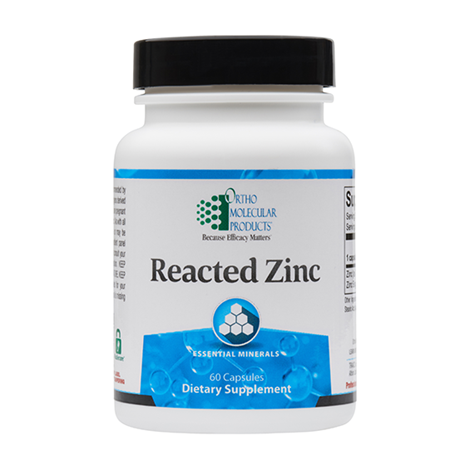
Reacted Zinc
Ortho Molecular Products
60 capsules
$32.91$29.65 with Subscribe & Save
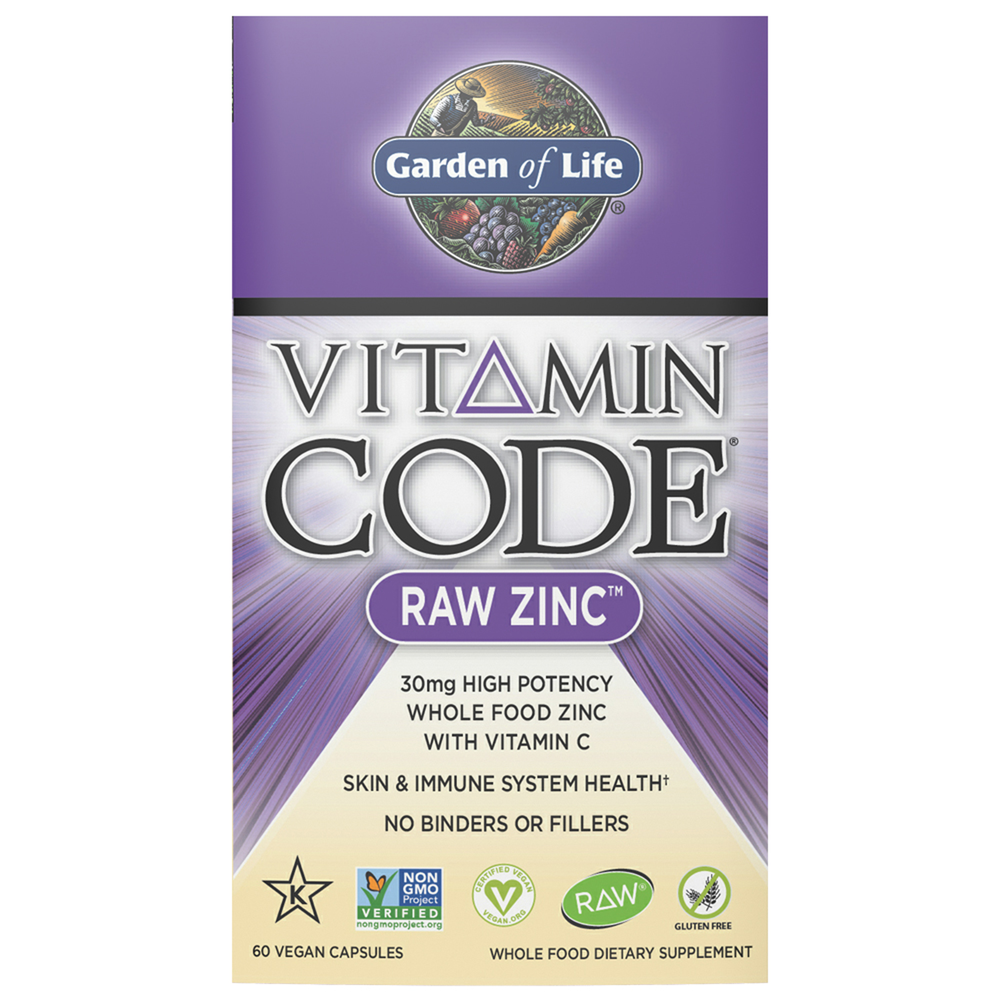
Vitamin Code Raw Zinc
Garden of Life
60 capsules
$15.99$12.99 with Subscribe & Save
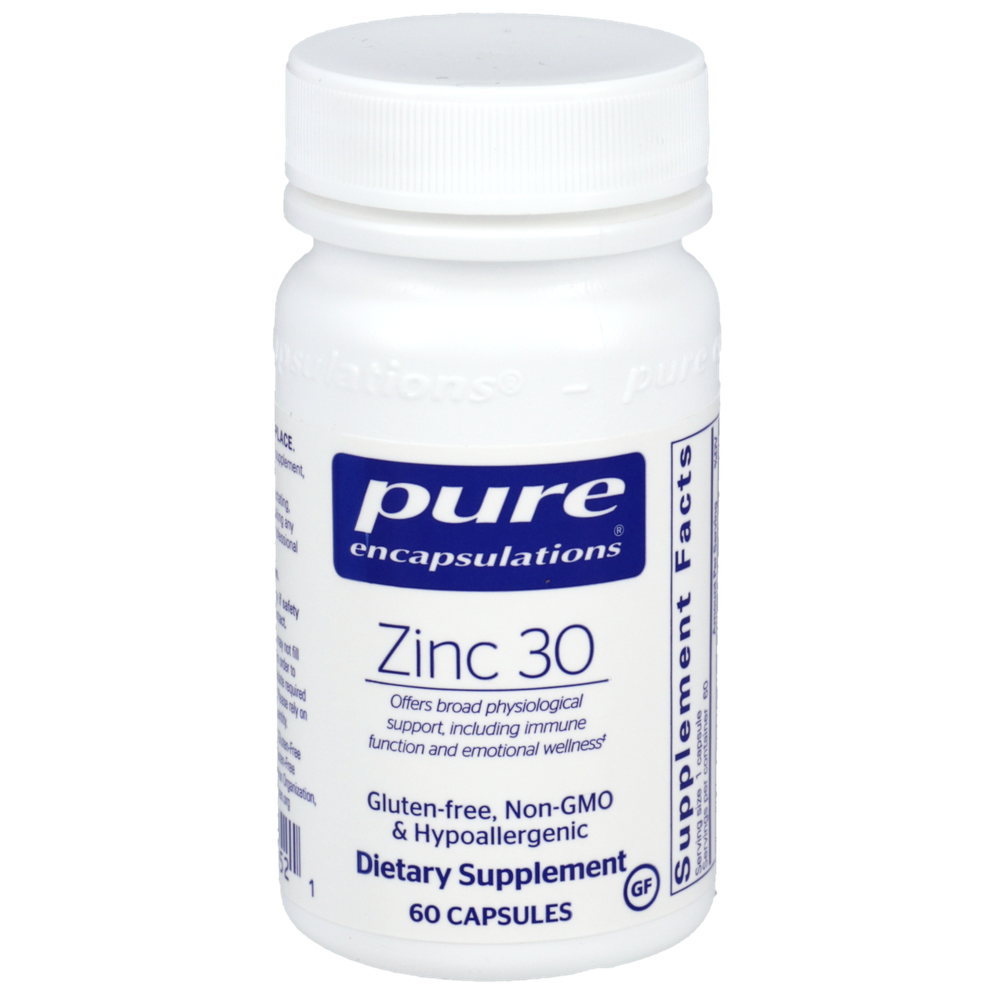
Zinc 30
Pure Encapsulations
60 capsules
$16.00$12.99 with Subscribe & Save
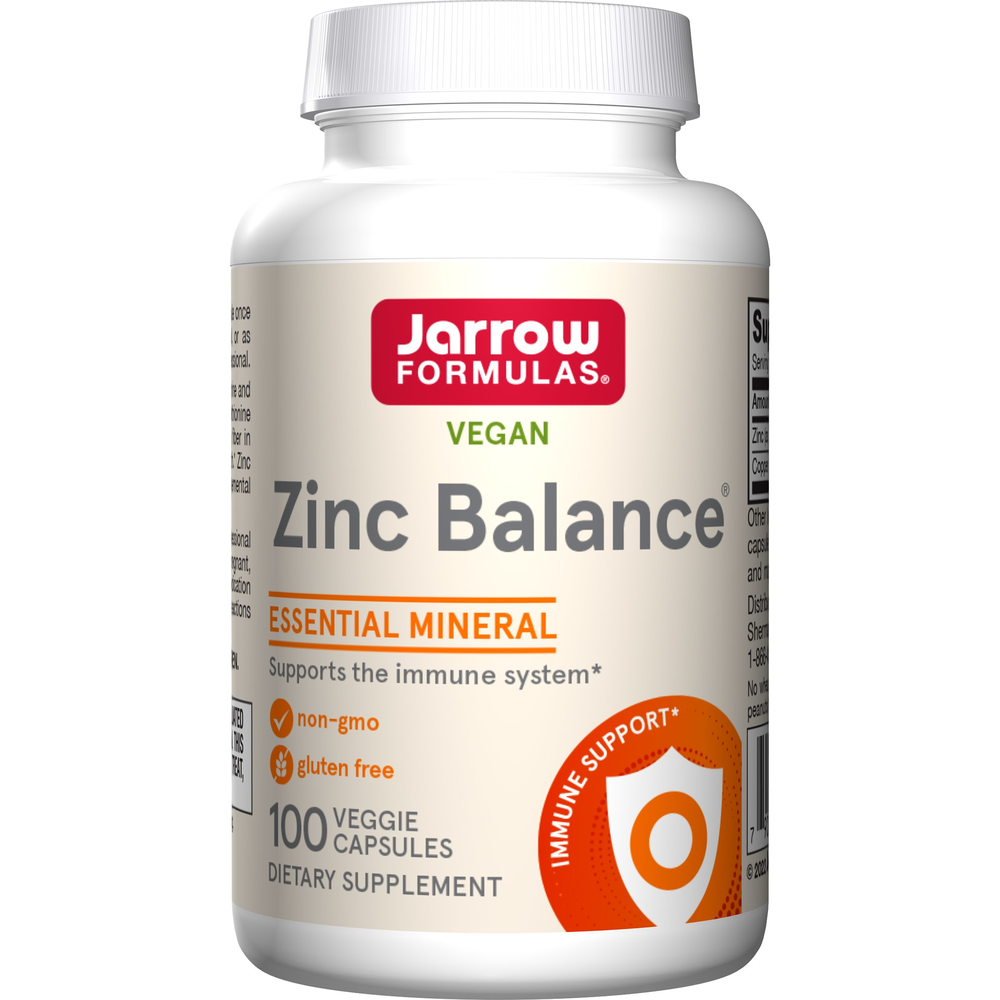
Zinc Balance
Jarrow Formulas
100 capsules
$16.99$13.99 with Subscribe & Save