 Instalab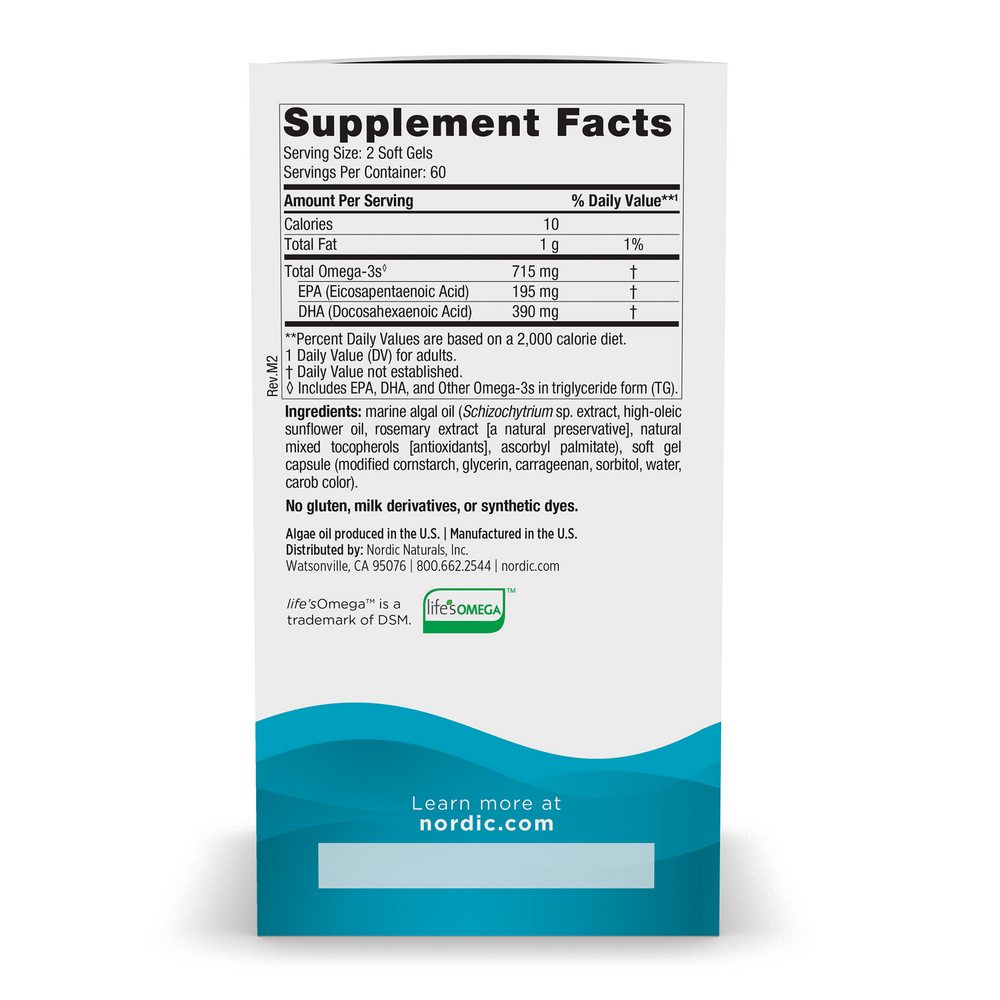

Nordic Naturals
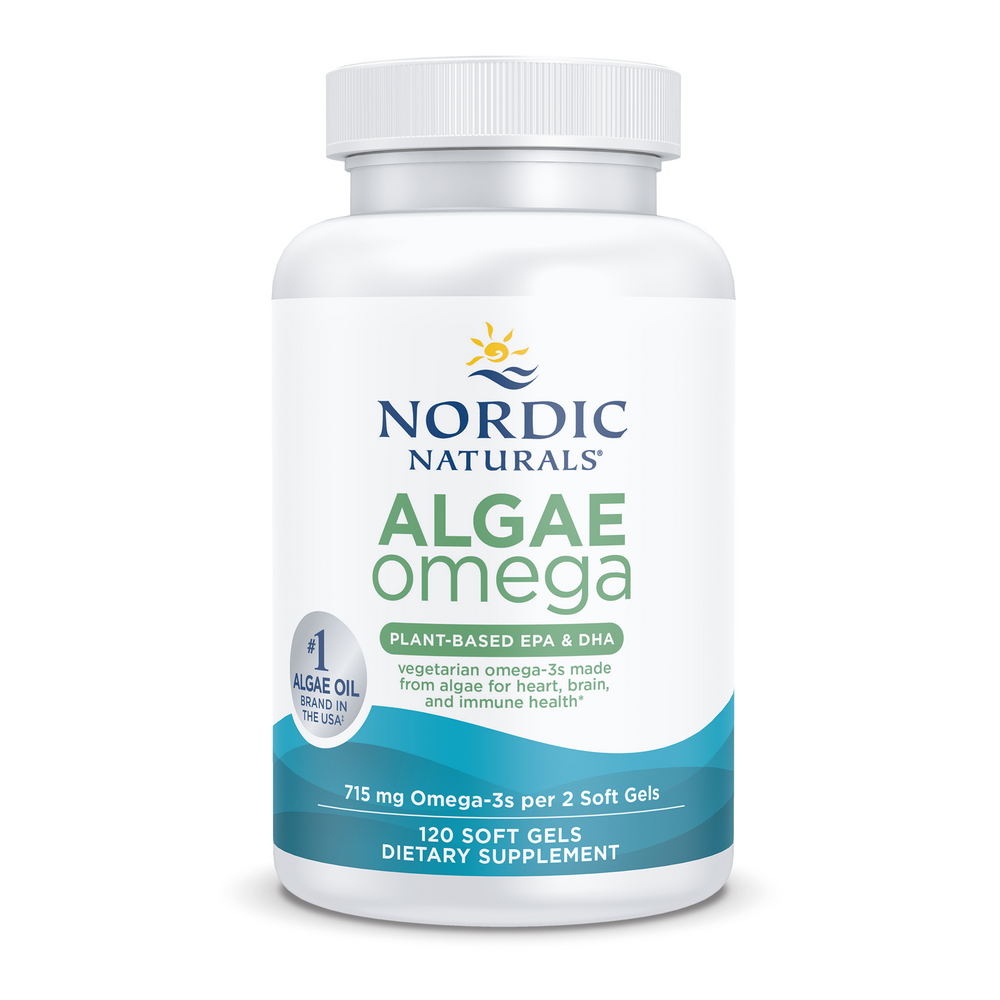
Algae Omega 715 mg by Nordic Naturals
120 softgels · 60-day supply
Plant-Based Omega-3s for Heart, Brain, and Joint Health$52.99
Purchase options
Practitioner-grade brand3rd-party testedFree shipping $50+
Vegan·Vegetarian·Gluten Free·Dairy Free·Egg Free·Fish Free·
Nordic Naturals Algae Omega overview
If you avoid fish but want EPA and DHA, vegan omega-3 from algae fits. ALA from flax and chia converts poorly, so a direct source matters if your Omega-3 Index is low or in the low-normal range. This 715 mg total omega-3 dose is maintenance-level: useful for steady upkeep, pregnancy planning with little seafood, or when your diet is inconsistent. If your triglycerides are elevated, you’ll usually need gram-level omega-3 dosing under clinician guidance.
EPA and DHA help your liver send out fewer VLDL particles (the form your liver uses to package fat, which shows up as triglycerides), and they nudge cells to burn fatty acids for energy faster. Most people who take enough see triglycerides fall within 4 to 12 weeks. These fats also shift membrane signaling toward fewer pro-inflammatory eicosanoids (short-lived chemical messengers), which can modestly lower hs-CRP (a lab marker of systemic inflammation) in some responders. Algal oil gives you the same molecules as fish oil without the fish.
Take two soft gels daily with food, as the manufacturer directs; fat-containing meals improve absorption and reduce fishy burps, which are less common with algae. For higher-intensity use, two soft gels twice daily with food is reasonable. Recheck your Omega-3 Index after 8 to 12 weeks and adjust. If you need gram-level EPA+DHA, a higher-potency omega-3 is more practical than many capsules.
At typical doses, omega-3 has a small blood-thinning effect; combine cautiously with warfarin, apixaban, rivaroxaban, clopidogrel, or high-dose aspirin, and loop in your clinician before increasing the dose. If you have a history of atrial fibrillation (irregular upper-chamber heartbeat), avoid high-dose omega-3 unless supervised. Schedule surgery? Hold higher doses about a week prior. Algae-sourced oil contains no fish protein and is generally safe for fish allergy.
Is algal oil as effective as fish oil? Yes—EPA and DHA are identical regardless of source. How fast will levels rise? Most see a meaningful bump in the Omega-3 Index within 8 to 12 weeks at consistent dosing. Can it help joints or brain? Data are mixed and effect sizes are modest, but adequate DHA is important for pregnancy and brain health across the lifespan.
Frequently asked questions
Is vegan omega-3 as good as fish oil?
Yes. EPA and DHA from algae are chemically identical to fish oil. The difference is purity, sustainability, and dose per capsule. For triglyceride lowering, you’ll still need gram-level EPA+DHA regardless of source.
How long does algae omega-3 take to work?
For blood level changes, expect 8–12 weeks to see a rise in the Omega-3 Index. Triglyceride changes, if dosed high enough, also appear within 4–12 weeks. Consistency with meals matters more than time of day.
Can vegan omega-3 lower triglycerides?
It can, but only at higher total EPA+DHA intakes than this maintenance dose. Gram-level dosing typically drops triglycerides 20–30% in responders. Use lab testing and clinician guidance if your triglycerides are elevated.
Do omega-3s thin your blood?
Slightly. Omega-3s can lengthen bleeding time, especially at higher doses. Most healthy people have no issue, but if you’re on blood thinners or have a bleeding disorder, talk with your clinician before increasing the dose.
Should I take algae omega-3 with food?
Yes. Taking with a meal that contains some fat improves absorption and minimizes reflux or burps. Splitting the dose with breakfast and dinner is a simple, effective routine.
Is algal oil safe in pregnancy?
DHA is important in pregnancy, and algae-sourced DHA/EPA avoids fish allergens and contaminants. Use a prenatal-appropriate dose under clinician guidance and track your Omega-3 Index if possible.
Will this help with inflammation or joint pain?
Omega-3 can modestly reduce hs-CRP in some people, but joint pain relief is variable and usually requires higher doses. Manage expectations and reassess after 8–12 weeks with labs and symptom tracking.
What if I’m allergic to fish or shellfish?
Algal oil contains no fish or shellfish protein, so it’s typically safe for those allergies. Always check the excipients on the label and trial a single softgel with food if you’re highly sensitive.
How to take it & ingredients
Suggested use: Adults take two soft gels daily, with food, or as directed by your health care professional. For higher-intensity support, take two soft gels twice daily with food.
Active ingredients
2 softgels per serving · 60 servings
▼
Omega-3 Fatty Acids
Marine algal oil (Schizochytrium sp. extract)
Marine algal oil (Schizochytrium sp. extract)
715 mg
Eicosapentaenoic Acid (EPA)
195 mg
Docosahexaenoic Acid (DHA)
390 mg
Other ingredients: High-oleic sunflower oil, Rosemary extract (natural preservative), Natural mixed tocopherols (antioxidants), Ascorbyl palmitate, Modified cornstarch, Glycerin, Carrageenan, Sorbitol, Water, Carob color
Certifications
Benefits
Warnings
Customers also considered
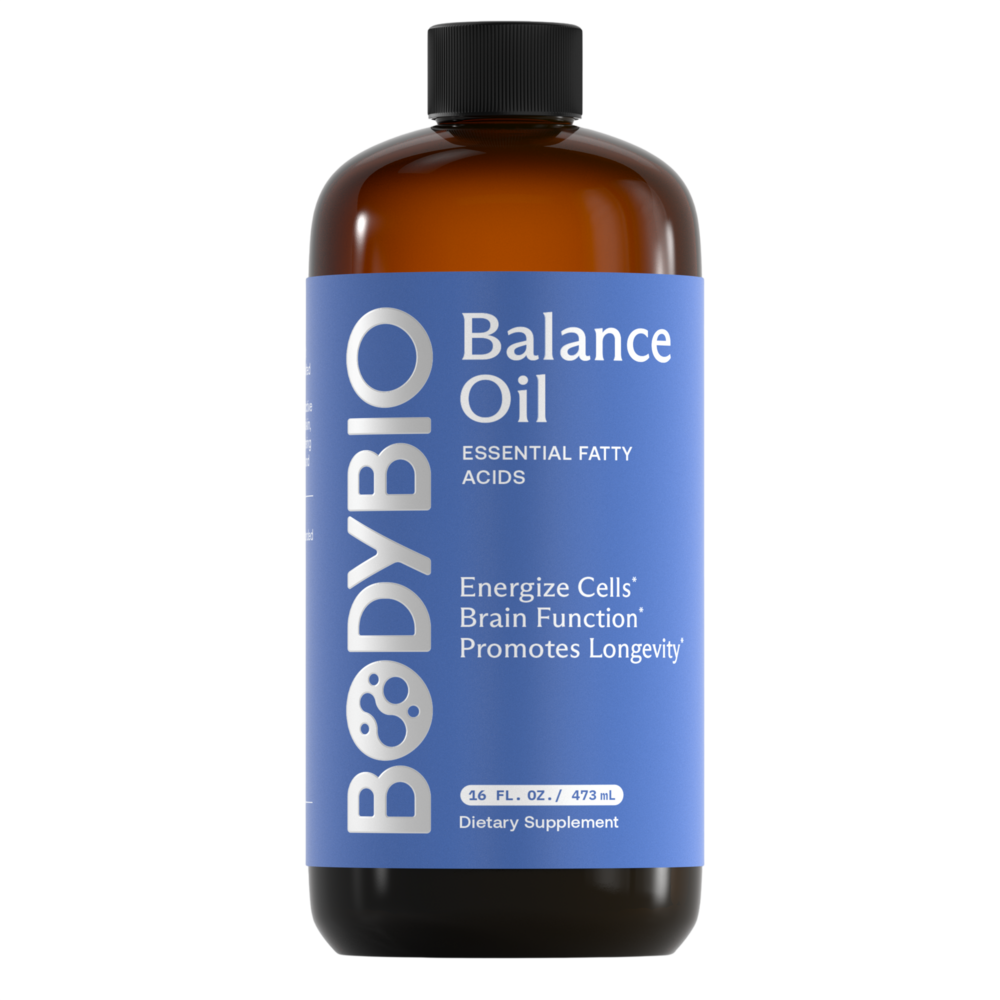
BodyBio Balance Oil
Body Bio
473 milliliters
$36.99$29.99 with Subscribe & Save
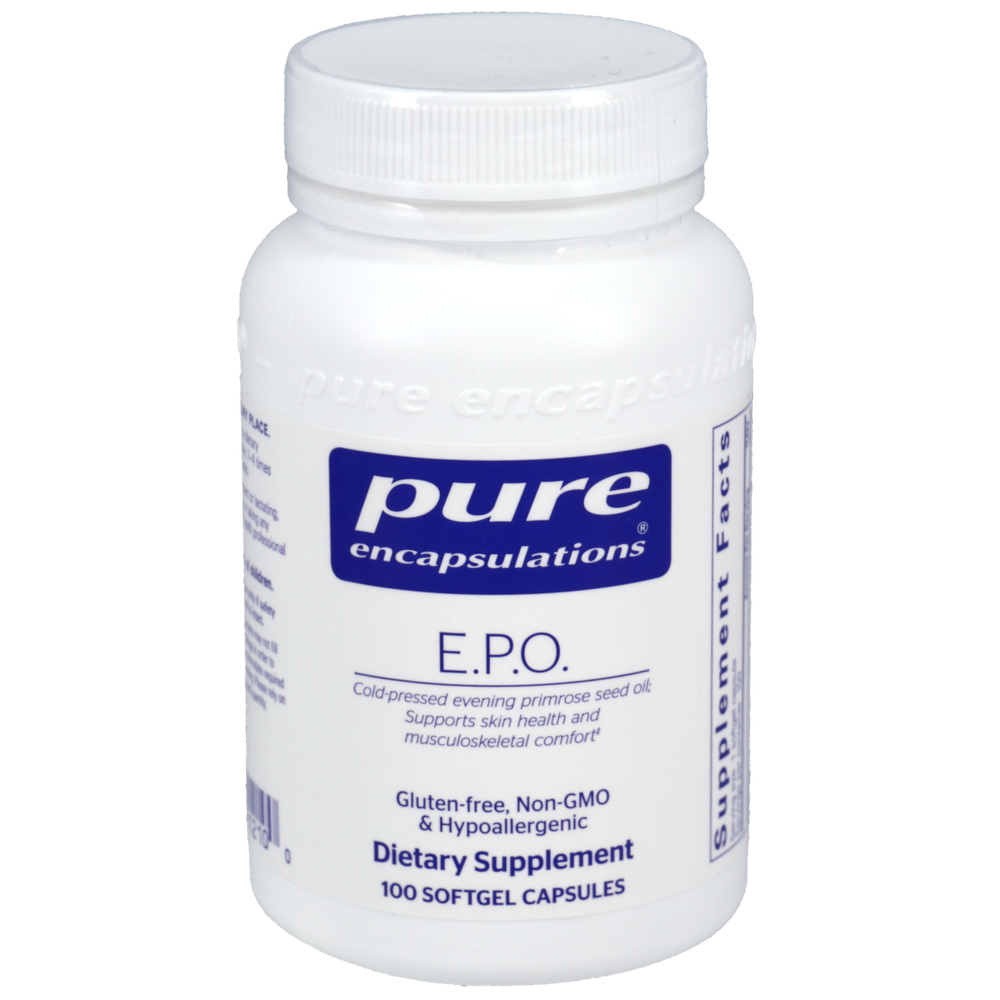
EPO
Pure Encapsulations
100 softgels
$33.00$25.99 with Subscribe & Save
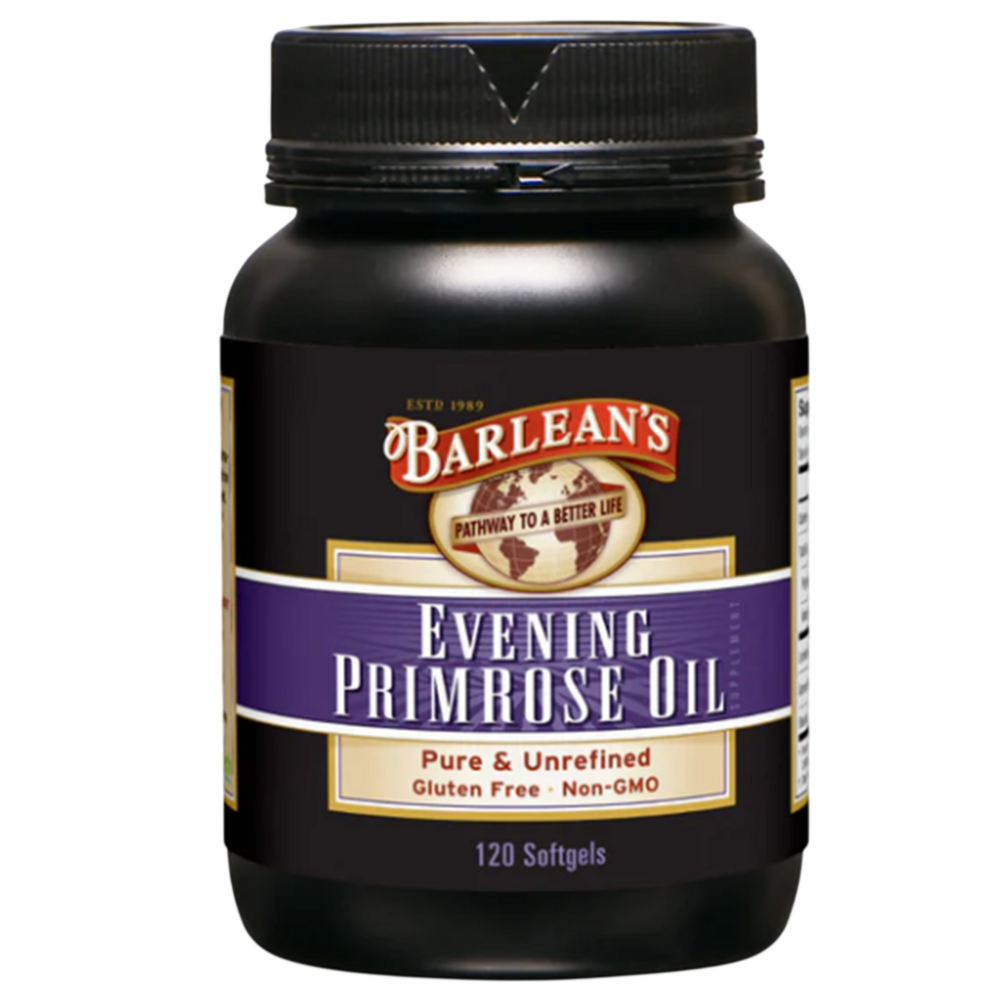
Evening Primrose Oil
Barlean's Organic Oils
120 softgels
$39.99$31.99 with Subscribe & Save
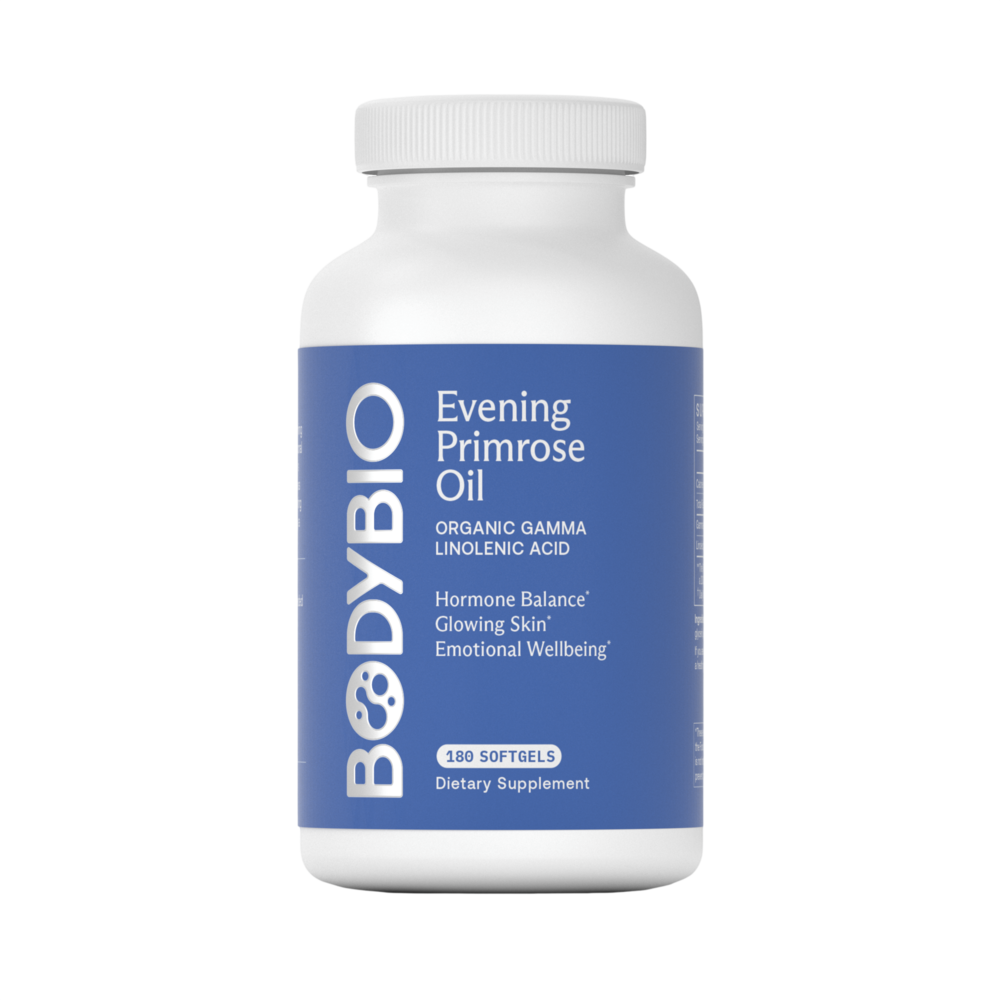
Evening Primrose Oil
Body Bio
180 softgels
$69.99$55.99 with Subscribe & Save