 Instalab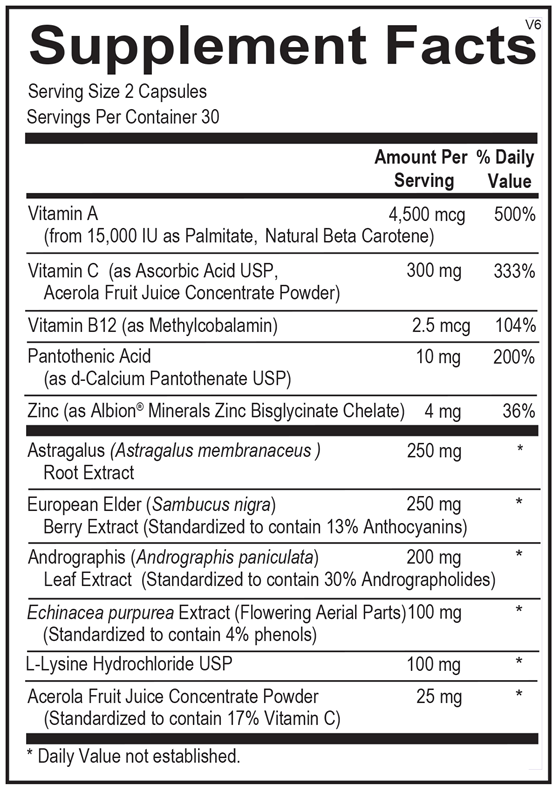
Ortho Molecular Products
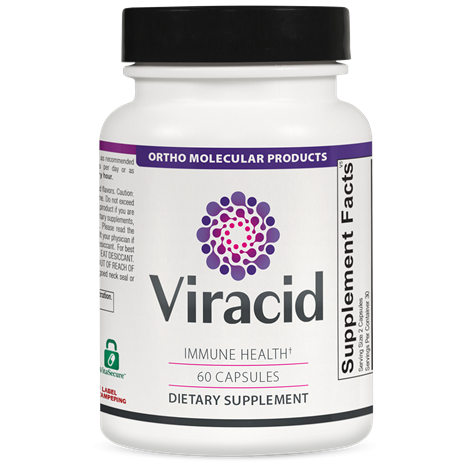
Viracid by Ortho Molecular Products
60 capsules · 30-day supply
Comprehensive Immune Support with Antiviral Ingredients$57.78retail
Add to cart for 10% off
Purchase option
10% below MSRP3rd-party tested for purity & potencyFree shipping $50+
Vegan·Vegetarian·Gluten Free·Artificial Color Free·Artificial Flavor Free
Ortho Molecular Products Viracid overview
This immune support supplement fits people who want a rapid, first‑sign response plan for colds and other upper respiratory viruses. It’s useful for teachers, healthcare workers, parents of young kids, frequent fliers, and endurance athletes during heavy training. If you tend to catch every bug, or you want something to start within hours of a scratchy throat, this blend of zinc, vitamin C, elderberry, echinacea, andrographis, astragalus, and L‑lysine is built for that window.
Zinc bisglycinate (a well‑absorbed form) is central here; adequate zinc helps immune cells coordinate and can slow the machinery viruses use to copy themselves. Elderberry and andrographis have human trials showing shorter duration and milder symptoms when started early, often within 24–48 hours. Echinacea’s data are mixed but suggest modest benefit at first signs. Astragalus is an immune tonic that may improve readiness under stress. Vitamin C is not a cure, but steady intake slightly reduces cold length, especially in hard‑training or sleep‑deprived people. L‑lysine is more established for recurrent cold sores than for common colds.
For an acute start, follow the label: 1–2 capsules per hour for a short pulse, beginning at the very first symptoms, and do not exceed 2 per hour. Use this intensive pattern for the first day or two, then step down. For maintenance between exposures, 2 capsules daily is typical. Take with food to reduce zinc‑related nausea. Do not use high‑intensity pulses continuously; this is an as‑needed strategy.
Pregnancy or trying to conceive: avoid because this formula includes preformed vitamin A (excess retinol is linked to birth defects) and andrographis lacks robust pregnancy safety data. Post‑transplant or on immunosuppressants: avoid astragalus and echinacea. Autoimmune conditions: discuss with your clinician before use, as immune‑stimulating herbs can aggravate disease in some people. Zinc can bind certain antibiotics (quinolones, tetracyclines); separate by a few hours. Allergic to ragweed family plants, be cautious with echinacea.
Frequently asked questions
How fast does this immune support supplement work?
If it helps, you usually feel a difference in symptom intensity within 24–48 hours when started at the very first signs. Best results come from early, short pulses, not late use after symptoms peak.
Can I take it every day long term?
Use it daily only during higher‑risk periods or for short maintenance stretches. Because it includes preformed vitamin A and stimulating herbs, long‑term continuous use is not advisable without clinician oversight.
Should I take it with food?
Yes. Take with a snack or meal to minimize stomach upset. Zinc on an empty stomach commonly causes nausea; food solves this for most people.
Does it interact with antibiotics or other meds?
Zinc reduces absorption of tetracycline and quinolone antibiotics; separate by at least 2–4 hours. If you take immunosuppressants, skip immune‑stimulating herbs like astragalus and echinacea unless your specialist approves.
Is it safe in pregnancy or while trying to conceive?
No. It contains preformed vitamin A and andrographis, both of which raise safety concerns in pregnancy. Choose a prenatal‑appropriate option and ask your obstetric clinician.
Will this prevent COVID‑19 or the flu?
No supplement prevents or treats COVID‑19 or influenza. This blend is for general upper respiratory support at first symptoms. Follow public health guidance and speak with your clinician for proven treatments.
Can I open the capsules?
Yes, you can open them and mix the contents with a small amount of food or drink. The taste is herbal and slightly bitter, so mix with something flavorful.
What side effects should I watch for?
Most people tolerate it well. Possible issues include nausea from zinc, mild digestive upset, or allergic reactions in those sensitive to echinacea. Stop and seek care if you develop rash, swelling, or trouble breathing.
How to take it & ingredients
Suggested use: For immediate immune support take 1 to 2 capsules per hour or as recommended by your health care professional. For immune maintenance take 2 capsules per day or as recommended by your health care professional. Do not exceed 2 capsules every hour.
Active ingredients
2 capsules per serving · 30 servings
Vitamin A
Palmitate Natural Beta Carotene
Palmitate Natural Beta Carotene
4500 mcg
Vitamin C
Ascorbic Acid and Acerola Fruit Juice Concentrate Powder
Ascorbic Acid and Acerola Fruit Juice Concentrate Powder
300 mg
Vitamin B12
Methylcobalamin
Methylcobalamin
2.5 mcg
Pantothenic Acid
D-Calcium Pantothenate
D-Calcium Pantothenate
10 mg
Zinc
Zinc Bisglycinate Chelate
Zinc Bisglycinate Chelate
4 mg
L-Lysine
L-Lysine Hydrochloride
L-Lysine Hydrochloride
100 mg
Echinacea
Echinacea purpurea Extract
Echinacea purpurea Extract
100 mg
European Elderberry
Sambucus nigra Berry Extract
Sambucus nigra Berry Extract
250 mg
Andrographis
Andrographis paniculata Leaf Extract
Andrographis paniculata Leaf Extract
200 mg
Astragalus
Astragalus membranaceus Root Extract
Astragalus membranaceus Root Extract
250 mg
Other ingredients: Hypromellose (Natural Vegetable Capsules), Magnesium Stearate, Silicon Dioxide
Certifications
Benefits
Warnings