
 Instalab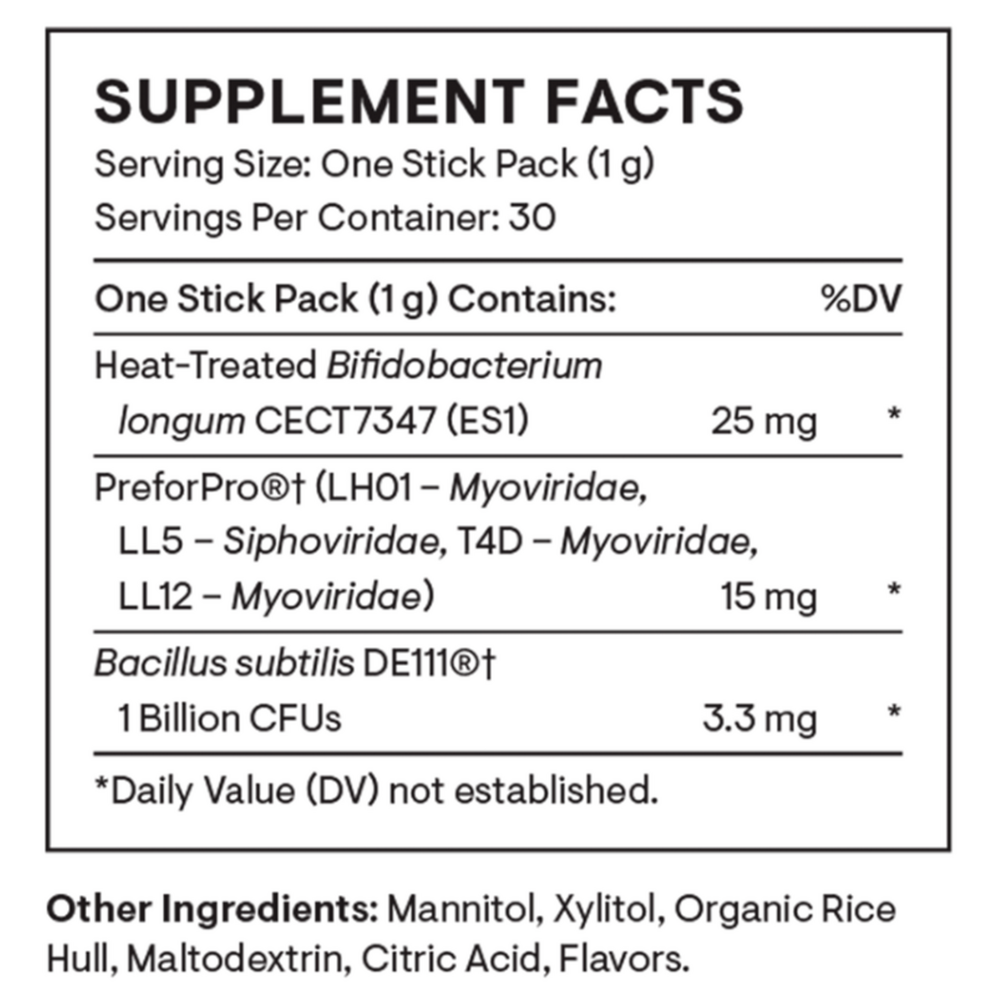
Thorne
Complete Biotic by Thorne
30 packets · 30-day supply
Advanced Probiotic Support for Gut Health and Balance$46.00
Purchase options
Practitioner-grade brand3rd-party testedFree shipping $50+
Dairy Free
Thorne Complete Biotic overview
A probiotic for bloating that melts on your tongue is handy when you’re commuting, traveling, or managing life with kids. This fits adults and children over 4 who want steadier bowel regularity and less gas, especially after antibiotics or during periods of inconsistent fiber intake. If you’ve had mixed results with standard lactobacillus blends, a spore-based probiotic plus bacteriophages offers a different route. For persistent issues, pair with stool testing or a breath test for small intestinal bacterial overgrowth before assuming more probiotic is better.
Bacillus subtilis DE111 is a spore-forming probiotic that survives stomach acid, then wakes up in the small intestine to crowd out less-helpful microbes and nudge motility, which often translates to more regular stools in 2 to 4 weeks. PreforPro is a blend of bacteriophages (viruses that only infect bacteria) targeting common gas‑prone strains, so some people notice less bloating within days. The heat-treated Bifidobacterium longum acts as a postbiotic or “paraprobiotic,” delivering cell‑wall signals that calm gut-immune crosstalk and support barrier function without needing to colonize.
Open one stick daily, pour on your tongue, and let it dissolve; no water needed. Any time of day is fine. If you’re sensitive to probiotics, use every other day for the first week, then increase. Take 2 to 3 hours away from oral antibiotics. Expect gas and bloating changes within 1 to 2 weeks; bowel regularity typically follows within 2 to 4 weeks. No refrigeration required, which makes it travel friendly.
Skip spore-based probiotics if you are critically ill, profoundly immunocompromised, or have a central venous catheter, due to rare bloodstream infection risk reported with probiotics in hospital settings. If you have significant small intestinal bacterial overgrowth, any probiotic can initially worsen bloating; start slowly and monitor. Pregnancy and breastfeeding are generally compatible, but discuss with your clinician. If symptoms persist or you see blood, weight loss, or fever, get evaluated rather than escalating dose.
Frequently asked questions
Does this probiotic help with bloating?
Often yes. The bacteriophages target gas-prone bacteria, so some people feel less bloated within days. The spore-based probiotic tends to help stool form and regularity over 2–4 weeks, which can further reduce gas.
How long does a probiotic like this take to work?
Bloating can improve within 3–7 days. More predictable bowel movements usually take 2–4 weeks. Give it a full month before judging, and continue longer if you’re seeing steady gains.
Can I take this probiotic with antibiotics?
Yes, but separate by 2–3 hours. The spore-forming strains are more resilient, and spacing helps both the antibiotic and probiotic do their jobs. Continue for at least 2–4 weeks after the antibiotic course ends.
Do I need to refrigerate this probiotic?
No. Spore-forming probiotics and heat-treated postbiotics are shelf-stable. Store at room temperature, away from heat and humidity, and keep packets sealed until use.
What side effects should I expect at first?
Mild gas, a temporary uptick in bloating, or stool changes can occur in the first week as your microbiome shifts. Start every other day if you’re sensitive. Persistent or severe symptoms warrant a pause and reassessment.
Is this probiotic safe for kids?
It’s labeled for children over 4 years. Start with half a stick for a few days to gauge tolerance, then increase if needed. For younger children or complex gut issues, check with a pediatric clinician first.
Can I mix the powder into food or drinks?
Yes. It dissolves on the tongue, but you can sprinkle it onto cool foods or room‑temperature drinks. Avoid hot liquids, which can degrade the phages more quickly.
Is a spore-based probiotic good for SIBO?
Sometimes, but responses vary. In small intestinal bacterial overgrowth, any probiotic can initially worsen bloating. Start low, go slow, and coordinate with a clinician if you have a positive breath test.
How to take it & ingredients
Suggested use: Adults and children over 4 years: Open 1 stick, pour directly on tongue, and swallow. Dissolves rapidly, no water required.
Active ingredients
1 packet = 1g per serving · 30 servings
Heat-Treated Bifidobacterium longum CECT7347
25 mg
PreforPro®
LH01 – Myoviridae, LL5 – Siphoviridae, T4D – Myoviridae, LL12 – Myoviridae
LH01 – Myoviridae, LL5 – Siphoviridae, T4D – Myoviridae, LL12 – Myoviridae
15 mg
Bacillus subtilis DE111
1 billion CFU, 3.3 mg
Other ingredients: Mannitol, Xylitol, Organic Rice Hull, Maltodextrin, Citric Acid, Flavors
Certifications
Benefits
Warnings
Customers also considered
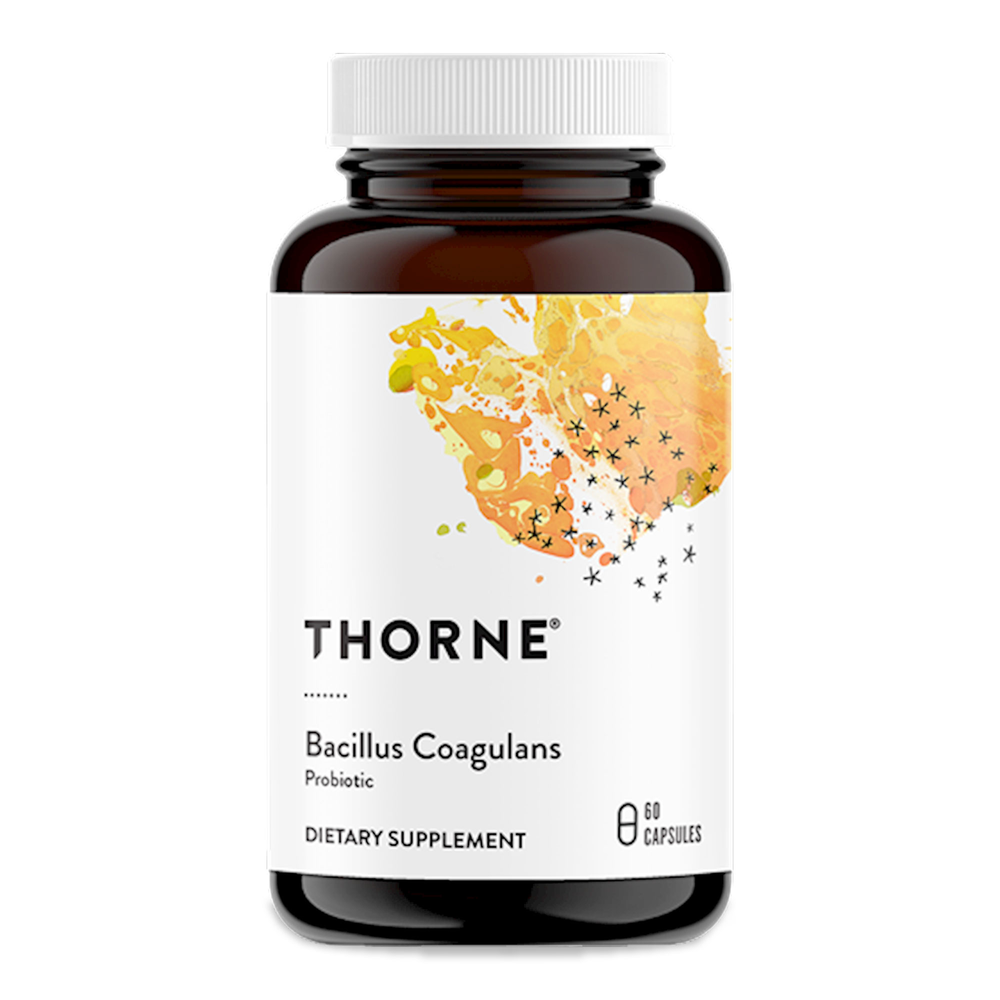
Bacillus Coagulans
Thorne
60 capsules
$33.00$29.70 with Subscribe & Save
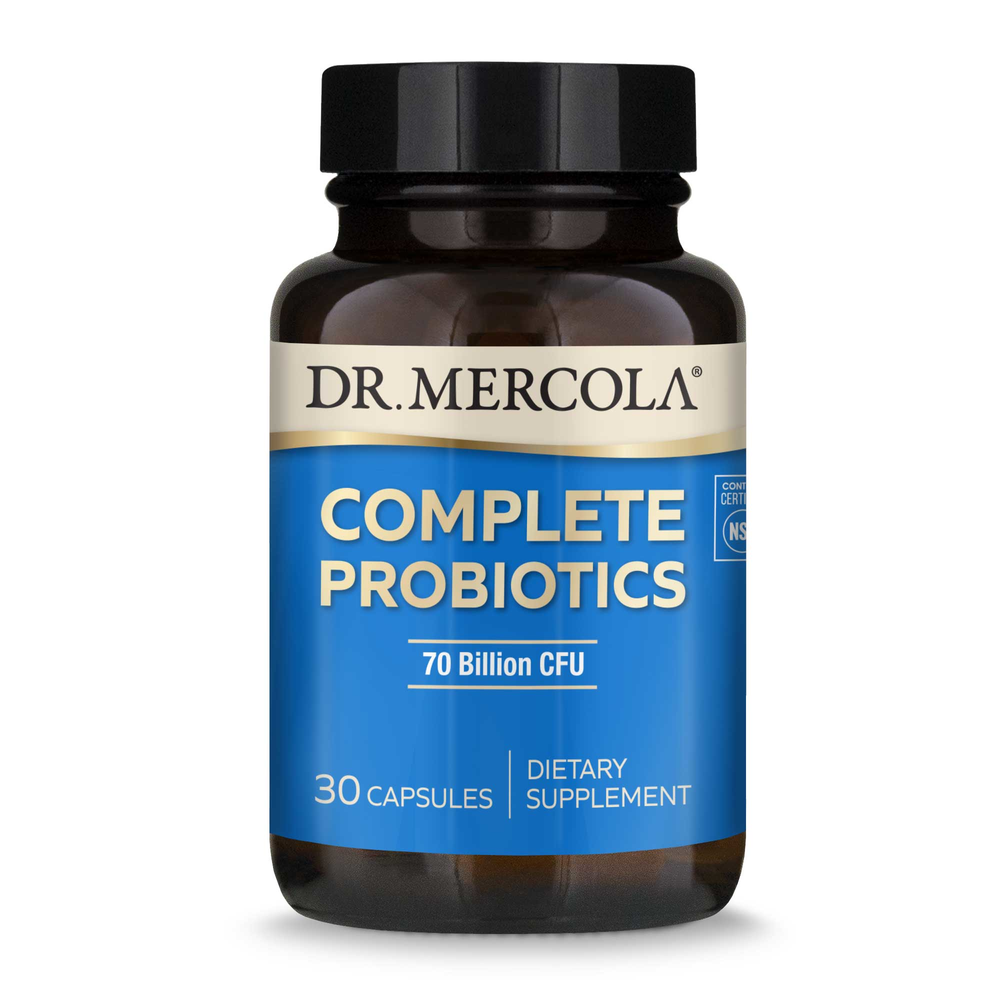
Complete Probiotics 70 Billion CFU
Dr. Mercola
30 capsules
$46.99$37.99 with Subscribe & Save
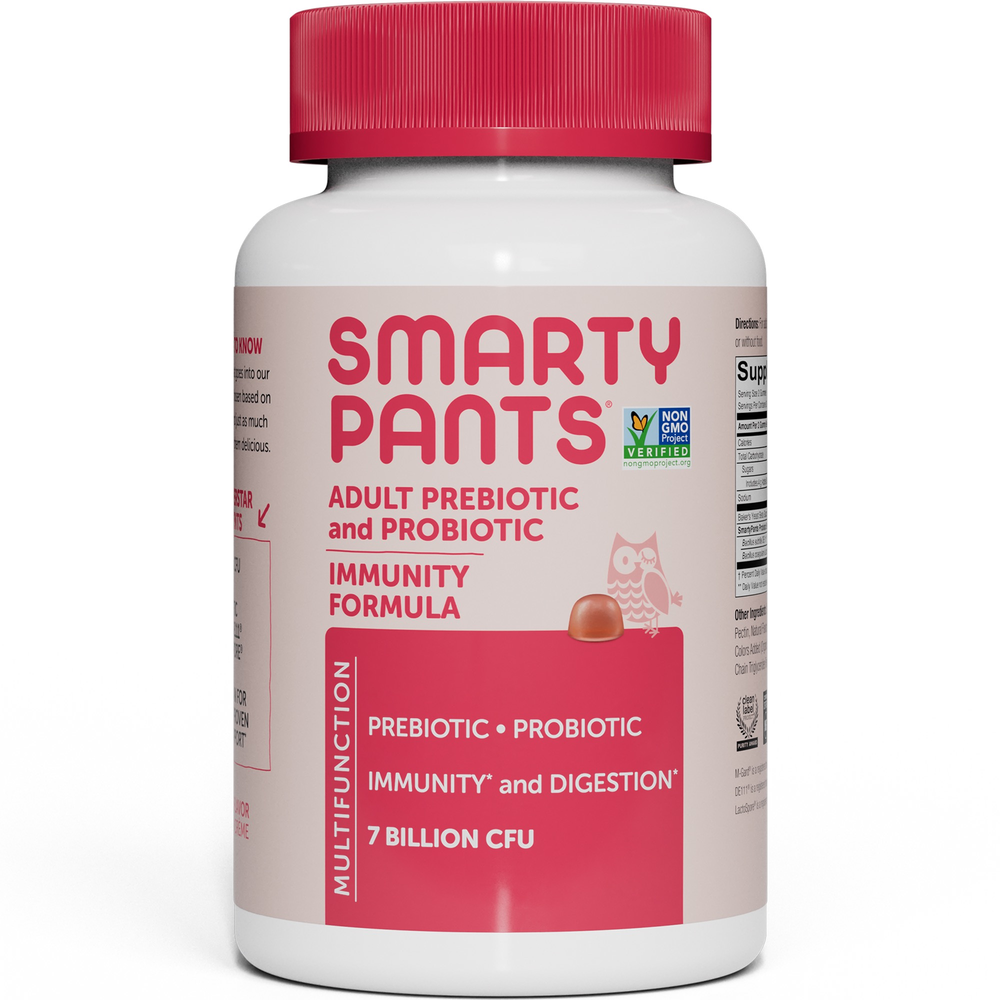
Digestive Probiotic & Prebiotic Grape
SmartyPants
60 gummies
$36.99$29.99 with Subscribe & Save
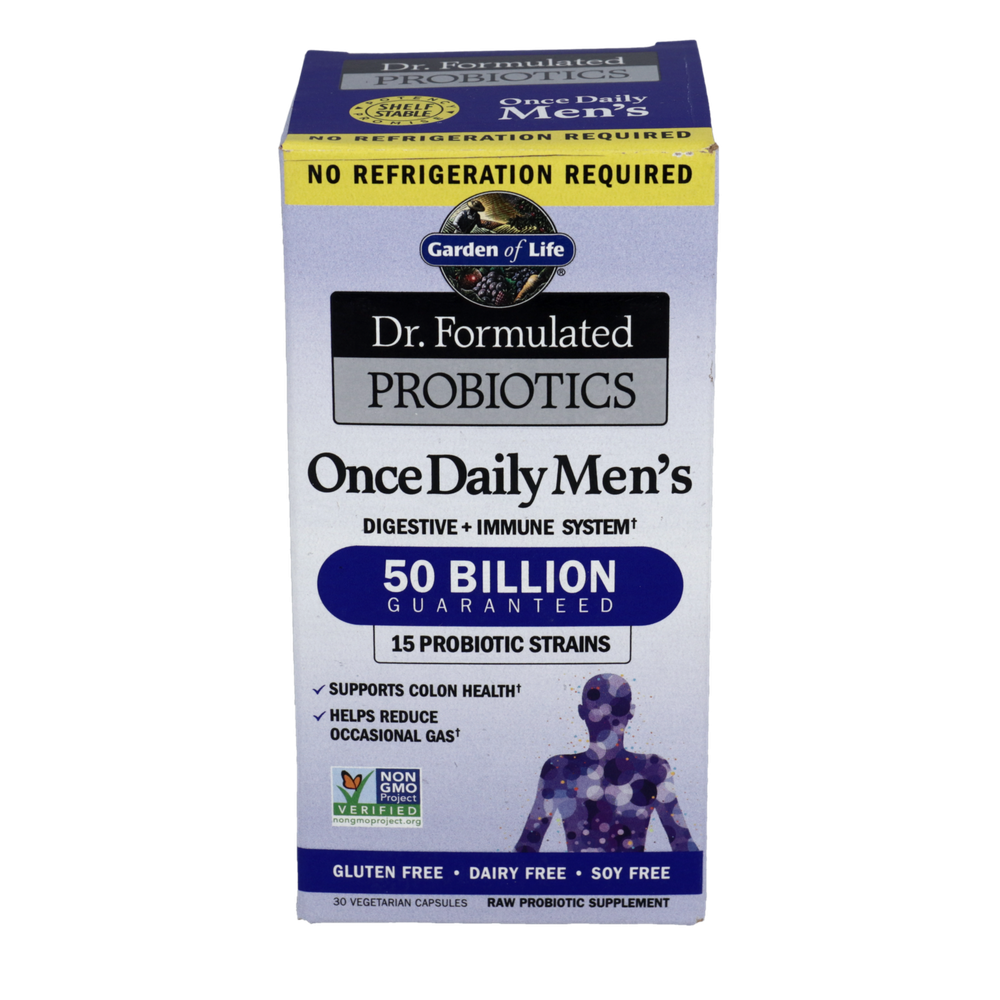
Dr. Formulated Probiotics Mens Daily Care
Garden of Life
30 capsules
$45.99$36.99 with Subscribe & Save