 Instalab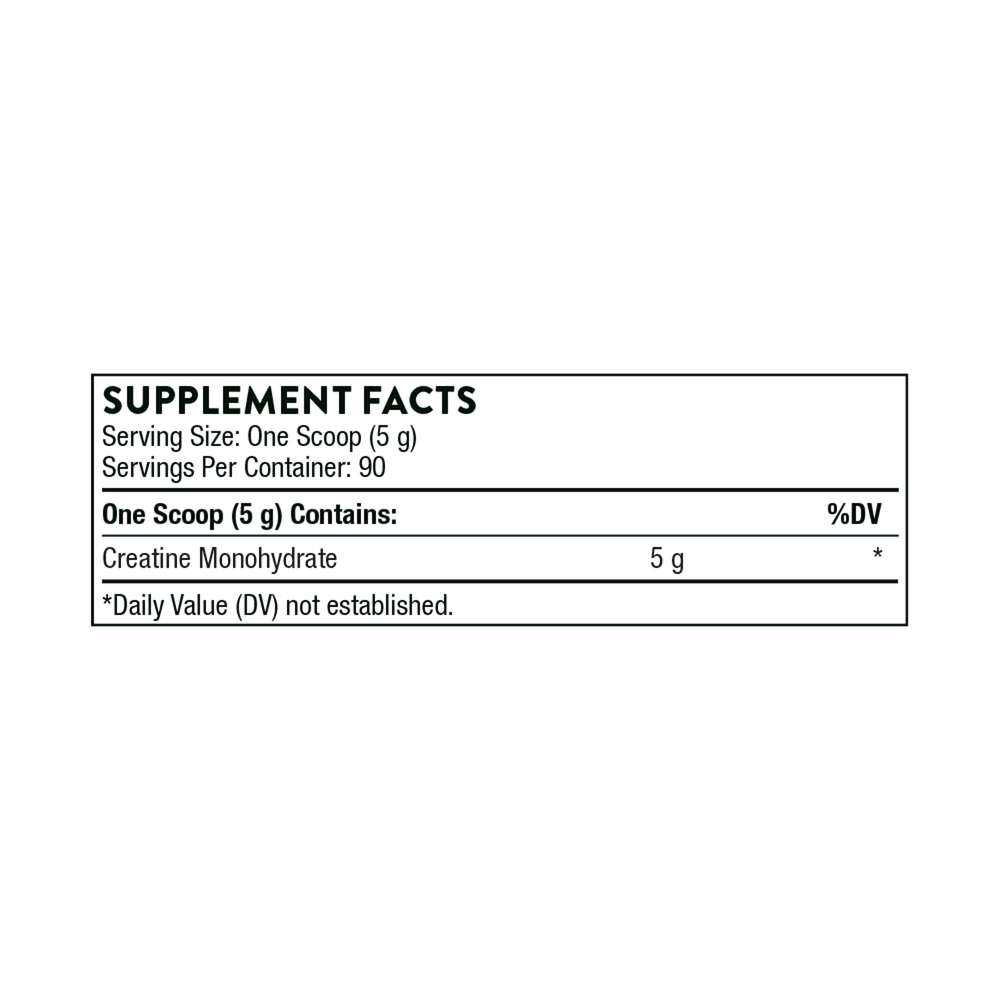





Thorne
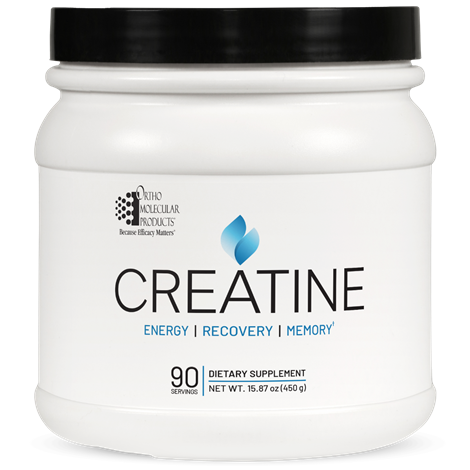
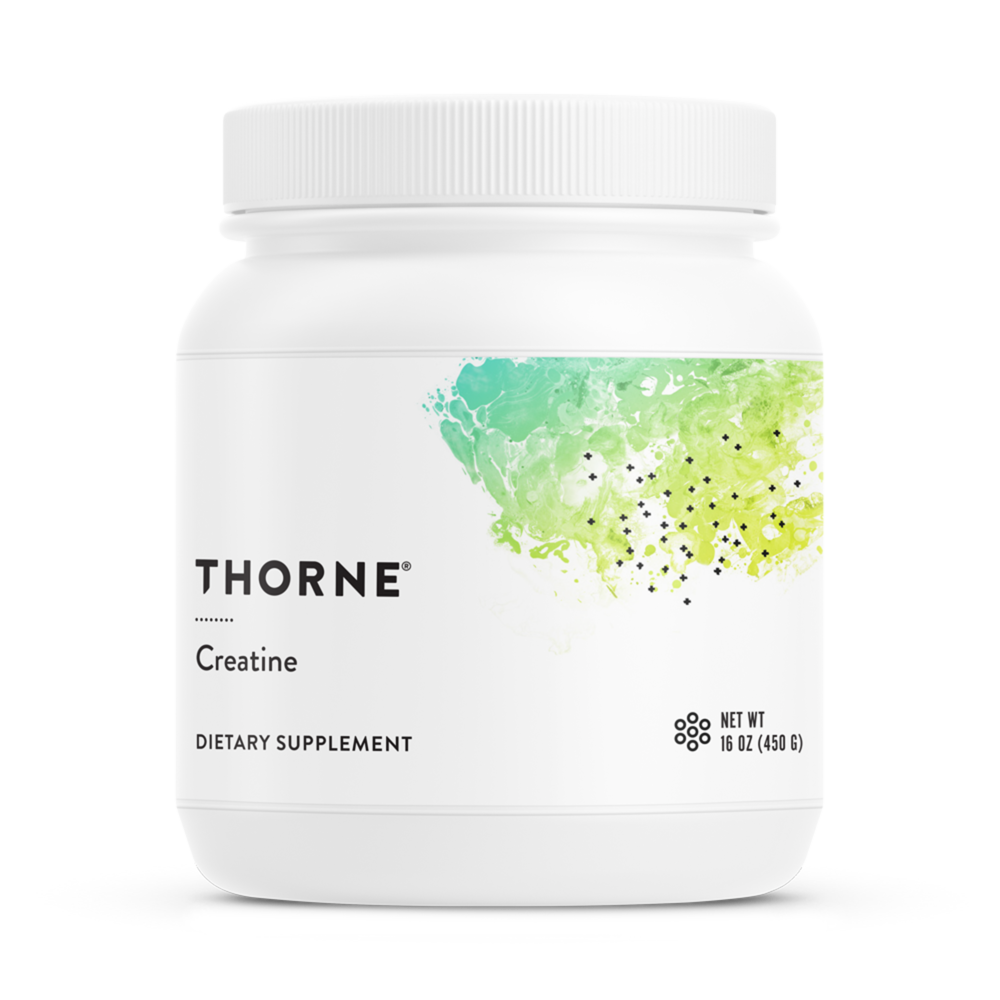
Creatine 5 g by Thorne
450 grams · 90-day supply
Enhance Performance and Recovery with Pure Creatine Monohydrate$44.00
Purchase options
Practitioner-grade brand3rd-party testedFree shipping $50+
Gluten Free·Soy Free·Dairy Free·Milk Free
Thorne Creatine overview
If you’re seeking creatine monohydrate to add reps, sprint power, and lean mass, a daily 5 g scoop is the sweet spot. It’s most useful for strength and HIIT athletes, adults over 40 starting or advancing resistance training, and vegetarians or vegans who eat little or no meat. Expect better training density within 2–4 weeks, with visible muscle gains over 8–12 weeks when you lift consistently. Pure endurance athletes often don’t see much benefit, and the small water-weight increase can be a drawback for weight-class sports.
Creatine monohydrate raises phosphocreatine in muscle and brain, which quickly recycles ATP (the energy currency for short, intense efforts). That extra energy buffer lets you squeeze out more seconds at peak effort and a few more reps before fatigue. The monohydrate form is the best-studied and reliably raises tissue stores; newer forms haven’t beaten it in head-to-head trials. As cells store more creatine, they pull in water, so body weight often nudges up 1–2 pounds while muscles look and feel fuller.
Thorne’s unflavored powder delivers 5 g per scoop. Take once daily, with or without food, mixed in 8+ ounces of water or a shake. Timing is flexible; many take it after training with protein or carbs to piggyback on insulin-driven uptake. You can “load” (20 g/day split into 4 doses for 5–7 days) to feel it sooner, then maintain at 3–5 g/day, or simply take 3–5 g daily and reach full effect in 3–4 weeks. Stay hydrated, especially in hot training.
Creatine can raise Creatinine on a basic panel, which can make eGFR (estimated kidney filtration) look lower without true kidney harm; Cystatin C is a useful cross-check. Skip or get medical clearance if you have known kidney disease. Use caution with dehydration-prone combos like high-dose diuretics, or with kidney-stressing drugs such as cyclosporine or aminoglycoside antibiotics. Caffeine near max doses may blunt performance benefits for some; if you’re sensitive, separate them by a few hours. Pregnancy: data are limited—avoid unless your clinician advises otherwise.
Frequently asked questions
Do I need a creatine loading phase?
No. Loading (about 20 g/day for 5–7 days) saturates muscles faster, but taking 3–5 g daily reaches the same levels in 3–4 weeks. Pick the approach that fits your timeline and gut tolerance.
How long does creatine take to work?
Most people notice better sets and sprints within 2–4 weeks at 3–5 g/day. With loading, you can feel it in about a week. Lean mass changes usually show up over 8–12 weeks of consistent training.
Does creatine cause hair loss?
There’s no solid evidence that creatine causes hair loss. One small study suggested a hormonal shift, but it didn’t measure hair outcomes. Large trials and athlete cohorts haven’t shown a hair-loss signal.
Will creatine dehydrate me or cause cramps?
At standard doses, creatine doesn’t increase cramping and may reduce it in some athletes. It shifts water into muscle, so keep fluid and electrolytes adequate, especially in heat or long practices.
Does creatine raise creatinine on blood tests?
Yes, creatine can mildly raise Creatinine, which may make eGFR look lower without true kidney injury. If there’s concern, ask for Cystatin C to assess kidney function without the creatine confounder.
Is creatine safe for women?
Yes. Women respond to creatine with similar strength and power gains, and safety data are reassuring at 3–5 g/day. Expect the same small water-weight increase as muscles store more creatine.
Can I take creatine with coffee or pre-workout?
You can, but high caffeine around workouts may blunt creatine’s performance boost in some people. If you notice less effect, separate creatine and caffeine by a few hours or reduce caffeine dose.
Should I take creatine on rest days?
Yes. Daily dosing keeps muscle stores saturated, which is what drives results. Take your 3–5 g even when you’re not training; timing on rest days is not important.
How to take it & ingredients
Suggested use: Mix 1 scoop with at least 8 ounces of water, juice, or preferred beverage daily or as recommended by your health-care or performance professional. Can be used 30-90 minutes before or after exercise.
Active ingredients
1 scoop (5 grams) per serving · 90 servings
Creatine
Creatine Monohydrate
Creatine Monohydrate
5 g
Certifications
Benefits
Warnings