 Instalab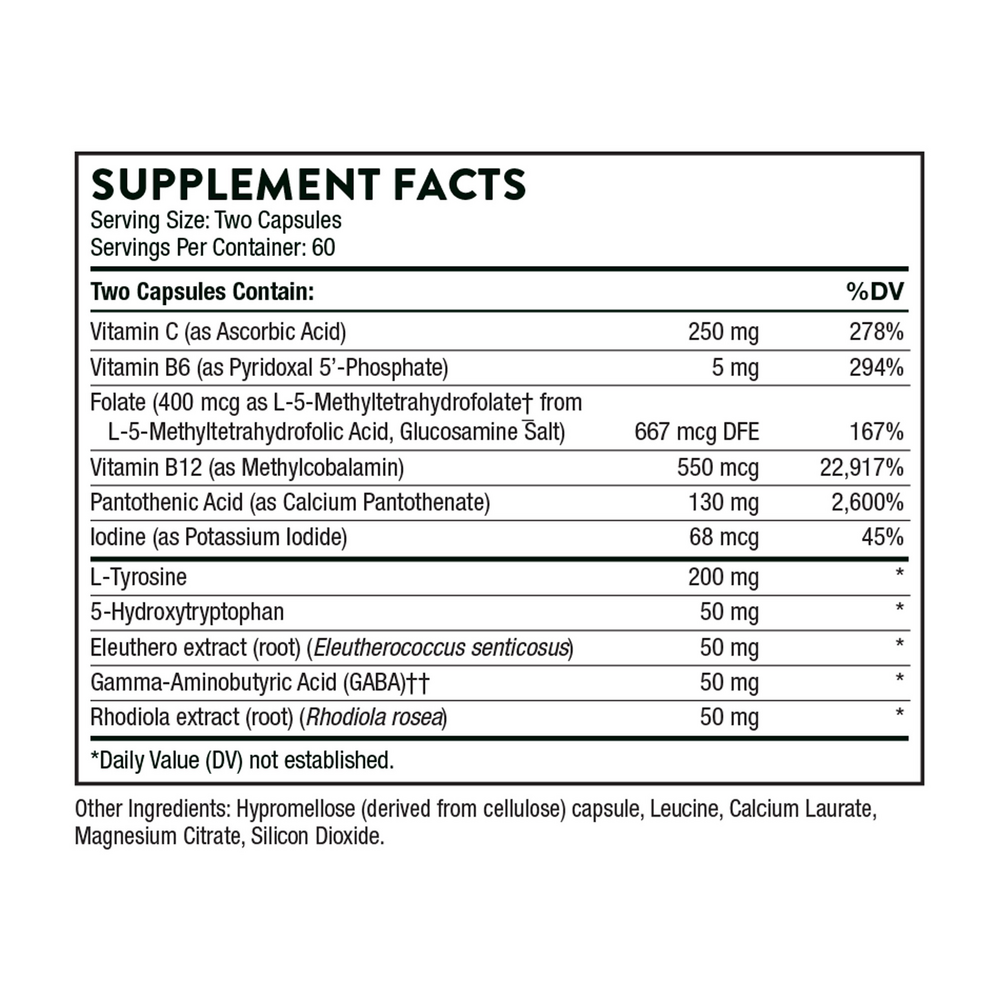


Thorne
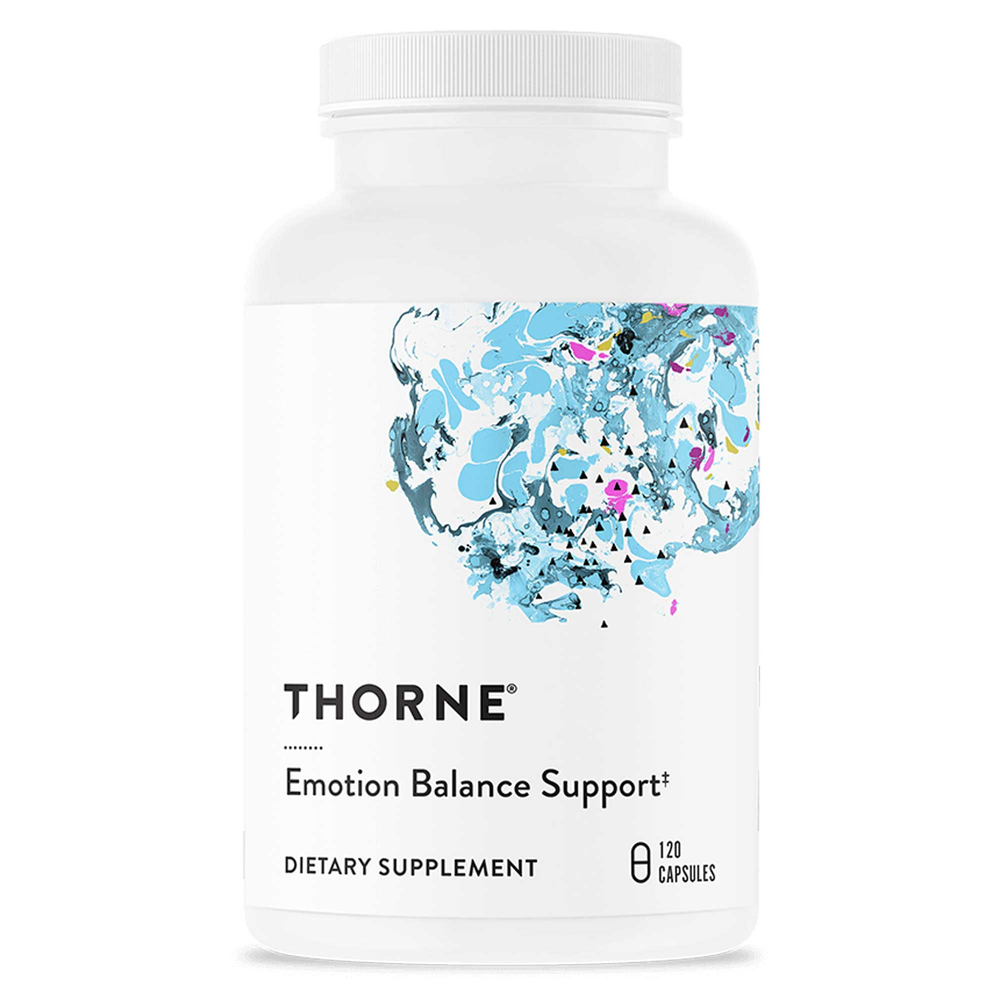
Emotion Balance Support by Thorne
120 capsules · 60-day supply
Support Emotional Well-Being with Essential Nutrients and Botanicals$63.00
Purchase options
Practitioner-grade brand3rd-party testedFree shipping $50+
Gluten Free·Soy Free·Dairy Free·Milk Free
Thorne Emotion Balance Support overview
This fits adults with low mood, stress-related fatigue, or brain fog who want a non-pharmaceutical mood support supplement that targets multiple pathways. It’s most useful if your Vitamin B12 or Folate is low-normal, homocysteine (a byproduct that rises when B vitamins run short) is elevated, or your TSH (thyroid-stimulating hormone, the brain’s signal to the thyroid) suggests sluggish thyroid. If morning Cortisol is off or Ferritin (iron stores) is low, address those too; this blend won’t fix true deficiencies by itself.
5-HTP is the direct precursor to serotonin (a mood and sleep messenger), and with vitamin B6 as a cofactor it nudges serotonin production. L-tyrosine feeds dopamine and norepinephrine (the focus and drive messengers), which is why some feel more mentally alert. PharmaGABA provides GABA, the brain’s main calming signal. Rhodiola and eleuthero are adaptogens with modest evidence for reducing perceived stress and fatigue. Methylated Folate and B12 support methylation (a chemical tagging process brains use to build neurotransmitters). Pantothenic acid and vitamin C help adrenal hormone synthesis, while iodine supports thyroid hormone production, both tied to energy and mood.
The label calls for two capsules twice daily. Start with two capsules in the morning for 3 to 5 days, then add the second dose before early afternoon if tolerated. Take with a light snack if 5-HTP causes nausea; otherwise an empty stomach can improve tyrosine uptake. Avoid taking late evening to prevent alertness from tyrosine. Expect calmer mood or focus within 1 to 2 weeks, with fuller effects by 4 to 6 weeks. Recheck Vitamin B12, Folate, and homocysteine if you started low.
Skip this if you use SSRIs, SNRIs, MAOIs, or triptans; combining 5-HTP with serotonin drugs can raise serotonin too high. Avoid with linezolid or St. John’s wort for the same reason. Tyrosine can compete with levodopa; separate several hours or avoid. Eleuthero and rhodiola can raise blood pressure in sensitive people. Thyroid disease requires caution with iodine. Bipolar spectrum: stimulatory ingredients can precipitate hypomania. Pregnancy and breastfeeding: avoid unless your clinician approves.
Frequently asked questions
How long does 5-HTP take to work for mood?
Most notice effects within 1 to 2 weeks, with steadier changes by 4 to 6 weeks. If nausea occurs, take with a small snack. If you’re on antidepressants, don’t add 5-HTP without your prescriber due to serotonin interaction risk.
Can I take tyrosine and caffeine together?
Yes, but start low. Tyrosine can increase alertness, and stacking with caffeine may feel jittery. If you have high blood pressure or anxiety, use morning-only and consider lowering caffeine while you assess response.
Is GABA safe to take during the day?
GABA is generally calming without heavy sedation at low doses. Some people feel relaxed or slightly drowsy. Try your first dose when you don’t need to drive or perform at your peak to see how you respond.
Will this help if my Vitamin B12 or Folate is low?
It includes methylcobalamin (B12) and L‑5‑methyltetrahydrofolate, which can help if your levels are low-normal. For true deficiency, you’ll usually need higher, targeted dosing and follow-up labs like Vitamin B12, Folate, and homocysteine.
Can I take this with my thyroid medication?
Use caution. It contains iodine, which influences thyroid hormone production. If you take levothyroxine, separate by at least 4 hours and discuss the iodine content with your clinician, especially if labs like TSH or Free T4 are unstable.
Does rhodiola cause insomnia?
It can be mildly stimulating for some. Take rhodiola-containing blends in the morning or early afternoon. If you’re sensitive to stimulants, start with one dose daily and avoid evening use.
Is it okay to use with alcohol or cannabis?
Mixing isn’t advised. GABA and 5-HTP have calming effects, and alcohol or cannabis can add sedation or dizziness. If you use either, separate by many hours and be conservative with dose and activities requiring alertness.
How to take it & ingredients
Suggested use: Take 2 capsules two times daily or as recommended by your health professional.
Active ingredients
2 capsules per serving · 60 servings
Vitamin C
Ascorbic Acid
Ascorbic Acid
250 mg
Vitamin B6
Pyridoxal 5'-Phosphate
Pyridoxal 5'-Phosphate
5 mg
Folate
L-5-Methyltetrahydrofolate
L-5-Methyltetrahydrofolate
667 mcg DFE
Vitamin B12
Methylcobalamin
Methylcobalamin
550 mcg
Pantothenic Acid
Calcium Pantothenate
Calcium Pantothenate
130 mg
Iodine
Potassium Iodide
Potassium Iodide
68 mcg
L-Tyrosine
200 mg
5-Hydroxytryptophan
50 mg
Eleuthero Extract
Eleutherococcus senticosus root
Eleutherococcus senticosus root
50 mg
GABA
PharmaGABA
PharmaGABA
50 mg
Rhodiola Extract
Rhodiola rosea root
Rhodiola rosea root
50 mg
Other ingredients: Hypromellose capsule, Leucine, Calcium Laurate, Magnesium Citrate, Silicon Dioxide
Certifications
Benefits
Warnings
Customers also considered
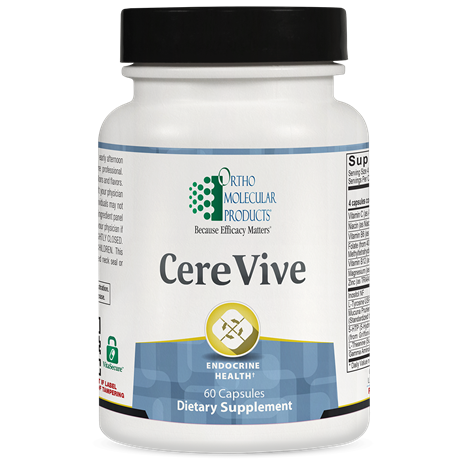
CereVive
Ortho Molecular Products
60 capsules
$58.44$52.65 with Subscribe & Save
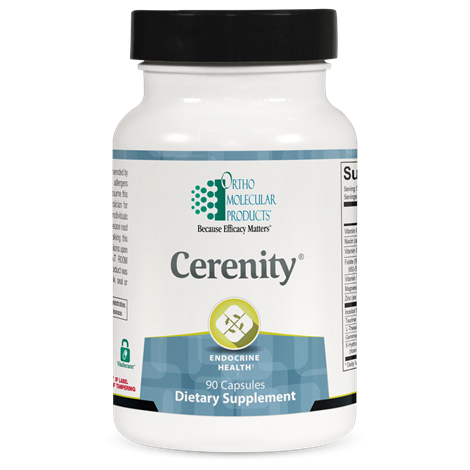
Cerenity
Ortho Molecular Products
90 capsules
$74.09$66.75 with Subscribe & Save
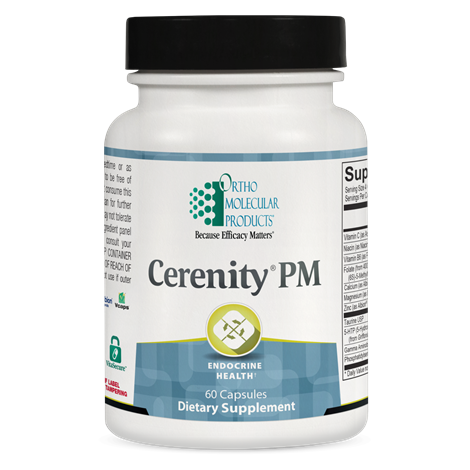
Cerenity PM
Ortho Molecular Products
60 capsules
$56.11$50.55 with Subscribe & Save
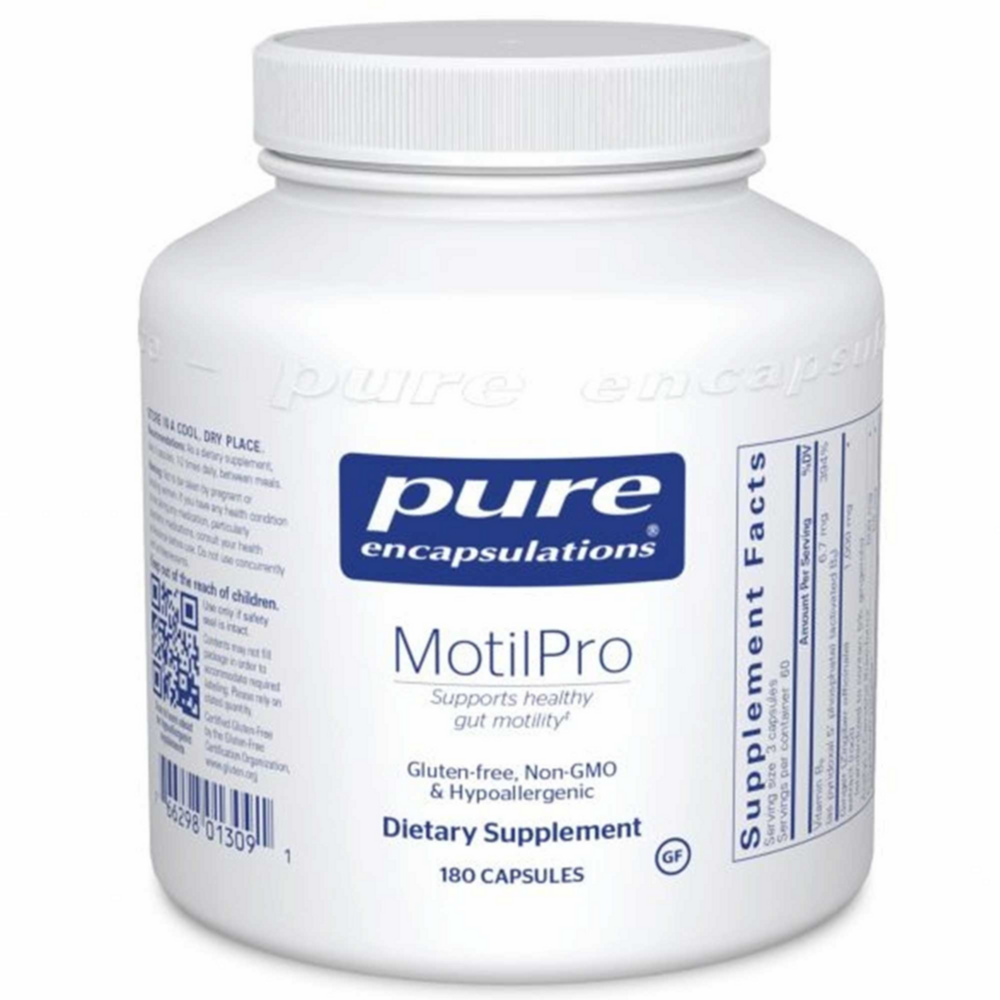
MotilPro
Pure Encapsulations
180 capsules
$66.00$52.99 with Subscribe & Save