 Instalab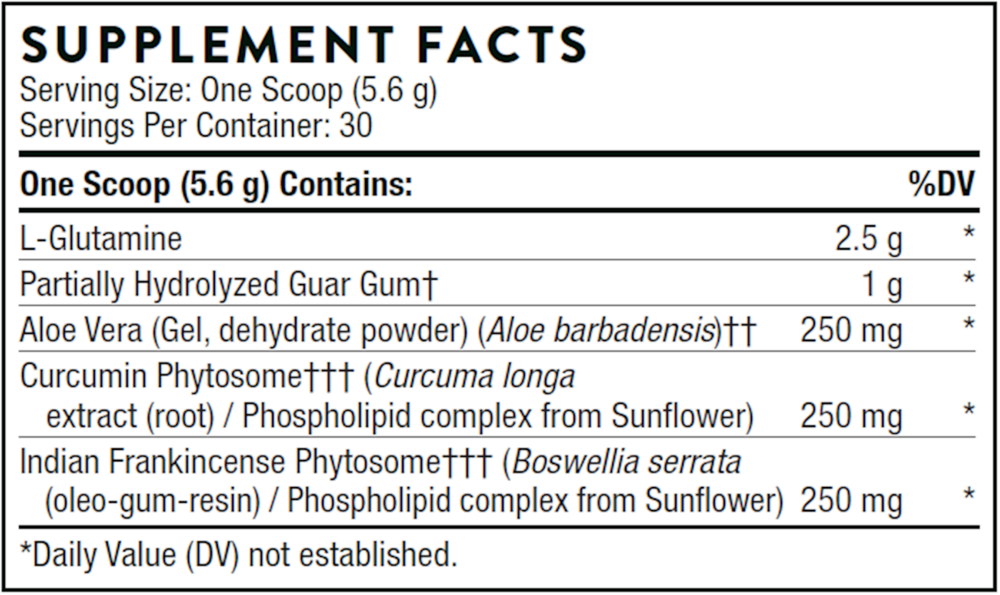



Thorne
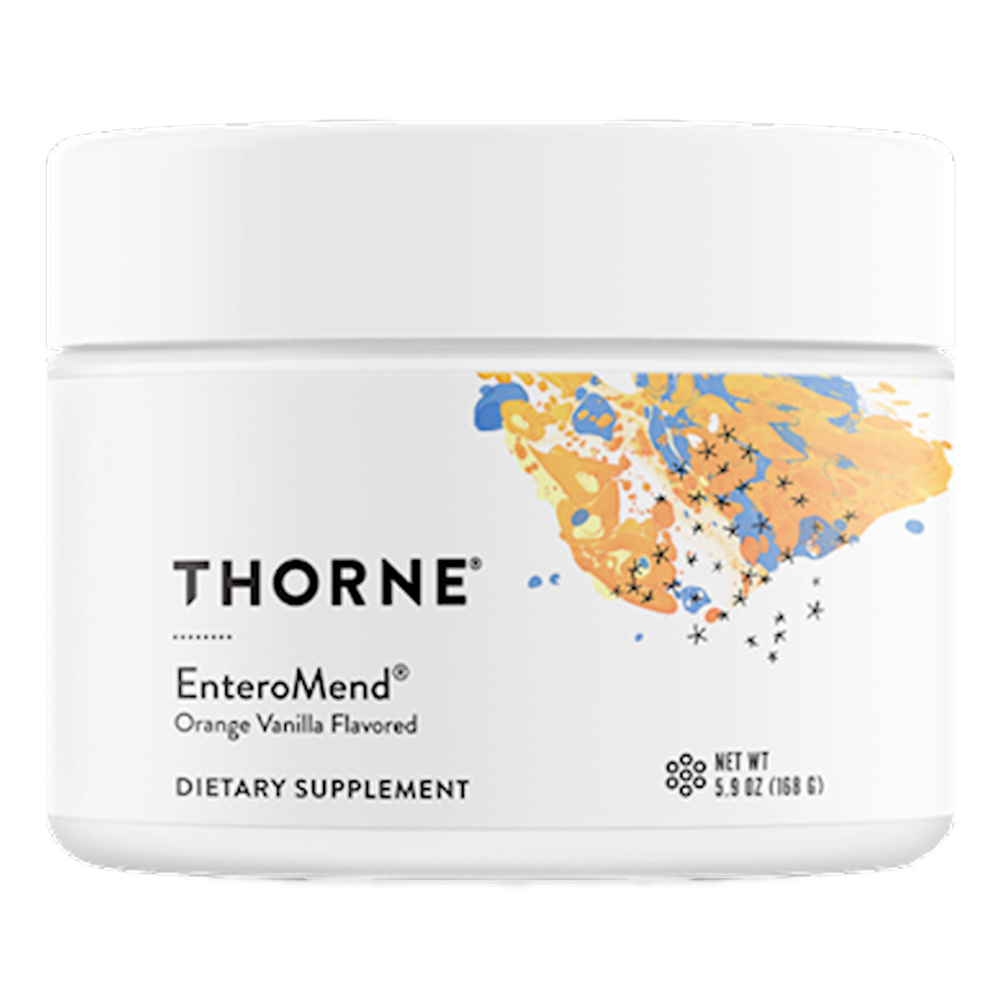
Leaky Gut Support (Formerly EnteroMend) by Thorne
168 grams
Support Your Gut Health with Targeted Nutrients and Botanicals$50.00
Purchase options
Practitioner-grade brand3rd-party testedFree shipping $50+
Gluten Free
Thorne Leaky Gut Support (Formerly EnteroMend) overview
If your digestion is sensitive and you want steadier bowel habits without a bulky fiber, this L-glutamine for gut health blend fits. It’s a practical choice if you see variable stools or urgency after travel, intense training, or a course of antibiotics. PHGG (partially hydrolyzed guar gum) is low‑FODMAP and typically well tolerated if other fibers bloat you. If your stool calprotectin (a marker of gut inflammation) is elevated, see a clinician first rather than self-treat.
L-glutamine is the preferred fuel for intestinal cells and helps tighten the gut barrier, which is why many patients notice calmer digestion over weeks, not days. PHGG ferments slowly to short‑chain fatty acids like butyrate (an energy source for the colon), improving regularity with less gas than inulin. Curcumin phytosome and boswellia phytosome are complexed with sunflower phospholipids for better uptake and dial down inflammatory signaling, which can modestly lower markers like hs-CRP in responders. Aloe vera gel powder soothes the mucosal lining.
Mix one scoop in 5–6 ounces of water once daily for a week, then increase to twice daily if needed. Morning on an empty stomach works well for L-glutamine, but you can take it with meals if that sits better. Drink extra water since PHGG is a soluble fiber. Most people notice easier, more formed stools within 3–7 days; barrier and comfort effects build over 2–8 weeks. If you’re already on a high‑fiber plan, start low and go slow.
Skip or get clinician guidance if you use blood thinners (warfarin, apixaban, clopidogrel), have gallstones or bile duct blockage, or are scheduled for surgery. History of calcium‑oxalate kidney stones warrants caution with turmeric extracts, even at moderate doses. The aloe here is inner‑leaf gel (not stimulant latex), but if you currently have diarrhea, start with half a scoop. Pregnancy and breastfeeding: safety data for this exact combo are limited—avoid unless your clinician approves.
Frequently asked questions
How long does L-glutamine take to work for gut health?
For most people, stool form and urgency improve within 1–3 weeks, while “calmer gut” and barrier support build over 4–8 weeks. Daily use matters. If nothing changes by 8 weeks, it may not be the right tool or the dose may be insufficient.
Is PHGG better tolerated than other fibers?
Yes. PHGG (partially hydrolyzed guar gum) is low‑FODMAP and ferments slowly, so it tends to cause less gas and bloating than inulin or wheat dextrin. It usually improves regularity within a few days when taken with adequate water.
Should I take this on an empty stomach or with food?
Empty stomach is ideal for L-glutamine, but tolerance comes first. If you feel queasy, take it with a small meal. Consistency and hydration matter more than timing for PHGG, curcumin, boswellia, and aloe.
Can I combine this with a probiotic?
Yes. They work through different mechanisms. Take the powder at a separate time of day from your probiotic if you’re sorting out tolerance. Expect additive effects on regularity over 2–4 weeks.
Does curcumin thin your blood?
Curcumin can have mild antiplatelet effects. If you’re on anticoagulants or antiplatelet drugs, or you have a bleeding disorder, use only with clinician guidance and stop 1–2 weeks before surgery.
What side effects should I watch for?
Early bloating, mild cramping, or looser stools can occur as your gut adapts to PHGG. Starting with half a scoop and increasing over a week helps. Rarely, reflux or nausea occurs with curcumin—taking it with food helps.
Is this safe if I have kidney stones or gallbladder issues?
If you have calcium‑oxalate stones, be cautious with turmeric extracts and discuss with your clinician. Avoid curcumin if you have gallstones with biliary obstruction or significant gallbladder pain unless cleared by your doctor.
How to take it & ingredients
Suggested use: Mix 1 scoop with at least 5 to 6 ounces of water one to two times daily or as recommended by your health professional.
Active ingredients
1 scoop per serving
L-Glutamine
2500 mg
Partially Hydrolyzed Guar Gum
1000 mg
Aloe Vera
Aloe barbadensis (gel, dehydrated powder)
Aloe barbadensis (gel, dehydrated powder)
250 mg
Curcumin Phytosome
Curcuma longa extract / Phospholipid complex from Sunflower
Curcuma longa extract / Phospholipid complex from Sunflower
250 mg
Indian Frankincense Phytosome
Boswellia serrata / Phospholipid complex from Sunflower
Boswellia serrata / Phospholipid complex from Sunflower
250 mg
Other ingredients: Flavors, Citric Acid, Stevia Extract (leaf)
Certifications
Benefits
Warnings