
Can Your Apple Watch Tell How Old Your Body Is?
Your Apple Watch can tell you something real about aging-related health, just not as a single age. The measures Apple feeds into its new Health Age score are among the better-studied things you can track on your own: fitness, resting heart rate, sleep, HRV, and optional labs. Several are tied to future health outcomes, and several can be improved. The score built on top of them is another matter. As of September 10, 2026, no peer-reviewed study was found showing Apple's Health Age predicts disease or death, so watch the ingredients, not the verdict.


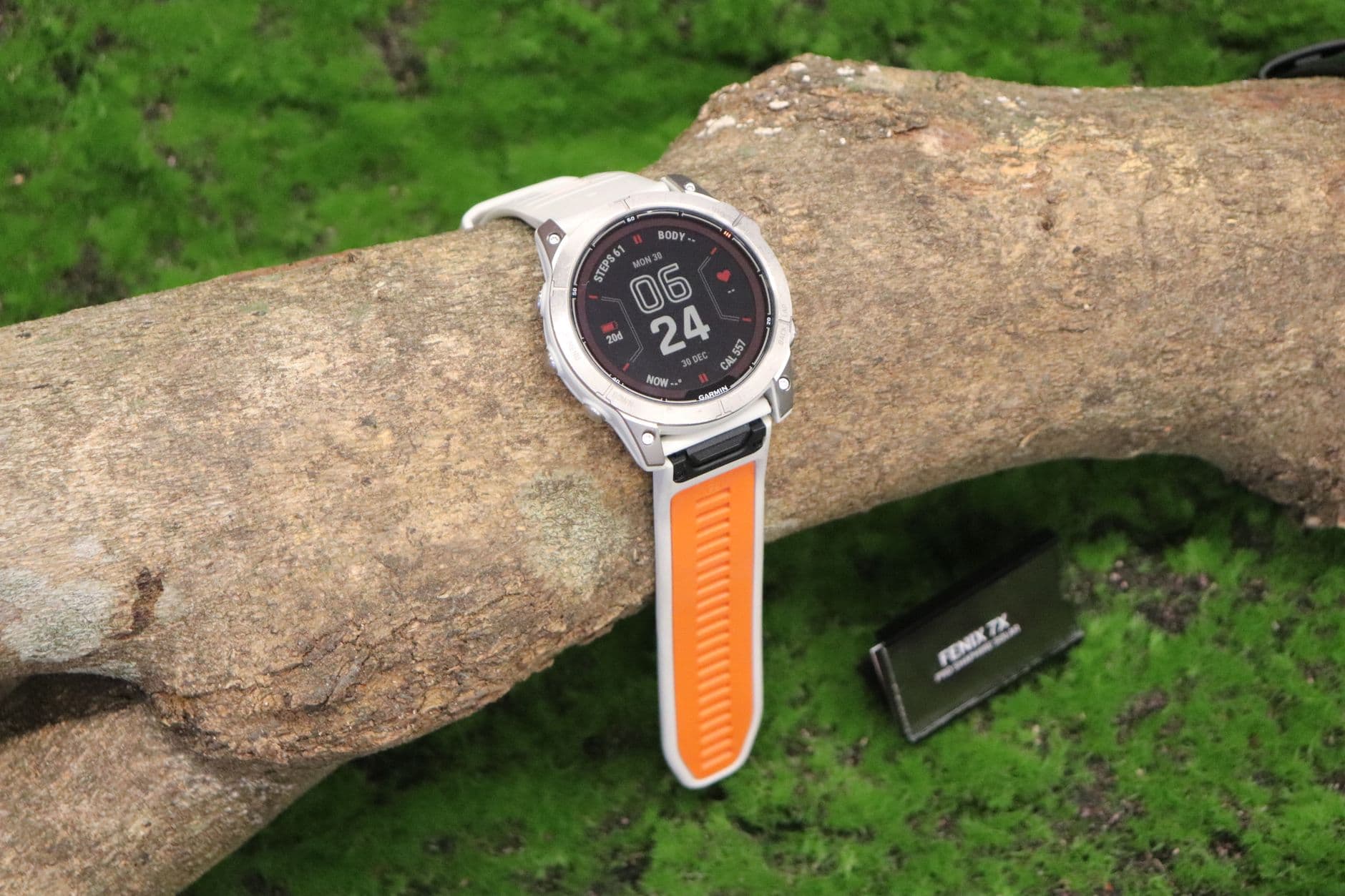
Apple announced Health Age on September 9, 2026. It needs an Apple Watch and is due with the redesigned Health app later in 2026. By Apple's description, it can draw on VO2 max, resting heart rate, sleep, and heart rate variability, with room for lab values like A1c and LDL. Each of those has been linked to health outcomes in large studies. The number stacked on top of them has not been tested that way: no peer-reviewed validation of Apple's algorithm was found, and no FDA listing for Health Age was found, even though the ECG app, irregular rhythm notification, AFib history, sleep apnea and hypertension notifications, and hearing aid feature all carry authorizations. The score is new. The ingredients aren't.
Watch data does carry an aging signal
The idea behind a watch-based age isn't marketing. Apple researchers built a clock called PpgAge from wrist pulse data in the Apple Heart & Movement Study. It estimated chronological age within about two to three years in healthy adults and about three years in the broader analyzed cohort. When predicted age ran ahead of real age, that gap went with higher diagnosis rates of heart disease, heart failure, and diabetes, and it also predicted incident heart disease events after risk-factor adjustment. Other groups have done the same with circadian activity rhythms. All of it is observational, and much of it comes from cohorts healthier and less diverse than the general population.
A more accurate age model can be a less useful one. Train a model to nail your chronological age and you're training it to reproduce the calendar, and the better it gets at that, the less its errors may mean. Researchers found exactly this with deep learning on activity data: sharper age prediction, weaker link to mortality. The signal lives in the gap between predicted and actual age, not in the accuracy. A Health Age of 41 when you're 44 is worth something only if that three-year gap was built to mean something.
Composite scores can add little
Even molecular clocks with far more validation behind them than Health Age can fail this test. In the CARDIA study, a clinical-marker composite and the Framingham risk score were each more strongly associated with incident cardiovascular disease than all five epigenetic aging measures tested.
Apple's own published evidence so far is about the sensor, not the score. Its September 2026 manufacturer-run accuracy study compared the Series 12 heart rate sensor against a chest-strap ECG, and it supports the sensor. The Apple Heart & Movement Study is listed as active, not recruiting, with no results posted, and while it has already produced peer-reviewed wearable research, including PpgAge, a Health Age validation isn't among those papers. Until the score predicts outcomes beyond your age, your standard risk factors, and its own component metrics, it has no established medical meaning.
The inputs, and how much weight each one holds
Underneath the score are measures with far stronger evidence than the score itself. Cardiorespiratory fitness is the standout. Pooling 42 studies covering 3.8 million observations, each one-MET step up in fitness was associated with roughly 14% lower all-cause mortality, and a separate meta-analysis of 37 cohort studies landed close to the same place. The pattern looks similar whether fitness is measured directly or estimated. It's observational, graded very low certainty in one of those meta-analyses because you can't randomize people to be fit. It's also about as consistent as observational evidence gets.
| Input | What the evidence shows | How to use it now |
|---|---|---|
| VO2 max or cardiorespiratory fitness | Higher fitness is consistently linked with lower death rates in large adult cohorts | Trust the trend more than any single watch estimate |
| Resting heart rate and HRV | A higher resting rate and lower short-recording HRV track with mortality and cardiovascular events in cohort studies | Treat a persistent change as a prompt, not a diagnosis |
| Sleep and circadian rhythm | Circadian activity rhythms from wearable accelerometry have been linked to mortality and age-related disease | Read sleep data as context, not as proof the age score is right |
| A1c and LDL from labs | Standard clinical risk markers that mean something on their own | Act on the lab result itself, not on how a composite weights it |
Two things complicate that first row. Wrist estimates of VO2 max are imperfect. Across devices, estimates can overestimate in less-fit people and underestimate in athletes. That matters more for a single reading than for your own trend over months. The second complication is that the prognosis data for resting heart rate and HRV comes mostly from clinic or study measurements and short ECG recordings, not from consumer-device outcome studies. No prospective study was found linking Apple Watch HRV itself to heart attacks or death.
The part you can move
Measured biological-age markers aren't fixed. In a secondary analysis of a 12-month randomized trial in 107 older adults with obesity, diet alone and diet plus exercise lowered a clinical biological age measure by 2.4 and 2.2 years, while controls rose by 0.2 years. Two years of calorie restriction in the CALERIE trial slowed a DNA methylation measure of the pace of aging, though it didn't significantly change PhenoAge or GrimAge. In a small uncontrolled six-month cycling study, GrimAge fell by about seven months, and the change tracked with gains in VO2 max rather than body composition. Not everything worked. Exercise alone did not clearly move the clinical biological-age measure in the obesity trial. That does not make every biological-age score actionable. It means some measured aging markers can move when the intervention is strong enough, and fitness is the watch-relevant input with the clearest outcome anchor.
So a number that nudges you toward training isn't worthless, even though it can't tell you your body's true age. Wearable activity-tracker interventions modestly raise activity, on the order of 1,800 extra steps a day in a systematic review of reviews and meta-analyses. A possible cost is documented in cardiac monitoring. If you're the kind of person who will refresh a number and worry, a score with no validated meaning is a bad thing to hand yourself.
Nothing about Health Age should change a medication, a screening decision, or how you weigh your insurance. If it says you're older than your years while your fitness, sleep, and labs all look fine, the score is more likely wrong than you are. And you don't need to buy anything to know whether you're aging well. What your fitness does over time, what your resting heart rate does year over year, and what your A1c and LDL say are all measurable now, with established interpretation outside a composite age score.
What would change this judgment is specific and achievable. A large independent study showing Apple's Health Age predicts disease or death beyond chronological age, standard risk factors, and its own components would make the number worth reading on its own. Randomized evidence that acting on the score improves outcomes would make it worth acting on. Until someone publishes that, the ingredients are the finding, and the score is a hypothesis with a polished interface.