
GLP-1 Medication: What the Trials Found About Weight, Heart Risk, and Side Effects
People taking semaglutide 2.4 mg lost an average of 14.9% of their body weight over 68 weeks, and half of them lost more than 15%. That kind of result used to require surgery. Now it comes in a weekly injection, and a pill version is catching up. GLP-1 medications have become the most talked-about drug class in a generation, but the clinical data behind them goes far deeper than weight loss alone.
These drugs were originally developed for type 2 diabetes. Along the way, researchers discovered they also reduce heart attacks, strokes, and even kidney disease. A meta-analysis pooling data from over 60,000 patients found that GLP-1 medications cut major cardiovascular events by 14% and all-cause mortality by 12%. That's a rare combination: a drug class that helps people lose weight and live longer.


How GLP-1 Medications Work
GLP-1 stands for glucagon-like peptide-1, a hormone your gut naturally releases after eating. It signals the pancreas to produce insulin, tells the liver to ease up on glucose production, slows stomach emptying, and communicates with the brain to reduce appetite. The problem is that natural GLP-1 breaks down in about two to three minutes.
GLP-1 medications are engineered versions of this hormone that resist breakdown. Depending on the formulation, they last hours to days. The longer-acting versions, like once-weekly semaglutide, provide continuous receptor activation that powerfully lowers fasting blood sugar, reduces appetite throughout the week, and drives sustained weight loss.
The drugs don't just mimic one signal. They affect multiple systems simultaneously: enhancing glucose-dependent insulin secretion, suppressing glucagon (a hormone that raises blood sugar), and activating brain pathways that control hunger and satiety. This multi-target approach explains why the effects are so broad.
What the Weight Loss Trials Show
The STEP trial program is the largest body of evidence for GLP-1 medications in weight management. Across multiple trials in people without diabetes, semaglutide 2.4 mg produced mean weight losses of 14.9% to 17.4% over 68 weeks. To put that in perspective, for someone weighing 220 pounds, that's losing 33 to 38 pounds.
The results held up over longer periods. In the STEP 5 trial, participants maintained a 15.2% weight loss at two full years of treatment. The weight didn't creep back while people stayed on the medication.
When semaglutide was compared head-to-head against liraglutide (an older daily GLP-1), weekly semaglutide produced 15.8% weight loss versus 6.4% for liraglutide. Not all GLP-1 medications are equal. The newer, longer-acting formulations are substantially more effective.
An oral version of semaglutide (50 mg daily) showed nearly identical results to the injection: 15.1% body weight reduction over 68 weeks, with 85% of participants losing at least 5% of their starting weight. For people who prefer pills over needles, this changes the calculation.
Tirzepatide: The Dual-Action Newcomer
Tirzepatide activates both GLP-1 and GIP receptors (another incretin hormone), and the combination appears to produce even greater effects. A 2024 network meta-analysis of 76 trials found tirzepatide was the most effective agent for blood sugar control, lowering HbA1c by 2.1 percentage points more than placebo. For weight loss in head-to-head real-world data, tirzepatide produced significantly greater reductions than semaglutide in a study of over 18,000 matched patients.
Beyond Weight: The Cardiovascular Evidence
The cardiovascular findings may be the most important part of the GLP-1 story. A meta-analysis of eight major trials covering 60,080 patients with type 2 diabetes found GLP-1 medications reduced major adverse cardiovascular events (heart attack, stroke, or cardiovascular death) by 14% and all-cause mortality by 12%. They also cut heart failure hospitalizations by 11% and a composite kidney outcome by 21%.
These aren't small, uncertain signals. The mortality benefit, confirmed across multiple independent trials, makes GLP-1 medications one of the few drug classes that demonstrably helps people with type 2 diabetes live longer.
The SELECT trial extended this question to people with obesity but without diabetes. In 17,604 adults with preexisting cardiovascular disease, semaglutide 2.4 mg reduced major cardiovascular events by 20% over four years. Weight loss continued for 65 weeks and was sustained through the full trial period, with a mean reduction of 10.2% at 208 weeks. This trial fundamentally shifted how cardiologists think about obesity treatment.
Prescribed by a licensed physician. Sent to your pharmacy.
The Side Effect Profile
GLP-1 medications are not side-effect free. Gastrointestinal symptoms are the most common issue and affect the majority of users. Across the STEP trials, 80-84% of semaglutide-treated participants reported at least one GI event, compared to about 46-63% on placebo. The most frequent complaints are nausea, diarrhea, vomiting, and constipation.
The encouraging part: these symptoms are mostly mild to moderate and tend to fade with time. Only about 3-5% of trial participants stopped treatment because of GI problems. The slow dose escalation schedule (starting low and increasing over 16 weeks for semaglutide) is specifically designed to minimize nausea.
There are more serious concerns to monitor. A comprehensive safety review found semaglutide increases the risk of gallbladder disease, particularly gallstones. No clear signals have emerged for pancreatitis, pancreatic cancer, or medullary thyroid cancer in human trials so far, though these remain areas of active surveillance.
For people with existing diabetic retinopathy, rapid blood sugar improvements from GLP-1 medications can temporarily worsen eye disease, a paradox seen with other potent glucose-lowering therapies. Anyone with advanced eye complications should be monitored closely after starting treatment.
So the side effects are manageable for most people. But there's another catch that trips people up: what happens when you stop taking the medication.
What Happens When You Stop
One critical reality: GLP-1 medications manage weight rather than cure obesity. Extension data from the STEP trials shows that participants who stopped semaglutide regained a substantial portion of their lost weight, consistent with what happens when any effective treatment for a chronic condition is discontinued.
This means most people who benefit from GLP-1 medications will need to take them long-term. The STEP 5 two-year data suggests the weight loss is durable as long as treatment continues, but there's a real conversation to have with your doctor about the commitment involved.
Who These Medications Are For
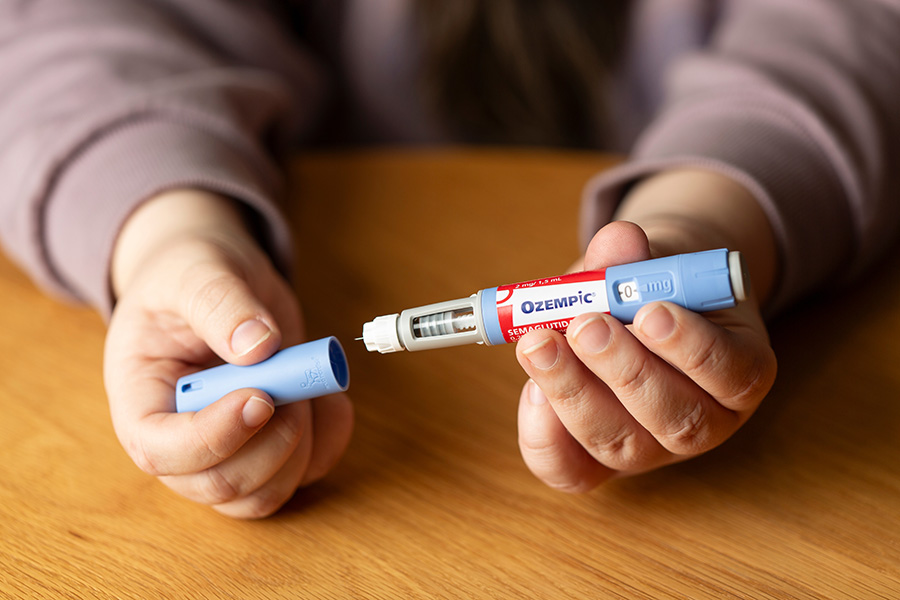
GLP-1 medications are FDA-approved for two main uses: type 2 diabetes management (semaglutide as Ozempic, liraglutide as Victoza) and weight management in people with a BMI of 30 or higher, or 27 or higher with at least one weight-related condition (semaglutide as Wegovy, tirzepatide as Zepbound).
The cardiovascular benefits appear strongest in people who already have heart disease or are at high risk. Guidelines now specifically recommend GLP-1 medications for patients with type 2 diabetes and established atherosclerotic cardiovascular disease, though uptake in this population remains surprisingly low.
If you're considering whether a GLP-1 medication might be right for you, Instalab's GLP-1 Program pairs you with a dedicated physician who evaluates your metabolic profile, prescribes the right medication, and monitors your progress with lab work and body composition tracking.
What the Next Few Years Will Bring
The GLP-1 field is moving fast. Oral formulations are closing the gap with injections. Combination drugs like CagriSema (semaglutide plus cagrilintide, an amylin analog) showed an average weight loss of 14 kg in early network analyses. Trials are underway testing GLP-1 medications for heart failure with preserved ejection fraction, fatty liver disease, and even neurodegenerative conditions.
The drugs are effective. The evidence is deep. The remaining questions are about access, cost, long-term safety beyond five years, and whether the healthcare system can absorb demand for medications that tens of millions of people could theoretically benefit from.