
GLP-1 Weight Loss: How the Drugs Compare From First Injection to Year Four
In a head-to-head trial of 338 adults with obesity, weekly semaglutide reduced body weight by about 16% while daily liraglutide reached just 6% over the same 68 weeks. That gap matters. The choice of GLP-1 drug, the dose, and how long you stay on it collectively determine whether you lose a modest amount of weight or a quarter of your starting body mass.
GLP-1 receptor agonists have become the most effective non-surgical weight loss treatments ever tested in large trials. But the category includes several different drugs with meaningfully different results, and the details determine what you can realistically expect.


How GLP-1 Drugs Reduce Body Weight
GLP-1 receptor agonists mimic a natural gut hormone called glucagon-like peptide-1. They slow stomach emptying, reduce appetite signals in the brain, and increase feelings of fullness after eating. The net effect is that people eat less without the constant hunger that undermines most diets.
An early meta-analysis of 25 trials found that GLP-1 drugs produced about 2.9 kg more weight loss than control treatments across 21 trials and over 6,400 participants, with added benefits for blood pressure and cholesterol. That was the first generation. Newer drugs at higher doses have blown past those numbers.
Semaglutide: The Most-Studied GLP-1 for Weight Loss
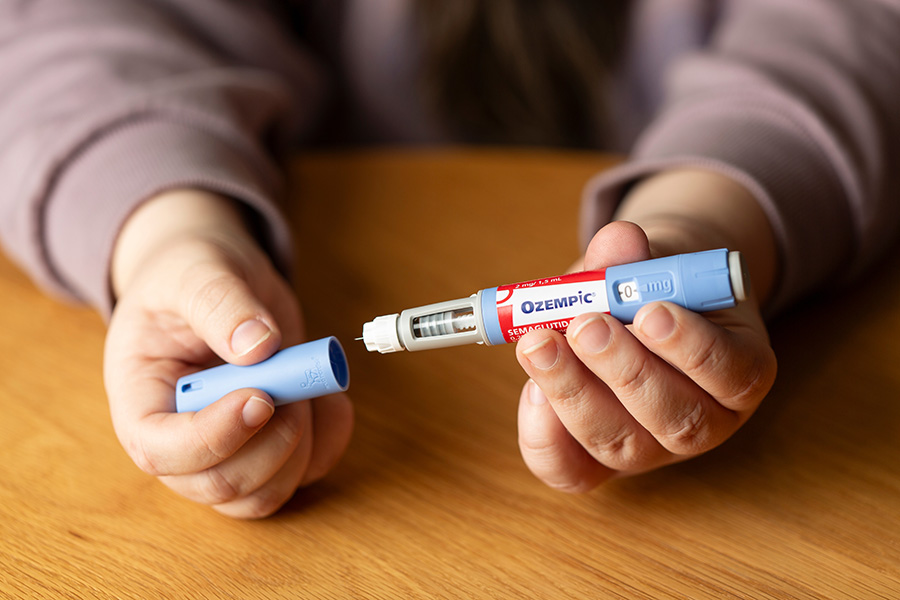
Semaglutide (sold as Wegovy for weight loss and Ozempic for diabetes) is the most extensively tested GLP-1 drug for obesity. The STEP trial program ran five major trials across thousands of participants, and the results are consistent.
Semaglutide 2.4 mg weekly produced a 15.2% body weight reduction over two full years in the STEP 5 trial, compared to 2.6% with placebo. That's roughly 35 pounds for someone starting at 230. About 77% of participants lost at least 5% of their body weight, and the loss was sustained through week 104.
When semaglutide was combined with intensive behavioral therapy (30 counseling sessions over 68 weeks), weight loss reached 16%. Adding structured lifestyle support to the drug pushed results slightly higher than the drug alone.
The longest data we have followed 17,604 people with obesity and cardiovascular disease for up to four years. Weight loss continued for about 65 weeks, then held steady. At 208 weeks, semaglutide-treated patients had lost 10.2% of body weight versus 1.5% for placebo, and the loss persisted across all BMI categories, both sexes, and all racial groups.
Tirzepatide: The Strongest Weight Loss Results So Far
Tirzepatide (Zepbound for weight loss, Mounjaro for diabetes) targets two receptors instead of one, activating both GLP-1 and GIP receptors. The weight loss numbers reflect that dual action.
In the SURMOUNT-1 trial of 2,539 adults with obesity, the highest dose of tirzepatide (15 mg weekly) produced a 20.9% reduction in body weight at 72 weeks. Over half the participants on that dose lost 20% or more of their starting weight. Even the lowest dose (5 mg) achieved 15% weight loss, which still exceeds semaglutide's typical results.
For people with both obesity and type 2 diabetes, weight loss tends to be somewhat lower. The SURMOUNT-2 trial showed 14.7% reduction with the 15 mg dose at 72 weeks. That's still a substantial result, especially since people with diabetes often have a harder time losing weight.
What Happens When You Stop
This is the part most people don't hear about upfront. Stopping GLP-1 therapy leads to significant weight regain, and the data on this is unambiguous.
In the STEP 4 trial, participants who had already lost about 10.6% of their body weight on semaglutide were randomized to either continue the drug or switch to placebo. Those who continued lost an additional 7.9%. Those who stopped regained 6.9%. The gap between the two groups was nearly 15 percentage points.
Tirzepatide shows the same pattern. In the SURMOUNT-4 trial, participants who stopped tirzepatide after losing about 21% of body weight regained substantially, while those who continued achieved a total loss of 25.3% at 88 weeks. About 90% of those who stayed on the drug maintained at least 80% of their initial weight loss. Only 17% of those switched to placebo could say the same.
The practical implication: GLP-1 drugs work as long as you take them. If you're considering this as a short course to "reset" your weight, the evidence suggests that approach won't hold.
Prescribed by a licensed physician. Sent to your pharmacy.
Side Effects You Should Expect
Gastrointestinal symptoms are the defining side effect of every GLP-1 drug. Nausea, vomiting, diarrhea, and constipation occur in the majority of users, though they're usually mild to moderate and concentrated during the dose escalation period.
In the SURMOUNT-1 trial, GI side effects caused 4% to 7% of participants to stop treatment, depending on dose. A large database study found that GLP-1 users being treated for weight loss had higher rates of pancreatitis, gastroparesis, and bowel obstruction compared to non-users, though absolute rates remained low.
On the reassuring side, a meta-analysis of 113 randomized trials found no significant increase in pancreatitis or pancreatic cancer with GLP-1 drugs. There was, however, a 30% increased risk of gallstones (cholelithiasis), which makes sense given the rapid weight loss and altered bile metabolism these drugs produce.
The GI side effects can be managed. Gradual dose escalation is the primary strategy, and eating smaller meals, avoiding high-fat foods, and staying hydrated all help. Most people find symptoms improve after the first few weeks at each new dose.
Benefits That Go Beyond the Scale
GLP-1 drugs don't just reduce weight. The cardiovascular data is increasingly hard to ignore.
The SELECT trial showed a 20% reduction in major adverse cardiovascular events (heart attack, stroke, or cardiovascular death) with semaglutide, in people with obesity and preexisting heart disease. Tirzepatide reduced the risk of cardiovascular death or worsening heart failure by 38% in patients with heart failure and obesity. These are outcomes that matter independent of the number on the scale.
Across trials, GLP-1 drugs consistently improve blood pressure, cholesterol, HbA1c, and waist circumference. For people with type 2 diabetes specifically, semaglutide 2.4 mg reduced body weight by 9.6% while significantly improving blood sugar control.
The Oral Pill Option
Not everyone wants weekly injections, and oral GLP-1 options are catching up. Oral semaglutide at 50 mg daily produced 15.1% weight loss at 68 weeks in a trial of 667 adults with obesity, putting it in the same range as the injectable version.
Orforglipron, a non-peptide oral GLP-1 drug still in development, showed 14.7% weight loss in just 36 weeks in a phase 2 trial.
Beyond oral options, the next generation of drugs combines GLP-1 with other hormone targets. A 2024 network meta-analysis of 76 trials found that CagriSema (semaglutide combined with cagrilintide, an amylin analog) produced the highest weight loss of any GLP-1-based therapy tested so far, at 14 kg more than placebo. Tirzepatide's dual-receptor approach was second.
What Drives the Difference Between 6% and 25%
With so many drugs, doses, and trial designs, the range of GLP-1 weight loss outcomes is enormous. Drug choice matters most: semaglutide outperforms liraglutide by roughly 10 percentage points, and tirzepatide outperforms semaglutide by another 5. Dose matters too, with higher doses consistently producing more weight loss across every trial.
Duration of treatment is the other major variable. Weight loss typically continues for 60 to 72 weeks before plateauing. Starting a GLP-1 and stopping at three months means you're leaving most of the potential benefit on the table.
Whether you have type 2 diabetes also affects results. People with diabetes consistently lose less weight on the same drugs at the same doses. And adding structured behavioral support (diet counseling, exercise coaching) can push results a few percentage points higher.
The bottom line is straightforward. GLP-1 drugs produce meaningful, sustained weight loss backed by some of the largest and longest trials in obesity medicine. But they work as ongoing treatment, not a quick fix, and the specific drug you use matters as much as whether you use one at all. If you're weighing your options, Instalab's GLP-1 Program ($99) pairs you with a licensed physician who prescribes your medication, tracks your labs, and adjusts your dose as you go.