
Does Obesity in Your 20s and 30s Raise Your Cancer Risk?
Obesity and excess belly fat in your 20s and 30s are linked to a higher risk of cancer in the years that follow. A Korean study of 6.3 million young adults adds weight to that link, and it suggests your waist carries information your BMI misses. That makes weight management worth taking seriously before midlife. Whether losing weight at this age lowers cancer risk hasn't been established yet, so treat any cancer benefit as a plausible addition to the better-established reasons to act.


Cancer before 50 is uncommon, so it can feel like a problem for later. A new study in Annals of Internal Medicine argues for moving body weight onto the earlier list. Among young Korean adults with no history of cancer, those who had obesity at a routine health check were diagnosed with cancer more often over the following decade. The risk rose with heavier weight, and people carrying extra fat around the waist had the highest cancer rates. The study can't show that the weight caused those cancers, or that losing it would reverse the risk.
A known link, now measured at scale in young adults
The researchers used Korea's national health insurance records to follow 6,313,338 adults aged 20 to 39 for about 11 years after a health screening exam. No one had a recorded history of cancer at the start; that doesn't mean everyone was otherwise healthy. Cancer risk climbed step by step from normal weight through overweight to the heaviest obesity category, and the pattern varied by cancer type. The strongest links reported were with thyroid, endometrial, and ovarian cancers. No increased risk of breast cancer diagnosed by age 50 was reported, which fits earlier Korean data in which obesity before menopause was tied to a slightly lower breast cancer risk.
None of this is a first. Earlier work from Israel, Sweden, Europe, and Korea had already tied excess weight in adolescence or early adulthood to more cancer later in life. What this study adds is size and focus: millions of people measured specifically in their 20s and 30s, followed long enough to reach midlife. It's a large observational confirmation of a link that was already credible.
One limitation is specific to this article. The full paper wasn't accessible, and the effect sizes circulating in coverage couldn't be checked against it, so this piece describes the direction and shape of the findings and leaves out the exact estimates.
Your waist may tell you something your BMI doesn't
The study examined abdominal obesity alongside BMI. The available summaries describe higher cancer rates among people with abdominal obesity within the same BMI category. In the reported comparisons, people in the study's lower obesity category with a large waist had more cancer than people in its higher obesity category without abdominal obesity. An earlier Korean cohort found a similar pattern: waist size was linked to several cancers even after accounting for BMI.
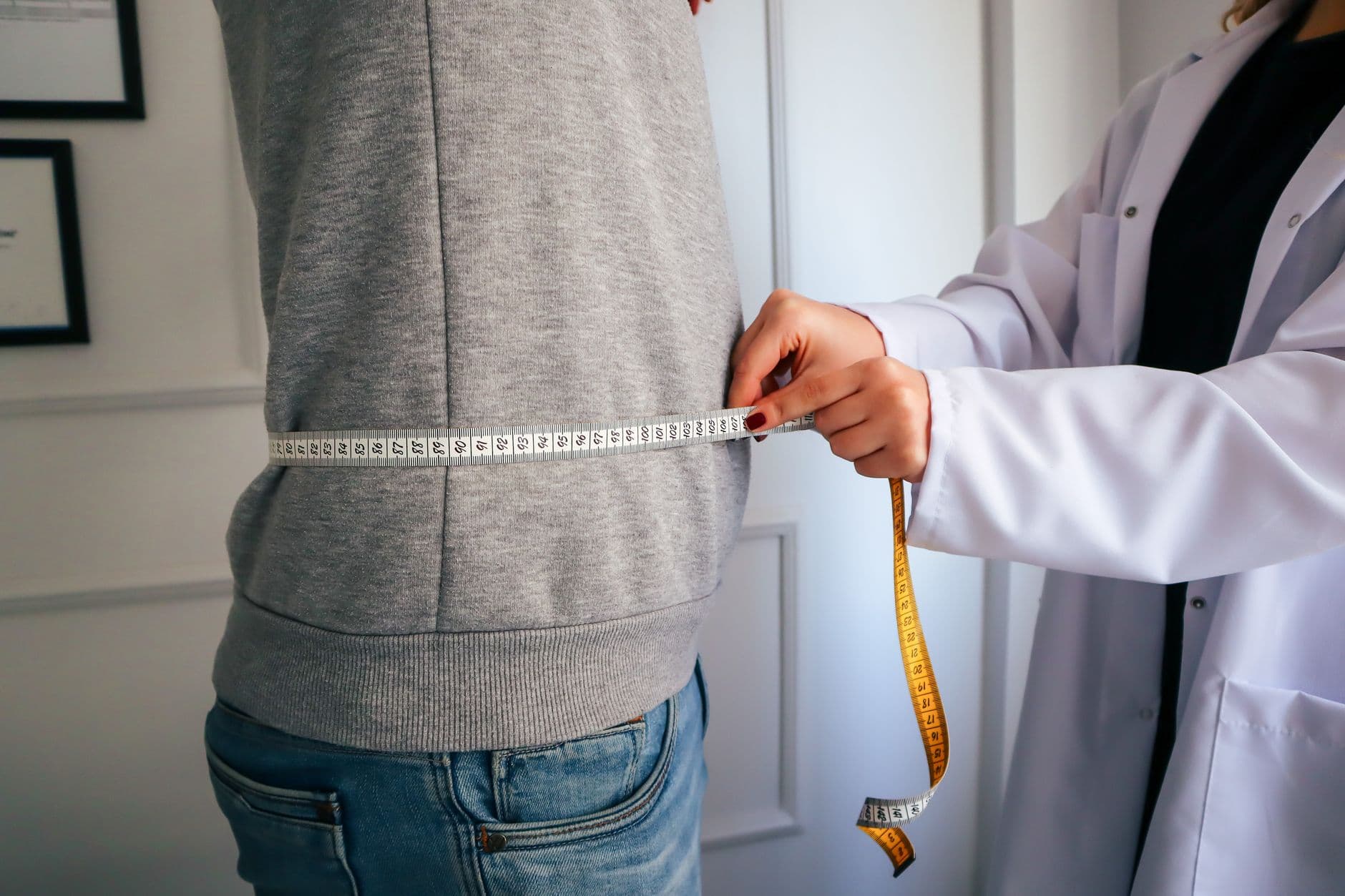
An association across millions of people isn't the same as a personal forecast. The available study summary doesn't establish that adding a waist measurement improves individual cancer prediction. A tape measure at home can help you track waist size alongside your weight, though it can't predict whether you'll get cancer.
Where the study's reach ends
Because the study is observational, other differences between heavier and lighter people could explain part of the gap. Smoking history wasn't captured in full detail, which matters because smoking affects both weight and cancer. Thyroid cancer, one of the strongest signals, raises a specific question: thyroid ultrasound has been widely used in Korea, and if people with obesity are scanned more often, some of the extra thyroid cancers could be small tumors that would otherwise have gone unnoticed. The available report doesn't show whether this affected the results. And results from a Korean screening population may not carry over cleanly to other groups.
The reported findings relate weight at a screening exam to later diagnoses. Following people into midlife doesn't mean they stayed at that weight, and it doesn't mean early obesity did permanent harm. Other evidence points the hopeful way. In an Israeli cohort tracking people from adolescence into adulthood, those who were heavy as teenagers but lean as adults had no detectable excess risk of obesity-related cancers, while those who went from lean to heavy did. That's also observational, but it suggests your later weight matters too.
Does losing weight lower the risk?
Here the evidence is encouraging but incomplete. The strongest signal comes from bariatric surgery. In SPLENDID, a matched observational study with a median age of 46, estimated obesity-related cancer incidence within 10 years was about 2.9% after surgery, compared with about 4.9% in similar people who didn't have surgery. But surgery wasn't randomly assigned, so some of that gap may reflect differences between the groups.
The randomized evidence is thinner. In Look AHEAD, adults aged 45 to 76 with type 2 diabetes were assigned to an intensive lifestyle program or diabetes support and education, and the lifestyle group had fewer obesity-related cancers over about 11 years, but the difference wasn't statistically conclusive. Neither study established a cancer benefit from intentional weight loss specifically for people in their 20s or 30s. So a cancer benefit from losing weight at your age is plausible and consistent with the trajectory data, but it hasn't been demonstrated.
Acting on it in your 20s and 30s
The American Cancer Society's prevention guidance already covers the practical core: keep a healthy weight, avoid gaining weight through adulthood, get 150 to 300 minutes of moderate activity or 75 to 150 minutes of vigorous activity a week, eat mostly vegetables, fruits, legumes, and whole grains, and avoid alcohol. Those habits carry benefits for heart and metabolic health that don't depend on the cancer question being settled.
If lifestyle changes haven't been enough, medication is an option. The American College of Physicians' 2026 living guideline conditionally recommends semaglutide or tirzepatide, alongside lifestyle changes, as first-line drugs for eligible adults with obesity. That decision, like a decision about surgery, is one to make with a clinician by weighing the established benefits for weight and metabolic health against the risks. Possible cancer prevention is a reason to take obesity seriously, but the choice of a particular treatment should rest on those established benefits and risks.
This study doesn't justify extra cancer screening. The U.S. Preventive Services Task Force recommends against screening for thyroid cancer in adults without symptoms and against routine ovarian cancer screening in women without symptoms or a known high-risk hereditary syndrome, and colorectal screening for average-risk adults still begins at 45. What does need prompt attention is a symptom: abnormal vaginal bleeding, for example, should be evaluated, especially if obesity has raised your endometrial cancer risk.
Two things would sharpen this answer. The first is the full paper, which would allow verification of the effect sizes, how early-onset cancer was defined, and whether the waist findings held up in sensitivity analyses. The second, and much harder, is long-term intervention evidence in cancer-free young adults showing that losing weight leads to fewer cancer diagnoses, with the size of that benefit weighed against treatment side effects. Until then, the evidence supports working on weight and waist size early for reasons that are already solid, with a credible chance of lowering cancer risk that remains unproven at this age.