
Can Omega-3 and Aspirin Replace Antibiotics for Gum Disease?
For severe gum disease, yes, for many people. Daily omega-3 with low-dose aspirin, added to a deep cleaning, hit the treatment goal in about the same share of patients as the standard antibiotic combo, and both roughly doubled the result of cleaning alone. Combining them added nothing. Aspirin's bleeding risk means this trade isn't for everyone, but it's a live option worth raising with your periodontist before you accept a two-week course of amoxicillin and metronidazole.


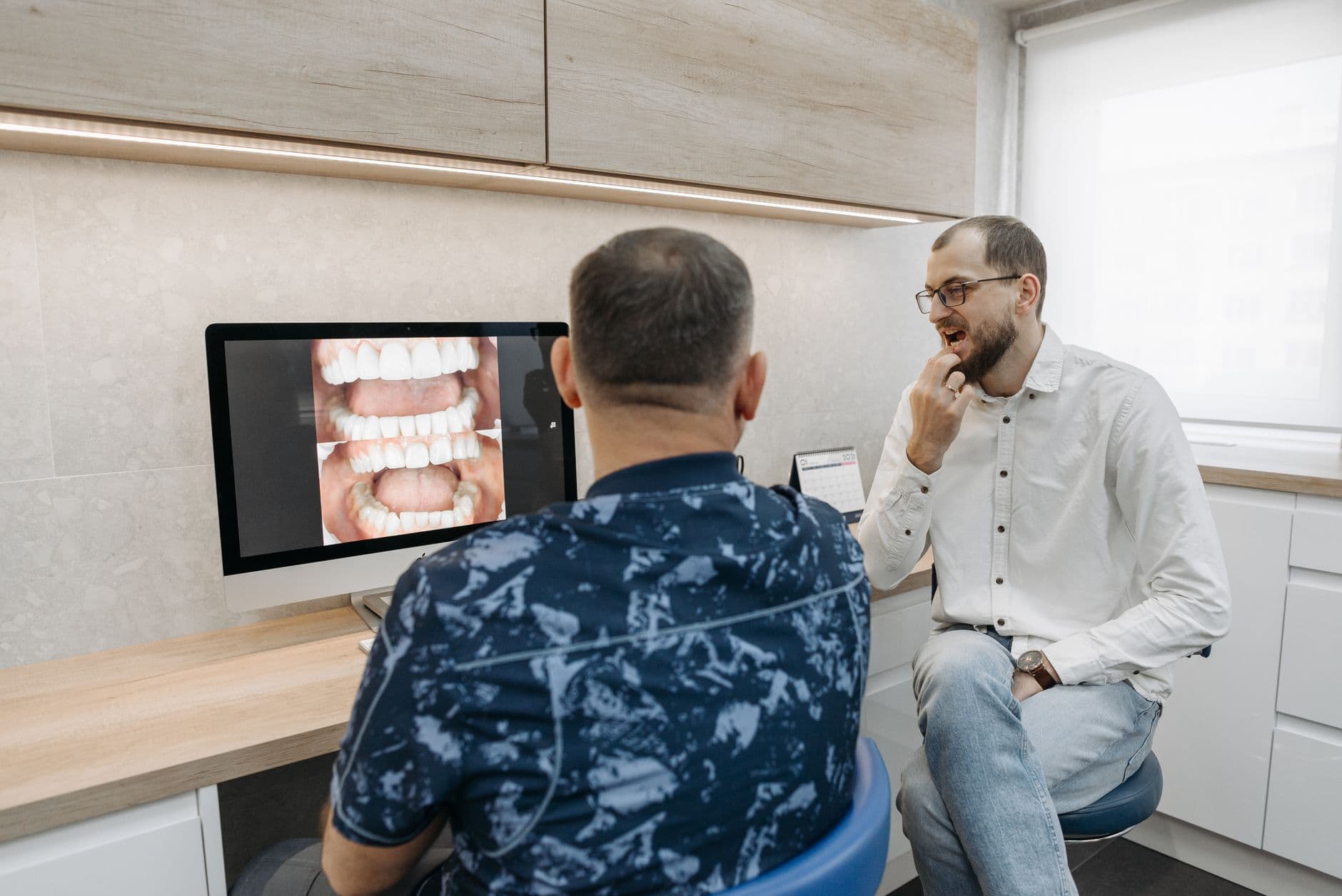
109 adults with severe periodontitis got a deep cleaning, then were randomly assigned to one of four things: cleaning alone, the standard antibiotic combo of metronidazole plus amoxicillin for two weeks, 3 grams of omega-3 daily plus low-dose aspirin for six months, or both add-ons together. The endpoint at one year was how many people ended up with four or fewer deep residual pockets, a common definition of a good result. About 58% got there on either add-on. Stacking the two add-ons added nothing.
A first head-to-head test
What's new isn't that omega-3 with aspirin helps gum disease. Smaller trials and meta-analyses have pointed there for over a decade. What's new is that it has now been tested directly against systemic antibiotics in the same trial, using the same endpoint, with a full year of follow-up. The two active arms came out statistically indistinguishable, and the cleaning-only arm made clear the mechanical debridement is still doing most of the work.
The trial isn't enormous. It ran across four clinical centers in a defined population of stage III and IV periodontitis, by a group with a long track record in exactly this question. One year is not five, and this is one trial. Practice-changing certainty would come from a second, larger multicenter replication. What this one is enough for is a serious conversation before you accept an antibiotic prescription by default.
Where the earlier evidence had been pointing
The result shouldn't feel like a bolt from the blue. Meta-analyses through 2023 already had omega-3, especially with aspirin, producing roughly half a millimeter more pocket-depth reduction than cleaning alone, with a similar gain in attachment. Amoxicillin plus metronidazole, the antibiotic combo studied here, delivered a similar mean benefit that stretched closer to a millimeter only in the very deepest pockets. So the trial doesn't overturn what came before. It confirms and directly measures what a decade of parallel signal had implied: two very different mechanisms, similar clinical result. Omega-3s work indirectly, by feeding the resolvin and protectin pathways that switch inflammation off; the antibiotics work by suppressing the bacteria driving it.
One exception. In grade C periodontitis, the aggressive fast-progressing form, an earlier small randomized trial found omega-3 plus aspirin did not add clear full-mouth benefit over debridement alone. In that same subgroup, systemic amoxicillin plus metronidazole has shown a meaningful pocket-depth advantage in older meta-analyses of aggressive periodontitis. If your case is grade C, the new evidence doesn't map onto it, and antibiotics still have a stronger case.
The choice the trial actually forces
For most people with stage III or IV disease, the question is no longer whether omega-3 with aspirin works. It's which side effects you'd rather accept.
A two-week course of metronidazole plus amoxicillin carries the highest side-effect burden of any antibiotic regimen studied in periodontitis, mostly gastrointestinal, and drives resistance. In one long-running U.S. surveillance cohort of periodontitis patients, amoxicillin- and clindamycin-resistant strains of the main gum-disease bacterium rose roughly 15- to 28-fold over 20 years. The European Federation of Periodontology's S3-level guideline recommends against routine use for that reason, reserving it for select severe cases such as younger adults with generalized stage III disease. The American Dental Association's 2015 guideline offers only a weak recommendation for systemic antimicrobials as an adjunct and flags adverse effects.
Low-dose aspirin taken daily for six months isn't free either. It can cause GI bleeding, and the U.S. Preventive Services Task Force now recommends against starting low-dose aspirin for primary heart-attack prevention after age 60, and advises an individualized decision from 40 to 59, because the bleeding risk narrows the benefit. If you're older, already on a blood thinner, have an ulcer history, or have been told to avoid NSAIDs, the aspirin arm isn't your arm. If you have inflammatory bowel disease, the antibiotic arm has its own concerns. This is where a periodontist who knows your medical history earns their fee.
What would move this from reasonable to routine
A second, larger head-to-head confirming equivalence would move omega-3 plus aspirin from something reasonable to raise with your periodontist to a genuinely first-line option. A dedicated trial in grade C disease could settle whether it works there. And there's still no long-term safety data on six months of daily low-dose aspirin specifically in a periodontal population, which matters because a six-month prescription can quietly become a five-year habit if no one checks in.
One well-designed trial doesn't rewrite gum-disease treatment. But it does something rarer. It gives you a real, evidence-backed reason to ask why antibiotics are on the table before you take them, and it puts the burden on the profession to answer.