
Do Prenatal Infections Cause Autism?
Rarely, and only from a specific group of infections that were already known to harm developing brains. A new JAMA Pediatrics study of 3.6 million Swedes reports a roughly threefold higher hazard of autism after a diagnosed congenital TORCH infection, but only 975 people in the entire cohort had one, so these infections explain about three in 10,000 autism cases. The individual risk stays low. The two things worth doing are cheap: confirm your rubella immunity before you conceive, and follow basic CMV hygiene around toddlers once you do.


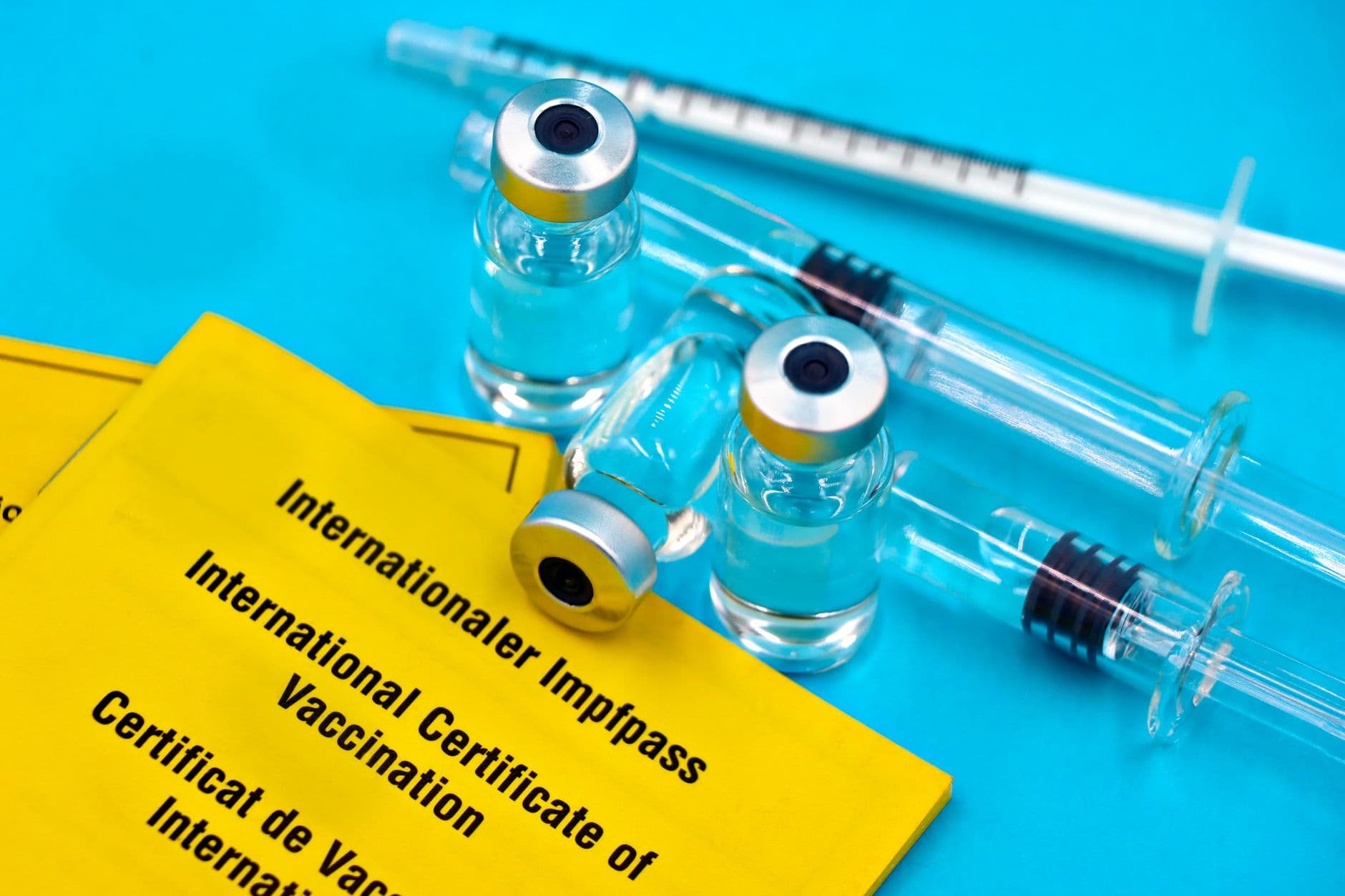
In the September 2026 JAMA Pediatrics analysis of 3,666,002 Swedes born between 1987 and 2021, children with a diagnosed congenital TORCH infection (toxoplasmosis, rubella, cytomegalovirus, and herpes simplex, plus a few others in the same family) had about three times the hazard of an autism diagnosis and about seven times the hazard of intellectual disability. For the most severe forms of intellectual disability, the hazard was more than twenty times higher. Only 975 people across the 35 birth cohorts had a documented congenital TORCH infection, so the same paper estimates these infections explain about 1.2% of severe-to-profound intellectual disability cases in Sweden.
What the new study actually adds
Most of what people call "the maternal infection and autism literature" isn't about TORCH pathogens. It's about any infection during pregnancy, usually captured as a hospital admission or a self-reported illness. Those studies find a modest signal, roughly a 15 to 30% relative increase in autism odds, and much of it shrinks toward nothing when you compare siblings. In one large Swedish sibling comparison, the association fell from a 16% increased hazard to essentially none once shared family factors were controlled. A separate primary-care study of 410,461 children found the same pattern, and maternal infection in the year before pregnancy carried an identical elevated hazard, which is a strong hint that the driver is something familial, not the infection itself.
The new JAMA data isolate a narrower question: what if you confirm a congenital TORCH infection in the child, not just an illness in the mother? Here the signal is bigger and concentrated at the severe end of the spectrum, which fits the older clinical picture. Rubella and CMV are known teratogens, and congenital CMV especially is linked to microcephaly, hearing loss, and cognitive impairment. The JAMA authors also ran a sibling comparison. The autism hazard stayed at roughly three, and the intellectual disability hazard rose. That argues the residual signal isn't just familial confounding.
Why the small absolute number still matters, and doesn't
A rare exposure with a large multiplier is a strange thing to reason about. It isn't a reason to shrug: for the child who is that case, the outcome is total, and several of these infections cause much more than autism. It's also not a reason to overhaul a pregnancy. The screen-everything strategies that would follow from the multiplier alone (routine CMV serology, toxoplasmosis panels, HSV IgG) are the ones ACOG and the CDC advise against, because the tests are hard to interpret, primary infection is uncommon, and no maternal treatment has clean outcome evidence behind it. What helps is simpler.
What actually works before and during pregnancy
Rubella vaccination before conception produces long-lasting immunity in 85 to 95% of women and effectively eliminates the risk of congenital rubella syndrome. Because the MMR shot is a live vaccine, it can't be given during pregnancy, so it has to happen before you conceive or right after you deliver. Check your rubella IgG before trying; if it's below the immunity threshold, get vaccinated and wait the recommended interval. Do this whether or not you were told you had childhood MMR, because a meaningful minority of adults have waned or never seroconverted.
CMV is the harder one. There's no approved vaccine. Moderna's Phase 3 mRNA-1647 trial in about 7,500 seronegative women of childbearing age failed its primary efficacy endpoint in October 2025 and the program was discontinued, so nothing is coming in the near term. What works is behavioral. Between 1 and 4% of CMV-seronegative women pick up CMV during pregnancy, usually from saliva or urine of a young child, especially a toddler in daycare. Modeling of hygiene-education programs suggests they can cut severe congenital sequelae by about a quarter. The behaviors are specific: wash your hands after diaper changes, wiping noses, and handling toys; don't share utensils, cups, food, or a pacifier with a young child; don't kiss a toddler on the mouth. Follow them throughout pregnancy, and be strictest early. First-trimester primary infection has the lowest transmission rate (about 30 to 40%, rising to roughly two-thirds by the third trimester), but when the virus does cross early, it causes by far the most severe fetal brain injury.
How each TORCH pathogen breaks down
| Pathogen | What prevents it | Screening status | What you can do |
|---|---|---|---|
| Rubella | MMR vaccine before conception | Rubella IgG is part of standard preconception labs | Check your rubella IgG before trying to conceive; if not immune, get MMR and wait the recommended interval |
| CMV | Hygiene around young children; no approved vaccine | Routine prenatal serology not recommended by ACOG or CDC | Wash hands after saliva or diaper contact; don't share food, utensils, or pacifiers with toddlers; be strictest in the first trimester, when severe fetal injury is most likely if you catch it |
| Toxoplasmosis | Food and cat-litter precautions | Not routinely screened in the US | Avoid raw or undercooked meat and unwashed produce; have someone else handle cat litter, or wear gloves and wash hands |
| HSV | Antiviral suppression late in pregnancy for known genital HSV; cesarean for active lesions at delivery | IgG screening not recommended for asymptomatic women | If you have a history of genital herpes, tell your obstetrician early; in US practice, suppressive therapy from about 36 weeks is standard |
What would change the picture
A few results would move this from prevention checklist toward routine screening. A successor CMV vaccine that hits its efficacy endpoint in seronegative women is the biggest. Randomized evidence that high-dose valacyclovir prevents long-term neurodevelopmental outcomes after primary maternal CMV would be another; it already has trial evidence for lowering vertical transmission after early primary infection, but ACOG doesn't recommend it outside research protocols, and the outcome data are missing. An independent replication of the JAMA TORCH-autism finding in a non-Swedish population would also strengthen the case. Until then, the threefold hazard is best read as a real but rare contributor to severe neurodevelopmental outcomes, and the useful move is preconception rubella confirmation and CMV hygiene during pregnancy. Both are things you can start this week.