
Do Ultra-Processed Foods Directly Hurt Sperm?
If you are trying to protect your fertility, cutting back on ultra-processed foods, industrial formulations such as packaged snacks, sweetened cereals, chips, and sugary drinks, is a reasonable move, but as part of a better overall diet, not because processing has been proven to poison sperm. A 2025 feeding trial tried to separate processing from overeating and found short-term weight and blood-fat changes over three weeks, while the sperm and hormone signals stayed modest and statistically fragile.


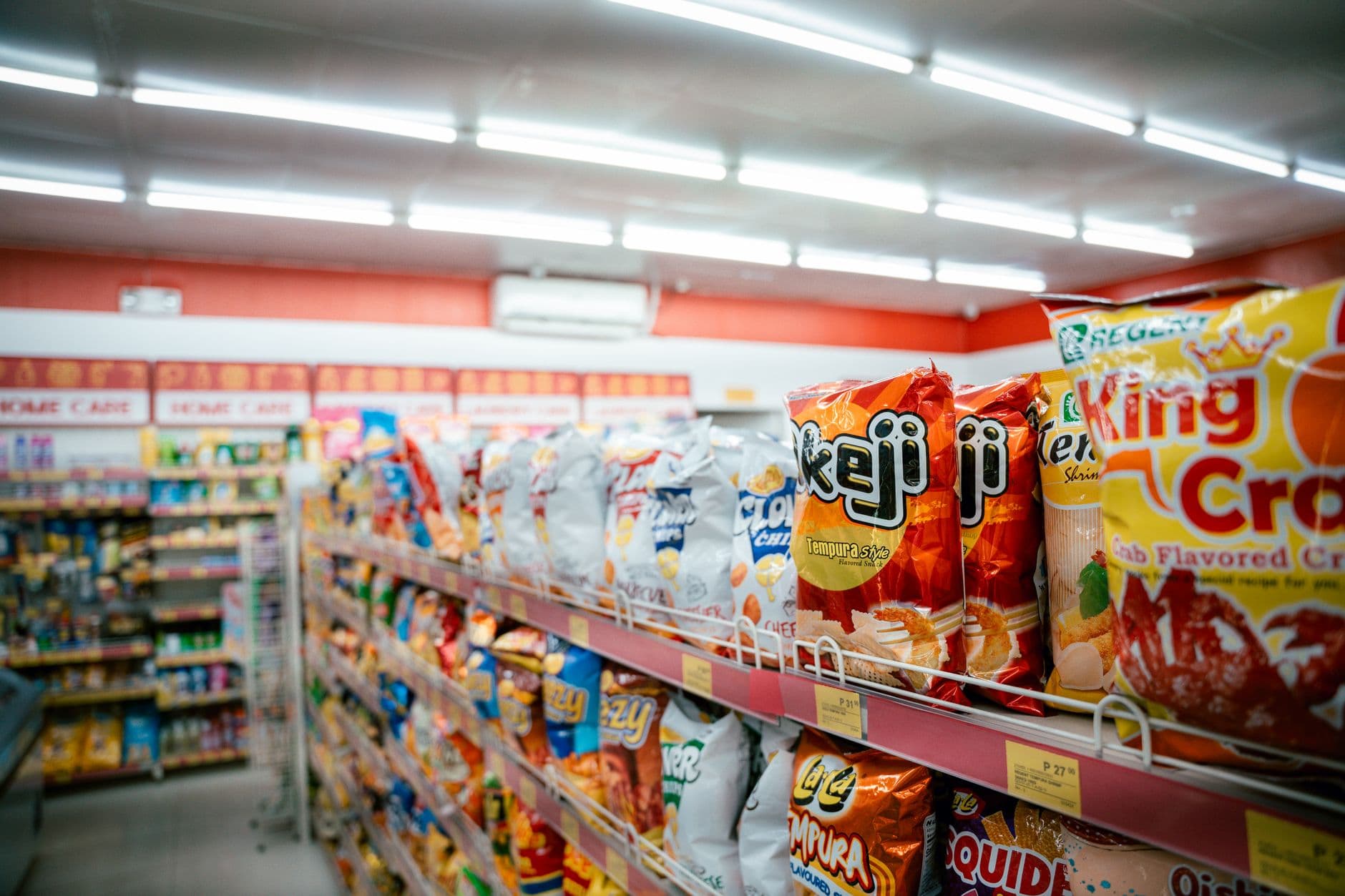
If you are trying to protect your fertility, cutting back on ultra-processed foods (UPFs), industrial formulations made mostly from refined ingredients and additives, is a reasonable move. It works best as part of improving your whole diet, weight, blood sugar, and blood fats, not because processing has been proven independently toxic to reproduction. A 2025 controlled feeding trial deliberately tried to isolate processing from calorie load. Over three weeks it found clearer weight and blood-fat effects, but the reproductive findings were limited, and processing itself could not be pinned down as the cause.
Inside the three-week feeding trial
The study behind the headlines, from Preston and colleagues in Cell Metabolism, enrolled 43 men aged 20 to 35 with BMI below 30. Each man ate an ultra-processed diet for three weeks and an unprocessed diet for three weeks, separated by roughly three months, a break meant to reduce carryover from the first diet. In this section, ultra-processed means industrial formulations of refined ingredients and additives, such as packaged snacks, sweetened cereals, chips, and sugary drinks. Men were assigned to either an adequate-calorie group or an excess-calorie group, and within that group they received both diets.
The metabolic effects were the clearest. Compared with the unprocessed period, body-weight change during the ultra-processed period was about 1.3 to 1.4 kg higher over three weeks, mostly because fat mass was higher. The ultra-processed diet also worsened the LDL-to-HDL ratio, a blood-fat pattern used as a cardiovascular risk marker, and the study reported these weight and lipid changes as independent of the assigned calorie load.
Why the sperm signals stay uncertain
The reproductive findings were thinner. In the excess-calorie group, follicle-stimulating hormone (FSH), a pituitary hormone involved in sperm production, was lower, and total sperm motility, the share of sperm that move, trended lower. But most semen measures, including volume, concentration, and morphology, meaning sperm shape, held steady. The motility change did not survive statistical correction for testing many outcomes, and the FSH dip appeared only with overfeeding, not when calories were matched to estimated needs.
There is a deeper catch. The ultra-processed diet was not only more processed; it was higher in saturated fat and refined carbohydrates, lower in fiber, and different in texture. Men ate at home and adherence relied partly on reporting back what they ate, and the weight difference even in the adequate-calorie group raises the possibility that actual intake was not identical. The trial raises a genuine fertility concern, but it cannot pull processing apart from diet composition, eating behavior, and the weight change that came with them.
The observational trail cannot prove cause
This concern does not rest on one trial. Several cross-sectional and case-control studies, designs that measure diet and semen at one time or compare men with and without a semen problem, associate higher ultra-processed intake with lower sperm concentration, count, and motility, often after adjusting for age, BMI, energy intake, and lifestyle. But the results are mixed: a 2025 fertility-clinic analysis of 343 men found no association with conventional semen measures, and reproductive-hormone patterns have not been consistent. These designs still cannot say whether processing, or simply the overall diet and health profile of people who eat a lot of packaged food, drives the difference.
All of this sits against reports of falling sperm concentration and total sperm count since the 1970s, though other analyses find sperm concentration stable among fertile American men. That is context for why the question matters, not evidence that ultra-processed food is the reason.
The clearer pathway: weight and metabolism
The most useful anchor for a man trying to protect fertility is metabolic health, meaning body fat, blood pressure, blood fats such as cholesterol, and blood-sugar regulation. Overweight, excess abdominal fat, insulin resistance, when cells respond less well to insulin, and metabolic syndrome, a cluster that includes abdominal obesity, abnormal blood fats, high blood pressure, and impaired blood sugar, are associated with poorer semen quality and lower testosterone, a male sex hormone, across large reviews and cohorts. Mediterranean-style diets, patterns rich in vegetables, legumes, fruit, fish, whole grains, and unsaturated fats, are associated with better semen quality than Western patterns heavy in saturated fat and refined carbohydrates; in one study of 701 young Danish men, the highest saturated-fat intake was associated with 38% lower sperm concentration. Weight, blood pressure, blood fats, and blood sugar are things you can track and improve. Swapping packaged snacks, sugary drinks, and processed meats for whole or minimally processed foods has real support, but the reason is stronger as a diet-quality and metabolic-health strategy than as proof that processing itself has a separate reproductive toxicity.
| Evidence type | What it suggests | Main limitation | Reader takeaway |
|---|---|---|---|
| Preston controlled feeding trial | Compared with unprocessed eating, the ultra-processed diet produced short-term weight and blood-fat changes, with modest hormone and motility signals | Diets differed in composition and texture; the motility result was a trend that did not survive correction | Real concern, but not proof that processing itself harms fertility |
| Observational UPF semen studies | Higher intake is often associated with poorer semen quality | Mostly cross-sectional or case-control, with some null results | Keeps ultra-processed food on the suspect list, without proving cause |
| Metabolic and dietary-pattern evidence | Adiposity, metabolic health, and diet quality are associated with semen measures and hormones | Most evidence still uses semen markers rather than pregnancies or live births | The strongest, most actionable target |
| Clinical guidelines | Support broad lifestyle advice for infertile men | Discuss weight, activity, smoking, alcohol, and general diet quality, not ultra-processed foods specifically | Guidance supports improving diet quality, not a stand-alone UPF diagnosis |
The practical verdict: ultra-processed foods are a fair target to cut when you are protecting fertility, but the evidence points more strongly to the company they keep: excess calories, poorer diet composition, weight gain, and metabolic strain. Treating a food-processing label as a stand-alone fertility diagnosis, or as a reason to skip a medical evaluation when conception is delayed, goes past what the data show. What would change this verdict is a larger, tightly controlled feeding trial that matches calories, saturated fat, fiber, refined carbohydrates, sodium, texture, eating rate, and weight change between diets, follows sperm across a full production cycle rather than three weeks, corrects for multiple comparisons, and ideally tracks time to pregnancy, pregnancy, or live birth.