
Is Your Period Pain Actually Endometriosis?
If severe period pain, pelvic pain, or pain with sex is disrupting your life, endometriosis is one of the main explanations to consider, and you no longer have to wait for surgery to find out. Symptoms, a pelvic exam when appropriate, and ultrasound or MRI can be enough to start treatment now. It affects about 1 in 10 women of reproductive age. If you fit the pattern, this is a common answer, not a rare one.


Endometriosis is endometrial-like tissue growing outside the uterus, with chronic inflammation around those lesions. What makes it suspicious isn't any one symptom but a pattern: period pain that stops your day, pelvic pain between periods, pain with sex, or bowel and bladder pain that tracks your cycle. If that fits, you can start an evaluation now instead of after years of being told it's nothing.
Common when the pattern fits
That 1-in-10 estimate is a rough convention, not a measured population rate, and the number climbs sharply in the groups most likely to be looking for answers. Among women worked up for chronic pelvic pain, the best pooled estimate is near 28%, with individual studies ranging up toward 50%. Among those evaluated for infertility, it's often 25% to 50%; a 2024 systematic review of women with unexplained infertility who underwent diagnostic laparoscopy found it in 44%, though most of those lesions were minimal or mild. If pain or trouble conceiving already brought you here, this isn't an exotic diagnosis. It's high on the list.
The symptoms that should stop counting as a normal period
No single symptom defines endometriosis; a cluster does. These are the presentations that most often lead to a diagnosis. Any of them, especially when it cycles with your period or disrupts work, sex, or fertility, is worth taking seriously. The pattern does not prove the diagnosis, but it should stop being dismissed.
| Symptom | How it may show up | Why it matters |
|---|---|---|
| Severe period pain | Cramps far worse than typical, sometimes not fully controlled by over-the-counter painkillers, sometimes keeping you home | One of the most common symptoms; pain that disrupts school, work, or daily life should not be waved off as a bad period |
| Chronic pelvic pain | Pain lasting six months or longer, cyclic or constant, not only during your period | Often the symptom that most erodes daily life and prompts repeated evaluation |
| Pain with sex | Deep pain during or after intercourse | Can point toward deep disease, though the symptom doesn't always track lesion location |
| Bowel symptoms around periods | Painful bowel movements, cyclic rectal bleeding, or diarrhea and constipation that track your cycle | Can signal bowel involvement and can overlap with irritable bowel symptoms |
| Urinary symptoms around periods | Painful urination, blood in urine, or urgency that flares with your period | Uncommon, but can be misread as a recurring urinary tract infection |
| Infertility | Trouble conceiving, sometimes with no other cause found | Common in infertility evaluations, including unexplained infertility |
Symptom severity doesn't reliably track lesion size or disease stage. A few small lesions can leave you in agony; extensive disease can be nearly silent. That mismatch is why disabling symptoms sometimes get dismissed when early tests look unimpressive.
You don't have to wait for surgery to be taken seriously
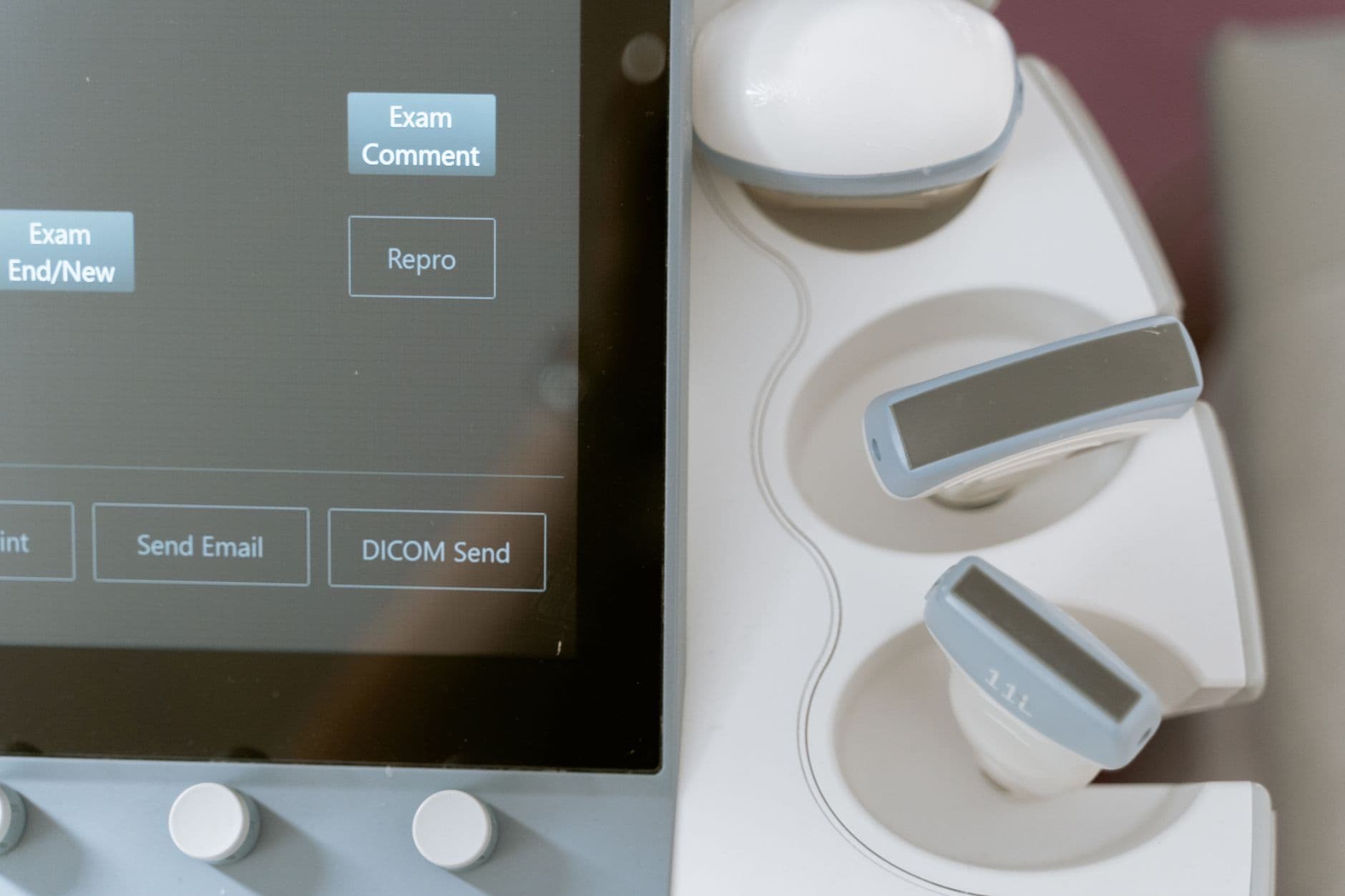
For years, endometriosis wasn't confirmed until a surgeon looked inside during laparoscopy. That's changed. ESHRE and ACOG guidelines now support diagnosing and treating based on symptoms, exam, and imaging, without requiring laparoscopy first. Transvaginal ultrasound is usually the first imaging test when it is appropriate and tolerated; it's good at spotting ovarian endometriomas and can show deep disease, though its accuracy there depends on the site involved and the operator's skill. MRI can add detail for deep lesions and surgical planning. Laparoscopy with biopsy still confirms the diagnosis, but it's now reserved for unclear cases, negative imaging with persistent suspicion, or failed treatment, not the price of being believed.
Two things to keep in mind reading your own results. A normal ultrasound doesn't rule endometriosis out, because superficial peritoneal disease often doesn't show on imaging. And no blood, urine, or tissue biomarker can diagnose it in routine care, so normal labs don't close the question either. If the pattern persists, a clean scan isn't a reason to stop looking.
Why the years of waiting cost you
The gap between first symptoms and diagnosis still often runs years. Many studies land between about 4 and 12 years, driven partly by pain being normalized, by patients and clinicians both, and partly by referral delays. That wait prolongs pain and pushes back the point where treatment even gets discussed. In observational research, longer delay is also linked to more advanced bowel, bladder, or vaginal disease by the time it's found, an association, not a proven cause.
Naming it earlier changes what you can do about it. Hormonal therapy and laparoscopic surgery reduce pain and improve quality of life for many people, depending on symptoms, lesion type, fertility goals, and how well you tolerate treatment. Relief is often partial, and both pain and lesions commonly recur, so this is managing a chronic condition, not a one-time cure. Partial relief still matters.
No scan, blood test, or single surgery settles every case on its own, and superficial disease can still hide from imaging. What would change that is a noninvasive test that catches superficial as well as deep disease, plus proof that diagnosing and treating earlier improves long-term pain and fertility. Until then, the pattern is the starting point. A persistent, cyclic, life-disrupting pattern is reason to act, not wait.