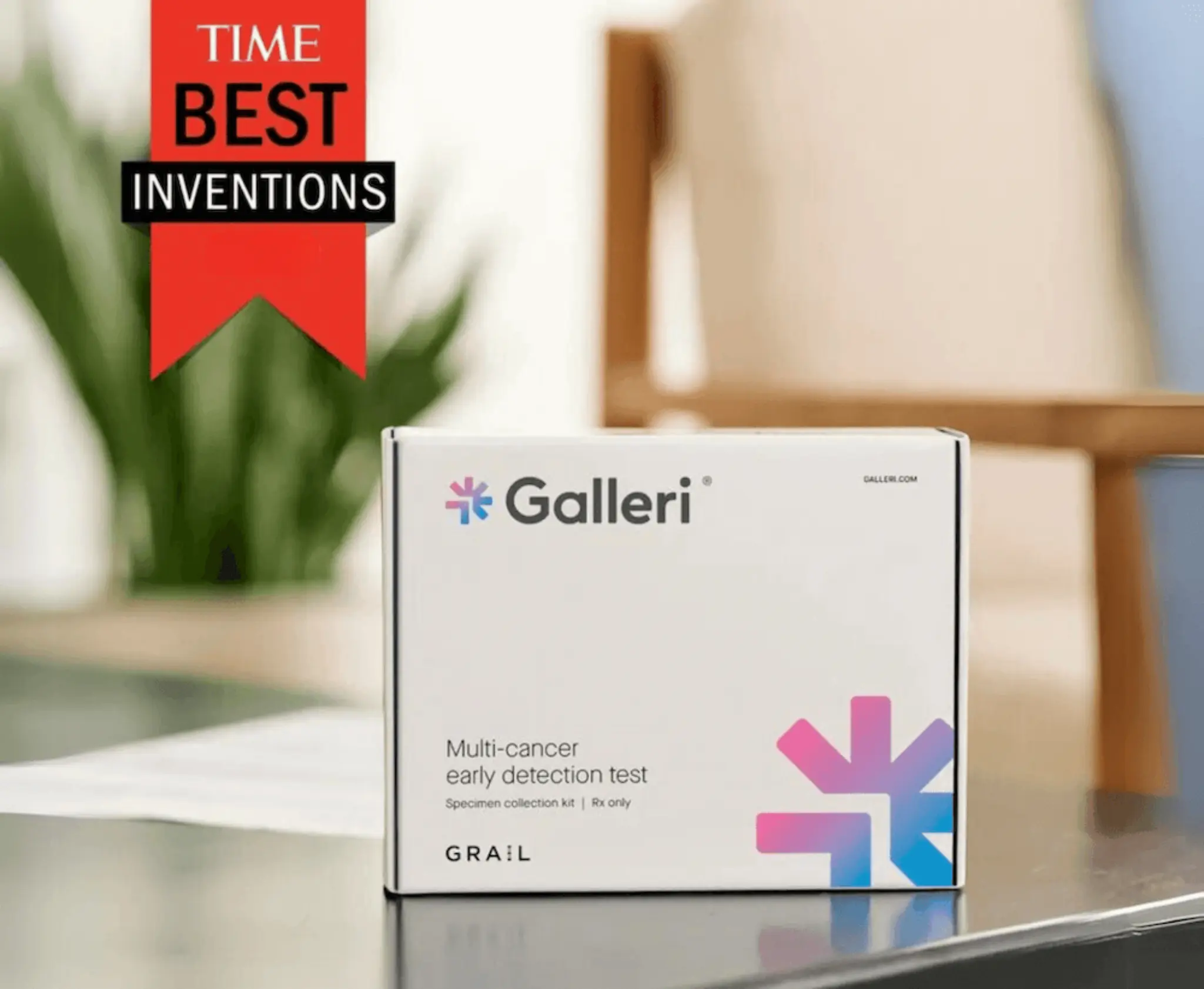
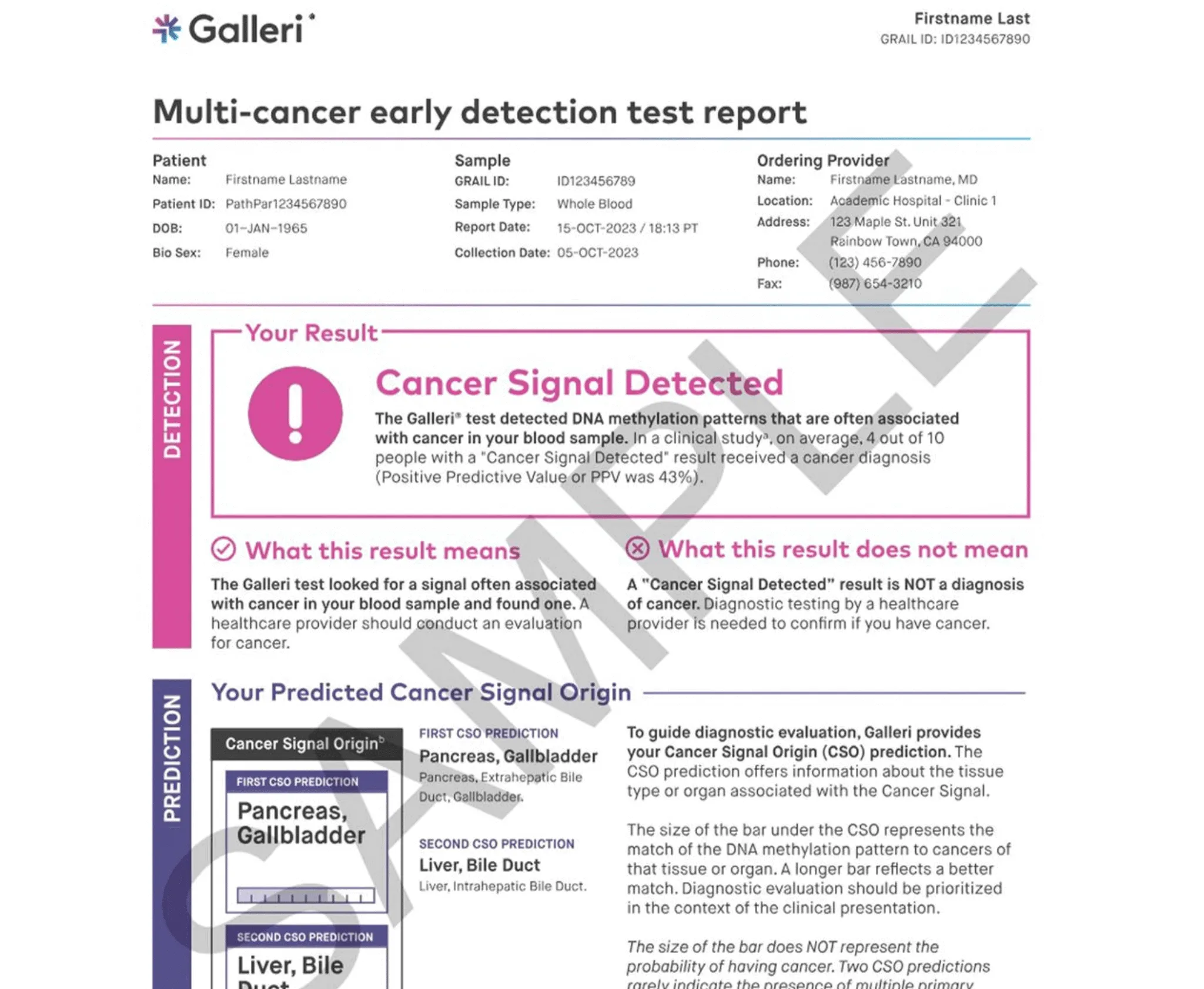
Galleri® Multi-Cancer Early Detection Test
Screen for over 50 cancers most tests miss
A blood test that analyzes cell-free DNA to screen for over 50 cancer types, including many that have no standard screening, and identifies where in the body the signal is coming from.
$799$949Save $150
HSA / FSA eligible
Free shippingSpecimen:BloodCollection:At-home draw/Lab visitCLIA-certified lab:Quest, GrailResults:2-3 weeks
Simple Process
How it works
From order to insights in three easy steps — no doctor’s visit required.
1

Get kit + schedule blood draw
You'll get the collection kit in the mail, which contains all the materials and instructions for the blood draw. You'll schedule your blood draw at this time.
2
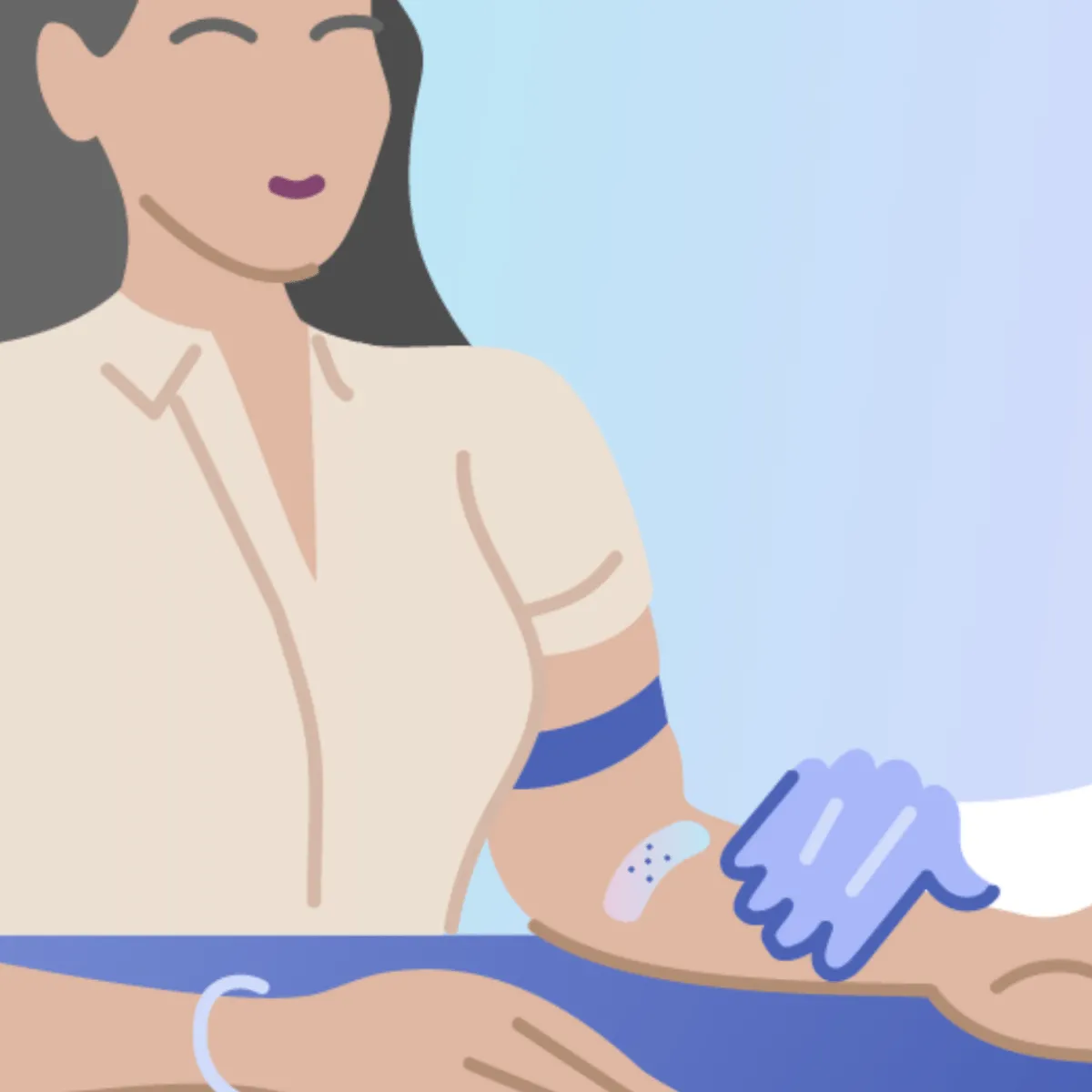
Have blood drawn
You'll either have a trained technician come to you or visit one of 2,000+ patient service centers to have your blood drawn. This is included in the cost of the test.
3

Receive your results
Results are usually available two weeks after your sample arrives at Galleri's lab. You'll receive an email when it's available in your Instalab account.
Is This Right for You?
This test is designed for people who
If any of these apply, this test can give you clarity and peace of mind.
Are age 40 or older and want broader cancer screening
Have a family history of cancer and want additional reassurance
Are concerned about cancers that do not have routine screening tests
Want to complement, not replace, standard screenings like colonoscopy
Prefer a proactive, prevention focused approach to long term health
Understand that this test looks for cancer signals, not a diagnosis
50+ cancer types · 1 blood draw
What this test screens for
Galleri detects a shared cancer signal across more than 50 cancer types — including many with no standard screening test available today.
Standard screening covers
5 cancers
Breast, cervical, colorectal, lung (high-risk), and prostate — the only cancers with recommended routine screening in the U.S.
Galleri screens for
50+ cancers
Including the 5 above, plus 45+ cancer types that have no other early detection test — where most late-stage diagnoses happen.
Early detection is best
Get ahead of cancer when it's most treatable. Early diagnosis leads to a survival rate four times higher than late diagnosis.

Approximately 70% of deaths due to cancer are caused by cancers without recommended screenings.
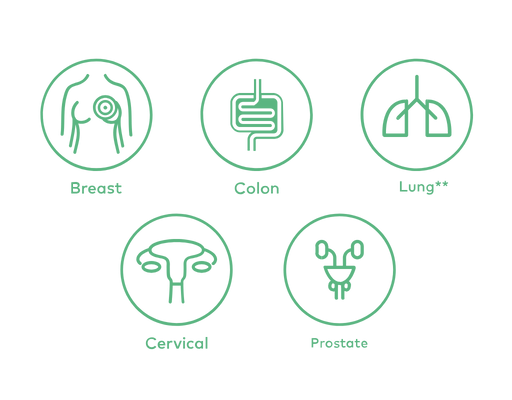
Today, only 5 cancer screenings are recommended. Adding Galleri detects many more without standard screenings.
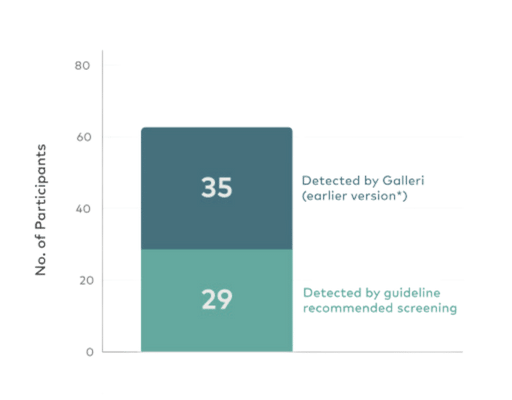
In a recent clinical study, Galleri more than doubled the number of cancers detected with recommended screening.
Common Questions
Frequently asked questions
Explore More Tests