
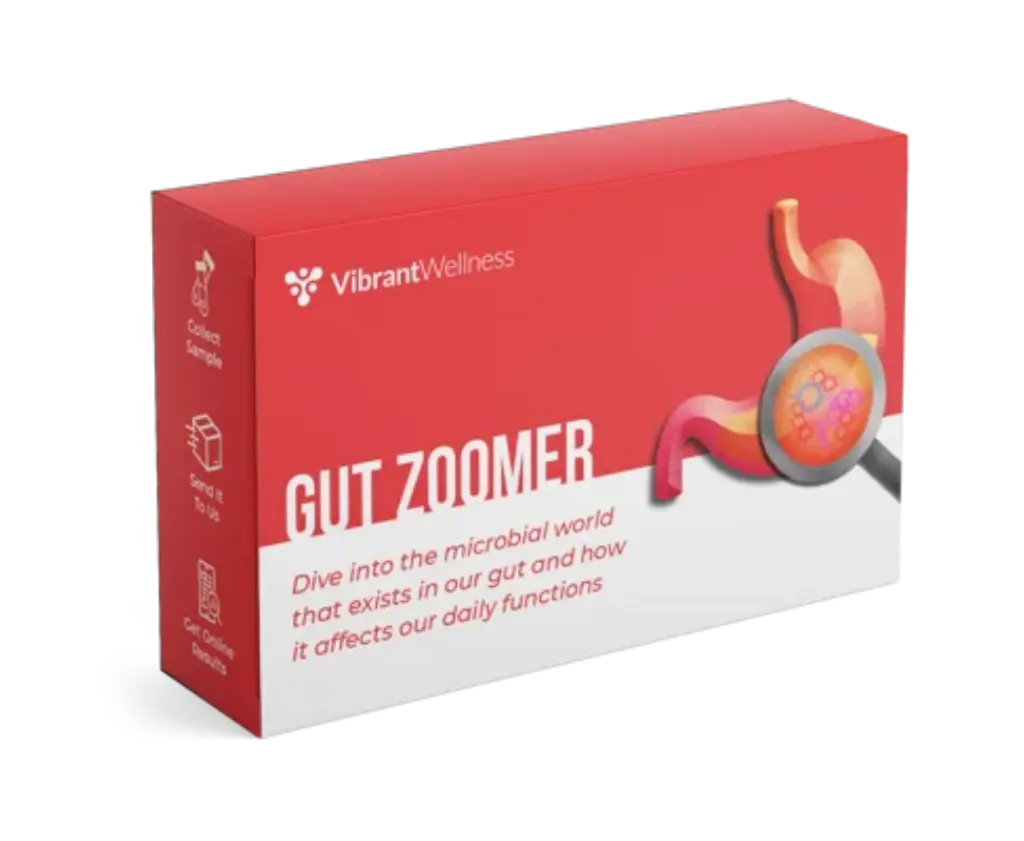
See what your gut microbiome, digestion, barrier, and gut–brain signaling are really doing
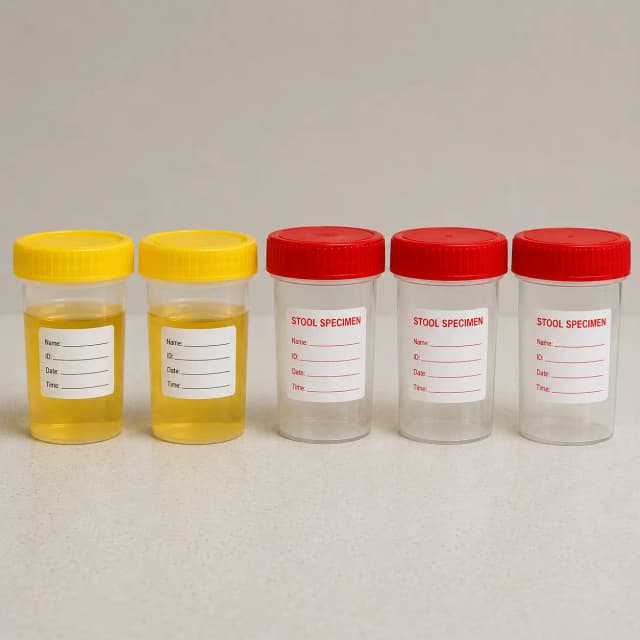
An at-home stool and urine test integrating microbiome balance, pathogens, digestion, permeability, immune activity, gut metabolites, and neurotransmitter patterns to clarify what is driving bloating, food reactions, fatigue, brain fog, and mood shifts.
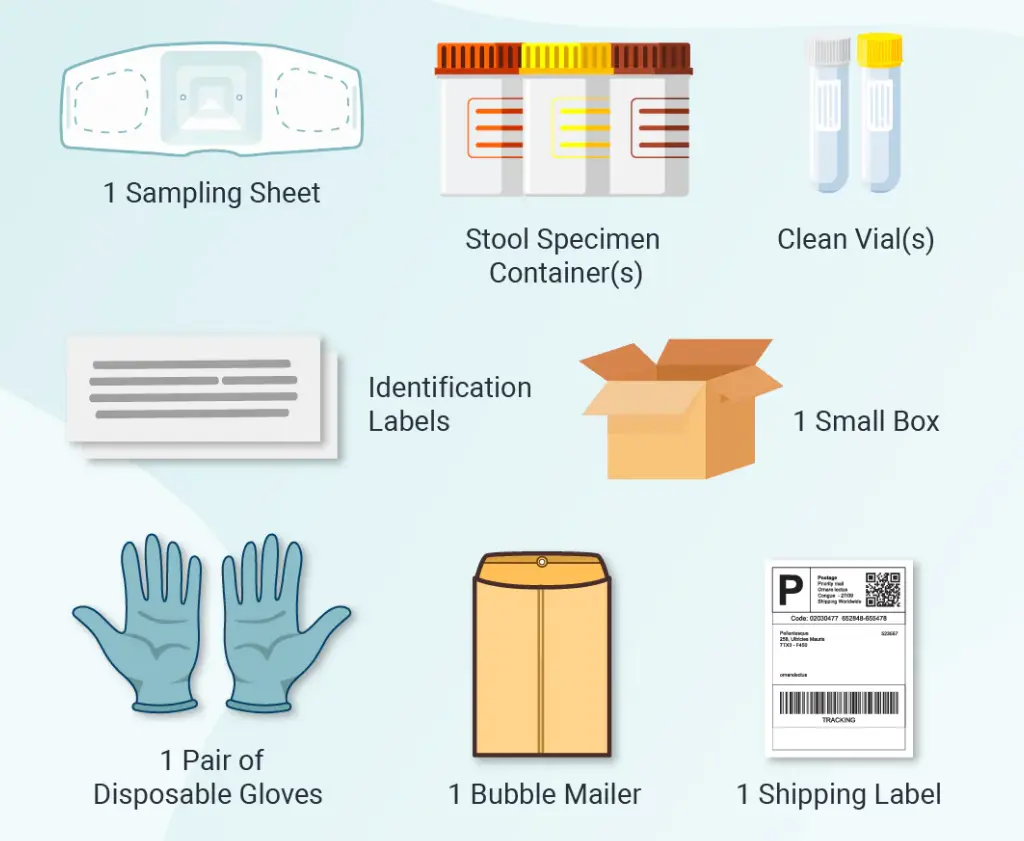
How it works

This test is designed for people who
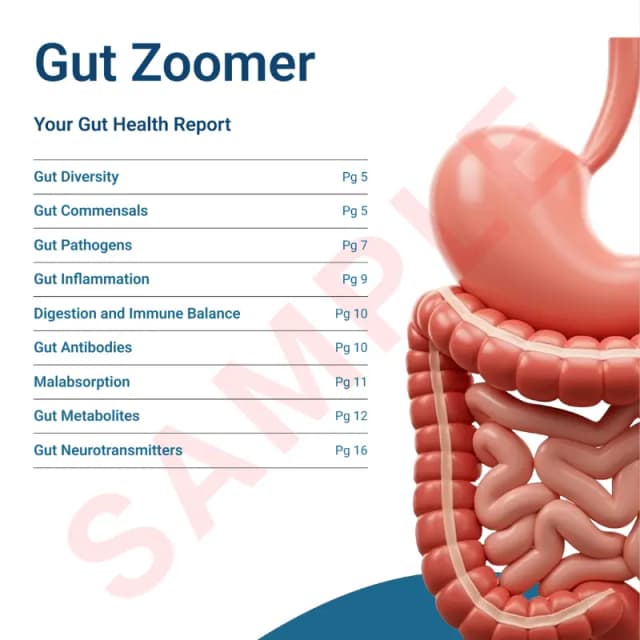
Markers evaluated
Bacterial Pathogens
28 disease-causing bacteria including C. difficile, Helicobacter pylori, Salmonella, Shigella, pathogenic E. coli, and other organisms linked to acute and chronic GI infection.
Protozoan Pathogens
14 single-celled parasites commonly picked up from contaminated food, water, or travel and linked to chronic diarrhea, malabsorption, and post-infectious IBS.
Parasitic Worms (Helminths)
15 parasitic worms (nematodes, cestodes, trematodes) including hookworms, roundworms, pinworms, tapeworms, and flukes.
Fungal Pathogens
6 opportunistic fungi and yeasts, including Candida species linked to gut overgrowth.
Viral Pathogens
13 enteric and systemic viruses associated with acute gastroenteritis or persistent GI inflammation.
Digestion & Immune
Functional markers of digestive output and mucosal immunity, including pancreatic enzyme sufficiency, secretory IgA, occult blood, fecal zonulin, and stool pH.
Gut Metabolites
Microbial metabolic outputs that reflect fiber fermentation, bile acid handling, and detoxification capacity.
Inflammation Markers
Proteins released by gut immune cells when inflammation is active. Useful for distinguishing IBS from IBD and tracking mucosal inflammation over time.
Gut Antibodies
Antibodies signaling celiac disease, gluten sensitivity, intestinal barrier damage, and fungal-driven immune activation.
Malabsorption
Markers of incomplete digestion and fat absorption, useful for assessing pancreatic insufficiency, bile flow, and small intestine function.
Diversity Indices
Quantitative measures of microbiome richness, evenness, and key phylum ratios linked to metabolic and immune health.
Gut Commensals
100+ resident gut bacteria including keystone species linked to butyrate production, mucosal health, motility, and metabolic regulation.
Probiotic Organisms
Beneficial organisms commonly used in probiotic formulations, including Lactobacillus, Bifidobacterium, and Saccharomyces species.
Antibiotic Resistance Genes
Genes that confer bacterial resistance to common antibiotic classes. Useful for guiding antimicrobial decisions, especially around H. pylori.
Gut Phyla
The major bacterial phyla that make up the gut microbiome. Their relative balance shapes metabolism, immunity, and inflammation.
Excitatory Neurotransmitters
Urinary excitatory neurotransmitters and dopaminergic-pathway metabolites that drive alertness, motivation, and stress response.
Inhibitory Neurotransmitters
Calming neurotransmitters and their precursors, including the serotonergic, GABAergic, and glycinergic pathways.
Neuroactive Metabolites & Other Pathways
Kynurenine-pathway metabolites, acetylcholine, oxytocin, tryptamine, and key neurotransmitter ratios used to interpret upstream and downstream signaling.