2-minute questionnaire
Tell us about your A1C, diabetes history, prior diabetes medications, and cardiovascular history.
 Instalab
The once-weekly GLP-1 for type 2 diabetes. Ozempic® (semaglutide) is approved for glycemic control and reducing cardiovascular events in diabetics with established CVD. Prescription, titration, and physician follow-up included.
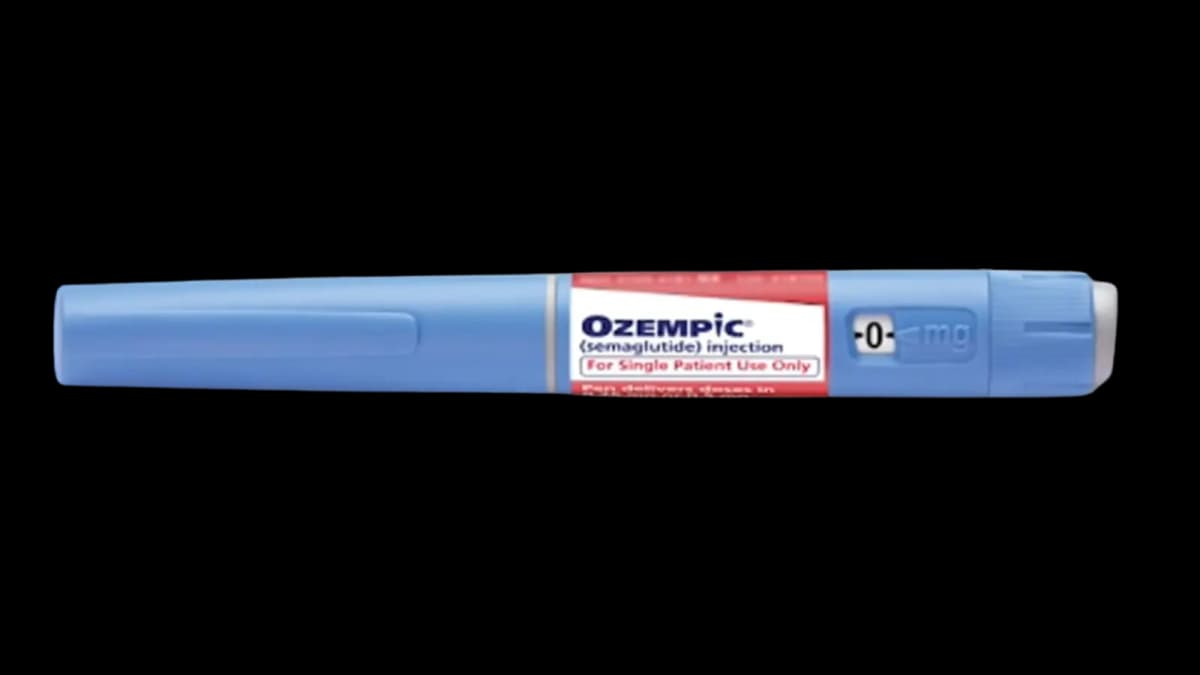
No clinic visits. A licensed physician reviews your case, picks the right starting dose, and manages each titration step. We handle refills and follow-up.
Tell us about your A1C, diabetes history, prior diabetes medications, and cardiovascular history.
A licensed physician confirms Ozempic is appropriate (FDA-approved for type 2 diabetes), screens for contraindications, and writes your starting prescription. Usually within 1 business day.
We verify insurance and file prior authorization. If self-pay makes more sense, we shop pharmacy options.
Start at 0.25mg weekly for 4 weeks (a titration-only dose). Step up to 0.5mg, then 1mg, then 2mg every 4 weeks as tolerated. Recheck A1C at 3 months.
Two line items: Instalab+ and the Ozempic medication itself, dispensed by your pharmacy.
Physician oversight, titration management, A1C and metabolic follow-up, ongoing care
Brand-name only, dispensed by your pharmacy
Why pay a monthly fee? Ozempic needs a physician who manages titration, side effects, and metabolic monitoring across 4 monthly dose steps. Instalab+ covers the visits, prior authorization, and refill paperwork. Insurance coverage for type 2 diabetes is generally strong; cash price is high because no generic exists. You pick up the prescription at your pharmacy and pay them directly.
Most commercial and Medicare plans cover Ozempic for type 2 diabetes, often with prior authorization confirming the diabetes diagnosis. Copays are typically $25 to $100 per month with coverage. We file the prior authorization. Ozempic is brand-only; if insurance does not cover, cash price is high (typically $900 to $1,000 per month).
It needs a physician who manages dose increases, side effects, and metabolic monitoring across the titration steps. Here's how our team handles that for you.
A licensed physician reviews your diabetes history, A1C, and CV risk, then writes your starting prescription at 0.25mg weekly. We verify insurance and file prior authorization in parallel.
Your Ozempic pen ships from the pharmacy. We walk you through self-injection and check in after your first dose.
Step up to 0.5mg, then 1mg, then 2mg every 4 weeks if tolerated. We coordinate each refill with the new dose so you never run short.
Recheck A1C at month 3. Most patients drop 1.5 to 2.0%. Your physician tracks A1C, weight, and labs over time and adjusts as needed.
Schedule a PCP or endocrinology visit. Wait months. Chase prior auth and refills yourself. Manage side effects between appointments.
2-minute questionnaire. Physician review within 1 business day. Insurance and titration handled. Refills and side-effect check-ins built in.
Ozempic is a once-weekly subcutaneous injection from a pre-filled pen. Same day each week. Stomach, thigh, or upper arm. Most patients build the habit in a few weeks.
Ozempic is the original brand of semaglutide. It activates the GLP-1 receptor: slows gastric emptying, lowers appetite, and stimulates insulin release when glucose is high. The SUSTAIN trials established its A1C, weight, and cardiovascular effects. The SUSTAIN-6 CV outcomes trial in particular drove the FDA approval for cardiovascular risk reduction in adults with diabetes and established CVD.
Published in NEJM in 2016, SUSTAIN-6 randomized 3,297 adults with type 2 diabetes at high CV risk to semaglutide (0.5 or 1mg weekly) or placebo. Over a median 2.1 years, semaglutide reduced the primary composite of cardiovascular death, MI, and stroke by 26%. This drove the FDA approval for CV risk reduction in adults with diabetes and established cardiovascular disease.
Ozempic is a prescription medicine. Important safety information applies. The most common side effects are gastrointestinal. There is a boxed warning for thyroid C-cell tumors, based on rodent studies.
Answer the questionnaire. A physician reviews your case and, if Ozempic is appropriate, prescribes it. We handle titration, refills, and follow-up.
No commitment to treatment. Ozempic is for type 2 diabetes.