 Instalab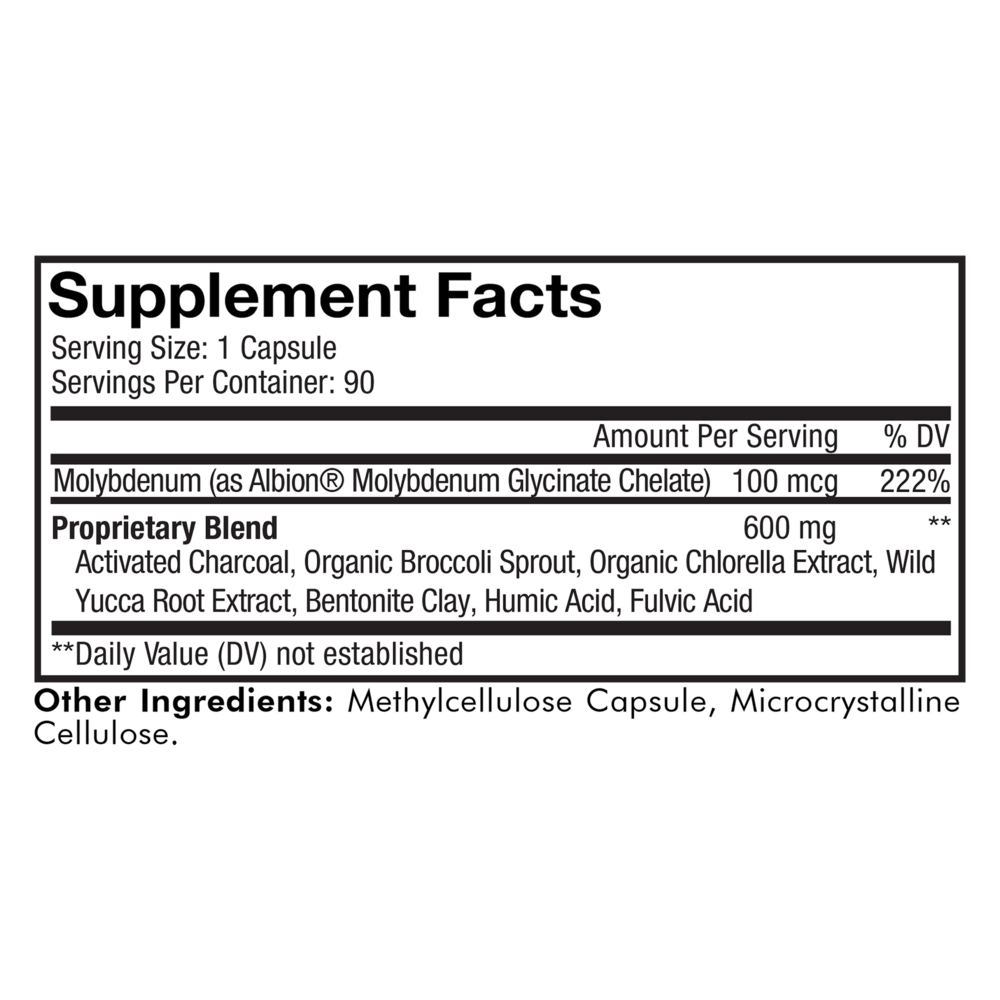

Codeage
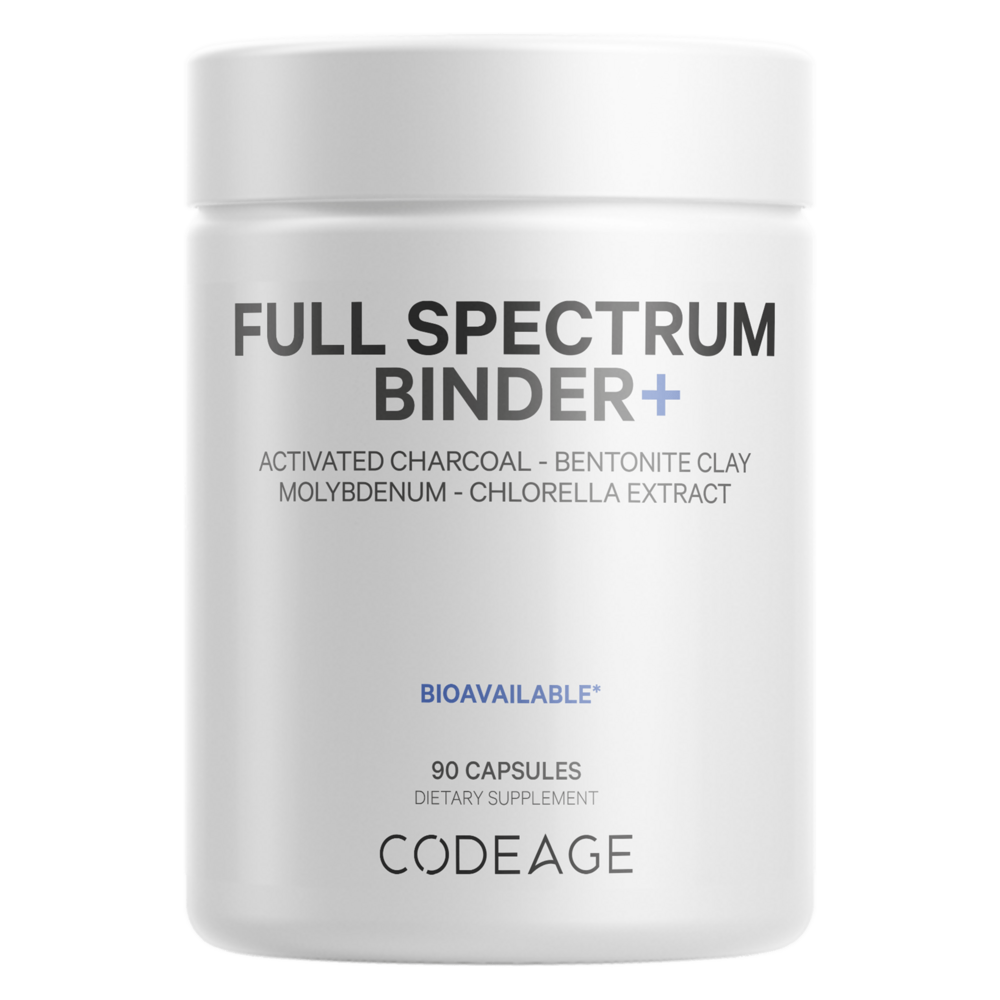
Full Spectrum Binder+ by Codeage
90 capsules
Comprehensive Detox Support for a Healthier You$XX.XX$39.99retail
This item is currently out of stockGet notified when this item is back in stock
20% below MSRP3rd-party tested for purity & potencyFree shipping $50+
Codeage Full Spectrum Binder+ overview
A binder supplement makes sense when your goal is gut-level cleanup, not a whole-body “detox.” It can help during short runs of antimicrobial protocols, after high-exposure travel or foodborne illness recovery, or if meals reliably trigger bloating from bile-heavy foods. People prone to loose stools may notice steadier bowel movements. If you’re chasing “mold detox,” know the evidence outside prescription resins is limited; use labs and clinical guidance, not vibes.
Binders stay in the intestine and adsorb compounds on their surface, then exit in stool. By grabbing bile acids (the detergents your liver uses to carry waste into the gut), they can reduce enterohepatic recirculation, the “recycling loop” that reabsorbs some compounds. Some users see less gas because bacterial byproducts like lipopolysaccharide (LPS, a cell-wall fragment that irritates the gut) are less available to interact with the lining.
Codeage suggests three capsules daily, preferably with meals. That’s practical for tolerance, but the key is spacing: take a binder supplement at least 2–3 hours away from medications and other supplements, and 3–4 hours away from bedtime if you’re prone to reflux. Start with fewer capsules for 3–4 days, then build to the suggested amount if your stools stay comfortable.
All binder supplements can reduce absorption of drugs and nutrients. Separate by at least 3–4 hours from thyroid hormone, antibiotics, seizure meds, anticoagulants, and birth control pills. If you take iron, magnesium, zinc, or fat-soluble vitamins (A, D, E, K), take them at a different meal. Track key labs like Ferritin, Vitamin D, 25-Hydroxy, and lipid panels if you use binders for weeks.
Avoid if you’re pregnant or breastfeeding, have chronic constipation, slow gut (gastroparesis), a history of bowel obstruction, or swallow difficulties. Stop if you develop persistent constipation, abdominal pain, or black stools not explained by iron. Long, continuous use isn’t wise; most people cycle 2–6 weeks, then reassess symptoms and labs like hs-CRP (inflammation) and liver enzymes (ALT, AST) with a clinician.
Frequently asked questions
What does a binder supplement actually bind?
It binds a range of gut contents by surface adsorption, especially bile acids and some microbial byproducts. Different ingredients bind different targets. Over-the-counter blends are not a treatment for poisoning; emergency use of high-dose activated charcoal is a separate, hospital-level protocol.
When should I take a binder supplement during the day?
Take it at a time you can reliably separate from medications and other supplements by 2–3 hours. Many take it with lunch or dinner for tolerance. If you get reflux at night, avoid taking it close to bedtime.
How long until I notice effects?
Changes in stool consistency and bloating often show within 3–7 days. If you’re using it during an antimicrobial protocol, benefits track with that timeline. If nothing changes after two weeks, reconsider the plan with your clinician rather than increasing indefinitely.
Can a binder supplement cause constipation?
Yes, constipation is the most common side effect. Start low, increase fluid and fiber, and pause if stools slow uncomfortably. People with a history of constipation or slow gut motility should be cautious or avoid binders outright.
Will a binder supplement deplete vitamins or minerals?
It can reduce absorption if taken together. Separate it from minerals and fat-soluble vitamins by several hours. For longer courses, consider checking Ferritin and Vitamin D, 25-Hydroxy, and take supplements at a different meal.
Is a binder supplement good for mold detox?
Evidence for over-the-counter binders in mold-related illness is limited. Prescription bile acid resins are better studied. If you’re pursuing this, work with a clinician and track symptoms and relevant labs rather than self-treating for months.
Can I take a binder supplement with probiotics?
Yes, but separate them by at least 2 hours so the binder doesn’t adsorb the probiotics. Many take probiotics in the morning and the binder with a later meal.
Who should not take a binder supplement?
Skip it if you’re pregnant or breastfeeding, have chronic constipation, bowel obstruction risk, significant swallowing issues, or take critical-timing meds where reduced absorption could be dangerous. When in doubt, ask your clinician.
How to take it & ingredients
Suggested use: Adults take three capsules daily, preferably with meals, or as directed by your healthcare professional.
Certifications
Benefits
Warnings