 Instalab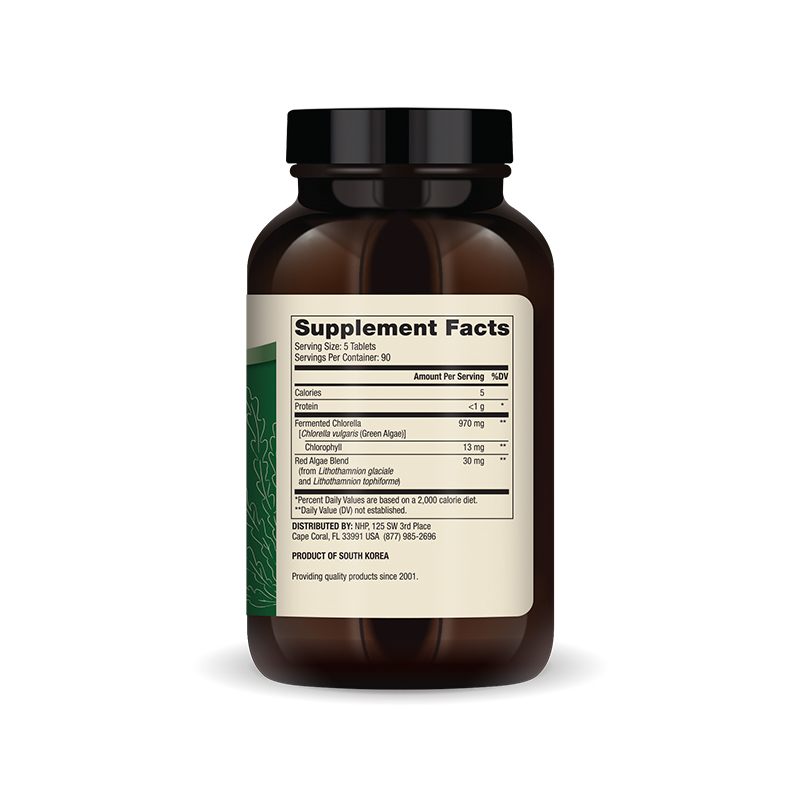

Dr. Mercola
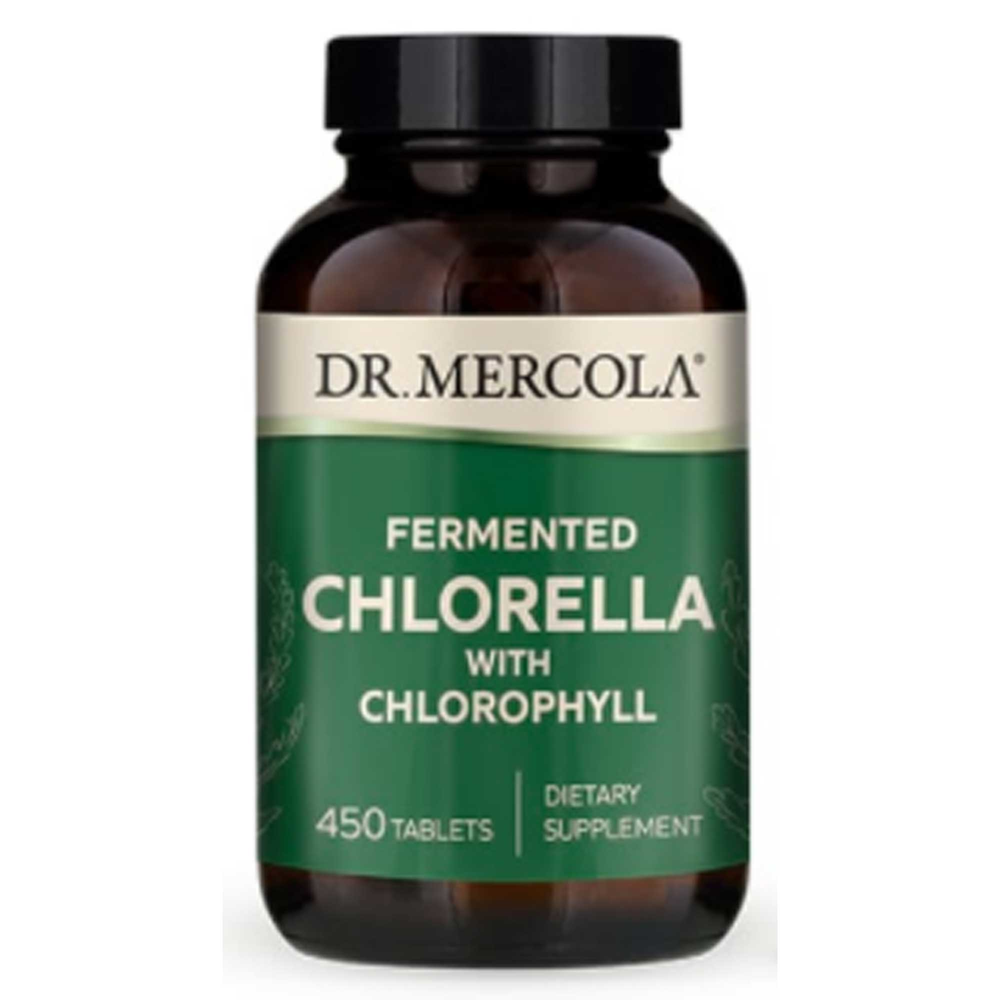
Fermented Chlorella with Chlorophyll by Dr. Mercola
450 tablets · 90-day supply
Nutrient-Dense SuperGreens for Detox and Daily Vitality$18.99retail
Add to cart for 21% off
Purchase option
21% below MSRP3rd-party tested for purity & potencyFree shipping $50+
Gluten Free·Soy Free
Dr. Mercola Fermented Chlorella with Chlorophyll overview
If you’re curious about fermented chlorella benefits beyond “detox,” this fits adults watching metabolic labs and gut regularity. It’s most relevant if your fasting glucose or triglycerides run high-normal, your hs-CRP (an inflammation marker) is up, or your liver enzymes like ALT or GGT are sluggish. Vegetarians who want chlorophyll and carotenoids without taking fish or krill oil often choose chlorella, but it’s not a reliable B12 source for vegans.
Fermentation breaks chlorella’s tough cell wall, improving digestibility and access to chlorophyll, fiber, and carotenoids like lutein. In the gut, these compounds can bind some bile acids (the detergents your liver makes from cholesterol), which nudges cholesterol metabolism and can trim triglycerides in responders. Antioxidant pigments and small peptides blunt oxidative stress signals, which is why modest hs-CRP reductions show up in some trials. The red algae here adds calcium and magnesium, minerals that many diets skimp on.
The suggested use is five tablets once daily, with the option to take that up to three times a day. Start with 1–2 tablets with food for a week to gauge digestion, then build toward the full serving. Most people track changes in fasting glucose, triglycerides, and hs-CRP over 4 to 12 weeks. If you’re targeting lipids, pair chlorella with higher-fiber meals for better bile-acid binding.
Skip chlorella if you take warfarin or another vitamin K–blocking blood thinner, because chlorella contains vitamin K that can counter the drug. Use caution with immunosuppressants, as chlorella can stimulate immune activity. The red algae blend can include iodine; avoid if you’re iodine-sensitive or managing thyroid disease with strict iodine limits. Those with a history of gout or high uric acid should also be cautious, as algae are relatively high in purines.
Frequently asked questions
What’s the difference between fermented chlorella and cracked cell-wall chlorella?
Both aim to improve digestibility. Fermentation uses microbes to break the wall and may create beneficial peptides; cracked cell-wall uses mechanical methods. Clinically, both improve absorption versus intact cell walls.
Does chlorella really detox heavy metals?
Human evidence is limited. Chlorella’s fibers and chlorophyll can bind some compounds in the gut, but it’s not a substitute for medically supervised chelation. Use it as a gentle adjunct, not as primary heavy-metal therapy.
How long does chlorella take to work?
For metabolic and inflammation markers, expect 4–12 weeks. Digestive regularity can change within days to weeks. Recheck fasting glucose, lipid panel, hs-CRP, and liver enzymes like ALT/GGT to assess response.
Can I take chlorella with blood thinners like warfarin?
Avoid it with warfarin or other vitamin K–antagonist anticoagulants. Chlorella contains vitamin K, which can reduce the drug’s effect and destabilize INR. Ask your clinician about alternatives.
Is chlorella a good B12 source for vegans?
No. Chlorella contains mostly B12-like compounds that aren’t fully active in humans. Vegans should use a reliable B12 supplement (cyanocobalamin or methylcobalamin) and check Vitamin B12 and MMA on labs.
Does this contain iodine from the red algae?
Red algae can contain trace iodine. The amount here is small, but if you’re iodine-sensitive or on a thyroid-restricted plan, choose a chlorella without marine minerals and confirm iodine on the label.
What side effects should I expect with chlorella?
The most common are gas, bloating, and loose stools, especially at higher doses. Start low and take with food. Rarely, people report green stools or mild headache; stop and reassess if symptoms persist.
When is the best time to take chlorella?
Take it with meals to reduce GI upset and to pair with dietary fat and fiber, which may improve bile-acid binding. Split doses with breakfast and dinner if you’re using more than one serving daily.
How to take it & ingredients
Suggested use: Adults take five tablets once daily. May be taken up to three times daily as needed.
Active ingredients
5 tablets per serving · 90 servings
▼
Fermented Chlorella
Chlorella vulgaris
Chlorella vulgaris
970 mg
Chlorophyll
13 mg
Red Algae Blend
Lithothamnion glaciale and Lithothamnion tophiforme
Lithothamnion glaciale and Lithothamnion tophiforme
30 mg
Certifications
Benefits
Warnings